What Is a Chemical Dosing System?
A chemical dosing system meters acids, bases, oxidants, or polymers into a wastewater or process stream at a controlled rate. Typical closed-loop packages hold dosing accuracy near ±1% when pumps, sensors, and PLC logic stay calibrated. Manual addition often drifts to about ±10%, which raises reagent use and NPDES pH or residual risk under variable plant flow.
Industrial plants dose chemicals to neutralize pH, coagulate solids, disinfect effluent, or condition boiler and cooling water. Flow and influent strength change by shift, so fixed batch dumps create untreated or over-treated slugs. Clean Water Act civil maxima for NPDES violations remain high. Earlier plant planning often cited figures around $50,000. 40 CFR Part 19 now sets the judicial CWA maximum at $68,445 per day for penalties assessed on or after January 8, 2025 (EPA inflation adjustment).
Most plants we size for metal finishing or textile rinse water run the metering pump at 70–80% of rated capacity, not at the nameplate ceiling. That headroom preserves diaphragm life when concentration spikes. An Automatic Chemical Dosing System with real-time pH feedback is the usual upgrade path from manual valves. In one 2024 textile retrofit described in the source brief, switching to PLC control with online pH cut sulfuric acid use by 18% and cleared pH-related discharge violations in the first quarter.
How the Engineering Process and Components Work
A dosing package isolates storage, measures dose, injects into the line, then verifies the result on the effluent side. The control loop is fixed: sensor signal → PLC logic → pump stroke or speed → injection → effluent check. That sequence keeps concentration inside the process window when main-stream flow swings.
Core hardware choices are material- and duty-specific:
- Chemical Storage: HDPE suits most acids and bases; XLPE or stainless steel is common for aggressive oxidizers such as sodium hypochlorite.
- Metering Pumps: Diaphragm units handle high-pressure service up to about 10 bar; peristaltic units suit viscous or abrasive slurries.
- Control Architecture: PLCs read pH, ORP, or flow and trim stroke frequency or length to the set point.
- Sensors and Instrumentation: pH probes near ±0.1 unit and ORP probes near ±5 mV close the feedback loop.
Diaphragm pumps cover roughly 0.1 to 10,000 L/h, but accuracy collapses if Net Positive Suction Head is too low and cavitation starts. Pairing the skid with sound automatic dosing pump selection and efficiency data keeps the motor and wet end in the durable 70–80% load band.
| Component | Standard Specification | Industrial Grade Requirement | Role in System |
|---|---|---|---|
| Metering Pump | ±2% Accuracy | ±0.5% to ±1.0% Accuracy | Precise fluid delivery |
| Storage Tank | Single Wall HDPE | Double-Wall Bunded (EPA Compliant) | Chemical containment |
| PLC Controller | Relay Logic | PID Control with Modbus/Ethernet | Automated decision making |
| Injection Valve | PVC Ball Valve | Spring-loaded Anti-Siphon Valve | Preventing backflow/siphoning |
Chemical Compatibility and Dosing Accuracy
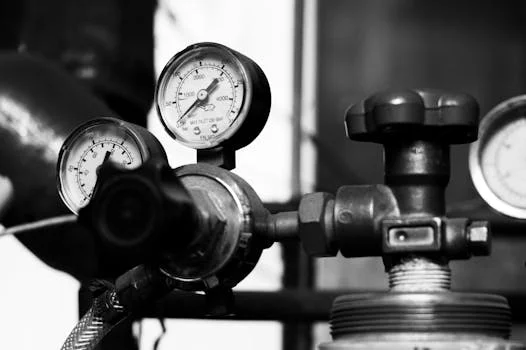
Wetted-material choice decides whether seals last years or fail in weeks. Hydrochloric acid at 37% attacks ordinary PVC tanks and seals; HDPE or Hastelloy C-276 is the usual path. Sodium hypochlorite off-gasses, so degas valves on the pump head prevent vapor lock during standby.
Accuracy is a fluid-path problem, not only a pump rating. High-viscosity polymers need larger suction lines and slower stroke rates so the head does not starve. When you design lime dosing systems for pH neutralization, the slurry is abrasive; peristaltic pumps often win because they tolerate solids without check-valve clogging.
| Chemical Name | Concentration | Pump Type | Wetted Materials | Max Pressure | Accuracy |
|---|---|---|---|---|---|
| Sulfuric Acid | 98% | Diaphragm | PVDF / PTFE | 10 Bar | ±1% |
| Sodium Hydroxide | 50% | Diaphragm | EPDM / Stainless | 7 Bar | ±1% |
| Sodium Hypochlorite | 12.5% | Peristaltic | PVC / Norprene | 2 Bar | ±2% |
| Hydrochloric Acid | 37% | Diaphragm | Hastelloy C / PTFE | 7 Bar | ±1% |
| Ferric Chloride | 40% | Diaphragm | PVC / Ceramic | 5 Bar | ±1.5% |
Manual vs Automated Dosing: Cost and Compliance Trade-offs
Automated packages cut chemical waste by about 15–20% versus manual addition in 2024 industrial benchmark ranges used in the source brief. CAPEX is higher; OPEX falls because labor and reagent spikes shrink. Manual titration and valve work often costs $30,000 to $50,000 per year in technician time alone on multi-shift sites.
Audit readiness also diverges. PLC and SCADA logs show continuous pH or residual compliance for inspectors. Manual logbooks leave night and weekend blind spots. Plant experience summarized in the source brief puts annual compliance-test failure near 12% for manual programs and under 2% for sensor-driven automation. Treat those rates as planning estimates, not a published EPA survey.
| Feature | Manual Dosing System | Automated Dosing System |
|---|---|---|
| Initial CAPEX | $5,000 – $20,000 | $15,000 – $80,000 |
| Chemical Waste | 10% – 25% (Overdosing) | < 2% (Precision Control) |
| Labor Requirement | High (Hourly Monitoring) | Low (Weekly Calibration) |
| Data Logging | Manual Logbooks | Digital SCADA/PLC Logs |
| Compliance Risk | High (Human Error) | Low (Sensor-Driven) |
Which Equipment Fits Water Treatment Plants Best?
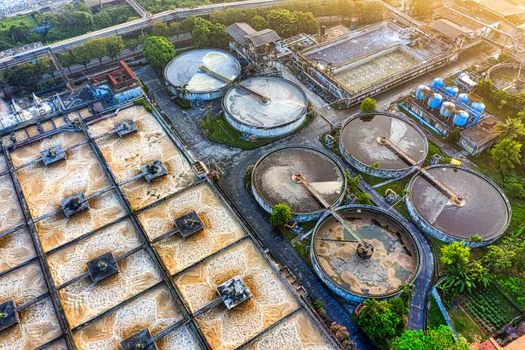
Skid-mounted packages fit most indoor wastewater rooms. Prefabricated 304 or 316 stainless frames arrive pre-plumbed and pre-wired for fast tie-in. They suit common plant flows from about 10 to 500 m³/h, with catalog ranges extending to 1,000 m³/h on larger frames.
Containerized rooms suit remote sites or hazardous gas service. Packages that feed on-site chlorine dioxide generators for disinfection often sit in modified shipping containers with climate control, ventilation, and secondary containment. Facilities that store listed substances above threshold quantities also fall under Risk Management Program rules in 40 CFR Part 68. Inline dosing remains a lower-cost option for cooling-tower pH or similar duties under about 10 m³/h, but it lacks full storage and closed-loop sophistication.
| System Type | Best Use Case | Flow Range | Estimated Cost |
|---|---|---|---|
| Skid-Mounted | Indoor Factory Wastewater | 10 – 1,000 m³/h | $20,000 – $80,000 |
| Containerized | Remote Sites / Hazardous Gas | 100 – 5,000 m³/h | $50,000 – $150,000 |
| Inline Dosing | Cooling Towers / Low Flow | < 10 m³/h | $5,000 – $15,000 |
Can Boiler Feedwater Dosing Reduce Wastewater Volume?
Boiler feedwater conditioning can reduce wastewater volume when antiscalant, oxygen scavenger, and pH control keep cycles of concentration higher without tube fouling. Better cycle control means less continuous blowdown to the sewer or pretreatment plant. The same metering principles apply: dose to online conductivity or residual set points, not to a fixed timer that ignores makeup quality.
On combined heat-and-power sites we audit, operators often overfeed sulfite “to be safe,” then pay twice—once in chemical cost and again in higher dissolved solids that force extra blowdown. Closed-loop feedwater dosing tied to dissolved oxygen and pH typically lands closer to the stoichiometric need and trims both waste streams.
Cost Breakdown: CAPEX, OPEX, and ROI
Total cost of ownership splits between equipment purchase and ongoing chemicals, power, and maintenance. On a typical automated skid, the pump and control panel dominate CAPEX. Payback often lands in 12 to 24 months when “insurance dumps” of polymer or alum stop. Those spikes are common on manual shifts that chase compliance with excess reagent.
Use this simple payback check:
ROI (Years) = (Equipment CAPEX + Installation) / (Annual Chemical Savings + Annual Labor Savings + Avoided Fines – Annual Maintenance OPEX)
| Cost Category | Typical Range (USD) | Details |
|---|---|---|
| CAPEX: Pumps | $2,000 – $15,000 | Varies by pressure/material |
| CAPEX: Control Panel | $3,000 – $20,000 | PLC, HMI, and Programming |
| OPEX: Chemicals | $0.05 – $0.50 per m³ | Based on treatment dosage |
| OPEX: Maintenance | $1,000 – $5,000 / year | Seal kits, sensor calibration |
Common Failures and How to Prevent Them
Pump cavitation and sensor drift drive about 65% of unplanned dosing maintenance in the source brief. Cavitation starts when pump-head pressure falls below the liquid vapor pressure, usually from restricted suction or a tank set too low. Keep NPSH available near 0.5 to 1.0 m and use foot valves so the suction line stays primed.
pH electrodes can drift about ±0.2 units per month from fouling or electrolyte loss. Clean and calibrate weekly with 4.01 and 7.00 buffers. Gypsum scale forms fast if sulfuric acid and lime share one injection point; stagger quills and flush lines weekly with clean water or a mild descaler.
Who This Is For and Selection Checklist
This guide is for plant engineers, EPC designers, and procurement leads sizing pH, coag, or disinfection dosing on industrial or municipal trains. Look elsewhere if you only need a one-off tote pump with no feedback, or if your duty is pure laboratory titration.
Selection checklist before you freeze the P&ID:
- Confirm design flow (m³/h) and peak-to-average ratio.
- List each reagent, concentration, viscosity, and off-gassing risk.
- Match wetted materials to the compatibility table above.
- Choose diaphragm vs peristaltic by pressure and solids content.
- Require PID control with data logging if NPDES limits apply.
- Size the pump for 70–80% of maximum at design dose.
- Budget weekly sensor calibration and annual tank inspection.
If you need a packaged skid sized to your reagents and flow sheet, request a technical quote through our inquiry form with flow, chemistry, and permit limits attached.
Frequently Asked Questions
What is the difference between a metering pump and a dosing pump?
A metering pump is a dosing pump built for high precision and repeatable flow, usually with a diaphragm or piston. “Dosing pump” is the broader label and can include peristaltic units used for transfer or simpler chemical feed. Spec sheets for metering duty typically state accuracy near ±0.5% to ±1% at steady suction conditions. Transfer-only pumps rarely hold that band once viscosity or off-gassing changes.
How do I size dosing equipment for my wastewater plant?
Size from three inputs: main flow (m³/h), required dose (mg/L), and reagent concentration. Treating 100 m³/h at 5 mg/L chlorine needs 500 g/h of pure chlorine. With 10% sodium hypochlorite, that is about 5.0 L/h at the pump. Then select a pump whose 70–80% capacity point covers that rate so turndown still works at night flows.
What are the maintenance intervals for an automated dosing skid?
Use a tiered schedule: calibrate sensors weekly; inspect pump lubrication and check valves monthly; inspect tanks yearly for structure and sediment. Diaphragms, tubing, and probes typically need replacement every 12 to 24 months. Plants that skip weekly buffers often chase false pH alarms and overdosing for weeks before anyone notices electrode drift.
Can I dose hazardous chemicals such as chlorine gas?
Yes, but only with specialized containerized packages that include leak detection, emergency scrubbers, and automated shut-off. Those duties must align with EPA 40 CFR Part 68 Risk Management Program requirements when regulated substances exceed threshold quantities. Liquid hypochlorite or on-site generators are common substitutes when gas storage is not acceptable on site.
What is the typical lifespan of a dosing skid?
A well-maintained stainless steel skid often lasts 10 to 15 years in industrial wastewater rooms. Wear parts—diaphragms, tubing, and sensors—still turn over every 12 to 24 months as chemical corrosivity rises. Budget seal kits and probe replacements as OPEX, not as unexpected CAPEX, when you compare bids.