Packaged wastewater treatment plants in Ontario must meet Ministry of the Environment, Conservation and Parks (MECP) Environmental Compliance Approval (ECA) effluent limits while balancing CAPEX (CAD $1,200–$3,500/m³/day of design capacity) and OPEX (CAD $0.15–$0.40/m³ treated). Typical municipal ECA limits often sit near <25 mg/L BOD and <30 mg/L TSS, with tighter ammonia and phosphorus caps on sensitive receivers. This guide covers MECP compliance, MBR / activated sludge / SBR selection, Ontario cost drivers, and a supplier checklist for plant engineers and EPC buyers.
Quick answer: costs, compliance, and plant choice
A packaged plant for Ontario is a modular sewage works sized in m³/day for sites without suitable municipal sewers or for on-site industrial discharge. CAPEX commonly falls between CAD $1,200 and $3,500 per m³/day of design capacity at 2025 vendor benchmarks, with OPEX near CAD $0.15–$0.40/m³. Discharge limits come from a site-specific MECP ECA, not one fixed province-wide numeric code.
Why Ontario uses decentralized package plants
Ontario industrial growth in food processing hubs such as Guelph creates localized wastewater loads that often need on-site treatment. Automotive corridors such as Windsor face the same pattern and often favor on-site plants over long sewer extensions (HydropureWater analysis, 2025). The Ministry of the Environment, Conservation and Parks (MECP; formerly styled MOECC in older documents) sets rigorous effluent expectations for municipal and industrial discharges. Buyers commonly see targets near <25 mg/L BOD, <30 mg/L TSS, <5 mg/L total ammonia nitrogen in summer, and <1 mg/L total phosphorus on sensitive waters.
Centralized infrastructure is frequently uneconomic across Northern Ontario, where low population density and long distances raise collection costs. Packaged sewage plants provide a compact alternative without extensive pipeline networks. Clearford’s 225 m³/day MBR installation for the YOW1 warehouse shows one decentralized path. The site lacked municipal sewers, and the MBR train delivered compact effluent that met regulatory needs for that facility (Clearford case study data).
What are Ontario MECP compliance requirements?
Ontario MECP compliance for sewage works centers on an Environmental Compliance Approval under the Ontario Water Resources Act for facilities that construct or operate sewage treatment and discharge works. According to Ontario.ca (updated 2026), businesses need an ECA before they construct, operate, or upgrade many sewage works. They must also meet the terms written into that approval. The ministry states a one-year service standard for most ECA applications. Complex files and Indigenous consultation can still extend timelines beyond that window.
Effluent limits are site-specific. They depend on the receiving water, discharge type (surface water, subsurface, or municipal sewer), and process design submitted with the ECA. Earlier buyer guidance often cited typical municipal figures near <25 mg/L BOD and <30 mg/L TSS. A 2024 MECP industrial STP ECA still sets CBOD5 and TSS limits at 25 mg/L, with total phosphorus at 1 mg/L (Invista Canada ECA, 2024). Those secondary-class numbers remain common on many approvals. Industrial streams may also carry metals, hydrocarbons, or specialty organics with extra limits. Continuous flow metering, prescribed sampling, spill reporting, and local sewer-use bylaws in cities such as Toronto or Ottawa can tighten the envelope further. Temporary construction or emergency plants need their own permitting path, sometimes on an expedited track.
| Parameter | Typical Municipal Discharge Limit (MOECC) | Typical Industrial Discharge Limit (MOECC) |
|---|---|---|
| Biochemical Oxygen Demand (BOD) | <25 mg/L | Variable; often <25 mg/L, but can be higher or lower depending on industry |
| Total Suspended Solids (TSS) | <30 mg/L | Variable; often <30 mg/L, but can be higher or lower depending on industry |
| Total Ammonia Nitrogen (TAN) | <5 mg/L (summer), <10 mg/L (winter) | Variable; often <10 mg/L, sometimes with site-specific limits |
| Total Phosphorus (TP) | <1 mg/L (for sensitive receiving waters) | Variable; often <1 mg/L, can be lower for nutrient-sensitive areas |
| E. coli | <200 CFU/100 mL (monthly geometric mean) | Often not directly regulated for industrial discharge unless human contact is a risk |
Packaged wastewater treatment plants in Ontario: technology choices
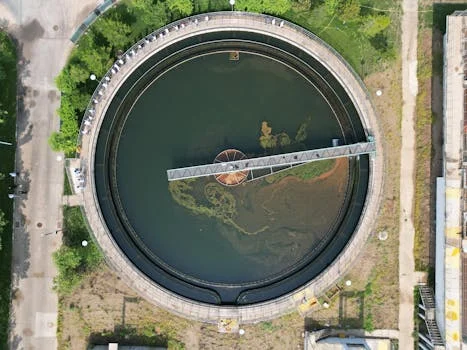
Technology selection for an Ontario packaged plant hinges on influent strength, required effluent quality, footprint, and operator skill. Three packaged process families dominate Ontario bids: extended aeration activated sludge, membrane bioreactors (MBR), and sequencing batch reactors (SBR).
Activated sludge systems aerate a microbial floc that removes BOD and settles TSS. Underground packaged units suited to cold sites often use extended aeration for stability and partial nutrient control. They typically achieve 90–95% BOD removal and 85–90% TSS removal under design loading. Pros include lower CAPEX than MBR and relatively simple operation. Cons include a larger footprint, weaker resilience to sharp load swings, and possible need for tertiary polishing when phosphorus or ammonia limits are tight. Insulation and heating remain essential through Ontario winters when biological kinetics slow.
Membrane bioreactors combine biological treatment with ultrafiltration or microfiltration membranes in place of secondary clarifiers. Higher MLSS in the bioreactor supports compact tanks and strong solids capture. Systems routinely deliver <1 mg/L TSS and near-complete pathogen rejection for reuse or sensitive discharges. Energy for aeration and membrane scouring is higher, and operators need membrane maintenance skills. Footprint can be up to 70% smaller than conventional activated sludge at comparable capacity. An integrated MBR wastewater system is often the right pick when the ECA demands high effluent quality on a constrained pad.
Sequencing batch reactors run fill, react, settle, draw, and idle steps in one tank. That batch cycle suits variable industrial flows and seasonal camps. SBRs commonly reach 90–95% BOD and TSS removal with strong nutrient control when cycles are tuned. They need reliable automation and can occupy more area than MBR at the same rated flow.
Cold-climate detailing is non-negotiable for any Ontario package plant. Bioreactors, wet piping, and control panels need insulation and often supplemental heat. Longer hydraulic retention time and higher aeration intensity may be required when mixed liquor temperatures stay low for weeks. For buried installations, an Underground Package Sewage Treatment Plant (WSZ Series) can reduce freeze exposure while keeping a small surface footprint.
| Technology | Ontario Use Case | BOD Removal Efficiency | TSS Removal Efficiency | Footprint (Relative) | CAPEX (CAD/m³/day) | OPEX (CAD/m³) | Operator Skill |
|---|---|---|---|---|---|---|---|
| Activated Sludge | Municipal, industrial (moderate limits), remote (basic) | 90–95% | 85–90% | Large | $1,200–$2,000 | $0.15–$0.30 | Moderate |
| MBR (HydropureWater MBR) | Municipal (high standards), industrial (stringent limits), water reuse, compact sites | >95% | <1 mg/L effluent | Small | $2,500–$3,500 | $0.25–$0.40 | High |
| SBR | Municipal (variable flow), industrial (variable load), remote (flexible) | 90–95% | 90–95% | Medium | $1,800–$2,800 | $0.20–$0.35 | Moderate-High |
What do package plant costs look like in Ontario?
Package plant costs in Ontario split into CAPEX per m³/day of design capacity and OPEX per m³ treated. Local climate and logistics conditions move both figures. CAPEX typically ranges from CAD $1,200 to $3,500/m³/day. MBR trains usually sit at CAD $2,500–$3,500/m³/day because of membranes and higher instrumentation. Activated sludge packages, including many underground units, more often fall in CAD $1,200–$2,000/m³/day (HydropureWater cost data, 2025).
OPEX must be modelled with Ontario winters in mind. Energy for aeration, pumping, and controls commonly contributes CAD $0.08–$0.15/m³. Chemicals for disinfection, pH control, or phosphorus precipitation add about CAD $0.05–$0.10/m³. Maintenance and spare parts typically add CAD $0.02–$0.05/m³. Labor and operator coverage often sit near CAD $0.05–$0.10/m³, lower when automation is strong. Combined OPEX generally lands between CAD $0.15 and $0.40/m³.
Ontario-specific cost drivers include long-haul delivery to remote sites and freeze protection hardware. Heated enclosures and denser monitoring for tight ECA limits add further cost. A 100 m³/day MBR example at CAD $300,000 CAPEX and about CAD $0.35/m³ OPEX in the Greater Toronto Area is a useful baseline. The same plant on a remote Northern Ontario pad can rise roughly 15–20% in CAPEX and 10–15% in OPEX from logistics and heating loads. Federal or provincial infrastructure funding can shorten payback when reuse or avoided haulage is material.
| Cost Category | Activated Sludge (CAD/m³/day) | MBR (CAD/m³/day) | OPEX Breakdown (CAD/m³) |
|---|---|---|---|
| CAPEX Range | $1,200–$2,000 | $2,500–$3,500 | N/A |
| Energy OPEX | N/A | N/A | $0.08–$0.15 |
| Chemicals OPEX | N/A | N/A | $0.05–$0.10 |
| Maintenance OPEX | N/A | N/A | $0.02–$0.05 |
| Labor OPEX | N/A | N/A | $0.05–$0.10 |
| Total OPEX Range | N/A | N/A | $0.15–$0.40 |
Supplier evaluation checklist for Ontario package plants
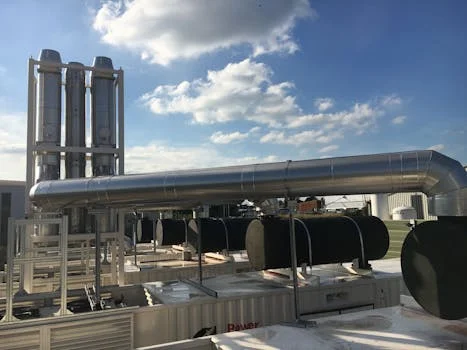
Supplier selection for an Ontario package plant should weight ECA readiness and cold-climate execution above sticker price alone. Ask whether the vendor prepares MECP-compliant process design packages. Confirm ECA support covers drawings, mass balances, and operations plans. Ontario-based engineering, installation, and service crews shorten winter outage response. They also improve familiarity with municipal bylaws.
Customization matters when influent is industrial or the site freezes hard. Confirm insulation, heat tracing, and covered equipment rooms. Add pretreatment modules when fats, oils, grease, or toxic shocks are present. Post-install support should cover 24/7 technical response, local spare parts, and operator training. Modular trains help when municipal growth or production expansion is likely. Always request Ontario references for similar flow and effluent duty. For buried cold-climate duty, compare the Underground Package Sewage Treatment Plant (WSZ Series) with above-grade skids on freeze risk and service access.
| Question for Supplier | Yes/No |
|---|---|
| Do you provide MOECC Environmental Compliance Approval (ECA) permit application support? | |
| Do you have Ontario-based engineering, installation, and service teams? | |
| Can your system be customized for Ontario's cold climate conditions? | |
| Can your system handle my specific industrial wastewater influent characteristics? | |
| Do you offer 24/7 technical support and local spare parts availability in Ontario? | |
| Is your system designed with modularity for future capacity expansion? | |
| Can you provide client references for similar projects in Ontario? | |
| Do you offer comprehensive operator training programs? | |
| Do you guarantee effluent quality to meet specific Ontario standards (e.g., phosphorus <1 mg/L)? | |
| Do you provide detailed CAPEX and OPEX projections tailored for my Ontario site? |
Decision framework for Ontario packaged plant projects
Ontario packaged plant projects succeed when scope, site, and compliance limits are fixed early. Set those items before technology shopping begins. Use the steps below to keep CAPEX, OPEX, and ECA risk aligned.
- Define project scope. Lock average and peak flow in m³/day, plus influent BOD, TSS, ammonia, phosphorus, and pH. Include metals or organics and the receiving-water or sewer-use limits that will appear in the ECA.
- Assess site constraints. Map footprint, soils, winter access, and power quality. Confirm crane or truck routes for module delivery and sludge haulage.
- Screen technologies. Match activated sludge, MBR, and SBR options to effluent tightness, footprint, and operator skill. Use the comparison table above as the shortlist screen.
- Request quotes from 3–5 vendors. Require transparent CAPEX and multi-year OPEX on the same Ontario basis of design. Score vendors with the supplier checklist.
- Visit reference plants. Prefer Ontario sites that already run through winter on similar industrial or municipal loads. Speak with operators about membrane cleaning or sludge wasting routines.
- Finalize on total cost of ownership. Weight guaranteed effluent performance, local service, modularity, and documented ECA support. Do not decide on unit price alone.
Technology shortlist rules for Ontario use cases:
- High effluent quality (<1 mg/L TSS, nutrients, reuse)? Prefer MBR.
- Tight footprint? Prefer MBR.
- Cost-sensitive with moderate limits? Prefer activated sludge.
- Highly variable flow or load? Prefer SBR.
- Remote site with basic treatment needs? Prefer activated sludge or SBR with strong automation.
Who this is for: municipal utilities, industrial plants, camps, and warehouses in Ontario that need decentralized treatment under an MECP ECA.
Who should look elsewhere: sites that can connect economically to a municipal sewer with acceptable surcharge terms and no reuse goal.
Next step: assemble flow and influent data, then request a free quote with your design capacity and target effluent limits.
Frequently Asked Questions
What is a packaged wastewater treatment plant?
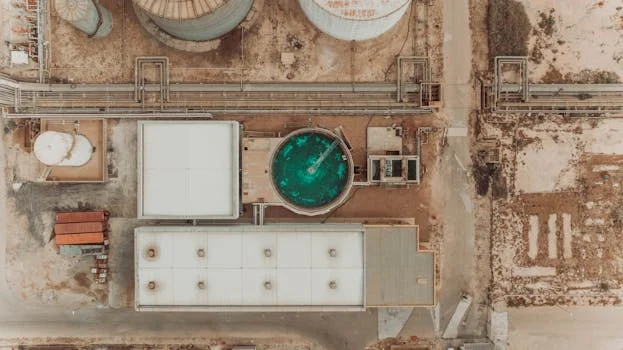
A packaged wastewater treatment plant is a pre-engineered, modular sewage works delivered as complete units or field-assembled blocks for sites without suitable municipal sewers. Units treat domestic or industrial wastewater to the limits written into the project ECA. Capacities are usually expressed in m³/day, and process trains commonly include activated sludge, SBR, or MBR. Ontario buyers use them for subdivisions, resorts, warehouses, and factories that need compliant discharge or reuse without a long collection network.
Do I need an MECP ECA for a package plant in Ontario?
Most sewage works that treat and discharge wastewater in Ontario require an Environmental Compliance Approval from MECP before construction or operation. According to Ontario.ca (2026), OWRA section 53 covers many sewage works, and owners must follow the limits and monitoring in their issued ECA. Some low-risk activities may fall under other permission paths, so confirm early with a qualified engineer and the local ministry district office. Plan for roughly a one-year review service standard on typical files.
What effluent limits should Ontario package plants target?
Ontario package plants should target the numeric limits in their own ECA, set for the receiving environment rather than one fixed provincial table. Many municipal-style approvals still use BOD or CBOD5 near 25 mg/L and TSS near 25–30 mg/L, with phosphorus often at or below 1 mg/L on sensitive waters. A 2024 MECP STP ECA lists CBOD5 25 mg/L, TSS 25 mg/L, and total phosphorus 1 mg/L as concentration limits.
What does a packaged sewage treatment plant cost in Ontario?
Packaged sewage treatment plant costs in Ontario typically run CAD $1,200–$3,500/m³/day CAPEX and CAD $0.15–$0.40/m³ OPEX at 2025 vendor benchmarks. Activated sludge is usually cheaper to buy; MBR costs more upfront and in energy but shrinks footprint and tightens solids. Remote logistics and freeze protection can raise both CAPEX and OPEX by roughly 10–20% versus southern urban sites. Ask suppliers for a site-specific OPEX model that includes winter heating and sludge haulage.
How should I choose between MBR, SBR, and activated sludge?
Choose MBR when the ECA demands very low TSS, pathogen control, reuse, or a small pad. Choose SBR when flow or load swings are large and batch flexibility matters more than minimum footprint. Choose activated sludge when limits are moderate and capital budget is the binding constraint. Overlay operator skill, winter access for membrane service, and sludge handling before locking the process. Revisit the comparison table with your peak-day flow and coldest-month mixed liquor temperature assumptions.