Zero Liquid Discharge (ZLD) systems for electronics wastewater eliminate liquid waste by treating and reusing 99.9% of wastewater, addressing stringent discharge regulations and water scarcity. For semiconductor fabs, ZLD systems must handle high-salinity streams (TDS > 10,000 mg/L), organic solvents (e.g., TMAH), and heavy metals (Cu, Ni, As) using thermal evaporation or membrane-based methods. A 2025 engineering blueprint reveals CapEx costs of $1.2–$3.5M for a 100 m³/h ZLD system, with OPEX ranging from $0.80–$2.50/m³, depending on the technology stack and influent composition.
Why Electronics Manufacturers Need Zero Liquid Discharge (ZLD) Systems in 2025
Environmental regulations for the electronics industry have tightened significantly, with EPA and EU standards now requiring copper concentrations below 0.5 mg/L and tetramethylammonium hydroxide (TMAH) levels under 1 mg/L for direct discharge. These stringent limits, combined with the rising cost of industrial water, make traditional "treat-and-discharge" models economically unviable. Semiconductor and PCB wastewater contains a complex cocktail of toxic contaminants, including fluoride, arsenic, and complexed heavy metals, which require advanced treatment to prevent catastrophic environmental impact and legal liability.
Global water scarcity currently impacts 4 billion people annually, according to 2024 UNICEF data, creating a precarious operational environment for electronics hubs in Taiwan, Singapore, and Arizona. In these regions, water security is no longer just a sustainability goal but a prerequisite for business continuity. Implementing zero liquid discharge (ZLD) allows facilities to insulate themselves from municipal water price hikes and supply volatility. By adopting a closed-loop recycling strategy, a plant can reduce its freshwater intake requirements by up to 90%.
The financial risk of non-compliance is substantial, with discharge fines in regions like California reaching up to $50,000 per month for persistent violations of local limit ordinances. ZLD eliminates these fines entirely by removing the discharge point from the facility's engineering diagram. Beyond risk mitigation, the recovery of high-purity water provides a direct offset to the operational costs of ultrapure water (UPW) plants, which are the lifeblood of semiconductor manufacturing.
Real-world performance data highlights the ROI of these systems. For instance, a 300 mm semiconductor fab in Taiwan successfully transitioned to a ZLD model, reducing its daily water consumption from 2,000 m³/day to just 200 m³/day. This implementation resulted in annual savings of $1.8M in combined water procurement and wastewater disposal costs, demonstrating that ZLD is a strategic financial asset rather than a mere compliance burden.
Electronics Wastewater Characteristics: What ZLD Systems Must Handle
Semiconductor and PCB manufacturing processes generate highly variable wastewater streams that demand specific pretreatment protocols before entering the ZLD concentration stages. Influent specifications for semiconductor facilities often feature Total Dissolved Solids (TDS) ranging from 5,000 to 50,000 mg/L and Chemical Oxygen Demand (COD) between 200 and 2,000 mg/L. A critical challenge in this sector is TMAH wastewater treatment for semiconductor fabs, as this organic developer is both toxic to biological systems and resistant to standard oxidation.
PCB manufacturing introduces additional complexities, such as high concentrations of copper (50–500 mg/L) and nickel (10–100 mg/L), often in chelated forms that prevent simple precipitation. Chemical Mechanical Planarization (CMP) processes produce slurry wastewater laden with abrasive silica or alumina nanoparticles (1,000–5,000 mg/L) and various surfactants. Without specialized CMP wastewater treatment for ZLD systems, these particulates will cause rapid fouling of membranes and scale formation in thermal evaporators.
The following table outlines the typical contaminant profiles and the required treatment methods to achieve ZLD-ready influent quality:
| Contaminant | Typical Concentration | EPA/EU Discharge Limit | ZLD Treatment Method |
|---|---|---|---|
| TDS (Total Dissolved Solids) | 5,000–50,000 mg/L | 500–1,000 mg/L | RO + Thermal Evaporation |
| TMAH | 50–500 mg/L | < 1 mg/L | Advanced Oxidation / Ion Exchange |
| Fluoride | 20–200 mg/L | < 10 mg/L | Calcium Precipitation / Activated Alumina |
| Copper (Cu) | 50–500 mg/L | < 0.5 mg/L | heavy metal removal in electronics wastewater |
| Silica (from CMP) | 1,000–5,000 mg/L | N/A (Fouling Concern) | DAF / High-Efficiency Sedimentation |
To manage these loads, engineers often deploy DAF systems for electronics wastewater pretreatment to remove suspended solids and oils, followed by specialized clarifiers to handle the high-density sludge generated during metal precipitation. Ensuring these levels are managed upstream is vital for the longevity of the downstream ZLD components.
Zero Liquid Discharge Methods for Electronics Wastewater: Thermal vs. Membrane-Based Systems
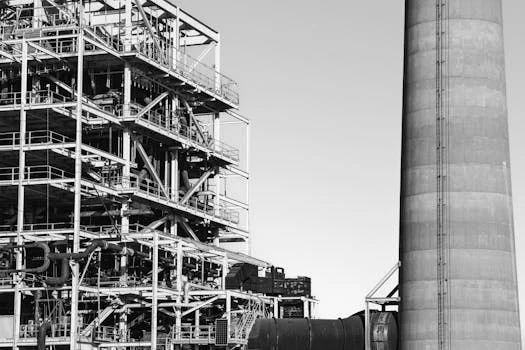
The selection between thermal and membrane-based ZLD systems is primarily driven by the influent TDS concentration and the available energy budget of the facility. Thermal ZLD, utilizing technologies such as Mechanical Vapor Compression (MVC) or Multi-Effect Distillation (MED), remains the gold standard for high-salinity streams exceeding 50,000 mg/L. These systems achieve a 99.9% recovery rate by boiling off water and leaving behind solid salts, though they are energy-intensive, typically consuming 25–40 kWh/m³ of treated water (HydropureWater field data, 2025).
Membrane-based ZLD systems offer a more energy-efficient alternative for moderately saline streams. By utilizing RO systems for ZLD pre-concentration, facilities can achieve significant volume reduction with energy consumption as low as 5–15 kWh/m³. However, RO is physically limited by osmotic pressure, typically capping out at a TDS of 30,000 mg/L. In electronics applications, membranes are also susceptible to organic fouling from solvents and scaling from residual silica, necessitating robust chemical cleaning regimens.
Crystallization serves as the final stage in a thermal ZLD circuit. A forced-circulation crystallizer takes the concentrated brine from the evaporator and pushes it beyond the saturation point, producing dry salt cakes. While the CapEx for a 100 m³/h crystallization unit can range from $500K to $1.5M, it is the only method that truly achieves "zero" liquid discharge by converting the final waste stream into a solid byproduct suitable for landfilling or industrial salt recovery.
Hybrid ZLD systems represent the most common configuration in modern semiconductor fabs. This approach uses RO to concentrate the wastewater to approximately 20,000–30,000 mg/L TDS, followed by a thermal evaporator to reach the final 200,000 mg/L threshold. This hybrid model optimizes the balance between the lower CapEx of membrane systems and the high-recovery capabilities of thermal hardware.
| Method | Energy Use (kWh/m³) | TDS Limit (mg/L) | Recovery Rate | CapEx ($/m³/h) | OPEX ($/m³) | Best For |
|---|---|---|---|---|---|---|
| Thermal (MVC) | 25–40 | No Limit | 99.9% | $30,000–$45,000 | $2.00–$4.00 | High-salinity brine |
| Membrane (RO) | 5–15 | < 30,000 | 75–85% | $12,000–$18,000 | $0.50–$1.20 | Pre-concentration |
| Hybrid | 15–30 | No Limit | 99.9% | $22,000–$35,000 | $1.20–$2.50 | Balanced efficiency |
Engineering Process Flow for Electronics Wastewater ZLD Systems
A high-performance ZLD system for electronics wastewater follows a modular, multi-stage process designed to protect sensitive equipment while maximizing water recovery. The process begins with aggressive pretreatment, where Dissolved Air Flotation (DAF) or high-efficiency clarifiers remove over 95% of Total Suspended Solids (TSS) and emulsified oils. During this stage, chemical dosing systems introduce coagulants and polymers to precipitate heavy metals and neutralize pH, ensuring the influent is chemically stable for the membrane stages.
The primary concentration stage typically employs high-pressure RO or electrodialysis reversal (EDR). This stage reduces the total wastewater volume by 70–80%, producing a high-quality permeate that can be sent to the facility's cooling towers or scrubbers. The concentrate, now at 20,000–30,000 mg/L TDS, moves to the secondary concentration stage. Here, a thermal evaporator (such as an MVC unit) further concentrates the brine, reaching levels of 200,000 mg/L TDS and achieving a cumulative recovery rate of 95% or higher.
The final stage is crystallization, where the remaining brine is processed into a solid salt cake with a moisture content of less than 10%. This dry byproduct is often managed using filter presses for ZLD sludge dewatering, which facilitate easy handling and disposal. For electronics manufacturers looking to reuse water in ultrapure water (UPW) systems, a final condensate polishing step is required. This involves ion exchange or UV oxidation to remove trace ammonia, boron, or volatile organics that may have carried over during the evaporation process.
The process flow diagram for a standard 100 m³/h system is as follows: Influent (TDS 5,000 mg/L) → Pretreatment (DAF + Softening) → Primary RO (Permeate to Reuse) → Secondary MVC Evaporator → Crystallizer → Filter Press (Solid Waste) → Polished Condensate (to UPW Plant). This sequence ensures that every drop of water is accounted for and every contaminant is safely sequestered.
Cost Breakdown for Electronics Wastewater ZLD Systems: CapEx, OPEX, and ROI
Capital expenditure (CapEx) for a ZLD system in the electronics sector is highly dependent on the level of thermal integration required. A 100 m³/h membrane-centric system may cost approximately $1.2M, whereas a full thermal-crystallization suite can reach $3.5M. These figures typically include the core equipment, PLC-based automation systems, internal piping, and initial commissioning. Engineering and site preparation often add an additional 15–20% to the base equipment cost.
Operating expenditure (OPEX) is dominated by energy consumption, particularly in thermal systems. However, other factors such as chemical consumption (antiscalants, acids, and bases), membrane replacement cycles (typically every 2–3 years), and labor for maintenance and monitoring must be factored into the lifecycle cost. For a well-optimized hybrid system, OPEX generally falls between $0.80 and $2.50 per cubic meter of water treated.
| System Size (m³/h) | CapEx ($) | OPEX ($/m³) | Payback Period (Years) | Notes |
|---|---|---|---|---|
| 25 m³/h | $450K–$800K | $1.50–$3.00 | 5–8 | Small PCB/Assembly shops |
| 100 m³/h | $1.2M–$3.5M | $0.80–$2.50 | 3–6 | Standard Semiconductor Fab |
| 250 m³/h | $4.0M–$8.5M | $0.60–$1.80 | 2.5–5 | Large-scale Foundry |
ROI calculations for ZLD systems should account for three primary revenue/saving streams: the reduction in freshwater purchase costs, the elimination of wastewater discharge and sewer fees, and the potential recovery of valuable byproducts. In some electronics applications, ZLD systems can recover copper sulfate or caustic soda, which can be sold or reused internally. A case study of a 50 m³/h ZLD system in Singapore showed annual savings of $800K, leading to a full payback in just 4.2 years (HydropureWater field data, 2025).
Selecting the Right ZLD System for Your Electronics Wastewater: A Decision Framework
Choosing the optimal ZLD technology requires a systematic evaluation of wastewater chemistry and facility goals. The first step is a comprehensive laboratory analysis of the raw wastewater, specifically looking for "membrane killers" like silica, free chlorine, and high-molecular-weight organics. If TDS levels are consistently above 30,000 mg/L, thermal evaporation should be the primary focus of the design. If TDS is lower, a membrane-first approach will significantly reduce energy costs.
The second step involves defining recovery goals. While 99.9% recovery is the definition of ZLD, some facilities may find that "Near Zero Liquid Discharge" (95-98% recovery) offers a better balance of CapEx and utility. Step three requires an assessment of local energy prices; if electricity is expensive but waste heat from the fab is available, a multi-effect distillation system may be more cost-effective than an MVC system. Finally, the facility must decide on the end-use of the recovered water—cooling tower make-up requires less polishing than feedwater for a UPW system.
The decision logic follows this path: Analyze TDS/COD → Identify Fouling Agents → Determine Recovery Target → Evaluate Energy Costs → Select Technology (Membrane vs. Thermal vs. Hybrid) → Pilot Testing. Pilot testing a 1 m³/h slipstream is highly recommended for at least 30 days to validate membrane flux rates and evaporation efficiency before committing to a full-scale deployment.
Frequently Asked Questions About Electronics Wastewater Zero Liquid Discharge
Q: Can ZLD systems handle high-silica wastewater from CMP processes?
A: Yes, but pretreatment is mandatory. Silica must be reduced to below 100 mg/L using DAF or high-efficiency sedimentation tanks with specific coagulants before entering membrane systems. Thermal ZLD can handle higher silica loads (up to 500 mg/L), but this increases the frequency of evaporator descaling operations.
Q: How does ZLD handle TMAH, which is notoriously difficult to remove?
A: TMAH is typically addressed in the pretreatment phase through advanced oxidation processes (AOP) like Fenton’s reagent or ozone/UV. Once the TMAH molecules are broken down into simpler nitrogen compounds, the resulting salts are easily concentrated by the RO and thermal stages of the ZLD system.
Q: What is the footprint requirement for a 100 m³/h ZLD system?
A: A typical 100 m³/h ZLD system, including pretreatment, RO, MVC, and crystallization, requires approximately 400 to 600 square meters of floor space. Modular, skid-mounted designs can reduce this footprint by 20% through vertical stacking of components.
Q: Is the solid waste from a ZLD system considered hazardous?
A: In the electronics industry, the resulting salt cake often contains concentrated heavy metals (Cu, Ni, As), which usually classifies it as hazardous waste. However, because the waste is a dry solid rather than a liquid, disposal costs are significantly lower, and the volume is reduced by over 95% compared to liquid sludge.