Microelectronics CMP Wastewater Treatment: 2025 Engineering Blueprint with 99.9% Recovery & Zero Liquid Discharge Costs
Microelectronics chemical mechanical polishing (CMP) wastewater treatment requires specialized systems to handle high loads of silica, alumina, and heavy metals (e.g., Cu ≤ 0.5 mg/L, Ni ≤ 0.1 mg/L per EPA 40 CFR Part 469). Advanced systems combine dissolved air flotation (DAF) for TSS removal (92–97% efficiency), membrane bioreactors (MBR) for organic degradation (COD ≤ 50 mg/L), and reverse osmosis (RO) for water reuse (95% recovery). Zero liquid discharge (ZLD) systems further reduce disposal costs by 30–50% through sludge dewatering and salt crystallization. This guide provides 2025 engineering specs, cost breakdowns, and compliance strategies for semiconductor fabs.
Why CMP Wastewater Treatment is a Critical Challenge for Semiconductor Fabs
CMP wastewater accounts for 30–40% of a semiconductor fab’s total effluent volume, with disposal costs often exceeding $15/m³ in high-regulation zones like the EU or China.
The technical challenge lies in the sub-micron nature of the contaminants. Slurry particles, typically ranging from 50–250 nm, and dissolved heavy metals like copper (Cu ≤ 50 mg/L) and nickel (Ni ≤ 10 mg/L) frequently exceed the limits set by EPA 40 CFR Part 469 and China GB 31573-2015. Non-compliance can result in fines reaching $25,000 per day and potential operational shutdowns. The presence of these nano-particles poses a severe risk to downstream equipment; if not removed effectively, they cause rapid fouling of reverse osmosis membranes, leading to unplanned downtime and high replacement costs.
A 200 mm fab in Taiwan recently demonstrated the economic viability of advanced treatment by implementing a ZLD system focused on sludge dewatering and salt crystallization. By recovering abrasive particles and recycling process water, the facility reduced its total wastewater disposal costs by 40% (HydropureWater field data, 2025). This case study highlights that while the environmental risks—such as heavy metal accumulation in municipal sludge—are high, the opportunity for resource recovery provides a compelling ROI for EHS managers and procurement teams.
CMP Wastewater Composition: What’s in Your Effluent?
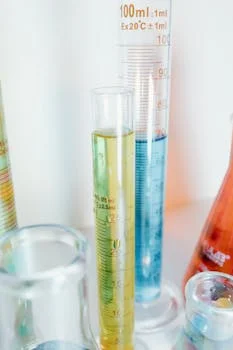
Typical CMP wastewater effluent contains abrasive particles ranging from 50 to 250 nm and heavy metal concentrations reaching 50 mg/L for copper and 20 mg/L for nickel. Understanding the specific chemical makeup of this stream is the first step in designing an effective treatment train. CMP wastewater generally falls into three contaminant categories: abrasive solids (silica, alumina, or ceria), heavy metals (Cu, Ni, Cr, W), and organic additives including surfactants and chelating agents used to stabilize the slurry.
The stability of these contaminants is governed by the Zeta potential, which typically ranges from -30 to +30 mV. When the Zeta potential is within this range, particles remain suspended and resist traditional settling, making standard clarifiers ineffective. Effective treatment requires destabilizing these particles through chemical coagulation and flocculation; the pH of CMP influent can fluctuate wildly between 2 and 11 depending on the specific polishing step (e.g., oxide vs. metal polishing), necessitating robust automated pH adjustment systems to prevent process upsets.
| Parameter | Typical Influent Concentration | Target Effluent (Reuse Standard) | Removal Mechanism |
|---|---|---|---|
| Total Suspended Solids (TSS) | 500 – 2,000 mg/L | < 1 mg/L | Coagulation + DAF + MBR |
| Chemical Oxygen Demand (COD) | 300 – 1,500 mg/L | < 50 mg/L | Biological Degradation (MBR) |
| Copper (Cu) | 10 – 50 mg/L | < 0.3 mg/L | Precipitation + Ion Exchange |
| Nickel (Ni) | 5 – 20 mg/L | < 0.1 mg/L | Chelating Precipitation |
| Zeta Potential | -30 to +30 mV | Neutralized | Chemical Coagulation |
| Total Dissolved Solids (TDS) | 1,000 – 3,000 mg/L | < 50 mg/L | Reverse Osmosis (RO) |
The composition is further influenced by the polishing pad material and the specific slurry type. For instance, tungsten (W) polishing generates a wastewater stream with distinct oxidant residuals that require specialized pre-reduction before biological treatment. Engineers must account for these variations to ensure the treatment system can handle the peak loading of the fab's most aggressive polishing cycles.
Step-by-Step CMP Wastewater Treatment Process: From Influent to Reuse
A multi-stage CMP wastewater treatment train utilizing DAF, MBR, and RO can achieve up to 95% water recovery while reducing TSS by 99.9%. The following engineering process flow outlines the standard 2025 configuration for semiconductor facilities seeking both compliance and resource recovery.
Step 1: Pretreatment via Dissolved Air Flotation (DAF)
The process begins with chemical conditioning where coagulants (e.g., PAC) and flocculants (PAM) are added to destabilize the nano-silica particles. Using high-efficiency DAF systems for CMP wastewater pretreatment, the system introduces micro-bubbles that attach to the flocs, floating them to the surface for removal. This stage typically achieves 92–97% TSS removal and 70–80% heavy metal reduction. Engineering specs for DAF in CMP applications usually require a surface loading rate of 4–8 m/h to ensure stable performance despite influent fluctuations.
Step 2: Organic Degradation and Biosorption (MBR)
Remaining dissolved organics, such as surfactants and complexing agents, are treated in a Membrane Bioreactor. We utilize MBR systems for CMP wastewater organic degradation and biosorption to achieve COD removal rates of 90–95%. The MBR’s ultrafiltration membrane acts as a secondary barrier, ensuring that no abrasive particles or biomass escape into the downstream RO system. Standard design parameters include a membrane flux of 15–25 LMH (liters per square meter per hour) to prevent premature fouling from residual slurry components.
Step 3: Advanced Desalination and Reuse (RO)
To reach reuse standards for cooling towers or non-critical CMP rinse steps, the water passes through reverse osmosis. Specialized RO systems for CMP wastewater reuse and ZLD applications remove 99% of dissolved salts and remaining trace metals. For fabs targeting 95% recovery, a multi-stage RO or Vibratory Shear Enhanced Process (VSEP) is often employed. For specific heavy metal polishing streams, engineers should integrate copper-specific CMP wastewater treatment strategies or nickel removal techniques for CMP wastewater to ensure the RO permeate meets ASTM D5127 standards.
Step 4: Sludge Dewatering and Solid Recovery
The final step involves managing the concentrated solids from the DAF and MBR stages. High-pressure filter presses for CMP sludge dewatering and abrasive particle recovery reduce sludge volume by 70–80%. This not only lowers disposal costs but also allows for the potential recovery of expensive abrasive materials like ceria. For detailed optimization of this stage, refer to our guide on sludge dewatering process optimization for CMP wastewater.
ZLD vs. Water Reuse for CMP Wastewater: Cost, Efficiency, and Compliance Compared
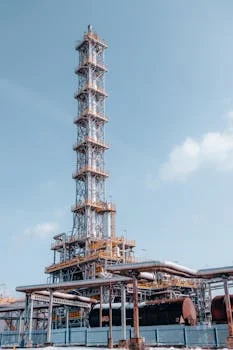
Zero liquid discharge (ZLD) systems for CMP wastewater require a capital investment of $2M–$5M per 100 m³/h capacity, roughly 1.5 to 2 times the cost of standard water reuse systems. While the initial CapEx is higher, ZLD eliminates the risk of discharge permit violations and minimizes the environmental footprint of the fab. In regions where water scarcity is acute or discharge limits for TDS are strictly enforced, ZLD is often the only viable long-term solution.
Water reuse systems, typically comprising DAF, MBR, and RO, offer a more attractive ROI for fabs with access to municipal sewer systems. These systems focus on recovering 90–95% of process water, which is then cycled back into cooling towers or scrubbers. The OpEx for water reuse is significantly lower ($0.30–$0.80/m³) compared to ZLD ($0.80–$1.50/m³), as it avoids the massive energy consumption associated with thermal evaporators and crystallizers (HydropureWater field data, 2025).
| Feature | Standard Water Reuse (DAF+MBR+RO) | Zero Liquid Discharge (ZLD) |
|---|---|---|
| Water Recovery Rate | 90 – 95% | 99% + |
| CapEx (per 100 m³/h) | $1M – $3M | $2M – $5M |
| OpEx (per m³) | $0.30 – $0.80 | $0.80 – $1.50 |
| Primary Benefit | Low OpEx; High ROI | Zero discharge risk; Total compliance |
| Byproduct Management | Concentrated liquid brine | Solid salt cake (hazardous waste) |
| Payback Period | 2 – 3 Years | 3 – 5 Years |
The decision between ZLD and water reuse often hinges on local disposal costs. If local hazardous waste liquid disposal exceeds $10/m³, the payback period for a ZLD system drops below three years, making it the preferred choice for procurement teams. Conversely, in areas with lower disposal costs, a high-efficiency water reuse system provides the best balance of compliance and cost-efficiency.
Compliance Checklist: Meeting EPA, China GB, and EU Standards for CMP Wastewater
Compliance with EPA 40 CFR Part 469 requires semiconductor manufacturers to maintain copper discharge levels below 0.5 mg/L and nickel below 0.1 mg/L.
To ensure continuous compliance, the treatment system must include real-time monitoring for pH, turbidity (as a proxy for TSS), and conductivity. Quarterly or monthly testing for heavy metals via ICP-MS is standard practice to validate the performance of ion exchange or precipitation stages. Documentation is equally critical; fabs must maintain detailed logs of chemical dosing, membrane cleaning cycles, and sludge disposal manifests to satisfy regulatory audits.
| Regulating Body | Copper (Cu) Limit | Nickel (Ni) Limit | TSS Limit | COD Limit |
|---|---|---|---|---|
| EPA 40 CFR Part 469 | 0.5 mg/L | 0.1 mg/L | 20 mg/L | <