Why Nickel in Microelectronics Wastewater Demands Specialized Treatment
Microelectronics facilities face increasing pressure to treat nickel-laden wastewater to meet stringent EPA discharge limits, typically 0.2 mg/L, and achieve Zero Liquid Discharge (ZLD) compliance. Nickel, a qualitative contaminant in semiconductor wastewater, can range from 1–500 mg/L and poses significant environmental and health risks, being highly toxic to aquatic life. Semiconductor fabrication processes, including electroplating, etching, and chemical mechanical polishing (CMP), are primary sources of this nickel contamination. This wastewater often contains a complex mix of other challenging pollutants such as fluoride (10–100 mg/L) and tetramethylammonium hydroxide (TMAH) (50–200 mg/L), necessitating a multi-faceted treatment approach. Generic industrial wastewater treatment systems are frequently inadequate for achieving the required removal efficiencies for nickel and these co-contaminants. For instance, a semiconductor fab in Taiwan incurred $2.1 million in fines in 2023 due to nickel discharge violations, underscoring the severe financial repercussions of non-compliance. Meeting both current EPA nickel discharge limits and future ZLD mandates requires specialized engineering and advanced treatment technologies.
Nickel Wastewater Treatment Technologies: Efficiency, Footprint, and Chemical Usage Compared
Selecting the appropriate technology for nickel removal from microelectronics wastewater is critical, balancing removal efficiency, operational costs, and physical footprint. Chemical precipitation, often using hydroxide or sulfide compounds, is a common first step, capable of achieving 90–95% nickel removal. However, this method generates significant volumes of hazardous sludge, with disposal costs ranging from $200–$500 per ton, presenting a substantial operational expense. For higher removal efficiencies, ion exchange resins, particularly chelating resins, can achieve 99.9% nickel removal. The primary drawback is the need for frequent regeneration cycles, incurring chemical costs of $0.50–$1.20 per cubic meter of treated water. Nickel ferrite (NF) technology presents a sustainable alternative, also achieving 99.9% nickel removal. Its key advantage lies in magnetic recovery and reusability of the ferrite material, which a 2024 Sciencedirect study indicated can reduce sludge volume by up to 60% and significantly lower disposal costs compared to traditional methods. Electrochemical methods, such as electrocoagulation, offer 95–98% nickel removal with minimal chemical input but come with higher energy demands, typically $0.30–$0.80 per kWh. Membrane filtration, including Nanofiltration (NF) and Reverse Osmosis (RO), can achieve over 99% nickel removal but necessitates robust pretreatment to prevent membrane fouling. Effective pretreatment, which may involve precise chemical dosing for pH adjustment and coagulation, is essential for the longevity and efficiency of membrane systems. The integration of a precise automatic chemical dosing system is crucial for optimizing coagulant and pH adjustment steps in any precipitation-based treatment.
| Technology | Nickel Removal Efficiency | Estimated CAPEX (Relative) | Estimated OPEX ($/m³) | Footprint (Relative) | Sludge Generation (Relative) | Chemical Usage |
|---|---|---|---|---|---|---|
| Chemical Precipitation (Hydroxide/Sulfide) | 90–95% | Low | $0.50–$1.50 | Medium | High | High |
| Ion Exchange Resins | 99.9% | Medium | $0.70–$2.00 | Small | Low (Spent Resin) | Medium (Regenerant) |
| Nickel Ferrite (NF) | 99.9% | Medium-High | $0.40–$1.20 | Small-Medium | Very Low (Reusable) | Low |
| Electrochemical Methods (Electrocoagulation) | 95–98% | Medium-High | $0.80–$2.50 (Energy Intensive) | Medium | Medium | Very Low |
| Membrane Filtration (NF/RO) | 99%+ (Post-Pretreatment) | High | $0.30–$1.00 (Excluding Pretreatment) | Small | Very Low (Concentrate) | Low (Cleaning) |
Hybrid System Design for 99.9% Nickel Removal and Zero Liquid Discharge (ZLD)
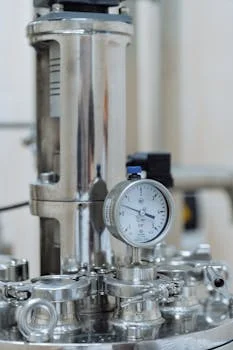
Achieving 99.9% nickel removal and ZLD in microelectronics wastewater requires a carefully engineered hybrid system that integrates multiple treatment stages.
The process typically begins with pretreatment to remove bulk contaminants and protect downstream processes. This may involve chemical precipitation to remove fluoride and other heavy metals, followed by dissolved air flotation (DAF) for high-efficiency total suspended solids (TSS) removal, achieving up to 90% TSS reduction. A dissolved air flotation (DAF) system is ideal for this purpose. The primary nickel removal stage often employs Nickel Ferrite (NF) technology or advanced ion exchange resins, targeting the 99.9% efficiency threshold. For NF, this involves controlled chemical addition and magnetic separation of the nickel-adsorbed ferrite particles. Ion exchange systems require periodic regeneration cycles, typically every 100–500 bed volumes, using appropriate chemical eluents. Following primary treatment, membrane filtration, specifically Nanofiltration (NF) or Reverse Osmosis (RO), serves as the final polishing step. This stage achieves residual nickel concentrations below the 0.2 mg/L EPA limit and enables significant water reuse, often exceeding 90%, as specified in 2025 Hydropure system designs. A reverse osmosis (RO) water purification system is essential for this final polishing and water recovery. Sludge management is a critical component of ZLD. Dewatering via a plate and frame filter press can achieve up to 95% solids capture, reducing sludge volume for disposal or potential recycling. Nickel ferrite sludge, for example, can be repurposed for use in ceramics. For true ZLD, the concentrated brine from membrane filtration requires further treatment through evaporation and crystallization, with associated costs ranging from $5–$12 per cubic meter treated and CAPEX for these units typically between $1.5M–$4M. Key process parameters for a hybrid system include pH ranges for precipitation (8–10), residence times in precipitation tanks (30–60 minutes), regeneration cycles for ion exchange (based on breakthrough monitoring), and operating pressures for NF/RO membranes (40–100 bar).Cost Breakdown: CAPEX, OPEX, and ROI for Nickel Wastewater Treatment Systems
The capital expenditure (CAPEX) for comprehensive nickel wastewater treatment systems in microelectronics fabs can range from $500,000 to $4 million, heavily influenced by the facility's size (handling 50–500 m³/h) and the chosen technology stack, with hybrid systems generally commanding higher upfront investment. Operational expenditure (OPEX) typically breaks down into chemical costs ($0.30–$1.50/m³), energy consumption ($0.10–$0.50/m³), sludge disposal ($0.20–$0.80/m³), and labor ($0.10–$0.30/m³). Nickel Ferrite (NF) systems demonstrate a significant OPEX advantage, potentially reducing costs by 30–40% compared to traditional chemical precipitation due to substantially lower sludge disposal expenses and the reuse of the ferrite material. A well-designed 200 m³/h system capable of 99.9% nickel removal and 90% water reuse can achieve a return on investment (ROI) within 3–5 years. This ROI is driven by a combination of factors: avoiding substantial fines for discharge violations, significant savings on freshwater procurement through water reuse, and reduced costs associated with hazardous sludge management. For instance, a system utilizing advanced ion exchange for nickel removal, coupled with RO for water recovery, might present a different CAPEX/OPEX profile compared to a chemical precipitation followed by NF/RO approach. Optimizing chemical usage, as facilitated by an advanced coagulant dosing system, is also key to managing OPEX.
| System Type | Estimated CAPEX Range | Estimated OPEX Range ($/m³) | Key OPEX Drivers |
|---|---|---|---|
| Chemical Precipitation Only | $500K – $1.5M | $0.50 – $1.50 | Chemicals, Sludge Disposal |
| Ion Exchange (Primary) + RO (Polishing) | $1.0M – $3.0M | $0.70 – $2.00 | Resin Replacement, Regenerant Chemicals, Energy |
| Nickel Ferrite (Primary) + RO (Polishing) | $1.5M – $3.5M | $0.40 – $1.20 | Energy, Minimal Chemical Inputs, Low Sludge Costs |
| Hybrid (Precipitation + NF/RO + Evap/Crystallization for ZLD) | $2.0M – $4.0M+ | $5.00 – $12.00 (Including ZLD) | Energy (Evaporation), Membrane Replacement, Chemicals |
Compliance Checklist: Meeting EPA, EU, and China GB Nickel Discharge Limits
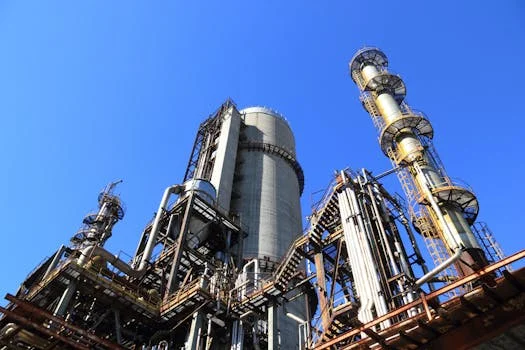
Ensuring compliance with global nickel discharge regulations requires a systematic approach to wastewater treatment. The U.S. Environmental Protection Agency (EPA) mandates a nickel discharge limit of 0.2 mg/L for semiconductor fabs under 40 CFR Part 469.
In the European Union, the Water Framework Directive sets a stricter limit of 0.05 mg/L for sensitive areas, such as those impacting drinking water sources. China's GB 8978-2024 standard specifies a 0.5 mg/L limit for nickel in industrial wastewater, with even more stringent requirements for protected zones. To meet these varied regulations, several key steps are essential. First, a thorough characterization of the wastewater is paramount, accurately determining nickel concentrations and the presence of co-contaminants like fluoride and TMAH. This data informs the selection of an appropriate technology stack capable of achieving the required removal efficiencies. Continuous monitoring is crucial; installing online nickel analyzers provides real-time data, allowing for immediate adjustments to treatment processes and preventing potential violations. Documenting pretreatment protocols, chemical dosages, and sludge disposal practices ensures transparency and accountability. Adherence to these steps, including advanced recovery techniques like those discussed for ZLD process design for PCB wastewater with heavy metal recovery, is vital for long-term regulatory compliance and environmental stewardship. Similar considerations for heavy metal removal technologies for electroplating wastewater are applicable.| Regulatory Body / Region | Nickel Discharge Limit (mg/L) | Required Removal Efficiency (Typical) | Recommended Monitoring Equipment |
|---|---|---|---|
| EPA (USA) | 0.2 | 95%+ (from typical fab concentrations) | Online Nickel Analyzer, ICP-OES (Lab) |
| EU Water Framework Directive (Sensitive Areas) |
Get a Free Quote — Tell Us About Your Project
Contact Us
|