Semiconductor High-Salinity Wastewater Treatment: 2025 Engineering Specs, ZLD Costs & Hybrid System Design
Semiconductor high-salinity wastewater (TDS > 50,000 mg/L, conductivity > 70 mS/cm) requires hybrid treatment systems to meet Zero Liquid Discharge (ZLD) targets. In 2025, forward osmosis (FO) combined with multi-stage nanofiltration (NF) achieves 95%+ water recovery while removing HF and H₂SO₄ to <1 mg/L. For fabs in China and Taiwan, ZLD systems cost $0.85–$2.10/m³ (CAPEX: $1.2M–$4.5M for 100 m³/h), with payback periods of 3–5 years via water reuse savings. Key technologies include Saltworks’ XtremeUF (99% TSS removal) and BrineRefine (softening for RO protection).
Why High-Salinity Wastewater is the Toughest Challenge for Semiconductor Fabs
High-salinity wastewater streams in semiconductor fabs, ranging from 50,000 to 150,000 mg/L TDS, account for 30–40% of total fab wastewater volume and pose significant treatment challenges. These streams originate primarily from chemical mechanical planarization (CMP) slurry rinse, scrubber blowdown, and cooling tower cycles (per 2024 TSMC sustainability reports). The high conductivity, often exceeding 70 mS/cm, severely corrodes conventional reverse osmosis (RO) membranes, reducing their operational lifespan by up to 60% (Saltworks data). This necessitates specialized materials and pretreatment beyond standard industrial wastewater protocols.
Global discharge limits for total dissolved solids (TDS) are increasingly stringent, creating a critical need for advanced high-TDS wastewater treatment. China’s GB 31573-2015 mandates TDS levels below 1,600 mg/L for semiconductor industry discharge, while Taiwan’s EPA sets a limit of <2,000 mg/L. The EU’s Industrial Emissions Directive (IED 2010/75/EU) applies case-by-case limits, often favoring Best Available Techniques (BAT) like ZLD for high-salinity streams. In the U.S., EPA NPDES permits typically require TDS below 500 mg/L for direct discharge. Failure to comply can lead to severe consequences, as seen with fab shutdowns in Taiwan in 2023 due to TDS violations and $2.3 million fines issued in Singapore in 2024 for non-compliant brine discharge. These real-world impacts underscore the urgency for semiconductor brine management solutions that ensure compliance and enable water reuse.
Hybrid FO-NF Systems: Engineering Specs for Simultaneous HF and H₂SO₄ Removal
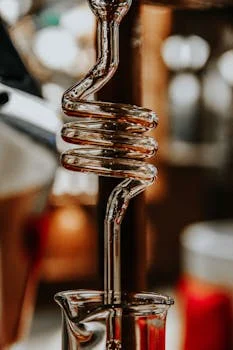
Hybrid Forward Osmosis (FO) and Nanofiltration (NF) systems achieve over 95% water recovery in semiconductor high-salinity wastewater by simultaneously removing hydrofluoric acid (HF) and sulfuric acid (H₂SO₄). This membrane-based approach offers a robust alternative to energy-intensive evaporative technologies for streams with high concentrations of problematic ions. The process begins with Stage 1, where FO technology concentrates the wastewater, increasing TDS from initial levels (e.g., 50,000 mg/L) to approximately 120,000 mg/L. This initial concentration step significantly reduces the volume requiring further treatment, while the FO membrane's low fouling propensity is advantageous for complex industrial effluents.
Following FO, a two-stage NF system is deployed. Stage 2 nanofiltration specifically targets problematic ions. The first NF stage focuses on H₂SO₄ removal, achieving concentrations below 5 mg/L, while the second NF stage is optimized for HF removal, reducing its concentration to less than 1 mg/L (ScienceDirect data). This staged approach ensures high selectivity and efficiency for specific contaminants. Typical membrane flux rates for FO range from 12–18 LMH (liters per square meter per hour), and for NF, they are higher at 20–25 LMH, both at an operating temperature of 25°C. Energy consumption for these membrane processes is significantly lower than thermal methods, with FO consuming 0.3–0.5 kWh/m³ and NF requiring 0.8–1.2 kWh/m³, compared to 15–20 kWh/m³ for mechanical vapor recompression (MVR) evaporators.
Fouling mitigation is critical for maintaining membrane performance. This involves precise pH adjustment, typically to 3–5 for HF-rich streams and around 1 M for H₂SO₄ streams, alongside continuous antiscalant dosing at 1–3 mg/L. Chemical cleaning-in-place (CIP) is performed every 72–96 hours to remove accumulated foulants. While highly effective for inorganic contaminants, FO-NF systems have limitations; they may struggle with high concentrations of organics (COD > 500 mg/L) and require robust pretreatment, such as a high-efficiency DAF system for CMP wastewater pretreatment, to handle suspended solids and colloids effectively.
| Parameter | Forward Osmosis (FO) | Nanofiltration (NF) |
|---|---|---|
| TDS Input Range | 50,000 – 150,000 mg/L | 50,000 – 120,000 mg/L (post-FO) |
| Concentration Factor | Up to 2.5x | Up to 1.5x (per stage) |
| Membrane Flux (25°C) | 12 – 18 LMH | 20 – 25 LMH |
| Energy Consumption | 0.3 – 0.5 kWh/m³ | 0.8 – 1.2 kWh/m³ |
| HF Removal Efficiency | Minimal (concentration only) | >99% (to <1 mg/L) |
| H₂SO₄ Removal Efficiency | Minimal (concentration only) | >99% (to <5 mg/L) |
| Operating pH Range | 4 – 9 | 3 – 5 (HF), 1 M (H₂SO₄) |
| Typical Water Recovery | 60 – 75% | 80 – 90% (per stage) |
Modular ZLD Systems: Cost Breakdown, Recovery Rates, and Equipment Selection
Modular Zero Liquid Discharge (ZLD) systems for semiconductor fabs typically achieve 90–95% water recovery and incur CAPEX between $1.2M and $4.5M for a 100 m³/h capacity. These systems are designed to eliminate liquid waste discharge entirely, maximizing water reuse and minimizing environmental impact. A comprehensive ZLD system integrates several specialized components to manage diverse wastewater streams and achieve ultra-high recovery. Key components include XtremeUF for effective solids removal, achieving 99% TSS removal in challenging fab effluents, and BrineRefine for critical softening, which protects downstream membrane systems like reverse osmosis from scaling.
Following pretreatment, high-recovery RO systems such as XtremeRO achieve 85% water recovery, pushing the concentration limits of conventional RO. The final stage for ZLD involves thermal separation, often using a SaltMaker MVR evaporator/crystallizer, which further concentrates the remaining brine into a solid salt cake for disposal. For a 100 m³/h ZLD system, the CAPEX typically ranges from $1.2M to $4.5M, depending on the complexity of the wastewater and the required level of automation (Saltworks data). Operational expenditure (OPEX) ranges from $0.85–$2.10/m³, covering energy, chemicals (e.g., for PLC-controlled chemical dosing for pH adjustment and antiscalant addition), and membrane replacement costs.
While ZLD systems target 90–95% recovery, Minimum Liquid Discharge (MLD) systems typically achieve 70–80% recovery, representing a trade-off. ZLD eliminates all liquid discharge but increases CAPEX by approximately 40% compared to MLD. HydropureWater’s modular designs, often featuring off-site construction and 12-week delivery timelines, streamline deployment. Automated PLC control systems further reduce operator labor by up to 30%, optimizing operational efficiency. For instance, the TSMC 5 nm fab in Arizona (2024) successfully implemented a ZLD system, achieving 93% water reuse and realizing annual water cost savings of $1.8M. For sludge dewatering from crystallizers, a robust filter press can be integrated.
| Component/Metric | Description | Typical Performance/Cost (100 m³/h system) |
|---|---|---|
| XtremeUF | Ultrafiltration for TSS and colloid removal | 99% TSS removal, <0.1 NTU effluent |
| BrineRefine | Pretreatment for hardness and silica removal | Ca/Mg <1 mg/L, SiO₂ <5 mg/L |
| XtremeRO | High-recovery reverse osmosis for water reclamation | 85% water recovery, <0.5 kWh/m³ energy |
| SaltMaker MVR | Mechanical Vapor Recompression Evaporator/Crystallizer | Final brine concentration to solids, 15-20 kWh/m³ energy |
| Total CAPEX (ZLD) | Capital expenditure for complete system | $1.2M – $4.5M |
| Total OPEX (ZLD) | Operational costs (energy, chemicals, maintenance) | $0.85 – $2.10/m³ |
| Overall Water Recovery (ZLD) | Percentage of treated water reused | 90 – 95% |
Global Compliance Checklist: Discharge Limits, Monitoring, and Reporting for High-TDS Streams
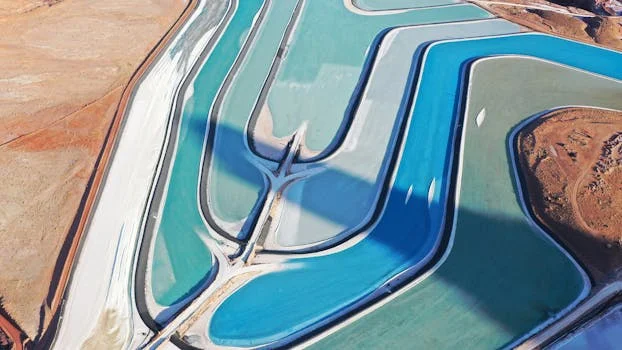
Meeting global discharge limits for high-TDS semiconductor wastewater, such as China’s GB 31573-2015 requiring <1,600 mg/L TDS, necessitates continuous monitoring and adherence to specific regional regulations. Environmental, Health, and Safety (EHS) managers must navigate a complex landscape of varying standards and reporting mandates to avoid penalties and ensure sustainable operations. Compliance begins with understanding the specific limits applicable to a fab's location and its discharge pathway (direct to environment or indirect to a Publicly Owned Treatment Works - POTW).
- China (GB 31573-2015): Discharge limits for the semiconductor industry include TDS <1,600 mg/L, fluoride <10 mg/L, and pH between 6–9. Continuous online monitoring of key parameters such as Chemical Oxygen Demand (COD), TDS, and flow rate is mandatory, with data submitted to local environmental authorities.
- Taiwan (EPA): Taiwan's Environmental Protection Administration sets a TDS limit of <2,000 mg/L. Specific limits for heavy metals, such as copper <3 mg/L and nickel <1 mg/L, are also enforced. Quarterly third-party audits are mandatory to verify compliance and treatment effectiveness.
- EU (IED 2010/75/EU): The Industrial Emissions Directive (IED) applies case-by-case discharge limits based on Best Available Techniques (BAT). The BAT reference document (BREF) for the semiconductor industry specifically recommends ZLD for high-salinity streams to minimize environmental impact and maximize resource efficiency.
- U.S. (EPA NPDES): For direct discharge under National Pollutant Discharge Elimination System (NPDES) permits, the EPA often requires TDS levels below 500 mg/L. For indirect discharge to a POTW, limits vary by state and local municipality; for example, California often sets limits around <2,000 mg/L TDS, but this can differ significantly.
Effective compliance relies on robust monitoring and reporting systems. This includes installing online TDS meters (e.g., Hach sc200) for real-time data, deploying automatic samplers (e.g., ISCO 6712) for representative composite samples, and implementing comprehensive data logging systems for regulatory reporting. Such systems provide the necessary proof of adherence to discharge standards and enable proactive adjustments to the treatment process, preventing costly violations. For detailed global discharge standards, refer to global discharge standards for semiconductor wastewater.
ZLD vs. MLD: Cost-Benefit Analysis and Decision Framework for Semiconductor Fabs
Zero Liquid Discharge (ZLD) systems, while requiring 30% higher CAPEX than Minimum Liquid Discharge (MLD) alternatives, offer significant advantages in eliminating discharge risks and maximizing water reuse. The decision between ZLD and MLD for semiconductor high-salinity wastewater treatment involves weighing initial investment against long-term operational costs, regulatory pressures, and sustainability goals. ZLD systems entirely eliminate liquid effluent, removing the risk of discharge violations and associated fines. They maximize water reuse, typically achieving 90–95% recovery, which is crucial in water-scarce regions and qualifies fabs for sustainability incentives, such as Taiwan’s Green Factory certification. This also reduces reliance on fresh water supplies, improving operational resilience.
Conversely, MLD systems present a 30% lower CAPEX, making them attractive for fabs with budget constraints or less stringent discharge regulations. They also offer simpler operation due to fewer complex components. However, MLD systems still produce a concentrated brine stream that requires disposal, incurring additional costs ranging from $0.15–$0.40/m³ in regions like China. This ongoing expense, coupled with the environmental risk of brine disposal, can negate some of the initial CAPEX savings over the long term.
To evaluate the financial viability, an ROI calculator can be used: ZLD payback period = (CAPEX – MLD CAPEX) / (annual water savings + avoided fines). For a 100 m³/h fab, implementing a ZLD system could lead to annual water savings of $1.2M, potentially paying back the additional investment in as little as 3.5 years. A decision tree can guide the choice: opt for ZLD if (1) discharge limits are below 1,000 mg/L TDS, (2) local water scarcity exceeds 50% of the baseline, or (3) significant fab expansion is planned within five years, necessitating robust water management. Otherwise, MLD may be considered, provided brine disposal costs and risks are acceptable. For a deeper dive into ZLD solutions, explore full ZLD system design for semiconductor fabs.
| Feature | Zero Liquid Discharge (ZLD) | Minimum Liquid Discharge (MLD) |
|---|---|---|
| Water Recovery | 90 – 95% | 70 – 80% |
| CAPEX (100 m³/h) | $1.2M – $4.5M | $0.8M – $3.0M (approx. 30% lower) |
| OPEX ($/m³) | $0.85 – $2.10 | $0.60 – $1.50 (plus brine disposal) |
| Brine Disposal | Solid salt cake (minimal volume) | Liquid brine (significant volume), cost: $0.15–$0.40/m³ |
| Discharge Risk | Eliminated | Present (requires compliant disposal) |
| Sustainability Incentives | High eligibility | Moderate eligibility |
| Typical Payback Period | 3 – 5 years (with water savings) | Longer (due to ongoing brine disposal costs) |
Frequently Asked Questions

Hybrid Forward Osmosis-Nanofiltration (FO-NF) systems are engineered to treat high-salinity wastewater streams with TDS concentrations up to 150,000 mg/L.
What is the maximum TDS a hybrid FO-NF system can handle?
Hybrid FO-NF systems can effectively treat high-salinity wastewater with TDS concentrations up to 150,000 mg/L. However, water recovery rates typically drop to around 80% when initial TDS exceeds 100,000 mg/L (per Saltworks field data).
How much does it cost to treat 1 m³ of high-salinity wastewater with ZLD?
The cost to treat 1 m³ of high-salinity wastewater with a ZLD system typically ranges from $0.85–$2.10. This variation depends on factors such as the fab's geographic location (impacting energy costs), the specific composition of the wastewater, and the extent of pretreatment required (e.g., using a high-efficiency DAF system for CMP wastewater pretreatment).
What are the alternatives to FO-NF for high-salinity streams?
Alternatives for high-salinity wastewater treatment include Electrodialysis Reversal (EDR) and Mechanical Vapor Recompression (MVR) evaporators. EDR can be effective but often struggles with organic fouling, while MVR systems, though achieving high recovery, are characterized by high energy consumption, typically 15–20 kWh/m³.
Can ZLD systems handle PFAS in semiconductor wastewater?
Yes, ZLD systems can be configured to manage PFAS in semiconductor wastewater, but this requires additional specialized pretreatment. Technologies such as granular activated carbon (GAC) or ion exchange resins are typically integrated upstream of the ZLD process to meet stringent discharge limits, such as the EPA's 2024 guidelines for PFAS below 70 ng/L.
What are the maintenance requirements for ZLD systems?
Regular maintenance for ZLD systems includes chemical cleaning-in-place (CIP) for membranes every 72–96 hours, continuous antiscalant dosing at 1–3 mg/L, and periodic descaling of MVR crystallizers, typically every 6 months, to prevent mineral buildup and maintain efficiency.
Related Equipment
- high-efficiency DAF system for CMP wastewater pretreatment — view specifications, capacity range, and technical data
- high-recovery RO system for high-salinity wastewater — view specifications, capacity range, and technical data
- filter press for ZLD crystallizer sludge dewatering — view specifications, capacity range, and technical data
- PLC-controlled chemical dosing for pH adjustment and antiscalant addition — view specifications, capacity range, and technical data
Need a customized solution? Request a free quote with your specific flow rate and pollutant parameters.