Hospital Effluent Treatment Plant: 2025 Engineering Guide with Process Flow, Compliance & Cost Data
A hospital effluent treatment plant (ETP) is a specialized wastewater system designed to remove up to 99% of pathogens, 97% of suspended solids, and 95% of organic contaminants (COD) from healthcare facility discharges before they enter municipal sewers or the environment. These systems combine physical screening, biological treatment (e.g., MBR or activated sludge), and advanced disinfection (e.g., chlorine dioxide or ozone) to meet stringent regulatory limits, such as the EPA’s 40 CFR Part 503 for biosolids or the EU’s Urban Waste Water Directive 91/271/EEC. Typical influent from hospitals contains 300–1,200 mg/L COD, 150–600 mg/L BOD, and 200–800 mg/L TSS, requiring tailored engineering to address pharmaceutical residues, heavy metals, and antibiotic-resistant bacteria.
Why Hospitals Need Dedicated Effluent Treatment Plants
Hospitals generate between 400 and 1,200 liters of wastewater per bed per day, a volume that is 3 to 5 times higher than typical residential sources according to 2023 WHO data. This high hydraulic load is compounded by a chemical profile that includes highly persistent pharmaceutical compounds, radioactive isotopes, and multi-drug-resistant organisms (MDROs). Unlike domestic sewage, hospital effluent acts as a concentrated point source for environmental contamination; studies indicate that untreated hospital discharge contributes to 15–20% of the antibiotic-resistant bacteria found in municipal wastewater systems.
The regulatory stakes for healthcare facilities have escalated significantly in 2025. Under the EPA 40 CFR Part 503 in the United States, regulatory fines for non-compliance can range from $25,000 to $100,000 per violation. In the European Union, Directive 91/271/EEC imposes penalties between €50,000 and €500,000 for discharging untreated medical waste into sensitive aquatic environments. Beyond financial risk, the public health implications are severe; untreated effluent can lead to waterborne disease outbreaks and the bioaccumulation of endocrine disruptors in local ecosystems.
Real-world data demonstrates the economic value of onsite treatment. For instance, a 500-bed hospital in Germany recently implemented a dedicated ETP that reduced its influent COD from 1,100 mg/L to 50 mg/L. By meeting strict local discharge standards, the facility avoided €2.1 million in annual environmental penalties and surcharges. Implementing a compact medical wastewater treatment system allows facilities to manage these risks while ensuring that hazardous laboratory and surgical by-products are neutralized at the source.
Sources and Composition of Hospital Wastewater: A Contaminant Breakdown

Blackwater from hospital toilets and urinals accounts for 60–70% of total effluent volume and contains fecal coliform concentrations ranging from 10^6 to 10^9 CFU/mL per 2024 EPA assessments. This stream carries the highest risk of enteric pathogen transmission and requires robust biological stabilization. Greywater, originating from sinks, showers, and laundry facilities, comprises 20–30% of the volume and is characterized by high concentrations of surfactants, microplastics from PPE, and disinfectants such as glutaraldehyde, which can inhibit standard biological treatment processes if not properly balanced.
Specialized departments contribute the most toxic components of the waste stream. Laboratory and radiology effluents contain heavy metals (mercury, lead), radioactive isotopes (I-131, Tc-99m), and cytotoxic drugs like cyclophosphamide used in oncology. Operating theaters discharge wastewater high in bloodborne pathogens (HIV, HBV), anesthetic gases, and antimicrobials like chlorhexidine. pharmaceutical residues—including antibiotics like ciprofloxacin and analgesics like ibuprofen—are typically found in concentrations of 10–500 μg/L, necessitating advanced oxidation or membrane filtration for effective removal.
| Wastewater Source | Primary Contaminants | Typical Concentration/Load |
|---|---|---|
| Blackwater (Toilets) | Fecal Coliforms, Nitrogen, Phosphorus | 10^6–10^9 CFU/mL |
| Laboratory & Radiology | Mercury, Lead, I-131, Cytotoxic Drugs | Trace to 50 mg/L (Metals) |
| Operating Theaters | Bloodborne Pathogens, Anesthetics | High microbial diversity |
| Laundry & Kitchen | FOG, Surfactants, Microplastics | 100–300 mg/L FOG |
| Stormwater Runoff | Hydrocarbons, Silt, Microplastics | Variable (Weather dependent) |
Stormwater runoff from hospital parking lots and roofs adds another layer of complexity, introducing hydrocarbons and sediment loads that can overwhelm primary treatment stages during peak rain events. Understanding this specific contaminant profile is essential for engineers to design a system that prevents pharmaceutical bioaccumulation and ensures local compliance standards for hospital effluent in India and other global regions.
Hospital Effluent Treatment Process Flow: Step-by-Step Engineering
Rotary mechanical bar screens used in hospital pretreatment stages remove over 95% of inorganic solids greater than 6 mm to prevent mechanical failure in downstream pumping systems. This initial physical barrier is critical for protecting the delicate membranes and sensors used in secondary and tertiary stages. Following screening, the effluent enters primary treatment, where lamella clarifier engineering for hospital pretreatment allows for the reduction of TSS by 60–80% and COD by 30–50% using surface loading rates of 20–40 m/h.
Secondary treatment typically employs Membrane Bioreactor (MBR) technology. MBR systems for hospital effluent achieve 99% pathogen removal and 95% COD reduction by utilizing membrane pore sizes as small as 0.1 μm. This stage operates with a hydraulic retention time (HRT) of 6 to 12 hours, allowing for the deep biological degradation of organic matter. For facilities with high laundry or kitchen output, tertiary treatment using detailed DAF system engineering for hospital applications is employed to remove 90%+ of Fats, Oils, and Grease (FOG) and colloidal matter.
Disinfection is the most critical stage for healthcare compliance. Utilizing chlorine dioxide disinfection for hospital effluent ensures a 99.99% kill rate for bacteria and viruses at a dosage of 1–3 mg/L without the formation of harmful trihalomethanes (THMs). Finally, the generated sludge is processed through a plate and frame filter press, which dewaters the sludge to 30–40% solids, reducing disposal volumes and costs by up to 70%. The engineering design must account for specific HRTs: 1–2 hours for primary clarification, 6–12 hours for secondary biological treatment, and 30–60 minutes for final disinfection contact.
Treatment Technology Comparison: MBR vs. DAF vs. Activated Sludge for Hospital Effluent
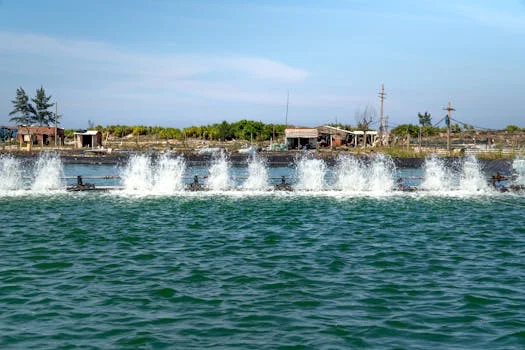
Membrane Bioreactor (MBR) systems require a 60% smaller physical footprint than conventional activated sludge plants while achieving superior effluent quality suitable for non-potable reuse. While MBR technology carries a higher capital expenditure (CAPEX) of $1,200–$2,500/m³/day and higher energy requirements (0.8–1.2 kWh/m³), its ability to retain 100% of suspended solids and most pathogens makes it the gold standard for urban hospitals with limited space. In contrast, MBR systems for hospital effluent provide a modular approach that can be scaled as the facility grows.
Dissolved Air Flotation (DAF) systems are specifically engineered for effluent with high concentrations of FOG and suspended solids. Using DAF systems for high-FOG hospital wastewater, facilities can achieve 90%+ FOG removal at loading rates of 4–6 m³/h/m². Conventional activated sludge remains a viable option for large, rural hospitals where land is inexpensive, offering a lower CAPEX of $800–$1,500/m³/day. However, activated sludge is highly vulnerable to "shock loads" from cytotoxic drugs and disinfectants, which can kill the microbial population and lead to system failure.
| Technology | Footprint | COD Removal | CAPEX (per m³/day) | Best Use Case |
|---|---|---|---|---|
| MBR | Very Small | 95–98% | $1,200–$2,500 | Urban hospitals, water reuse |
| Activated Sludge | Large | 80–90% | $800–$1,500 | Large rural facilities |
| DAF | Medium | 30–50% (Primary) | $600–$1,200 | High FOG (Kitchen/Laundry) |
| Electrochemical | Small | 90%+ (Pharma) | High | Pharmaceutical degradation |
Regulatory Compliance: Global Standards for Hospital Effluent Discharge
The EPA 40 CFR Part 503 regulation mandates that biosolids from wastewater treatment must contain fewer than 1,000 MPN/g of fecal coliforms and meet specific heavy metal limits, such as arsenic levels below 75 mg/kg. For liquid discharge, the EU Urban Waste Water Directive 91/271/EEC establishes clear thresholds: COD must be below 125 mg/L, BOD below 25 mg/L, and TSS below 35 mg/L for facilities discharging into sensitive areas. These standards serve as the baseline for engineering specifications in most international healthcare projects.
The World Health Organization (WHO) provides global guidelines specifically for hospital wastewater, recommending E. coli levels below 1,000 CFU/100 mL and stringent limits on heavy metals such as mercury (<10 μg/L) and cadmium (<50 μg/L). In China, the GB 18466-2005 standard is even more rigorous for hospital discharges, requiring COD <50 mg/L and Ammonia-Nitrogen <10 mg/L. Engineers must also account for emerging local limits in regions like India (CPCB) and Australia (NHMRC), which are increasingly regulating specific pharmaceuticals like ciprofloxacin to levels below 1 μg/L.
| Parameter | EPA (U.S.) | EU Directive | WHO Guidelines | China GB 18466 |
|---|---|---|---|---|
| COD (mg/L) | N/A (Local) | <125 | N/A | <50 |
| BOD5 (mg/L) | <30 | <25 | N/A | <10 |
| TSS (mg/L) | <30 | <35 | N/A | <10 |
| E. coli (CFU/100mL) | <1,000 (Biosolids) | N/A | <1,000 | <100 |
Cost Breakdown and ROI: Hospital Effluent Treatment Plant Economics 2025
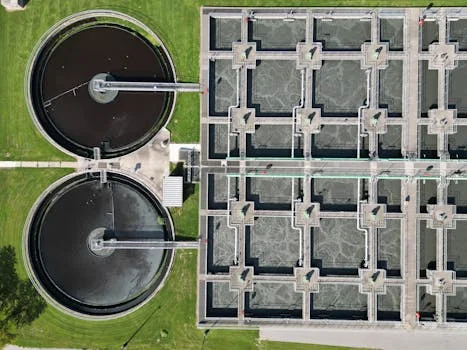
Capital expenditure (CAPEX) for a hospital effluent treatment plant in 2025 ranges from $500 to $2,500 per cubic meter of daily capacity, depending heavily on the selected filtration and disinfection technologies. Standard activated sludge systems sit at the lower end of this spectrum, while advanced MBR and electrochemical oxidation systems occupy the higher end. Operating expenditure (OPEX) typically ranges from $0.20 to $0.80 per cubic meter treated, which includes electricity ($0.10–$0.30), chemical reagents ($0.05–$0.20), and specialized labor for maintenance ($0.05–$0.30).
The Return on Investment (ROI) for an onsite ETP is driven by three primary factors: fine avoidance, water reuse savings, and sludge volume reduction. Avoiding regulatory fines, which can exceed $100,000 per year, often provides an immediate justification for the investment. a 300-bed hospital in India recently demonstrated that switching from traditional chemical disinfection to a chlorine dioxide disinfection for hospital effluent saved $120,000 annually by reducing chemical consumption by 60%. Implementing a compact underground ETP for hospitals can further reduce CAPEX by 20–30% by eliminating the need for expensive surface structures and land acquisition.
| Cost Component | Estimated Cost (USD) | ROI Impact |
|---|---|---|
| CAPEX (MBR System) | $1,500–$2,500 /m³ | Enables water reuse (irrigation/cooling) |
| OPEX (Energy/Chems) | $0.20–$0.80 /m³ | Lowered by high-efficiency equipment |
| Sludge Disposal | $50–$200 /ton | Reduced 70% by filter presses |
| Regulatory Fines | $25k–$500k /year | Eliminated by 100% compliance |
Frequently Asked Questions
What is the difference between a hospital ETP and a municipal sewage plant?
Hospital ETPs are specifically engineered to handle 10–100 times higher pathogen loads and significant concentrations of pharmaceutical residues and heavy metals. While municipal plants focus on bulk BOD and TSS removal, hospital systems require advanced disinfection stages, such as chlorine dioxide, and often utilize MBR systems for hospital effluent to ensure total pathogen retention.
How do I size a hospital effluent treatment plant?
Sizing should be based on a flow rate of 400–1,200 liters per bed per day (WHO standard). Engineers must also account for a "Peak Factor," typically 1.5 times the average daily flow, to handle 2-hour peaks during morning sanitation hours. For a 500-bed hospital, the plant should be designed for a capacity of 200–600 m³/day.
Can hospital effluent be reused after treatment?
Yes. By combining MBR technology with reverse osmosis (RO) water purification, treated effluent can be reused for non-potable applications such as landscape irrigation, cooling tower make-up water, and toilet flushing. This can reduce a facility's fresh water consumption by 30–50%.
What are the most common failures in hospital ETPs?
The most frequent technical failures include membrane fouling in MBR systems due to excessive FOG, chemical overdosing in DAF units, and inadequate disinfection caused by the development of chlorine resistance in certain pathogens. Regular maintenance and automated dosing systems are essential to mitigate these risks.
How often should hospital ETPs be maintained?
Daily monitoring of pH, dissolved oxygen, and flow rates is required. MBR membranes typically require weekly automated cleaning cycles, while sludge dewatering via filter presses should occur quarterly or based on tank levels. High-precision equipment like chlorine dioxide generators require monthly calibration to ensure precise dosing and safety.