Why Acid-Alkaline Wastewater is the Most Critical Stream in Semiconductor Fabs
Semiconductor acid-alkaline wastewater typically makes up 40% to 60% of fab wastewater volume, according to SEMI F47-0707 standards. Influent pH often swings from 1.5 to 12.5. Uncontrolled swings corrode infrastructure, foul RO membranes, and drop metals into biological stages.
US EPA 40 CFR Part 469 Subpart A sets semiconductor discharge pH within 6.0 to 9.0. Earlier guidance often cited a 6.5 to 8.5 band; fabs still use that narrower window as an RO and ZLD feed target. Streams such as CMP wastewater treatment solutions for semiconductor fabs bring solids issues, but acid-alkaline flow drives most corrosion and downstream upsets.
For fabs building ZLD solutions for semiconductor fabs, stable pH is a prerequisite for evaporator duty. Even modest pH drift can trigger calcium carbonate scale or silica polymerization and cut water recovery by up to 20%. In a 2024 Taiwan 300 mm fab case, stabilizing acid-alkaline pre-treatment cut annual membrane replacement cost by 35% and prevented three unplanned shutdowns tied to discharge permit violations.
pH spikes above 9.0 scale heat exchangers fast. Drops below 6.0 accelerate corrosion of 316L stainless steel piping. Treat this neutralization train as a plant-wide stabilizer, not only an end-of-pipe chore. Organic bases often need parallel TMAH wastewater treatment solutions for semiconductor fabs so total nitrogen stays inside permit limits.
Acid-Alkaline Wastewater Chemistry: Neutralization Reactions, Kinetics, and Sludge Generation
Acid-alkaline neutralization in fabs is a fast exothermic reaction. The core step is H3O+ + OH− → 2H2O. At 20°C with 0.5 to 1.5 W/m³ mixing in a CSTR, the reaction finishes in under 10 seconds. Weak mixing creates pH hunting, overdosing, and unstable effluent.
Sludge yield tracks influent minerals and the alkali or acid chosen. Calcium-based alkalis and dissolved metals raise precipitate mass. EPA 2024 benchmarks for the semiconductor industry indicate 0.5 to 1.2 kg dry solids per m³ of wastewater. Neutralization efficiency can fall by as much as 15% below 10°C, so cold sites need heat tracing or larger reaction volume (HydropureWater field data, 2025).
| Parameter | Acidic Stream (Typical) | Alkaline Stream (Typical) | Neutralization Spec |
|---|---|---|---|
| Influent pH Range | 1.5 – 4.0 | 9.5 – 12.5 | 6.5 – 8.5 (Target) |
| Primary Chemical | 50% NaOH | 98% H²SO² or CO² | Stoichiometric + 10% |
| Reaction Kinetics | <10 seconds | <15 seconds | Mixing: 1.0 W/m³ |
| Sludge Yield | 0.6 kg/m³ (Avg) | 0.4 kg/m³ (Avg) | EPA 2024 Benchmark |
| Chemical Cost (Est) | $0.12 – $0.25/m³ | $0.08 – $0.15/m³ | Market Rate 2025 |
Process Flow Design: Step-by-Step Treatment Sequence for Acid-Alkaline Streams
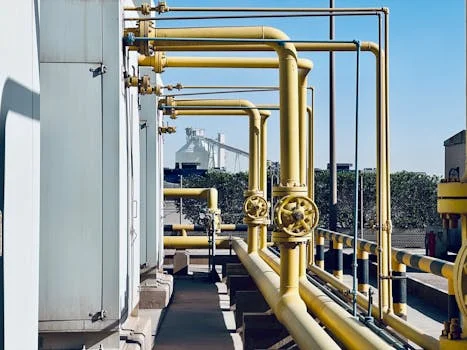
Semiconductor acid-alkaline treatment design starts with stream segregation. Fabs typically route pH <4 or >10 into dedicated headers so primary drains do not host uncontrolled reactions. The five-step sequence below absorbs high-volume swings and still feeds stable water to RO or evaporators.
Step 1: Stream Segregation and Collection: HDPE or double-contained piping moves raw acid and alkaline flows to treatment. That keeps fluoride and CMP streams on their own chemistry paths.
Step 2: Equalization: An equalization tank with 2 to 4 hours HRT damps pH spikes. A 100 m³/h plant needs a 200–400 m³ tank with air agitation or mechanical mixers to stop stratification.
Step 3: Multi-Stage pH Adjustment: Neutralization usually runs in two or three stages. Stage one brings pH to about 4.0 or 10.0. Stage two finishes inside 6.5–8.5. Most plants use a PLC-controlled chemical dosing for semiconductor wastewater with PID control on real-time pH feedback.
Step 4: Solid-Liquid Separation: Low-TSS streams use DAF systems for semiconductor wastewater solid-liquid separation at 10–20 m/h surface loading. High metal hydroxide or calcium solids favor lamella clarifiers for high-sludge semiconductor wastewater at 20–40 m/h.
Step 5: Polishing and RO Feed: Clarified water passes multi-media filters or UF to SDI <3. That protects RO systems for semiconductor wastewater reuse and ZLD from irreversible fouling.
Neutralization Technologies Compared: CSTR vs. Inline Mixers vs. Packed Bed Reactors
Neutralization technology choice follows flow rate, pH swing size, and floor space. CSTRs remain the default for large fabs. Inline and packed-bed units fit tighter sub-streams.
CSTRs give the best buffer above 100 m³/h. Tank volume stops fast pH swings from hitting downstream equipment. Inline static mixers suit smaller, stable flows (<50 m³/h). They mix across 3 to 5 pipe diameters with 0.1 to 0.3 bar pressure drop, but they lack tank buffering when influent quality jumps.
| Technology | Flow Capacity | Footprint (100 m³/h) | Mixing Energy | Best Use Case |
|---|---|---|---|---|
| CSTR Tank | Unlimited (>100 m³/h) | 10 – 30 m² | 0.5 – 1.5 W/m³ | Main fab discharge; high variability |
| Inline Static Mixer | Low – Med (<50 m³/h) | <1 m² | Pressure Drop Only | Point-of-use; stable pH streams |
| Packed Bed Reactor | Low (<20 m³/h) | 2 – 5 m² | Passive (Bed Contact) | High-purity discharge; polishing |
| Hybrid System | High | 12 – 35 m² | Variable | Fabs with frequent acid/alkali dumps |
Packed bed reactors offer passive acid neutralization on sacrificial media such as limestone. They are weaker on alkaline wastewater and need periodic media replacement. Strict discharge or high-purity polishing duties are their main niche.
Cost Breakdown: CAPEX, OPEX, and Chemical Costs for Acid-Alkaline Treatment Systems
CAPEX for a 50 to 200 m³/h acid-alkaline system typically runs $120,000 to $450,000. Expect about 40% for tanks, mixers, and pumps, 30% for PLC and sensors, and 30% for install and piping.
Chemicals dominate OPEX at roughly 50% of operating cost. Based on 2025 market data, 50% NaOH costs $0.12 to $0.25 per m³ treated. 98% H2SO4 sits near $0.08 to $0.15 per m³. Mixing and pumping energy take about 30%. Maintenance and sludge disposal make up the last 20%.
| Cost Category | Unit Cost / Range | % of Total OPEX | Notes |
|---|---|---|---|
| Chemicals (NaOH/H²SO²) | $0.10 – $0.40 / m³ | 50% | Highly dependent on influent pH |
| Energy (Mixers/Pumps) | $0.05 – $0.12 / m³ | 30% | Based on $0.10/kWh |
| Sludge Disposal | $0.05 – $0.15 / kg DS | 15% | Requires filter presses for dewatering semiconductor wastewater sludge |
| Maintenance | $0.02 – $0.05 / m³ | 5% | Sensor calibration and pump seals |
ROI often shows up in reuse, not chemical savings alone. ZLD-enabled fabs can save $1.2M to $2.5M per year in raw water and discharge fees. Holding pH at 7.0 to 8.0 lets RO run at 90%+ recovery and cuts evaporator brine volume.
ZLD Integration: How Acid-Alkaline Treatment Fits into Zero-Liquid Discharge Systems
In a ZLD train, acid-alkaline treatment is the first gate. Target effluent pH of 7.0 to 8.0 limits both scale and membrane attack. Above pH 9.0, calcium carbonate and magnesium hydroxide scale risk rises sharply on RO and evaporator surfaces. Below pH 6.5, some organic foulants stick harder and flux falls fast.
Evaporator alloy choice assumes neutralization works. Hastelloy C or titanium tubes still pit if pH stays below 2.0 for long periods. Silica stays more manageable near pH 7–8; above 9 or below 6 it can polymerize into hard scale that resists chemical clean.
A 2024 Singapore fab used three-stage CSTR dosing and reached 92% water recovery. Stable pH stretched RO CIP intervals to six months versus a two-month industry average. The evaporator held design heat-transfer duty with zero unplanned descaling events.
Equipment Selection Guide: How to Choose Acid-Alkaline Treatment Systems for Your Fab
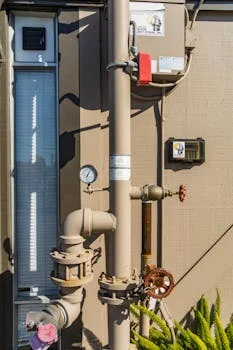
Pick equipment against five technical checks. Map the flow profile first. Flat flow allows smaller tanks. Batch tool dumps need more equalization volume.
- Step 1: Define Flow and Variability: If flow is <50 m³/h and pH is stable, inline mixers cost least. For flows >100 m³/h or extreme pH swings, specify CSTRs.
- Step 2: Quantify Sludge Potential: High-TSS metal streams need a lamella clarifier. Low-TSS streams can use DAF or filtration.
- Step 3: Establish ZLD/Reuse Targets: RO feed duty needs fine control within ±0.2 pH units of target.
- Step 4: Evaluate CAPEX vs. OPEX: Inline mixers cut CAPEX but raise overdose risk. CSTRs cost more upfront and usually burn less chemical and less downstream maintenance.
- Step 5: Automation and Redundancy: Use redundant pH probes and PLC auto-calibration. N+1 dosing pumps are standard to avoid single-point failure.
| Requirement | Recommended Equipment | Decision Driver |
|---|---|---|
| High Flow Variability | Dual-Stage CSTR Tanks | Buffering capacity needed |
| Limited Floor Space | Inline Mixers + DAF | High surface loading rate |
| High Sludge Volume | Lamella Clarifier + Filter Press | Solid-liquid separation efficiency |
| RO/ZLD Feed | Three-Stage PLC Dosing | pH stability (±0.2 units) |
Who This Is For, Who Should Look Elsewhere, and Next Step
This guide is built for process engineers and EPC contractors sizing acid-alkaline neutralization for 50–200 m³/h fab discharge streams, especially where ZLD recovery and stable RO feed are project drivers. If your scope is ultrapure water polishing or a non-fab CMP-only stream, the Underground Package Sewage Treatment Plant (WSZ Series) covers a different load profile and is worth a look. For a tailored sizing review, send your influent profile and target pH envelope through our quote request form and our team will return a preliminary flow sheet within two working days.
Frequently Asked Questions
What pH range is required for semiconductor wastewater discharge?
US EPA 40 CFR Part 469 Subpart A sets semiconductor discharge pH within 6.0 to 9.0. Earlier plant specs often used 6.5 to 8.5; many fabs still hold that tighter band for RO pre-treatment. A 7.0 to 8.0 internal target usually gives the best margin against carbonate scale and membrane attack on reuse trains.
How much sludge is generated from acid-alkaline neutralization?
Based on EPA 2024 benchmarks, expect 0.5 to 1.2 kg of dry solids per m³ of wastewater. This sludge typically leaves the clarifier at 2–5% solids and must be dewatered to 20–30% solids using a filter press for economical disposal. Most 100 m³/h plants we size run near the 0.6 kg/m³ average, not the upper bound.
What are the best chemicals for pH adjustment in fabs?
Sodium hydroxide (NaOH, 50%) is the standard for acidic streams due to its high reactivity. Sulfuric acid (H2SO4, 98%) is used for alkaline streams, though some fabs utilize CO2 for fine-tuning because it is self-buffering and safer to handle. Caustic soda remains the default because dose response is fast and predictable on a PID loop.
How do I size a neutralization tank?
Size the tank for a Hydraulic Retention Time (HRT) of 10 to 30 minutes for reaction, plus 2 to 4 hours of equalization. A 100 m³/h flow typically requires a reaction tank of at least 17 to 50 m³, plus a separate equalization basin sized for the peak-to-average flow ratio of the fab.
Can I reuse acid-alkaline wastewater?
Yes. With proper neutralization and solid-liquid separation, acid-alkaline effluent can be processed through RO systems to achieve 70–90% reuse rates for non-critical fab processes like cooling tower makeup or scrubber water. Reuse economics improve sharply once neutralization holds pH inside ±0.2 of target, because RO recovery then climbs above 90%.