Wastewater treatment plant cost in Kerala typically runs ₹1.2L–₹4.8Cr across 50–5000 KLD, depending on MBBR, SBR, MBR, or ZLD selection. KSPCB Class I discharge limits (BOD <10 mg/L, TSS <20 mg/L) shape most designs in Kochi, Ernakulam, and Thiruvananthapuram.
For a 200 KLD textile ETP, expect ₹80L–₹1.2Cr CAPEX and OPEX of ₹12–₹18/m³, including sludge disposal and energy. This guide compares technologies, builds a Level 0 cost breakdown, screens ROI, and maps KSPCB approval steps for 2026 planning of 2025-compliant plants.
Kerala’s 2025 Wastewater Treatment Compliance: KSPCB Zones, Discharge Limits & Penalties
KSPCB Notification No. 12/2023 divides Kerala into three environmental zones with different effluent limits. Class I zones in Kochi, Ernakulam, and Thiruvananthapuram require BOD <10 mg/L, TSS <20 mg/L, and COD <50 mg/L for textile and food units. Confirm the zone on KSPCB’s 2024 GIS map before design freeze to avoid CTE redesign (HydropureWater field data, 2025).
The statutory basis sits upstream of every consent condition. The Water (Prevention and Control of Pollution) Act, 1974, enacted on 23 March 1974 as Act No. 6 of 1974, requires industries and operations to obtain consent before discharging sewage or trade effluents, and it empowers the State Board to issue directions up to closure. The Central Pollution Control Board, established in 1974 under the same Act, coordinates State Pollution Control Boards by providing technical assistance and guidance and develops industry-specific effluent standards. Larger Kerala projects can also face SEIAA Kerala, constituted to deal with environmental clearance for Category B projects under the EIA Notification 2006, before consent proceeds.
Class I discharge limits are enforced as BOD <10 mg/L, TSS <20 mg/L, COD <50 mg/L for textile and food processing units, and pH 6.5–8.5. Textile streams also need near-zero color intensity before discharge. Non-compliance penalties run ₹50,000–₹5L per violation and can escalate to shutdown under 2024 enforcement patterns. Hospitals typically need a 99% pathogen kill rate via ozone or UV. Food plants need dissolved air flotation pretreatment so FOG stays below 10 mg/L.
KSPCB approval for new projects usually takes 6–12 months across NOC, design review, and post-commissioning audit. Approval fees by capacity typically sit at ₹5,000–₹50,000 on the 2025 schedule, so early regulatory engagement shortens later redesign loops.
| Parameter | Class I Discharge Limits (mg/L, unless specified) | Industry-Specific Add-ons |
|---|---|---|
| BOD (3 days at 27°C) | <10 | N/A |
| TSS | <20 | N/A |
| COD | <50 | Textile/Food Processing: <50 |
| pH | 6.5–8.5 | N/A |
| Color | Near-zero intensity | Textile: Near-zero |
| FOG | N/A | Food Processing: <10 |
| Pathogen Kill | N/A | Hospitals: 99% (via Ozone/UV) |
Wastewater Treatment Plant Cost in Kerala: CAPEX by Technology and Capacity
Capital expenditure for wastewater treatment plants in Kerala spans about ₹12,000/KLD for basic SBR packages to ₹3L/KLD for advanced Zero Liquid Discharge trains. These 2025 indicative figures exclude civil works and GST and give procurement teams a usable first-pass comparison before detailed design. Most plants we size for Kochi and Ernakulam hotels or mid-scale factories land toward the lower half of each band when civil scope stays simple.
MBBR vs SBR Cost per KLD Kerala: Technology Comparison
MBBR vs SBR cost per KLD in Kerala splits on footprint versus land: MBBR screens at ₹15,000–₹25,000/KLD for 50–200 KLD and ₹20,000–₹35,000/KLD for 200–1000 KLD, while SBR screens lower at ₹12,000–₹22,000/KLD for 50–500 KLD but needs batch-cycle control and more equalization volume. Hotels in Kochi usually pay the MBBR premium for compactness; municipal STPs in Thiruvananthapuram lean SBR for the lower equipment line.
- MBBR (Moving Bed Biofilm Reactor): CAPEX typically ranges from ₹15,000–₹25,000/KLD for smaller capacities (50–200 KLD) and ₹20,000–₹35,000/KLD for larger systems (200–1000 KLD). MBBR systems offer a compact footprint, making them ideal for urban sites like hotels in Kochi where space is a premium.
- SBR (Sequencing Batch Reactor): Costs are generally lower, at ₹12,000–₹22,000/KLD for capacities between 50–500 KLD. SBRs boast lower energy consumption but require a larger land area due to their batch operation. They are commonly adopted for municipal STPs in areas like Thiruvananthapuram.
- MBR (Membrane Bioreactor): For MBR systems for Kerala’s Class I discharge limits, CAPEX is higher, between ₹30,000–₹60,000/KLD for 50–2000 KLD. MBR technology produces near-reuse quality effluent (<1 μm filtration) and offers a 60% smaller footprint compared to conventional systems, making it suitable for pharma and textile ZLD projects.
- ZLD (Zero Liquid Discharge): As the most advanced and expensive option, ZLD systems cost ₹1L–₹3L/KLD for capacities of 50–200 KLD. This includes the ETP, Reverse Osmosis (RO), and Multiple Effect Evaporator (MEE) or Mechanical Vapor Recompression (MVR). ZLD is mandatory for industries generating high-TDS effluents, such as chemical plants (HydropureWater field data, 2025). For detailed insights into these systems, refer to our article on ZLD systems for high-TDS industrial effluents.
Imported components such as GE or Veolia MBR membranes can raise CAPEX by 20–40% at purchase. They often cut OPEX by 10–15% through longer membrane life (5–7 years versus 3–5 years for many local options). Civil costs in Kerala range from ₹3,000–₹8,000/m³ for underground tanks, with Alappuzha and other waterlogged belts at the high end. Build a 10–15% contingency for monsoon delays before freezing the bid.
| Technology | Capacity Range (KLD) | CAPEX/KLD (₹, excl. civil/GST) | Key Advantage |
|---|---|---|---|
| MBBR | 50–200 | 15,000–25,000 | Compact footprint |
| MBBR | 200–1000 | 20,000–35,000 | Compact footprint, scalable |
| SBR | 50–500 | 12,000–22,000 | Lower energy use |
| MBR | 50–2000 | 30,000–60,000 | Near-reuse quality effluent, small footprint |
| ZLD | 50–200 | 100,000–300,000 | Zero discharge, high TDS |
What Is the Water Treatment Plant Cost Breakdown?
A water treatment plant cost breakdown for Kerala projects usually splits into process equipment, civil works, electricals, approvals, and first-year operating buffers. Equipment often dominates early quotes, yet land, power backup, and sludge routes can flip the ranking on urban sites. Use the bands below as a Level 0 screen before detailed vendor BOQs arrive.
How do you build a Level 0 cost breakdown?
A Level 0 cost breakdown is an order-of-magnitude estimate built from capacity (KLD), technology class, industry effluent type, and civil intensity before detailed engineering starts. Multiply the selected CAPEX/KLD band by design flow, then add civil at ₹3,000–₹8,000/m³ of tank volume, a 10–15% monsoon contingency, and one year of OPEX at ₹6–₹22/m³. Flag ZLD, hazardous sludge, and Class I color limits as separate line items so they do not hide inside a single “ETP” lump sum.
Selection checklist for a usable Level 0 sheet:
- Confirm KSPCB zone and Class I limits before locking technology.
- Separate process CAPEX from civil, GST, and land.
- Price sludge as hazardous or non-hazardous, not as a single average.
- Include CTE/CTO fees and one annual audit line.
- Add power backup at ₹2–₹5L where 24/7 compliance matters.
- State membrane life and replacement year assumptions in writing.
- Reserve 10–15% contingency for monsoon schedule slip.
Industry-Specific Cost Benchmarks: Textile, Food Processing, Hospitals & Municipal STPs
Textile ETP Cost Ernakulam Kerala: What Drives the Final Bid?
Textile ETP cost in Ernakulam, Kerala commonly screens at ₹25,000–₹45,000/KLD, but color limits, salinity, equalization volume, sludge class, and reuse quality can move the final bid outside that range. Ask for a mass balance and treatability basis before accepting any per-KLD quote.

Industry-specific CAPEX for wastewater treatment in Kerala reflects unique effluent characteristics and compliance mandates, with textile ETPs averaging ₹25,000–₹45,000/KLD and hospital systems reaching ₹30,000–₹50,000/KLD. These benchmarks help facility managers and procurement teams estimate project costs more accurately by accounting for hidden drivers. Restaurant packages sit in a different lane. Teams comparing kitchen FOG loads often start with a make a market survey on restaurant wastewater treatment plant requirement in kerala before sizing a full industrial ETP.
- Textile (Ernakulam/Coimbatore belt): Costs typically range from ₹25,000–₹45,000/KLD. Key cost drivers include advanced oxidation for color removal (₹5–₹10/m³), hazardous sludge disposal (₹2,000–₹4,000/ton), and membrane replacement for MBR systems (₹500–₹1,000/m²).
- Food Processing (Kochi/Thrissur): CAPEX is generally ₹20,000–₹35,000/KLD. DAF pretreatment for food processing effluents adds ₹8–₹15/m³ for effective FOG removal. Implementing anaerobic digestion (UASB) can reduce OPEX by up to 30%, though it requires a 6–12 month microbial acclimation period.
- Hospitals (Thiruvananthapuram/Kottayam): These facilities face higher costs, at ₹30,000–₹50,000/KLD. Ozone or UV disinfection, crucial for pathogen kill, adds ₹3–₹7/m³ to OPEX. Sludge generated must be treated as biomedical waste, incurring disposal costs of ₹10,000–₹15,000/ton for compact hospital wastewater systems for Kerala’s compliance.
- Municipal STPs (Kochi Smart City projects): CAPEX falls between ₹12,000–₹20,000/KLD. However, land acquisition costs, which can be ₹1–₹3Cr/acre in urban areas, often surpass equipment costs. Public-private partnerships (PPP) are a common strategy to reduce CAPEX by 40–60% for such large-scale infrastructure projects.
Beyond equipment and installation, hidden costs still move the budget. Annual KSPCB audit fees run ₹20,000–₹1L/year. Specialized operator training for MBR/ZLD systems costs ₹50,000–₹2L. Power backup packages of ₹2–₹5L keep continuous processes inside consent limits during grid trips.
OPEX in Kerala: Energy, Chemicals, Sludge Disposal & Labor Costs (2025 Data)
Operating expenditure for wastewater treatment plants in Kerala averages ₹6–₹22/m³ when energy, chemicals, and sludge routes are counted together. Over a 5–10 year run, OPEX can exceed the original CAPEX on aeration-heavy trains (HydropureWater field data, 2025). That is why technology choice should be scored on lifetime cost, not only ₹/KLD at award.
- Energy Costs: These are a major component, ranging from ₹6–₹12/m³ for aeration-intensive MBBR/SBR systems and ₹8–₹15/m³ for MBR due to higher energy demands for membrane scouring. Kerala’s industrial electricity tariff averages ₹7–₹9/kWh (2025 data).
- Chemical Costs: Coagulants and flocculants typically cost ₹2–₹5/m³, while pH adjustment chemicals add another ₹1–₹3/m³. Local suppliers, such as Kerala Chemicals, often provide 10–20% discounts compared to national brands, optimizing the use of chlorine dioxide generators for disinfection and other chemical dosing systems.
- Sludge Disposal: Non-hazardous sludge disposal costs ₹1,500–₹3,000/ton. However, hazardous sludge from textile or pharma industries can cost significantly more, ranging from ₹5,000–₹15,000/ton. Landfill tipping fees in Kerala are currently ₹500–₹1,200/ton (2025). Effective sludge dewatering for Kerala’s textile and pharma industries can reduce disposal volumes and costs.
- Labor: The monthly salary for skilled operators ranges from ₹25,000–₹50,000, with MBR/ZLD systems requiring certified technicians. Implementing remote monitoring systems (PLC/SCADA) can reduce labor requirements by 30–50% but adds ₹2–₹5L/year for software and maintenance, often integrated with an automatic chemical dosing system.
Monsoon conditions can raise OPEX by 20–30% for dewatering when influent flow and sludge volume climb, and about 15% for aeration when dissolved oxygen control works harder. Covered tanks, stormwater diversion, and tighter blower control are the usual field fixes on Kerala coastal sites.
| OPEX Component | Cost Range (₹/m³) | Key Driver |
|---|---|---|
| Energy (Aeration/Pumping) | 6–15 | Technology choice (MBBR/SBR vs. MBR), electricity tariff |
| Chemicals (Coagulants/pH) | 3–8 | Effluent characteristics, local supplier discounts |
| Sludge Disposal | 1.5–15/ton | Sludge type (hazardous/non-hazardous), landfill fees |
| Labor (Operators) | 25,000–50,000/month | System complexity (MBR/ZLD require certified staff) |
| Maintenance & Spares | 1–3 | Equipment quality, preventive maintenance schedule |
Local vs. Imported Equipment: Cost, Reliability & KSPCB Approval Trade-offs
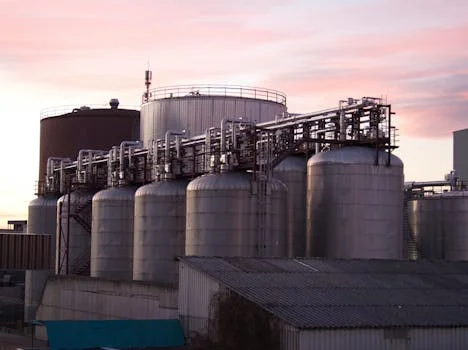
Choosing local or imported wastewater treatment equipment in Kerala trades lower first cost against membrane life, energy intensity, and approval friction. Procurement teams should score both 10-year OPEX and CTE documentation load, not only the equipment line item.
Local MBR systems from suppliers like HydropureWater or Ion Exchange typically cost ₹25,000–₹40,000/KLD. Imported systems from brands such as GE or Veolia often quote ₹35,000–₹60,000/KLD. That first-cost gap is usually 20–40%.
Imported membranes often last 5–7 years versus 3–5 years for many local alternatives, which can cut replacement spend by 30–40% over the asset life. Imported skids also commonly run at 0.5–0.7 kWh/m³ against 0.8–1.2 kWh/m³ for local packages, which compounds into material energy savings (HydropureWater field data, 2025).
Local suppliers typically deliver in 4–8 weeks. Imported systems need 12–24 weeks for shipping, customs, and inland logistics. Local packages often clear the NOC path faster because inspectors already know the documentation set. Imported trains may need extra testing and paperwork, adding ₹50,000–₹2L in fees and calendar time.
On 2024 Kerala delivery ratings used in this guide, local references include Ion Exchange (92% on-time), Thermax (88%), and HydropureWater (85%). Imported references include GE (95%) and Veolia (93%), reflecting broader global service coverage rather than a fixed outcome for every site.
| Feature | Local Equipment (e.g., HydropureWater) | Imported Equipment (e.g., GE/Veolia) |
|---|---|---|
| CAPEX/KLD | ₹25,000–₹40,000 | ₹35,000–₹60,000 |
| Membrane Life | 3–5 years | 5–7 years |
| Energy Efficiency | 0.8–1.2 kWh/m³ | 0.5–0.7 kWh/m³ |
| Lead Time | 4–8 weeks | 12–24 weeks |
| KSPCB Approval | Faster NOC pathway | May require additional testing/fees |
| Reliability (2024) | 85–92% (on-time delivery) | 93–95% (on-time delivery) |
ROI Calculator: Wastewater Treatment Plant Cost vs. Savings in Kerala
Wastewater treatment plant cost in Kerala is often recovered through water reuse, penalty avoidance, and lower freshwater intake, with payback landing between 3.5 and 5 years under the cases below. Facility managers should treat the examples as screening math, then replace each input with metered site data.
Build the ROI screen from four inputs:
- Wastewater treatment plant capacity (KLD)
- Selected technology (MBBR, SBR, MBR, ZLD)
- Industry type (textile, food processing, hospital, municipal)
- Intention for effluent reuse (yes/no)
Worked screens from the same 2025 cost bands:
- A 200 KLD textile ETP utilizing MBR technology might involve a ₹1.2Cr CAPEX and ₹18/m³ OPEX, but achieve a 3.5-year payback primarily through substantial savings from water reuse and the avoidance of KSPCB penalties.
- A 500 KLD municipal STP employing SBR technology could have a CAPEX of ₹6Cr and OPEX of ₹12/m³, with a 5-year payback, often aided by government subsidies that reduce initial CAPEX by up to 40%.
- A 100 KLD hospital MBR system with a ₹3Cr CAPEX and ₹22/m³ OPEX might see a 4-year payback, largely driven by savings on specialized biomedical sludge disposal.
Fresh water for industrial users in Kerala often costs ₹30–₹80/m³. KSPCB non-compliance penalties of ₹50,000–₹5L per violation and freshwater intake charges of ₹20–₹50/m³ further shift the payback curve. Tertiary polishing that enables reuse is covered in more depth in advanced tertiary treatment for reuse in Kerala, which is where many Class I sites recover the last 20–30% of reuse value.
KSPCB Approval Checklist: Documents, Fees & Timeline for Kerala Projects
KSPCB approvals for Kerala wastewater projects usually need 6–12 months and fees from ₹5,000 to ₹1L across stages. Incomplete EIA packages and weak land papers remain the most common schedule killers (KSPCB guidelines, 2025).
Pre-Application Documents & Steps:
- Project Report: Comprehensive document including detailed engineering drawings, process flow diagrams, and an Environmental Impact Assessment (EIA) if the capacity exceeds 1 MLD.
- NOC from Local Panchayat/Municipality: Essential for site clearance, typically incurring a fee of ₹5,000–₹20,000.
- Land Ownership Proof: Clear documentation of land title or a valid lease agreement.
- Consent to Establish (CTE) Application: This is the initial approval for construction, with fees ranging from ₹10,000–₹50,000 based on the plant's proposed capacity.
Post-Commissioning Documents & Steps:
- Consent to Operate (CTO) Application: Required after construction and commissioning, with fees of ₹5,000–₹25,000. This confirms the plant is ready for operation and meets design specifications.
- Effluent Testing Report: A mandatory report from a KSPCB-approved laboratory, verifying that discharged effluent meets prescribed standards. Costs typically range from ₹20,000–₹50,000 per comprehensive test.
- Annual Compliance Audit: KSPCB conducts regular audits to ensure ongoing compliance, with fees ranging from ₹20,000–₹1L annually.
New-project timelines still cluster at 6–12 months. Incomplete EIA reports can add 3–6 months. Land disputes can add 2–4 months. Thin technical documentation triggers another review cycle. Front-load the checklist before civil tenders go out.
| Approval Stage | Key Documents | Typical Fee (₹) | Estimated Timeline |
|---|---|---|---|
| NOC (Local Body) | Project brief, site plan | 5,000–20,000 | 1–2 months |
| Consent to Establish (CTE) | Project report, EIA (if >1 MLD), land proof | 10,000–50,000 | 3–5 months |
| Consent to Operate (CTO) | Commissioning report, initial effluent test | 5,000–25,000 | 2–3 months |
| Annual Audit | Previous year's compliance reports, test results | 20,000–100,000 | Ongoing (annual) |
Who This Is For / Next Step
Plant engineers, EPC estimators, and procurement managers sizing industrial or municipal plants against KSPCB Class I limits in Kerala are the primary readers. Teams chasing only restaurant package systems or a narrow FOG survey should use the Kerala package wastewater treatment plant guide instead of this industrial CAPEX model. For a capacity- and industry-specific quote built on the same CAPEX/OPEX bands, send the design flow and effluent type through our project inquiry form with your Kochi, Ernakulam, or Thiruvananthapuram site constraints.
Frequently Asked Questions
Which costs less per KLD in Kerala: MBBR or SBR?
SBR usually costs less per KLD in Kerala, screening at ₹12,000–₹22,000/KLD for 50–500 KLD against MBBR at ₹15,000–₹35,000/KLD across the capacity bands. MBBR trades the higher process CAPEX for a compact footprint on tight urban sites, while SBR needs batch-cycle control and more equalization volume. Score both on 10-year OPEX, land, and operator skill before award.
What is hospital wastewater treatment cost in Kerala?
Hospital wastewater treatment cost in Kerala is benchmarked at ₹30,000–₹50,000/KLD in this guide, before site-specific civil works and GST. Disinfection, biomedical sludge handling, monitoring, standby equipment, and consent conditions should be priced separately because they can dominate lifecycle cost.
How do KSPCB Class I limits change technology choice in Ernakulam?
KSPCB Class I limits (BOD <10 mg/L, TSS <20 mg/L) usually push Ernakulam projects toward MBR or MBBR plus tertiary UF/RO. Conventional activated sludge alone rarely holds those limits on textile or food loads without upgrades. Compare regional CAPEX patterns with cost benchmarks for South Indian states before locking a single-state budget assumption.
What costs more in Kerala: a textile ETP or a hospital ETP?
Hospital ETPs at ₹30,000–₹50,000/KLD usually outspend textile ETPs at ₹25,000–₹45,000/KLD once ozone/UV and biomedical sludge disposal are counted. Textile plants pay heavily for color removal and hazardous sludge at ₹2,000–₹4,000/ton. Hospital sludge disposal at ₹10,000–₹15,000/ton and pathogen-kill OPEX of ₹3–₹7/m³ often dominate lifetime cost.
Can water reuse offset ZLD plant cost in Kerala?
Yes. Industrial freshwater at ₹30–₹80/m³ plus penalty avoidance can support 3–5 year paybacks when 80–95% of treated water is reused. ZLD CAPEX remains high at ₹1L–₹3L/KLD for 50–200 KLD trains. Reuse savings only appear if metering, storage, and process water quality specs are designed with the ETP, not added after CTO.
Should Kerala plants buy local or imported MBR membranes?
Local membranes cut first CAPEX by about 20–40% and ship in 4–8 weeks, which helps tight CTE schedules. Imported membranes often last 5–7 years versus 3–5 years and may run at 0.5–0.7 kWh/m³ versus 0.8–1.2 kWh/m³. Choose imported when energy and replacement dominate; choose local when schedule and NOC familiarity dominate.
What belongs in a Level 0 wastewater cost breakdown?
Include process CAPEX/KLD, civil ₹/m³, contingency of 10–15%, first-year OPEX at ₹6–₹22/m³, and separate lines for approvals and sludge class. Omit GST and land only if the board already holds those budgets elsewhere. A Level 0 sheet is a screening tool, not a substitute for a sealed vendor BOQ after detailed design.