Advanced packaging wastewater treatment costs vary widely based on contaminant load (inks, adhesives, coatings), technology choice, and regulatory requirements. For a 500 m³/day plant, CAPEX ranges from $500K (chemical dosing + DAF) to $12M (MBR + tertiary RO), with OPEX of $0.80–$4.50/m³. Key cost drivers include pretreatment for high TSS (95% removal required for compliance) and membrane replacement cycles (MBR: 5–8 years). Use this guide’s ROI calculator to compare technologies and justify budget requests.
Why Packaging Wastewater Costs More: Contaminant-Specific Cost Drivers
Packaging wastewater typically contains 3–5x higher Total Suspended Solids (TSS) than municipal sewage, ranging from 500–3,000 mg/L, which necessitates robust coagulation/flocculation pretreatment at an operational cost of $0.15–$0.40/m³ (per Top 2 O&M data).
The unique composition of packaging effluent, driven by materials like inks, adhesives, and coatings, introduces specific cost multipliers:
- High TSS & Organics: Beyond suspended paper fibers and plastics, packaging wastewater often carries high concentrations of organic matter from glues and coatings. This high TSS load drives up the demand for primary treatment stages like clarification or DAF systems for high-FOG packaging wastewater, increasing chemical consumption and sludge volume.
- Flexographic Inks: Inks, particularly flexographic types containing phthalates and acrylics, significantly elevate Chemical Oxygen Demand (COD) by 20–40% compared to standard industrial effluent. This requires advanced biological treatment such as Membrane Bioreactors (MBR) or Advanced Oxidation Processes (AOP), which can add a CAPEX of +$2M for a 500 m³/day plant (HydropureWater field data, 2025). Some metallic inks may also introduce heavy metals, necessitating specialized treatment similar to heavy metal treatment for packaging plants using metallic inks.
- Hot-Melt Adhesives: Adhesives like EVA (ethylene-vinyl acetate) and polyolefins create high Fats, Oils, and Grease (FOG) loads, often between 200–1,200 mg/L. Effective FOG removal typically requires dedicated how DAF systems remove FOG and suspended solids (CAPEX $250K–$800K) or enzymatic hydrolysis, which can add an OPEX of +$0.30/m³ (HydropureWater field data, 2025).
- Coatings & Waxes: Release coatings, laminates, and waxes can introduce complex polymers and surfactants, increasing foaming potential and making biological degradation more challenging, potentially requiring longer HRTs or specialized microbial cultures.
Implementing contaminant fingerprinting, using techniques like GC-MS (Gas Chromatography-Mass Spectrometry) and FTIR (Fourier-Transform Infrared Spectroscopy), serves as a crucial cost-saving diagnostic tool. A typical audit costs $5K–$15K and precisely identifies the chemical profile, allowing for optimized treatment selection and avoiding over-engineered solutions.
| Contaminant | DAF System | MBR System | Chemical Dosing |
|---|---|---|---|
| TSS (Suspended Solids) | 90-95% | >99% | 85-92% |
| COD (Chemical Oxygen Demand) | 30-60% (pre-treatment) | 90-95% | 20-50% (pre-treatment) |
| FOG (Fats, Oils, Grease) | 85-95% | 70-85% (post-DAF) | 50-70% |
| Inks (Color/Pigments) | 40-70% | 80-90% | 60-80% |
Technology Comparison: MBR vs DAF vs Chemical Dosing for Packaging Effluent
Selecting the optimal wastewater treatment technology for packaging effluent hinges on matching the specific contaminant profile and desired discharge standards to the system's capabilities, balancing initial investment with long-term operational costs.
Each technology offers distinct advantages and trade-offs:
- Membrane Bioreactor (MBR): MBR systems combine biological treatment with membrane filtration, offering superior effluent quality suitable for direct discharge or MBR systems for water reuse in packaging plants. CAPEX typically ranges from $12K–$25K/m³/day, with OPEX between $1.20–$4.50/m³, primarily influenced by membrane replacement cycles (every 5–8 years) and energy consumption. MBR achieves >99% TSS removal and 90-95% COD removal, making it ideal for stringent regulatory compliance like China's GB 31574-2015 for industrial water reuse.
- Dissolved Air Flotation (DAF): DAF systems are highly effective for removing FOG, TSS, and low-density solids through micro-bubble flotation. With a CAPEX of $3K–$8K/m³/day and OPEX of $0.50–$1.50/m³, DAF offers a cost-efficient primary or secondary treatment, achieving 90-95% TSS removal and 85-95% FOG removal. It is particularly well-suited for streams heavy with hot-melt adhesives or other fatty substances.
- Chemical Dosing: This approach involves the addition of coagulants (e.g., PAC, ferric chloride) and flocculants (e.g., polyacrylamide) to aggregate suspended solids and some dissolved contaminants, followed by sedimentation or clarification. Chemical dosing has the lowest CAPEX, typically $1K–$3K/m³/day, but OPEX can range from $0.80–$2.00/m³ due to ongoing chemical consumption and higher filter presses to reduce sludge disposal costs ($0.20–$0.50/kg for sludge disposal). It achieves 85-92% TSS removal but has limited effectiveness for complex organic compounds without further biological treatment.
For high-load packaging scenarios, hybrid systems, such as a DAF unit followed by an MBR, offer a robust solution. This combination leverages DAF for efficient FOG and TSS pretreatment, reducing the load on the MBR and extending membrane lifespan. Such a hybrid approach can add 15-25% to the combined CAPEX but often yields significantly lower OPEX and superior effluent quality compared to standalone systems struggling with challenging influent.
| Parameter | MBR System | DAF System | Chemical Dosing |
|---|---|---|---|
| CAPEX ($/m³/day) | $12,000 – $25,000 | $3,000 – $8,000 | $1,000 – $3,000 |
| OPEX ($/m³) | $1.20 – $4.50 | $0.50 – $1.50 | $0.80 – $2.00 |
| Footprint (m² per 100 m³/day) | 50 – 80 | 80 – 120 | 100 – 150 |
| TSS Removal (%) | >99% | 90 – 95% | 85 – 92% |
| COD Removal (%) | 90 – 95% | 30 – 60% (pre-treatment) | 20 – 50% (pre-treatment) |
| Sludge Production (kg/m³) | 0.5 – 1.0 (biological) | 0.2 – 0.5 (chemical/primary) | 0.3 – 0.8 (chemical/primary) |
| Compliance Flexibility | Meets GB 31574-2015 for reuse, EU UWWTD stringent limits | Excellent pre-treatment, supports secondary discharge | Basic compliance, requires further treatment for stringent limits |
CAPEX Breakdown: Where Your Budget Goes in a Packaging Wastewater Project
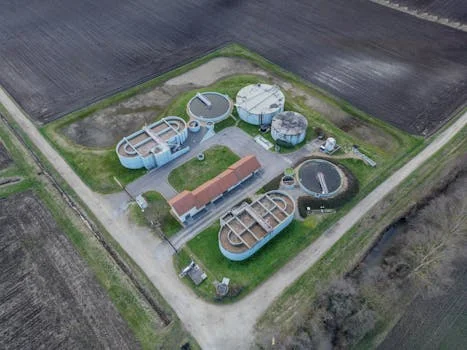
A typical packaging wastewater treatment project sees civil works and equipment accounting for 60-80% of the total CAPEX, with additional costs for specialized diagnostics and water reuse infrastructure.
Unlike municipal projects, packaging plants face unique cost drivers due to the aggressive nature of their effluent and the need for higher-grade materials:
- Contaminant Fingerprinting & Pilot Testing: Initial diagnostic costs for how DAF systems remove FOG and suspended solids can range from $5K–$15K to accurately characterize the waste stream. Pilot testing, often crucial for validating technology performance with complex packaging effluent, typically adds $20K–$50K to the project budget.
- Civil Works: This component accounts for 20–30% of CAPEX, significantly higher than the 10–15% for typical municipal projects. The corrosive nature of packaging effluent (e.g., acidic flexo inks) often mandates specialized materials like HDPE-lined concrete tanks or stainless steel, which can cost $1.2K–$2.5K/m³ of tank volume, driving up construction expenses for basins and foundations.
- Equipment: Equipment purchases represent 40–50% of the total CAPEX. For a 500 m³/day plant, DAF systems cost $250K–$800K, while MBR systems range from $1.5M–$5M (per Top 1’s price range, adapted for packaging scale). This includes pumps, blowers, chemical storage, sludge handling equipment, and advanced instrumentation.
- Engineering & Design: Detailed engineering and process design typically account for 10–15% of CAPEX, ensuring the system is optimized for the specific waste stream and regulatory requirements.
- Installation & Commissioning: Field installation, piping, electrical work, and system startup contribute 10–20% of the CAPEX.
- Permits & Regulatory Costs: While typically 5–10% of CAPEX, these costs can be 2–3x higher for packaging plants due to hazardous waste classifications (e.g., chromium or heavy metals in some inks) and the complexity of complying with specific regulations like the EPA’s ‘Categorical Pretreatment Standards’ for various industrial sectors.
- Water Reuse Infrastructure: If water reuse is a goal, additional tertiary treatment infrastructure, such as Reverse Osmosis (RO) or Ultrafiltration (UF) units, can add $500K–$2M to the CAPEX for a 500 m³/day system, depending on the required water quality.
Modular or pre-fabricated systems, such as integrated sewage treatment plants, can offer a 15–20% CAPEX reduction and 30% faster installation compared to custom-built, stick-built facilities, particularly for smaller to medium-sized packaging operations.
| CAPEX Component | Typical % of Total CAPEX (Packaging Plant) | Cost Impact Factors |
|---|---|---|
| Contaminant Fingerprinting & Pilot Testing | <1% (Fixed Cost $5K-$50K) | Complexity of waste, need for performance validation |
| Civil Works & Site Preparation | 20 – 30% | Corrosive effluent (HDPE lining, SS tanks), site topography |
| Equipment (Main Treatment Units) | 40 – 50% | Technology choice (MBR vs DAF), capacity, material of construction |
| Ancillary Equipment (Pumps, Blowers, Controls) | 5 – 10% | Automation level, redundancy requirements |
| Engineering & Design | 10 – 15% | Process complexity, customization needs |
| Installation & Commissioning | 10 – 20% | Labor rates, site access, project schedule |
| Permits & Regulatory Compliance | 5 – 10% | Hazardous waste classification, local jurisdiction fees |
| Water Reuse Infrastructure (RO/UF) | 5 – 15% (Optional) | Required effluent quality, capacity, membrane type |
OPEX Deep Dive: The Hidden Costs of Packaging Wastewater Treatment
Operational expenditure (OPEX) for packaging wastewater treatment can often exceed capital expenditure over a 5–10 year horizon, with chemical consumption and sludge disposal representing the most significant ongoing costs.
Understanding these hidden costs is crucial for accurate long-term budgeting:
- Chemical Costs: Packaging plants typically require 2–3x higher doses of coagulants and flocculants (e.g., PAC, polyacrylamide) than municipal facilities due to the complex nature and high concentration of contaminants. This results in chemical costs ranging from $0.20–$1.00/m³ (per Top 2 O&M data), making efficient PLC-controlled chemical dosing for packaging effluent critical for cost control.
- Energy: Energy consumption varies significantly by technology. MBR systems typically consume 0.8–1.2 kWh/m³ (costing $0.10–$0.40/m³), primarily for aeration and membrane scouring. DAF systems are less energy-intensive, requiring 0.2–0.4 kWh/m³ for air compressors and pumps.
- Sludge Disposal: This is a major OPEX component, ranging from $0.20–$0.80/kg. Ink sludge, particularly if containing heavy metals or certain organic compounds, may be classified as hazardous waste, adding an additional $0.30–$0.50/kg to disposal costs compared to non-hazardous sludge. Implementing sludge dewatering technologies, such as filter presses to reduce sludge disposal costs, can significantly reduce sludge volume and, consequently, disposal expenses.
- Membrane Replacement: For MBR systems, membranes require replacement every 5–8 years, contributing $0.15–$0.30/m³ to OPEX. For tertiary UF/RO systems used in water reuse, membrane lifespans are typically 3–5 years, with replacement costs of $0.05–$0.10/m³.
- Labor: Manual operation of a wastewater treatment plant can incur $0.10–$0.30/m³ in labor costs. Highly automated systems, equipped with IoT sensors and predictive maintenance capabilities, can reduce labor requirements by 40–60%, shifting the cost towards specialized maintenance and monitoring.
- Maintenance & Consumables: Routine maintenance, spare parts, and other consumables typically account for 5–10% of total OPEX.
OPEX reduction strategies include anaerobic pretreatment (where suitable) to generate biogas that can offset energy costs, optimizing chemical dosages through continuous monitoring, investing in efficient sludge dewatering equipment, and implementing predictive maintenance programs for membranes and pumps to extend asset lifespans.
| OPEX Category | Typical Cost Range ($/m³) | Key Drivers & Reduction Strategies |
|---|---|---|
| Chemicals (Coagulants, Flocculants, pH adjusters) | $0.20 – $1.00 | High contaminant load, automatic chemical dosing systems, optimized dosage |
| Energy (Pumping, Aeration, Scouring) | $0.10 – $0.40 | Technology choice (MBR higher), efficient blowers, anaerobic digestion |
| Sludge Disposal | $0.20 – $0.80 (per kg) | Hazardous waste classification, sludge dewatering (filter press), local disposal fees |
| Membrane Replacement (MBR, UF, RO) | $0.05 – $0.30 | Membrane type, lifespan (5-8 yrs MBR, 3-5 yrs UF/RO), pretreatment effectiveness |
| Labor & Monitoring | $0.10 – $0.30 | Automation level, local labor rates, system complexity |
| Maintenance & Spare Parts | $0.05 – $0.15 | Preventive maintenance, quality of equipment, predictive analytics |
ROI Calculator: Justify Your Packaging Wastewater Treatment Investment
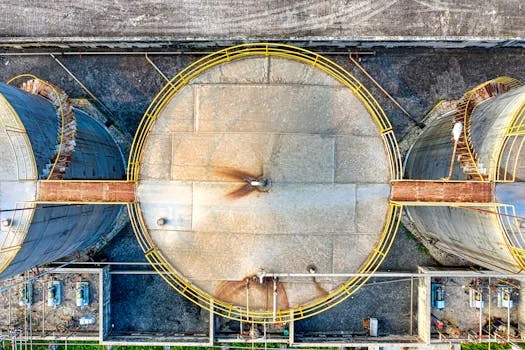
A comprehensive ROI calculator for packaging wastewater treatment allows engineers and procurement leads to quantify the financial benefits of an advanced system, providing a clear justification for budget requests and investment decisions.
Our interactive ROI calculator, available as a downloadable Google Sheets template (HydropureWater, 2025), enables users to input their specific operational data to generate key financial metrics:
Input Variables:
- Flow Rate: Daily wastewater volume in m³/day.
- Contaminant Load: Average concentrations of TSS, COD, and FOG in mg/L.
- Technology Choice: Select between MBR, DAF, Chemical Dosing, or hybrid systems, pre-populating CAPEX and OPEX benchmarks.
- Local Discharge Fees: Current or projected costs of discharging treated wastewater to municipal sewers or directly to the environment ($/m³), including surcharges for exceeding limits.
- Water Reuse Savings: Value of treated water reused for non-potable purposes (e.g., cooling towers, washdowns, boiler feed) in $/m³, offsetting potable water purchase and associated discharge fees.
- Sludge Disposal Costs: Local costs for hazardous and non-hazardous sludge disposal ($/kg).
- Energy Costs: Local electricity rates ($/kWh).
- Chemical Costs: Unit prices for coagulants, flocculants, and pH adjusters.
Outputs:
- Payback Period: The time (in years) required for the cumulative savings and benefits to offset the initial CAPEX.
- Net Present Value (NPV): The present value of future cash flows (savings and costs) over a 5-year or 10-year horizon, discounted to today's value.
- Internal Rate of Return (IRR): The discount rate that makes the NPV of all cash flows equal to zero, indicating the project's profitability.
- Annual OPEX Savings: Quantified reduction in operational costs compared to the current status quo (e.g., paying surcharges, high water consumption).
Example Calculation: For a 500 m³/day packaging plant implementing a DAF + chemical dosing system, facing $3/m³ discharge fees, and achieving $1.50/m³ water reuse savings (for non-potable uses), the calculator might project a 3.2-year payback period and an 18% IRR. This demonstrates a strong financial case for investment.
Beyond direct financial metrics, the ROI framework also accounts for crucial non-financial factors:
- Compliance Risk Mitigation: Avoidance of severe regulatory fines, which can escalate to $50K/day for persistent violations in some jurisdictions, along with legal fees and reputational damage.
- Environmental, Social, and Governance (ESG) Reporting: Water reuse initiatives improve a company's environmental footprint, contributing positively to ESG scores and sustainability reports, which are increasingly important for investors and consumers. Water reuse can also reduce Scope 2 emissions by lowering energy consumption associated with municipal water supply and treatment.
- Supply Chain Resilience: Investing in water treatment and reuse enhances operational resilience against water scarcity risks, ensuring continuous production even in regions facing water stress, thereby securing the supply chain.
Frequently Asked Questions
Understanding the common concerns and detailed answers regarding advanced packaging wastewater treatment costs can significantly streamline the decision-making process for plant managers and engineers.
What are the primary regulatory standards for packaging wastewater discharge?
Key regulatory standards include China's GB 31574-2015 for industrial wastewater discharge (especially stringent for water reuse), the EU Urban Waste Water Treatment Directive (91/271/EEC) which sets limits for BOD, COD, and TSS, and the U.S. EPA's Categorical Pretreatment Standards, which vary by packaging sub-sector (e.g., paperboard manufacturing, plastics fabrication) and define specific limits for pollutants like heavy metals, pH, and organic compounds. Non-compliance can lead to fines up to $50,000 per day in some regions.
How can I reduce sludge disposal costs for ink-heavy wastewater?
Reducing sludge disposal costs for ink-heavy wastewater involves two main strategies: volume reduction and reclassification. Implementing efficient filter presses to reduce sludge disposal costs can dewater sludge from 2-5% solids to 20-40% solids, drastically cutting volume and transport costs. Additionally, proper contaminant fingerprinting and source segregation can sometimes help reclassify sludge from hazardous to non-hazardous, reducing disposal fees by $0.30–$0.50/kg, provided it meets local criteria.
Is water reuse viable for all types of packaging wastewater?
Water reuse is technically viable for most packaging wastewater, but its economic feasibility depends on the contaminant profile and desired reuse application. For high-quality reuse (e.g., boiler feed, process water), advanced tertiary treatment like MBR followed by RO is often required, with CAPEX up to $12M for a 500 m³/day plant. For non-potable uses like cooling towers or irrigation, less stringent treatment (e.g., MBR alone) may suffice, offering savings of $1.00–$2.50/m³ on fresh water and discharge fees. The presence of specific recalcitrant organics or heavy metals may increase treatment complexity and cost.
What is the typical lifespan of MBR membranes in packaging applications?
MBR membranes in packaging wastewater applications typically have a lifespan of 5–8 years. This lifespan is highly dependent on effective pretreatment (e.g., removing high TSS and FOG via DAF systems for high-FOG packaging wastewater), consistent chemical cleaning regimens, and proper operational control to prevent irreversible fouling. Membrane replacement costs contribute $0.15–$0.30/m³ to the overall OPEX.
How do I select the right wastewater treatment technology for my packaging plant?
Selecting the right technology requires a multi-faceted approach, starting with a detailed wastewater characterization (contaminant fingerprinting, $5K–$15K). Key factors to consider include the specific contaminant loads (TSS, COD, FOG from inks/adhesives), discharge limits, available footprint, budget (CAPEX and OPEX), and future water reuse goals. A technology comparison matrix and an ROI analysis are critical tools, often leading to hybrid solutions (e.g., DAF + MBR) for optimal performance and cost-efficiency.
Further Reading
Explore these in-depth articles on related wastewater treatment topics: