Why Hospital Wastewater Is a High-Risk Stream
Hospital effluent contains a complex mix of hazardous contaminants that pose significant environmental and public health risks if discharged untreated. Unlike domestic sewage, this wastewater stream is characterized by high concentrations of pharmaceutical residues, pathogenic microorganisms, and chemical disinfectants. Approximately 15–20% of medicines used in hospitals are potentially bio-accumulative, and up to 90% of administered drugs are excreted unchanged, entering the wastewater system (per ECOKlien data). A 100-bed hospital generates roughly 75 m³ of wastewater daily, with an average water consumption of 750 L/day/bed.
The pathogen load includes multi-drug-resistant bacteria like MRSA and VRE, viruses, and radionuclides from diagnostic imaging. Discharging this untreated effluent risks creating environmental reservoirs of antibiotic resistance and violating stringent regulations like the EU Urban Waste Water Directive or EPA guidelines, leading to substantial penalties. For a detailed analysis of regional compliance challenges, see how advanced systems meet Oman’s strict hospital discharge rules.
Beyond the core contaminants, hospital wastewater is also characterized by its variable flow and load, which can spike significantly during peak operational hours or after specific procedures, challenging the capacity of treatment systems. The chemical oxygen demand (COD) can often exceed 1000 mg/L, far surpassing typical municipal sewage. This high organic and inorganic load necessitates robust primary and secondary treatment stages to prevent system overload and ensure consistent effluent quality before final disinfection.
Core Contaminants in Medical Wastewater and Removal Technologies
Selecting the correct treatment technology requires matching specific contaminants with proven removal mechanisms. Pharmaceutical compounds, including antibiotics and cytostatic drugs, are not effectively removed by conventional biological processes. Advanced oxidation processes (AOPs) like ozone or electro-oxidation are required for their destruction, achieving over 90% removal of certain compounds.
Pathogens demand robust disinfection. While chlorine is common, chlorine dioxide (ClO₂) is more effective against spores and biofilm-protected bacteria without forming significant trihalomethane byproducts. For suspended solids and fats, oils, and greases (FOG), a dissolved air flotation (DAF) unit or lamella clarifier achieves 92–97% TSS removal from influent concentrations of 200–500 mg/L. Heavy metals and radionuclides typically require coagulation-flocculation followed by filtration or ion exchange for extraction.
Analyzing the complete waste profile is critical. For instance, X-ray contrast media containing iodine require specialized adsorption processes, while high-strength organic waste from laboratories can be pre-treated with anaerobic digestion to reduce load and generate biogas. A thorough waste audit is the first step in designing an effective treatment train that can handle the unique and complex mixture of pollutants present.
Biological vs Electrochemical vs Membrane Treatment: Performance Comparison
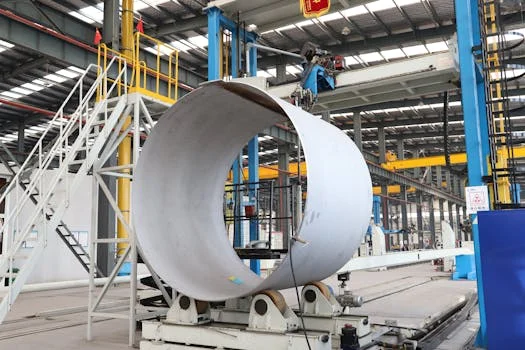
Each major treatment technology offers distinct advantages in efficiency, footprint, and operational complexity, making them suitable for different hospital profiles.
Biological systems, such as Anaerobic/Oxic (A/O) processes or Membrane Bioreactors (MBR), excel at organic reduction. A conventional activated sludge system can achieve 85–95% BOD/COD reduction, while an MBR system produces effluent with less than 1 NTU turbidity and requires a 60% smaller footprint. Electrochemical treatment, which combines electrocoagulation and electro-oxidation, is highly effective for direct destruction of pharmaceutical molecules and pathogens, with some systems reporting 90% COD reduction in a single pass. Membrane systems, particularly reverse osmosis (RO) following MBR, are necessary for producing reuse-quality water for applications like cooling tower make-up.
Ozone disinfection provides a 99%+ pathogen kill rate without leaving chemical residuals, making it ideal for sensitive discharge environments. However, operational costs for ozone can be higher than ultraviolet (UV) disinfection, though UV is less effective in water with high turbidity. The choice often comes down to a trade-off between capital expenditure (CAPEX), operational expenditure (OPEX), and the specific quality targets for the final effluent.
| Technology | Best For | COD Reduction | Footprint (m² per m³/day) | Key Advantage |
|---|---|---|---|---|
| Biological (A/O) | Organic load reduction | 85–90% | 1.2–1.8 | Lower capital cost |
| MBR | Reuse applications, space constraints | 90–95% | 0.6–1.0 | High-quality effluent, compact |
| Electrochemical | Pharmaceutical destruction | 85–90% | 0.8–1.2 | Chemical-free, effective on recalcitrant COD |
| Ozone Disinfection | Pathogen inactivation | N/A | 0.2–0.4 (add-on) | No disinfection byproducts |
How to Select the Right Hospital Effluent Treatment Plant
The selection process for a hospital effluent treatment plant involves several key considerations.The optimal system configuration depends on three primary factors: hospital size (and thus flow rate), the specific contaminant profile, and the local discharge or reuse requirements.
For small clinics or rural health posts with fewer than 5 beds, a compact fully automated hospital wastewater treatment unit is ideal. These systems handle 0.5–2 m³/day with a minimal 0.5 m² footprint and use ozone for disinfection, requiring no full-time operator.
Medium-sized hospitals (50–200 beds) generating 10–80 m³/day require more robust processing. An MBR system with automated controls and integrated sludge handling is typically the most efficient choice, providing consistent compliance and the potential for water reuse. For large facilities exceeding 200 beds, a modular approach is necessary. A containerized or above-ground plant that combines primary treatment (e.g., DAF), biological processing, and final disinfection with a chlorine dioxide generator offers scalability and redundancy. If the goal is water recycling for irrigation or cooling, an RO system must be integrated post-secondary treatment.
Beyond size, consider future expansion plans and the availability of technical staff for maintenance. A lifecycle cost analysis that includes energy consumption, chemical usage, sludge disposal fees, and potential membrane replacement costs for MBR/RO systems provides a more accurate financial picture than capital cost alone. Pilot testing is highly recommended for large projects to confirm treatability and process design.
Meeting Global Discharge Standards: EU, EPA, and Emerging Markets
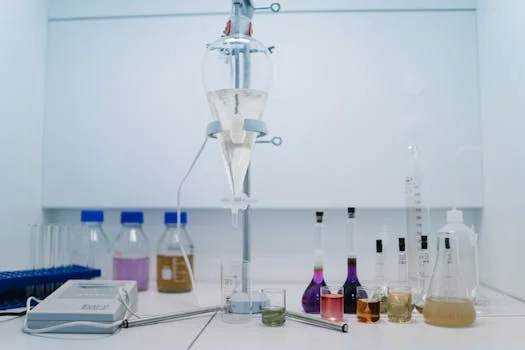
Compliance is not a one-size-fits-all requirement; discharge standards vary significantly by region and are continuously tightening, especially concerning emerging contaminants like pharmaceuticals.
The EU Urban Waste Water Directive (91/271/EEC) mandates minimum removal rates of 80% BOD, 75% COD, and 90% TSS for discharges into sensitive areas. Ozone-based systems can meet these thresholds without chemical dosing. The EPA guidelines for wastewater disinfection recommend chlorine dioxide or ozone for hospital applications due to their superior control of harmful disinfection byproducts.
Emerging markets are rapidly enacting stricter regulations. Countries like Thailand, Nigeria, and Bangladesh have recently tightened limits, often requiring BOD ≤50 mg/L and TSS ≤30 mg/L for direct discharge. MBR technology is particularly effective at consistently meeting these stringent standards. European nations like Germany and Switzerland now mandate monitoring and control of specific pharmaceutical residues, making advanced oxidation a critical component of future-proof systems. For a full breakdown of regional requirements, review our 2025 guide to Thailand's standards and the compliance guide for Bangladesh.
Staying ahead of regulatory curves is essential. Many regions are now looking at implementing limits for specific micropollutants, such as carbamazepine and diclofenac. Proactively incorporating tertiary treatment technologies like granular activated carbon (GAC) or advanced oxidation can prevent costly system retrofits down the line and ensure long-term operational compliance.
Frequently Asked Questions
What is the smallest hospital effluent treatment system available?
The compact medical wastewater system is designed for low-flow applications, handling 0.5–2 m³/day within a 0.5 m² footprint, making it suitable for small clinics and dental offices. Its plug-and-play design simplifies installation and commissioning.
Do hospital ETPs require chemical disinfection?
Not necessarily. While chemical options like chlorine dioxide exist, ozone and UV disinfection systems provide a highly effective barrier against pathogens without the safety and storage concerns associated with liquid or gaseous chemicals. Ozone is particularly favored for its rapid action and lack of persistent residuals.
Can hospital wastewater be reused?
Yes. With a treatment train that includes MBR followed by reverse osmosis, effluent can be purified to a quality safe for non-potable uses like landscape irrigation, toilet flushing, or cooling tower make-up water. This can significantly reduce a facility's freshwater footprint and operational costs.
How much sludge does a hospital ETP generate?
Sludge production typically ranges from 0.3–0.5 kg of dry solids (DS) per m³ of wastewater treated. This sludge can be thickened and dewatered using a plate and frame filter press for reduced disposal volume. It is classified as hazardous waste and must be handled and disposed of according to local regulations, often through incineration.
Is remote monitoring available?
Yes. Modern systems support SCADA integration and mobile app monitoring, providing real-time alerts for parameters like flow, pH, and disinfection efficacy, which is crucial for unmanned facilities. This allows for proactive maintenance and immediate response to any process upsets, ensuring continuous compliance.
Further Reading
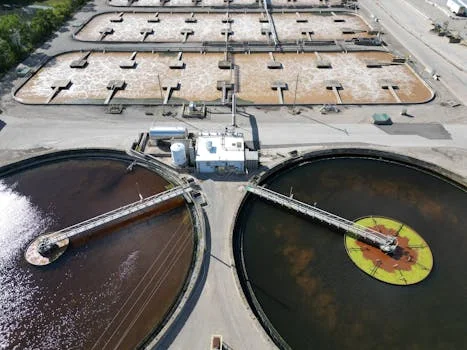
Explore these in-depth articles on related wastewater treatment topics:
- troubleshoot common issues like membrane fouling or disinfection failure
- A detailed cost analysis for a 1000-bed facility covering capital and operational expenditures.
- Utilizing anaerobic digestion for energy recovery and sludge reduction in large-scale hospital complexes.