Sewage treatment equipment suppliers in Maine serve industrial, municipal, and residential buyers who must meet DEP Chapter 500 limits such as TSS below 30 mg/L, BOD below 25 mg/L, and pH 6–9. Parkson DAF units typically deliver 92–97% TSS removal, while Maine Septic Solution distributes Fuji Clean systems for coastal nitrogen control. Freeze-thaw cycles, summer tourism peaks, and DEP Chapters 567 and 585 shape both equipment choice and total cost of ownership across the state.
Maine Wastewater Challenges and DEP Regulatory Hurdles
Maine facilities must meet DEP Chapter 500 limits of TSS below 30 mg/L, BOD below 25 mg/L, and pH 6–9, plus Chapter 567 industrial caps and Chapter 585 septic nutrient rules. Designs also need freeze protection and seasonal capacity because tourism towns can double flow in summer. Cold winters raise CAPEX through burial or insulation.
Tourism hubs such as Bar Harbor and Portland often see wastewater volumes double in peak summer months. Systems sized only for winter averages then fail TSS or BOD limits when hotels and restaurants fill. Most plants we size for coastal resorts run aeration and equalization at the lower end of the design band in March, then open spare capacity by July.
Intense freeze-thaw cycles force burial or insulated housings. An Underground Package Sewage Treatment Plant (WSZ Series) keeps biological reactors below the frost line and lowers freeze damage risk on piping. That climate premium shows up in both capital cost and winter energy use compared with warmer states.
Industrial loads vary by sector. Lobster canneries in Rockland send high FOG and TSS. Pulp and paper mills near Lincoln carry high organic strength. MaineHealth hospitals need controls for pharmaceutical traces, so teams often start from hospital wastewater treatment standards and equipment selection before Maine-specific permitting.
About 50% of Maine homes still rely on septic systems, according to DEP 2023 data. Aging tanks and coastal nitrogen pressure push upgrades toward advanced aerobic units such as Fuji Clean. Those platforms target nutrient removal rather than simple settling alone, which matters near shellfish waters.
How to Compare Sewage Treatment Equipment Suppliers in Maine
Procurement teams comparing sewage treatment equipment suppliers in Maine should score each vendor on TSS or nitrogen removal under stated conditions, DEP chapter fit, CAPEX band, and local service response. Brand familiarity alone is a weak filter. National DAF builders suit high-FOG industry. Local septic specialists fit coastal homes. Custom aeration shops cover seasonal resorts. Match the supplier’s core platform to the discharge permit before negotiating price.
The table below summarizes four supplier profiles active in Maine. It lists typical removal ranges, compliance focus, and estimated capital bands for quick screening:
| Supplier | Primary System Type(s) | TSS Removal % (Typical) | DEP Compliance Focus | CAPEX Range (Estimated) | OPEX Considerations | Ideal Use Case |
|---|---|---|---|---|---|---|
| Parkson Corporation | DAF, Screens, Clarifiers | 92–97% (DAF) | Industrial (FOG, TSS), Municipal | $50K–$500K+ | Moderate energy, chemical use | High-flow industrial (food processing), large municipal plants |
| Maine Septic Solution | Fuji Clean Septic Systems | 90%+ (BOD, TSS) | Residential, Commercial (Nitrogen Reduction) | $15K–$50K | Low energy, minimal maintenance | Coastal residential, small commercial, nitrogen-sensitive areas |
| Aeration Systems | Custom Aeration Solutions | Variable (depends on design) | Small Municipal, Resorts (Seasonal Flow) | $20K–$150K | Moderate energy, periodic maintenance | Small communities, hotels, campgrounds with variable loads |
| Septic Systems of Maine | Eco-friendly Septic (e.g., Ecoflo) | 90%+ (BOD, TSS) | Off-grid homes, Nitrogen-sensitive areas | $18K–$60K | Low energy, natural media replacement | Remote residential, eco-tourism lodges |
Parkson supplies Dissolved Air Flotation (DAF) trains, including units that reach 92–97% TSS removal at roughly 4–300 m³/h. CAPEX often lands between $50K and $500K when screens and clarifiers are bundled. That package fits lobster plants and large municipal headworks where FOG drives solids loading, as shown in DAF process calculations for Maine’s lobster canneries.
Maine Septic Solution is the exclusive New England distributor for Fuji Clean septic systems. Units in the $15K–$50K band target residential and small commercial sites that need nitrogen reduction near the coast. Aeration Systems, based in Auburn, ME, builds custom aeration for small towns and resorts with sharp seasonal swings. Septic Systems of Maine installs eco-oriented platforms such as Ecoflo for off-grid homes and lodges in nitrogen-sensitive zones.
What Makes Wastewater Treatment Equipment Suppliers Reliable?
Reliable wastewater treatment plant equipment suppliers document DEP Chapter 500, 567, or 585 compliance on similar Maine sites. They also stock critical spares within New England and publish service response times for freeze-season failures. Ask for recent effluent data under winter temperatures, not only summer pilot results. Utilities should verify commissioning support and written O&M coverage before award.
Trusted plant equipment suppliers for utilities usually show multi-year Maine references and clear spare-parts lead times. They also field operators who can walk a seasonal load curve. National OEMs bring standardized DAF or MBR skids. Local firms bring septic permitting speed and winter service trucks. For an industrial wastewater disposal system Maine plants often need both: a process OEM plus a regional installer who knows county plumbing boards.
When you shortlist best-fit wastewater treatment equipment suppliers, score freeze protection, nutrient guarantees, and 10-year TCO in the same matrix. A low bid that omits buried piping or insulated enclosures fails the first hard freeze. Most plants we size for northern counties reject bids that leave freeze scope as an owner allowance.
Engineering Specs for Maine’s Most Common Sewage Treatment Systems
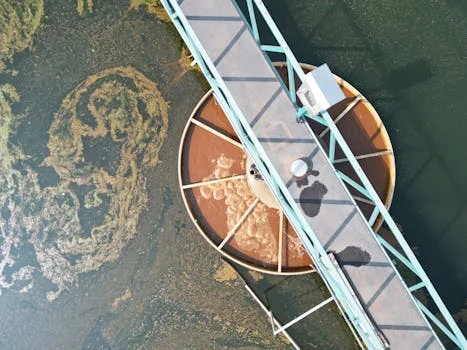
Engineering specs for Maine sewage systems must tie influent FOG, TSS, BOD, and nitrogen to effluent targets. Capacity in m³/h or GPD, footprint, and energy in kWh/m³ under winter operation also belong on the same sheet. Pre-treatment DAF, MBR, buried package plants, advanced septic, and sludge presses cover most municipal and industrial cases. Select the train that meets the permit with the least fragile winter operation.
Key technical ranges for technologies commonly specified in Maine appear below:
| System Type | Key Technology | Effluent Quality (Typical) | Capacity Range | Footprint Reduction (vs. Conventional) | Energy Use (Typical) | Special Features for Maine |
|---|---|---|---|---|---|---|
| DAF Systems | Micro-bubble flotation (10–80 μm) | 95% FOG, 92-97% TSS removal | 4–300 m³/h | N/A (pre-treatment) | 0.2–0.5 kWh/m³ | Effective for high FOG/TSS industrial loads |
| MBR Systems (DF series) | PVDF flat-sheet membranes (0.1 μm) | <1 mg/L TSS, reuse quality | 10–2,000 m³/day | Up to 60% | 0.6–1.5 kWh/m³ | Small footprint, high-quality effluent for discharge/reuse |
| Underground Package Plants (WSZ series) | A/O Biological Contact Oxidation | <30 mg/L TSS, <25 mg/L BOD | 1–80 m³/h | Minimal (buried) | 0.3–0.8 kWh/m³ | Buried installation for freeze protection, fully automated |
| Septic Systems (Fuji Clean) | Recirculating Sand Filters, Aerobic | <19 mg/L Nitrogen, <10 mg/L BOD/TSS | 500–1,500 GPD | N/A (dispersed) | Low (intermittent pump) | DEP-approved for coastal nitrogen reduction |
| Sludge Dewatering (Plate Frame Filter Press) | Pressure filtration | 20–30% cake solids | 1–500 m² filtration area | N/A (post-treatment) | Variable (pump, hydraulics) | Reduces sludge volume for disposal |
The DAF machine uses 10–80 μm micro-bubbles to remove about 95% FOG and 92–97% TSS at 4–300 m³/h while drawing roughly 0.2–0.5 kWh/m³. That duty suits industrial pre-treatment before biological stages. The DF series MBR integrated wastewater treatment uses 0.1 μm PVDF flat-sheet membranes to hold TSS below 1 mg/L for discharge or reuse at 10–2,000 m³/day, cutting footprint by up to 60% versus conventional trains.
WSZ series underground package plants for freeze-resistant installation apply A/O contact oxidation at 1–80 m³/h to target TSS below 30 mg/L and BOD below 25 mg/L. Buried tanks and automation matter when overnight lows threaten surface plants. Fuji Clean-class septic trains with recirculating sand filters aim for nitrogen below 19 mg/L and BOD/TSS below 10 mg/L at 500–1,500 GPD in coastal zones. Plate-frame filter presses with 1–500 m² filtration area typically yield 20–30% cake solids and cut haul volumes after clarification.
Spec sheets should state removal at a winter mixed-liquor temperature, not only at 20 °C lab conditions. Maine package plants that look fine on a summer factory test can lose nitrification when basin water drops near 8–10 °C. Ask vendors for cold-weather performance notes before you lock the purchase order.
Maine DEP Compliance: How to Avoid Fines and Permit Delays
Maine DEP Chapters 500, 567, and 585 set the enforceable limits that decide whether a sewage plant stays in compliance or faces fines and delayed permits. Municipal plants track Chapter 500. Industry tracks Chapter 567 sector caps. Subsurface systems track Chapter 585 nutrient rules. Design the process train to the chapter that matches the discharge path before ordering equipment.
DEP Chapter 500: Municipal Wastewater Treatment Facilities Chapter 500 sets TSS below 30 mg/L, BOD below 25 mg/L, and pH 6–9 for municipal discharges. Tourist-area plants must also plan seasonal flow adjustments, often up to 2× average daily flow in summer, or risk exceedances. Many facilities use ClO₂ generators for DEP-compliant disinfection to meet pathogen reduction after secondary treatment.
DEP Chapter 567: Industrial Wastewater Treatment Industrial permits under Chapter 567 are sector-specific. Lobster canneries in Maine are typically held to TSS below 50 mg/L and FOG below 10 mg/L. Those caps usually force dedicated FOG pre-treatment before biological polishing so the final outfall stays inside the industrial license.
DEP Chapter 585: Subsurface Wastewater Disposal Rules Chapter 585 governs septic and other subsurface systems. Coastal zones often require nitrogen below 19 mg/L to protect marine waters. Discharges near inland lakes such as Sebago Lake commonly face phosphorus below 1 mg/L to limit eutrophication.
According to DEP 2024 data, new systems typically need 6–12 months for permit approval, while upgrades often take 3–6 months. Early engagement and complete applications shorten that clock. DEP 2023 enforcement patterns show high TSS as about 30% of violations, pH excursions about 20%, and coastal nitrogen exceedances about 15%. Prioritize solids control, pH buffering, and nutrient stages that match those failure modes.
Operators who log weekly TSS, pH, and nitrogen in coastal plants catch most exceedance trends before a formal notice arrives. Most plants we size for Maine coastal discharge keep a spare polymer tote and a calibrated pH buffer kit on the rack through the tourist season. That small inventory costs little compared with a single TSS fine package.
Cost Breakdown: CAPEX, OPEX, and ROI for Maine’s Sewage Treatment Systems
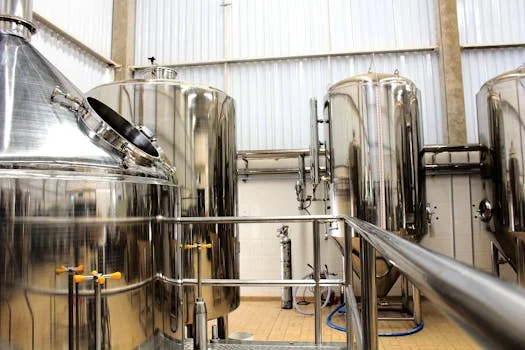
CAPEX, OPEX, and ROI for Maine sewage projects depend on technology class, freeze-protection scope, chemical use, and labor intensity over a 10-year horizon. DAF and MBR sit at higher capital bands. Buried package plants and advanced septic sit lower but still carry climate adders. Budget the Maine winter premium before comparing vendor quotes side by side.
Estimated CAPEX bands by system type used in Maine projects are listed here:
| System Type | CAPEX Range (Estimated) | Key Cost Drivers |
|---|---|---|
| DAF Systems | $50,000 – $500,000 | Equipment size, materials, installation complexity |
| MBR Systems | $100,000 – $1,000,000+ | Membrane cost, bioreactor size, automation level |
| Underground Package Plants | $30,000 – $200,000 | Treatment capacity, construction materials, controls |
| Advanced Septic Systems | $15,000 – $50,000 | Tank size, treatment media, pump systems, installation |
| Sludge Dewatering (Filter Press) | $20,000 – $300,000 | Plate size/count, automation, auxiliary equipment |
OPEX is driven mainly by energy, typically 0.2–1.5 kWh/m³ depending on process intensity and automation. Polymer (PAM) for DAF or dewatering can add about $0.05–$0.20/m³. Labor falls when plants are highly automated and rises on older manual trains. An automatic chemical dosing system stabilizes dose rates and cuts operator hours on chemical days.
Maine-specific adders include a 10–20% CAPEX premium for freeze protection such as insulation, heat tracing, or burial. Remote monitoring for seasonal or distributed sites can add another 5–10% to CAPEX. Tourism sites also carry seasonal staffing costs that inflate OPEX even when equipment energy looks moderate on paper.
A worked ROI case from the source material starts with a Rockland lobster cannery. A $150K DAF investment may spend about $30K/year in OPEX. Savings near $50K/year can come from fewer DEP fines, lower sludge hauling, and water reuse enabled with industrial RO systems for water reuse in Maine’s food processing plants. That path implies roughly a 7.5-year payback. Funding levers include Maine DEP Clean Water State Revolving Fund loans and USDA Rural Development grants for municipalities under 10,000 population.
Decision Framework: Selecting the Right System for a Maine Facility
A five-step decision framework helps Maine buyers align discharge limits, site constraints, technology fit, supplier capability, and 10-year TCO before purchase. Skip any step and the plant usually fails on winter operation, nutrient limits, or budget overrun. Use the checklist below as a gate before issuing RFPs to bidders.
Step 1: Define Discharge Requirements and Influent Characteristics Map the permit to DEP Chapters 500, 567, or 585. Characterize TSS, BOD, FOG, nitrogen, phosphorus, pH, and peak flows. Industrial sites must size for peak contaminant spikes, not only average day values.
Step 2: Assess Site Constraints and Operational Needs Check footprint, grade, power, maintenance access, and freeze protection needs. Remote or seasonal sites usually need automation and remote alarms. Buried package plants often win where surface buildings freeze hard.
Step 3: Compare System Types Based on Technical Suitability Match permit and site data to technology strengths. Use this comparison as a first filter before detailed proposals:
| System Type | Primary Application | Key Benefit | Considerations |
|---|---|---|---|
| DAF Systems | Industrial pre-treatment (food processing, manufacturing) | High TSS and FOG removal, reduces downstream load | Requires chemical dosing, sludge handling |
| MBR Systems | Municipal, industrial, water reuse applications | Reuse-quality effluent, small footprint | Higher CAPEX, membrane fouling potential |
| Underground Package Plants | Small municipal, resorts, remote industrial sites | Compact, buried for freeze protection, automated | Limited capacity for very large flows |
| Advanced Septic Systems | Residential, small commercial, coastal properties | Nitrogen reduction, decentralized solution | Limited flow capacity, requires leach field |
Step 4: Evaluate Suppliers and Service Capabilities Review Maine or New England references, DEP compliance history, and service contracts covering install, commissioning, and winter maintenance. Local response time often matters more than catalog horsepower when a blower fails in February.
Step 5: Calculate Total Cost of Ownership (TCO) and ROI Compute CAPEX plus 10-year OPEX. Include avoided fines, reuse water value, and sludge haul savings. The Portland Water District’s MBR upgrade in 2023 cut TSS from 45 mg/L to below 5 mg/L and was estimated to save about $200K/year in fines and operating efficiencies.
Selection checklist (use before award)
- Confirm the governing DEP chapter and numeric limits for the outfall.
- Document peak summer flow and winter biological temperature assumptions.
- Require freeze-protection scope in the base bid, not as an option.
- Demand effluent guarantees under stated temperature and load conditions.
- Compare 10-year TCO, not equipment CAPEX alone.
- Verify spare-parts lead times inside New England for critical rotating assets.
- Align permit schedule (often 6–12 months new / 3–6 months upgrade) with construction.
Who this is for / Who should look elsewhere / Next step
This guide fits plant engineers, EPC contractors, and procurement managers specifying municipal, industrial, or advanced septic trains in Maine. Pure residential buyers seeking only a conventional leach-field tank may not need industrial DAF or MBR detail. For a scoped quote on package plants, DAF, or MBR matched to your DEP limits, request a Maine project quote with your flow and effluent targets.
Frequently Asked Questions
What are the most common DEP violations for sewage systems in Maine?
According to DEP 2023 data, the most common sewage-system violations in Maine are high TSS exceedances (about 30% of enforcement actions), pH excursions (about 20%), and coastal nitrogen exceedances (about 15%). Causes usually include undersized solids removal, poor pH control during industrial dumps, or missing nutrient stages. Continuous monitoring on those three parameters catches most permit risk early.
How do Maine’s cold winters affect sewage treatment equipment?
Maine winters require freeze protection through buried tanks, insulated piping, and heated enclosures on exposed equipment. Freezing can crack lines, slow biology, and trigger permit upsets until temperatures recover. Designs that ignore burial or heat tracing typically fail in the first deep freeze cycle.
What’s the difference between DAF and MBR for industrial wastewater in Maine?
DAF is a pre-treatment step that removes about 95% FOG and high TSS at roughly $50K–$500K CAPEX. MBR combines biology and membrane filtration to produce reuse-quality effluent with TSS below 1 mg/L at about $100K–$1M CAPEX. Maine food plants often use DAF first, then MBR or conventional biology for final discharge or recycle.
Are there grants or loans for sewage system upgrades in Maine?
Yes. The Maine DEP Clean Water State Revolving Fund offers low-interest loans for eligible municipal and some private wastewater projects. USDA Rural Development grants can support wastewater improvements in rural communities with populations under 10,000. Confirm eligibility early because application cycles can run parallel to DEP permitting.
How long does a DEP permit take for a new sewage system in Maine?
New sewage treatment systems in Maine typically need 6–12 months for DEP permit approval. Upgrades to existing systems often take 3–6 months. Timelines cover application review, public comment, and technical evaluation, so owners should start permitting before ordering long-lead equipment.
Related Equipment
- Compact medical wastewater system for Maine hospitals and clinics — view specifications, capacity range, and technical data
Need a customized solution? Request a free quote with your specific flow rate and pollutant parameters.