California's sewage treatment equipment market splits into local service integrators (some operating since 1986) and global manufacturers. Key decision factors include flow capacity (4–300 m³/h for DAF systems), Title 22 recycled-water criteria (turbidity average ≤ 2 NTU and median total coliform ≤ 2.2 MPN/100 mL for disinfected tertiary), and lifecycle costs (MBR systems offer a 60% smaller footprint but 20–30% higher O&M costs than conventional activated sludge). This guide compares suppliers, equipment, and California-specific compliance data for industrial and municipal buyers.
California Sewage Treatment Equipment Suppliers: Landscape and Regulations
California sewage treatment equipment suppliers split into local turnkey integrators and global hardware makers. Buyers size to flow, Title 22 recycled-water criteria, and regional NPDES limits. Title 22 disinfected tertiary needs media-filter turbidity averaging ≤ 2 NTU in 24 hours and median total coliform ≤ 2.2 MPN/100 mL. Lead times run 8–24 weeks; DAF and MBR dominate reuse projects.
Procurement teams generally face two supplier categories. Local service integrators deliver turnkey design, engineering, and long-term maintenance, which fits projects that need heavy customization and fast on-site support. Global manufacturers supply specialized hardware such as high-speed turbo blowers or membrane modules; their engineering data is robust and unit costs run lower, but installation and emergency repair depend on third-party partners.
The trade-off is response time versus unit cost. A local integrator who has worked the Los Angeles or Fresno discharge limits since the 1980s will often resolve compliance issues faster than a global vendor shipping equipment-only. The global vendor will typically offer stronger engineering documentation for large municipal upgrades.
| Regulatory Factor | Title 22 Requirement | NPDES Industrial Pretreatment |
|---|---|---|
| TSS Limits | < 30 mg/L (Disinfected Secondary) | Varies (typically 50–250 mg/L) |
| Turbidity | < 2 NTU (Median) | Not typically specified |
| FOG Limits | Not specified | < 100 mg/L (Local sewer limits) |
| Primary Equipment | MBR, DAF, UV Disinfection | DAF, Clarifiers, Screens |
Key Sewage Treatment Equipment for California Projects
Dissolved Air Flotation (DAF) systems reach 92% to 97% TSS removal by floating micro-bubbles to the surface for skimming. In the Central Valley food-processing sector, DAF is the standard for Fats, Oils, and Grease (FOG) removal. Engineering data shows that DAF systems for California industrial wastewater handle 4 to 300 m³/h, fitting both small wineries and large dairies. A Fresno food processor cut influent TSS from 1,200 mg/L to under 30 mg/L with a DAF unit, meeting on-site irrigation targets that pair Title 22 disinfection with low solids. Engineers sizing these units should review a 2025 DAF system engineering specs and selection criteria.
Membrane Bioreactor (MBR) systems use PVDF membranes with a pore size of approximately 0.1 μm and routinely produce effluent with TSS under 1 mg/L, which matters for municipal reuse projects like Los Angeles Hyperion. Integrated MBR systems for Title 22-compliant water reuse take roughly 60% less footprint than conventional activated sludge because secondary clarifiers drop out. For flux and transmembrane pressure (TMP) sizing, see MBR membrane engineering and performance benchmarks.
Sludge management in California focuses on cutting hauling costs through high-efficiency dewatering. Belt filter presses typically reach 20–30% cake solids, while high-efficiency sludge dewatering for California facilities using plate-and-frame presses reach 30–40% solids. Raising cake solids from 20% to 30% cuts hauled sludge volume by about 33%. Energy use stays low at 0.1 to 0.3 kWh/m³ of processed sludge.
Headworks screening protects downstream membranes and pumps. Fine screening for California municipal and industrial headworks using rotary mechanical bar screens removes 85–95% of rags and plastics. With bar spacings from 6 mm to 100 mm, these screens cut MBR fouling and centrifugal pump wear, both common causes of unplanned downtime.
| Equipment Type | Flow Capacity (m³/h) | Removal Efficiency | Primary Use Case |
|---|---|---|---|
| DAF System | 4 – 300 | 97% TSS / 95% FOG | Food Processing / Petrochemical |
| MBR System | 10 – 5,000+ | >99% TSS / Pathogens | Title 22 Water Reuse |
| Filter Press | 1 – 50 (Sludge) | 30–40% Cake Solids | Municipal Sludge Dewatering |
| GX Bar Screen | 50 – 2,000 | 85–95% Solids Capture | Plant Headworks Protection |
Supplier Comparison Matrix: California Sewage Treatment Equipment Providers
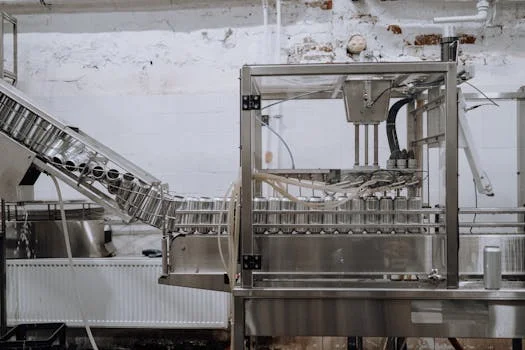
Lead times for custom-engineered sewage treatment equipment in California run 8 weeks for local service integrators to over 24 weeks for specialized global manufacturers. When evaluating a sewage treatment equipment supplier in California USA, procurement teams should weigh compliance expertise and local service availability alongside purchase price. Local integrators who have operated in the state since the mid-1980s usually deliver stronger turnkey support but charge a premium for it.
Global manufacturers offer a different trade. Companies like HydropureWater partner with California-based distributors to ship high-capacity DAF and MBR systems that meet Title 22 while keeping global pricing competitive. These systems suit large industrial projects where engineering data and equipment reliability drive the decision. The recurring gap is the lack of a dedicated local service team for same-day repairs; keeping critical spare parts on-site is the usual workaround. For tight-footprint municipal or remote-site packages, an Underground Package Sewage Treatment Plant (WSZ Series) from a domestic manufacturer can also shorten the install window.
| Supplier Type | Lead Time (Weeks) | Compliance Expertise | Service Model | Typical Cost ($/m³) |
|---|---|---|---|---|
| Local Integrator | 8 – 12 | High (Title 22/NPDES) | Turnkey / Maintenance | $1.50 – $2.50 |
| Global Manufacturer | 12 – 24 | Technical/Standardized | Equipment Only | $0.80 – $1.80 |
| Component Supplier | 4 – 8 | Low (Parts only) | Transaction-based | N/A |
Cost Breakdown: Capital vs. O&M for California Sewage Treatment Projects
Capital expenditure for California wastewater projects runs $1,000 to $3,000 per m³/h of capacity for DAF units; MBR systems cost more up front because of membranes and instrumentation. A 100 m³/h DAF for an industrial plant typically lands between $150,000 and $350,000 depending on material (304 vs. 316 stainless steel). MBR systems at the same flow rate can exceed $1 million once biological tanks and CIP systems are included. Regional baselines appear in wastewater treatment plant cost breakdowns and ROI calculations.
Operating and maintenance (O&M) costs dominate long-term viability. MBR energy use runs 0.4 to 0.8 kWh/m³ versus 0.2 to 0.5 kWh/m³ for DAF. Chemical dosing swings the budget; optimizing chemical dosing for California wastewater projects can cut annual coagulant spend by up to 30%, saving $15,000 to $40,000 per year on a 1,000 m³/day plant.
ROI comes from three lines: lower discharge fees, reduced sludge disposal, and water reuse. Many California municipalities surcharge high-strength wastewater above $1.00 per pound of BOD or TSS, so a DAF unit that removes 95% of TSS often pays back the capital cost in 18 to 24 months.
| Cost Category | DAF System (100 m³/h) | MBR System (100 m³/h) |
|---|---|---|
| Capital Cost | $150k – $350k | $500k – $1.5M |
| Energy (kWh/m³) | 0.2 – 0.5 | 0.4 – 0.8 |
| Chemicals ($/m³) | $0.05 – $0.20 | $0.01 – $0.05 |
| Maintenance | Mechanical/Scraper | Membrane Cleaning/Replacement |
Decision Framework: Choosing a California Sewage Treatment Equipment Supplier
Selecting a sewage treatment equipment supplier in California USA comes down to a weighted score on flow capacity, influent profile, and the discharge limits set by the relevant regional State Water Resources Control Board. Start with the objective: municipal pretreatment compliance or Title 22 reuse. High-FOG food-processing influent points to DAF; purple-pipe reuse targets MBR.
Match equipment to the influent next. When influent TSS exceeds 500 mg/L, a DAF is the most cost-effective primary stage. When the target is TSS under 5 mg/L, MBR is required. Weigh the supplier's compliance record: a vendor who has run Napa Valley winery systems will understand seasonal flow swings and high organic loads, while a vendor who serves Los Angeles metal finishers will prioritize heavy-metal precipitation and pH neutralization.
For projects above 100 m³/h, run a pilot. Pilot units let plant engineers validate removal efficiency and chemical dosing against actual site wastewater, and they prevent the common pitfall of oversizing equipment from worst-case theoretical data, which inflates both capital cost and energy use. Prioritize suppliers that publish transparent O&M data and can document a clean record on California environmental audits.
Selection Checklist for California Sewage Treatment Equipment Suppliers
- Confirmed Title 22 or NPDES compliance history in your regional board's jurisdiction.
- Pilot test data on your actual influent at design flow (≥ 100 m³/h projects).
- Documented local service response time and spare-parts inventory.
- Transparent O&M data: energy (kWh/m³), chemicals ($/m³), membrane or scraper service intervals.
- Equipment lead time matched to your permitting window (SWRCB and air district reviews add 3–6 months).
- Financing pathway identified: CWSRF for municipal, CPCFA loan or lease for industrial.
Next Step
If you are scoping a California project, send your peak flow (m³/h), influent TSS/BOD/FOG, and target effluent limits to our engineering team for a sized equipment recommendation and budget range. Request a quote with influent data and we will return a Title 22-compliant package within two business days.
Frequently Asked Questions
What are the key compliance requirements for sewage treatment equipment in California?
California Title 22 recycled-water criteria for disinfected tertiary require filter effluent turbidity averaging ≤ 2 NTU within a 24-hour period for media filtration and a median total coliform count ≤ 2.2 MPN/100 mL. NPDES permits govern surface water discharge, with limits set by each regional board. Industrial sites must also meet local Sewer Use Ordinances that typically cap FOG at 100 mg/L, restrict pH range, and limit heavy metals. Most plants we size for Central Valley food processors fail first on FOG, not TSS.
How do I choose between a DAF and MBR system for my project?
Choose a DAF system when the goal is FOG and high-TSS removal (92–97% removal) at lower capital cost ($150k–$350k at 100 m³/h). Choose an MBR system when reuse-quality water is required (TSS < 1 mg/L) or footprint is severely constrained, accepting 0.4–0.8 kWh/m³ energy use and higher membrane maintenance. For high-FOG food processing, DAF almost always comes first; MBR is the polish step.
What is the typical lead time for sewage treatment equipment in California?
Standard equipment such as bar screens or small DAF units ships in 8–12 weeks. Large custom-engineered MBR systems or automated filter presses take 16–24 weeks. SWRCB or local air district permitting adds another 3–6 months, so procurement teams should build the permit clock into the critical path, not just the factory clock.
Are there financing options for sewage treatment equipment in California?
Municipal projects can tap the Clean Water State Revolving Fund (CWSRF) at below-market rates. Industrial sites can apply for low-interest loans through the California Pollution Control Financing Authority (CPCFA) or use equipment leasing programs offered by major manufacturers to preserve working capital. Pairing CWSRF with an energy-efficiency rebate often closes the ROI gap on MBR retrofits.
How can I reduce O&M costs for my sewage treatment system?
Automated flocculant dosing units typically cut chemical waste by 20–30%, which on a 1,000 m³/day plant saves $15,000–$40,000 per year. Energy-efficient blowers for aeration and scheduled preventive maintenance on membranes or scraper assemblies prevent emergency repairs and extend equipment life. The cheapest gains usually come from tuning chemistry before replacing hardware.