Pattaya Wastewater Treatment Plant Cost 2025: Engineering Breakdown with Local Data, Compliance & ROI Calculator
In Pattaya, wastewater treatment plant costs range from 3.6M THB for a compact industrial system (375 tons/month capacity) to 558M THB for a municipal plant (65,000 m³/day). Industrial systems typically pay back in under 10 months due to avoided waste disposal fees (1,000 THB/ton), while municipal projects face 20–30% cost overruns from regulatory changes and site constraints. Key cost drivers include treatment technology (MBR vs. conventional), sludge handling requirements, and compliance with Thailand’s PCD discharge standards (BOD < 20 mg/L, TSS < 30 mg/L).
Why Pattaya’s Wastewater Treatment Costs Are Higher Than Bangkok (And How to Budget Accurately)
Pattaya’s tourism-driven wastewater load exhibits biological oxygen demand (BOD) concentrations approximately 40% higher than Bangkok’s residential sewage, necessitating advanced multi-stage treatment processes that increase capital costs by 15–25% (per JICA coastal city benchmarks). Unlike the inland industrial parks of Pathum Thani or Samut Prakan, Pattaya’s proximity to the Gulf of Thailand subjects all facilities to stringent coastal discharge limits. Under Thailand’s PCD Notification No. 4 (2023), any plant within 5 km of the shoreline must implement tertiary treatment, which typically adds between 3.2M and 8.5M THB to municipal project budgets.
Land scarcity in high-density areas like Jomtien and Naklua further inflates civil works costs. In these zones, construction expenses are often 40% higher than inland sites due to the need for deep piling and specialized dewatering in high-water-table environments. For example, a 558M THB municipal plant in Pattaya carries a significantly higher price tag than a 380M THB plant of similar capacity in Chiang Mai, primarily due to these geographic constraints. Understanding these factors is essential when comparing Phuket wastewater treatment plant costs and engineering specs, which face similar coastal premiums.
When budgeting for a project in Pattaya, stakeholders must first categorize the project type to determine the funding and regulatory path:
- Industrial Projects: Privately funded, typically ranging from 375 to 5,000 m³/day, with budgets between 3.6M and 45M THB. These focus on ROI through waste fee avoidance.
- Municipal Projects: Publicly funded, ranging from 10,000 to 65,000 m³/day, with budgets between 300M and 600M THB. These focus on long-term urban resilience and environmental compliance.
Industrial Wastewater Treatment Costs in Pattaya: 2025 Engineering Specs and Budget Benchmarks
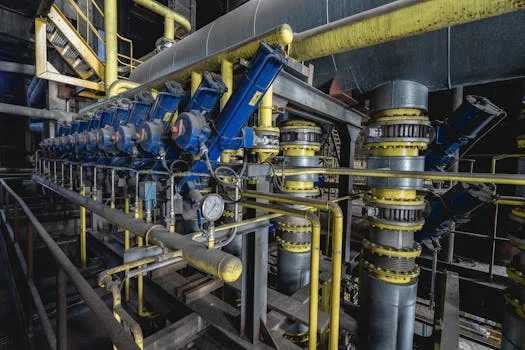
Industrial wastewater treatment systems in Pattaya typically require a capital expenditure (CAPEX) of 3.6M THB for a capacity of 375 tons per month, with a projected return on investment achieved in under 10 months (confirmed in U.I. Masters 2019 case study). For larger facilities, costs scale according to the 0.7 power rule of engineering economics. A facility requiring 100 m³/day capacity will likely face a CAPEX of 12M THB, while a 500 m³/day system approaches 45M THB, depending on the complexity of the influent.
| System Capacity (m³/day) | Typical CAPEX (THB) | Monthly OPEX (THB) | Estimated Payback (Months) |
|---|---|---|---|
| 15 (375 tons/month) | 3,600,000 | 15,000 | 10 |
| 100 | 12,000,000 | 85,000 | 14 |
| 500 | 45,000,000 | 320,000 | 18 |
Technology selection significantly impacts these benchmarks. Implementing a MBR system for Pattaya’s high-BOD wastewater and coastal discharge limits adds a 30–40% premium to CAPEX but reduces the physical footprint by up to 60%, a critical factor for land-constrained factories. Conversely, food processing plants often require a high-efficiency DAF system for Pattaya’s food processing and textile wastewater to remove fats, oils, and grease (FOG) before biological treatment, adding 15–20% to the initial budget as per Thailand’s Industrial Effluent Standards (2024).
Hidden cost drivers include heavy metal pretreatment, which can add 1.2M to 3.5M THB for electronics or electroplating plants, and sludge disposal fees. In the Pattaya-Rayong corridor, hazardous sludge disposal costs range from 800 to 1,500 THB/ton. To mitigate these, many firms invest in compact underground WWTP for Pattaya’s land-constrained sites, which utilize A/O biological contact oxidation to minimize sludge volume and odor. A successful case study in the nearby 304 Industrial Park demonstrated that a 3.6M THB investment in such a system allowed for equipment depreciation in less than a year by eliminating the 375,000 THB monthly cost of hauling untreated waste.
Municipal Wastewater Treatment Plant Costs in Pattaya: 2025 Project Budget and Timeline Realities
The 558M THB Pattaya municipal wastewater treatment plant budget reflects a cost intensity of approximately 8,584 THB per m³ of daily capacity, driven largely by civil engineering complexities in coastal terrain. For municipal planners, understanding the allocation of these funds is vital for preventing the 20–30% overruns common in Chonburi province projects. Data from the Pattaya Mail regarding the Jomtien facility indicates that civil works account for nearly half of the total expenditure due to the high water table and soil instability.
| Budget Category | Allocation (%) | Estimated Cost (THB) | Key Components |
|---|---|---|---|
| Civil Works | 45% | 251,100,000 | Piling, dewatering, tank construction |
| Mechanical & Electrical | 30% | 167,400,000 | Pumps, blowers, control panels, SCADA |
| Treatment Technology | 15% | 83,700,000 | Membranes, diffusers, media |
| Permits & Engineering | 10% | 55,800,000 | EIA, PCD approvals, design fees |
Timeline risks are a major concern in Pattaya. The city’s second WWTP was delayed by over two years due to a combination of the 2011 flood crisis and mid-project design changes requested by city hall. To mitigate these risks, engineers are increasingly turning to modular construction. Utilizing MBR system for Pattaya’s high-BOD wastewater and coastal discharge limits in a containerized format can shave 12 months off the construction schedule compared to traditional cast-in-place concrete tanks. specialized facilities like hospitals must account for medical wastewater treatment solutions that include dedicated disinfection stages to meet specific PCD health standards.
The 65,000 m³/day Pattaya WWTP serves as a technical benchmark for the region. The process flow involves coarse and fine screening, primary sedimentation, activated sludge biological treatment, and tertiary filtration followed by UV disinfection. This multi-stage approach ensures the effluent meets the strict BOD < 20 mg/L and TSS < 30 mg/L standards required for coastal discharge into the Gulf of Thailand.
Treatment Technology Showdown: MBR vs. Conventional vs. DAF for Pattaya’s Wastewater Challenges
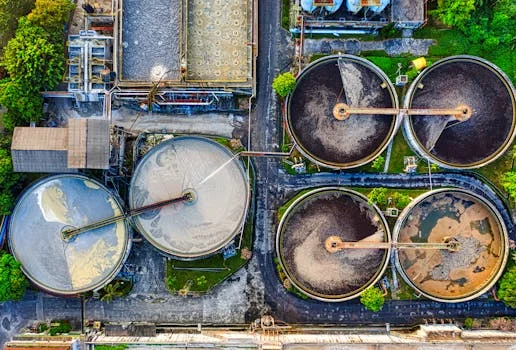
Membrane Bioreactor (MBR) technology offers a 60% footprint reduction compared to Conventional Activated Sludge (CAS) in Pattaya, though it carries a 30–40% CAPEX premium due to high-flux membrane requirements. For facility managers in Jomtien, where land prices are among the highest in the Eastern Economic Corridor (EEC), the footprint savings often outweigh the initial equipment cost. CAS remains the standard for large-scale municipal plants where land is available, providing lower energy consumption and simpler operational requirements.
| Parameter | MBR | Conventional (CAS) | DAF (Pre-treatment) |
|---|---|---|---|
| CAPEX (THB/m³/day) | 14,000 - 18,000 | 9,000 - 12,000 | 4,000 - 6,000 |
| OPEX (THB/m³) | 8 - 12 | 5 - 8 | 3 - 5 |
| Footprint (m²/m³/day) | 0.15 - 0.25 | 0.50 - 0.80 | 0.05 - 0.10 |
| BOD Removal (%) | 98% + | 85 - 92% | 20 - 30% |
| Coastal Compliance | Excellent | Requires Tertiary | No (Partial only) |
For industrial users, particularly in the seafood processing sector, a high-efficiency DAF system for Pattaya’s food processing and textile wastewater is often mandatory. DAF systems excel at removing 95% of FOG, which would otherwise foul membranes or inhibit biological activity in downstream stages. A Pattaya-based seafood processor recently reduced overall treatment costs by 25% by implementing a DAF + MBR hybrid system. This configuration allowed the DAF to handle heavy organic loading while the MBR system for Pattaya’s high-BOD wastewater and coastal discharge limits ensured the final effluent was of near-reuse quality, suitable for cooling tower make-up water.
Compliance Costs in Pattaya: How Thailand’s Discharge Standards Impact Your WWTP Budget
Thailand’s Pollution Control Department (PCD) mandates that effluent discharged into Pattaya’s coastal zones must maintain a BOD level below 20 mg/L, a standard 33% more stringent than the national average for inland industrial zones. Meeting these limits requires the integration of tertiary treatment stages, such as sand filtration or carbon adsorption, which adds 15–25% to the total CAPEX. For municipal plants, continuous monitoring systems for Total Organic Carbon (TOC) and turbidity are becoming standard, adding roughly 500,000 THB per year in maintenance and calibration costs.
| Parameter | National Standard (PCD) | Pattaya Coastal Limit | Cost Impact of Stricter Limit |
|---|---|---|---|
| BOD (mg/L) | < 30 | < 20 | +15% CAPEX (Aeration/MBR) |
| TSS (mg/L) | < 50 | < 30 | +10% CAPEX (Filtration) |
| Oil & Grease (mg/L) | < 5.0 | < 2.0 | Requires DAF/Skimmers |
| Disinfection | Optional | Mandatory | +5% CAPEX (UV/Chlorine) |
Permitting and environmental assessments represent another significant budget line item. Any plant with a capacity exceeding 5,000 m³/day requires a full Environmental Impact Assessment (EIA), costing between 2M and 5M THB. Smaller industrial plants must still navigate the PCD permit application process, which typically costs between 300,000 and 800,000 THB. To ensure long-term compliance, many facilities are now integrating a chlorine dioxide generator for superior pathogen control or reverse osmosis (RO) units for advanced water reclamation, which can offset compliance costs by providing a reliable source of process water.
ROI Calculator: How to Justify Your Pattaya Wastewater Treatment Plant Investment
Financial justification for a Pattaya-based WWTP relies on a dual-benefit model: the mitigation of industrial waste disposal fees (averaging 1,000 THB/ton) and the reduction of municipal water procurement costs through non-potable reuse. For an industrial plant processing 375 tons per month with a 3.6M THB CAPEX, the monthly savings from avoided disposal fees (375,000 THB) minus the monthly OPEX (15,000 THB) results in a net saving of 360,000 THB. This yields a payback period of exactly 10 months, matching data from regional case studies.
When evaluating how Jaipur’s industrial WWTP costs compare to Pattaya’s, the ROI in Thailand is often faster due to higher local waste disposal tariffs. A sensitivity analysis for a typical Pattaya project reveals that even with a 20% increase in CAPEX due to unforeseen site conditions, the payback period only extends to 12.5 months. Conversely, if waste disposal costs rise by 10%, the payback period drops to approximately 9 months. For municipal projects, the ROI calculation should include "avoided fines" (up to 500,000 THB per violation) and the economic value of improved public health and tourism appeal, which can be quantified using WHO Disability-Adjusted Life Year (DALY) metrics.
To calculate your specific ROI, input the following parameters into your financial model:
- CAPEX: Total installed cost including civil works.
- OPEX: Energy, chemicals, labor, and sludge dewatering equipment costs and specs for Thailand’s industrial plants.
- Savings: (Disposal Fee per Ton × Monthly Volume) + (Water Tariff × Reuse Volume).
- Avoidance: Potential regulatory fines and downtime costs.
Frequently Asked Questions
What is the average cost per m³ for a wastewater treatment plant in Pattaya?
For industrial plants, the cost typically ranges from 9,600 to 12,000 THB per m³ of daily capacity. For large-scale municipal plants, the cost is slightly lower due to economies of scale, averaging 8,500 to 10,000 THB per m³ (e.g., the 558M THB plant for 65,000 m³/day).
How long does it take to build a wastewater treatment plant in Pattaya?
Industrial plants using modular or integrated systems can be commissioned in 6 to 12 months. Municipal projects are significantly longer, typically taking 3 to 5 years due to land acquisition, EIA approvals, and civil engineering complexities. Pattaya’s second WWTP famously took over 4 years to complete.
What are the ongoing costs for a Pattaya wastewater treatment plant?
Small industrial systems (375 m³/month) have running costs around 15,000 THB per month. Large municipal plants operate at 5 to 10 THB per m³ treated. Energy consumption is the largest driver (30–40%), followed by chemicals (20–30%) and sludge disposal (15–25%).
Can I reuse treated wastewater in Pattaya?
Yes. MBR systems produce effluent suitable for non-potable reuse, such as landscape irrigation, cooling towers, and toilet flushing. This can save 20–30 THB per m³ on municipal water bills. For potable-grade reuse, advanced RO and UV stages are required.
What permits do I need for a wastewater treatment plant in Pattaya?
You require a PCD discharge permit, local municipality approval from Pattaya City Hall, and a coastal discharge permit if you are within 5 km of the sea. Plants over 5,000 m³/day also require a full EIA. Permitting costs range from 500,000 to 5M THB depending on project scale.