Industrial wastewater treatment in Portugal mandates compliance with the EU Urban Waste Water Treatment Directive (UWWTD 91/271/EEC) and its national transposition laws, with Portugal's 492 urban treatment plants collectively managing 13 million p.e. (population equivalent) daily. While 90 of these urban facilities achieve advanced nutrient removal, industrial facilities across sectors face stringent, sector-specific effluent limits for parameters such as Chemical Oxygen Demand (COD), Biochemical Oxygen Demand (BOD), and heavy metals, often necessitating advanced solutions like Membrane Bioreactors (MBR), Dissolved Air Flotation (DAF), or Zero Liquid Discharge (ZLD) systems for both compliance and water reuse initiatives.
Regulatory Framework for Industrial Wastewater in Portugal
Portugal rigorously implements the EU Urban Waste Water Treatment Directive (UWWTD 91/271/EEC), which mandates biological treatment for urban agglomerations exceeding 2,000 p.e. and nutrient removal in designated sensitive zones. While the UWWTD primarily targets urban wastewater, its principles and the national transposition significantly influence industrial discharge permits, particularly regarding cumulative impact on receiving waters. Industrial dischargers must strictly comply with national legislation, primarily Decreto-Lei 236/98, and specific permits issued by the Administrações da Região Hidrográfica (ARH), now integrated into the Agência Portuguesa do Ambiente (APA).
These ARH permits establish stringent sector-specific effluent limits for industrial facilities. Typical limits include Biochemical Oxygen Demand (BOD) at ≤25–60 mg/L, Chemical Oxygen Demand (COD) at ≤125–250 mg/L, Total Suspended Solids (TSS) at ≤35 mg/L, and specific limits for heavy metals like chromium, lead, and zinc, varying by industry and discharge location. For instance, industries discharging into municipal sewers may have different pre-treatment requirements compared to direct discharges into natural water bodies.
Sensitive areas, such as the Ria de Aveiro, the Sado Estuary, and sections of the Algarve coast, are subject to even stricter discharge limits, often requiring advanced tertiary treatment or, increasingly, Zero Liquid Discharge (ZLD) systems to minimize environmental impact and promote water reuse. This aligns with broader EU goals for water quality and resource circularity. Non-compliance with these regulations can lead to severe penalties, including fines up to €100,000 and operational shutdowns, as stipulated under Law 7/2004 on environmental liability, underscoring the critical need for robust industrial wastewater treatment in Portugal.
For a detailed comparison of international regulations, consider industrial effluent limits in other global markets.
Common Industrial Wastewater Streams in Portugal
Industrial sectors in Portugal generate diverse wastewater streams, each presenting unique contamination profiles that dictate specific treatment complexities. The food and beverage industry, encompassing dairy, wineries, and seafood processing, typically produces high-BOD wastewater, often ranging from 800–2,500 mg/L, characterized by high concentrations of Fats, Oils, and Grease (FOG), and organic suspended solids. These characteristics necessitate effective primary treatment to prevent downstream issues.
Textile and tannery industries, prominent in certain regions, discharge effluents heavily laden with COD (1,500–4,000 mg/L), intense coloration from azo dyes, and heavy metals like chromium. These complex matrices often require advanced chemical-physical treatment followed by biological processes to meet discharge standards. Pharmaceutical and chemical manufacturing plants, on the other hand, produce highly toxic and often non-biodegradable streams containing active pharmaceutical ingredients (APIs), solvents, and other recalcitrant organic compounds, demanding advanced oxidation processes or membrane separation technologies for effective remediation.
The metalworking and automotive sectors contribute oily wastewater, frequently containing emulsified hydrocarbons, cutting fluids, and heavy metals such as zinc, nickel, and chromium. Effective treatment for these streams typically involves oil-water separation, chemical demulsification, and heavy metal precipitation. Understanding these distinct contamination profiles is crucial for selecting and designing an appropriate and cost-effective wastewater treatment system.
Many of these challenging streams can be effectively pre-treated using a high-efficiency DAF system for FOG and suspended solids removal.
Key Treatment Technologies for Portuguese Industry
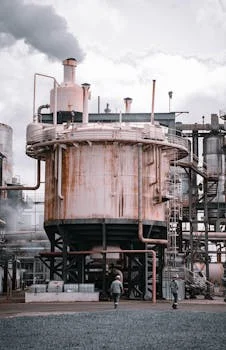
Industrial facilities in Portugal utilize a range of proven technologies to meet stringent discharge limits and achieve water reuse goals, each suited to specific wastewater characteristics and operational requirements. Dissolved Air Flotation (DAF) systems, such as HydropureWater's, effectively remove 90–95% of FOG and suspended solids from industrial effluents, particularly in food processing, dairy, and metalworking applications. These systems operate efficiently across flow rates from 4 m³/h to 300 m³/h, making them versatile for various industrial scales.
Membrane Bioreactor (MBR) systems are increasingly adopted for their ability to produce exceptionally high-quality effluent suitable for direct discharge or reuse. MBR technology achieves <1 μm filtration and over 95% BOD/COD removal, making it ideal for pharmaceutical wastewater, high-strength organic waste, and situations with limited available footprint, handling flows from 10 m³/day to 2,000 m³/day. Their compact design and superior effluent quality make them a leading choice for advanced treatment.
Zero Liquid Discharge (ZLD) systems, exemplified by solutions from companies like SIDASA, are gaining significant traction, particularly in water-scarce regions such as Alentejo and the Algarve, where regulatory pressures for water reuse and discharge bans are most pronounced. ZLD systems typically combine technologies like Reverse Osmosis (RO) and evaporators to recover over 95% of the water for industrial processes, virtually eliminating liquid waste discharge. This approach offers significant environmental benefits and can provide long-term operational resilience.
Chemical dosing with coagulants (e.g., ferric chloride, FeCl₃) and flocculants plays a fundamental role in primary and secondary treatment, significantly improving sedimentation efficiency by 30–50% in high-turbidity streams. These chemicals destabilize colloidal particles, allowing them to aggregate and settle more effectively. This pre-treatment step is critical for optimizing the performance of downstream biological or physical processes.
| Technology | Primary Application | BOD/COD Removal | Suspended Solids (TSS) Removal | Effluent Quality | Typical Flow Range |
|---|---|---|---|---|---|
| Dissolved Air Flotation (DAF) | FOG, oil, suspended solids removal | Up to 50% (pre-treatment) | 90-95% | Reduced TSS, FOG | 4-300 m³/h |
| Membrane Bioreactor (MBR) | High-strength organic waste, reuse | >95% | >99% (effluent <1 μm) | High-quality, low turbidity | 10-2,000 m³/day |
| Zero Liquid Discharge (ZLD) | Water recovery, discharge elimination | N/A (integrates other tech) | N/A (integrates other tech) | >95% water recovery | Varies widely |
| Chemical Dosing (Coag./Flocc.) | Pre-treatment, enhanced sedimentation | 20-40% | 30-50% (enhanced) | Improved clarity, reduced TSS | Varies widely |
For applications requiring advanced effluent quality and water reuse, consider a compact MBR system for high-quality effluent and water reuse. When aiming for maximum water recovery, reverse osmosis (RO) systems are often integrated into ZLD solutions.
Technology Comparison: Performance, Cost, and ROI
Evaluating industrial wastewater treatment technologies involves a critical comparison of Capital Expenditure (CAPEX), Operational Expenditure (OPEX), and Return on Investment (ROI) to justify the investment. Dissolved Air Flotation (DAF) systems offer a relatively low CAPEX, typically ranging from €150–€300 per m³/h of treatment capacity, with OPEX between €0.80–€1.50 per m³ of treated water, largely driven by energy for air compression and chemical consumption. DAF is best suited for efficient FOG and solids removal, often yielding a rapid ROI of 6–12 months in food processing plants through reduced discharge fees and potential byproduct recovery.
Membrane Bioreactor (MBR) systems represent a higher initial investment, with CAPEX generally between €400–€700 per m³/h, and OPEX ranging from €2.00–€3.50 per m³ due to membrane cleaning, replacement, and aeration. Despite the higher cost, MBR systems enable high-quality effluent suitable for direct reuse, offering a significantly smaller footprint (up to 60% less space compared to conventional activated sludge plants), which is a crucial advantage in land-constrained industrial sites. The ROI for MBR systems is often realized through water savings, reduced discharge costs, and enhanced environmental compliance.
Zero Liquid Discharge (ZLD) systems demand the highest investment, with CAPEX typically between €1,000–€2,500 per m³/h and OPEX ranging from €5–€10 per m³, primarily due to the energy intensity of evaporation and membrane processes. ZLD is justified primarily in water-scarce regions or for meeting strict regulatory mandates that prohibit liquid discharge, offering an ROI of 3–5 years through substantial water recovery and elimination of discharge liabilities. Package plants, such as HydropureWater's WSZ series, offer a cost-effective and rapid deployment solution, reducing installation time by up to 40% and proving ideal for remote or temporary industrial sites with smaller flow requirements.
| Technology | Typical CAPEX (€/m³/h) | Typical OPEX (€/m³) | Key Advantages | Primary Suitability | Typical ROI |
|---|---|---|---|---|---|
| DAF Systems | €150–€300 | €0.80–€1.50 | High FOG/TSS removal, low CAPEX | Food processing, metalworking | 6–12 months |
| MBR Systems | €400–€700 | €2.00–€3.50 | High effluent quality, small footprint, reuse-ready | Pharmaceuticals, high-strength organic | 1.5–3 years |
| ZLD Systems | €1,000–€2,500 | €5–€10 | >95% water recovery, zero discharge | Water-scarce regions, strict regulations | 3–5 years |
| Package Plants | Varies (lower for small flows) | Varies (often lower for small flows) | Fast installation, compact, modular | Remote/temporary sites, smaller flows | 1–2 years |
For more insights into modular solutions, explore the benefits of package plants versus conventional treatment plants. The WSZ series of underground integrated sewage treatment plants offers a compact and efficient solution for various industrial needs.
Selecting the Right System: A Decision Framework
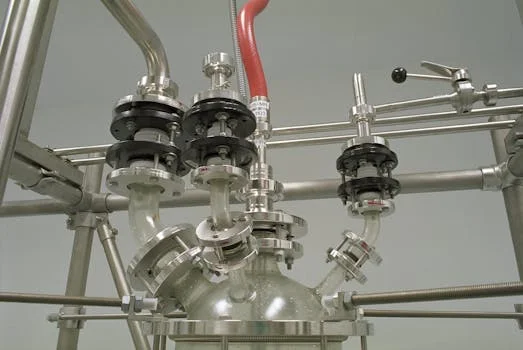
Choosing the optimal industrial wastewater treatment system in Portugal requires a structured decision framework that considers specific operational parameters and regulatory goals. For facilities with lower wastewater flows, typically less than 50 m³/day, compact package plants or containerized DAF units offer cost-effective and space-efficient solutions. These modular systems minimize installation time and are ideal for smaller industrial operations or remote sites.
When dealing with wastewater characterized by high concentrations of FOG and suspended solids, prioritizing a high-efficiency DAF system with automatic skimming, such as HydropureWater's, is crucial for effective primary treatment. This ensures efficient removal of gross pollutants, protecting downstream processes and reducing overall treatment costs. If water reuse or Zero Liquid Discharge (ZLD) is a primary objective, particularly in water-stressed regions, an integrated MBR + RO system is the most effective choice, capable of achieving over 95% water recovery for various industrial applications.
For facilities facing significant space constraints, MBR systems or lamella clarifiers are highly advantageous as they can reduce the required footprint by 40–60% compared to conventional treatment technologies. integrating automation needs, such as PLC-controlled chemical dosing and cloud-based SCADA systems for remote monitoring, can significantly enhance operational efficiency, reduce manual intervention, and ensure consistent compliance with discharge limits. This automation is vital for optimizing performance and responding proactively to process variations.
Implementing an automatic chemical dosing system can significantly improve treatment efficiency and reduce operational costs. For advanced process control, understanding PLC automation for wastewater treatment is essential.
Frequently Asked Questions
Does Portugal have strict industrial wastewater regulations?
Yes, Portugal enforces strict industrial wastewater regulations under the overarching EU Urban Waste Water Treatment Directive (UWWTD) and national legislation, notably Decreto-Lei 236/98, with sector-specific limits enforced by the Agência Portuguesa do Ambiente (APA) via ARH permits.
What is the cost of industrial wastewater treatment in Portugal?
The cost of industrial wastewater treatment in Portugal varies significantly by technology, ranging from approximately €0.80/m³ (OPEX for DAF) to €10/m³ (OPEX for ZLD), with CAPEX ranging from €150/m³/h to €2,500/m³/h depending on the chosen system.
Which industries face the toughest wastewater challenges in Portugal?
Food processing, textiles, and pharmaceutical industries typically face the toughest wastewater challenges in Portugal due to high organic loads, intense coloration, and the presence of toxic or non-biodegradable compounds, respectively.
Can industrial wastewater be reused in Portugal?
Yes, industrial wastewater reuse is increasingly promoted in Portugal, especially in water-scarce regions like Alentejo and the Algarve; advanced MBR + RO systems enable 90%+ water recovery for applications such as cooling water, process water, or irrigation.
For a broader perspective on market trends and ROI, refer to the wastewater treatment market forecast.
Further Reading
Explore these in-depth articles on related wastewater treatment topics: