Why the Wastewater Treatment Market is Booming: Key Drivers to 2026
Industrial plant managers face a critical dilemma in 2025: comply with tightening wastewater regulations or risk fines up to €100,000 per day under the EU Industrial Emissions Directive. The global wastewater treatment market is projected to grow from $350.7 billion in 2025 to $591.2 billion by 2030 at an 11% CAGR, with industrial segments—particularly food & beverage and pharmaceuticals—driving 30–40% of this expansion. Four macro forces are reshaping the market:
- Regulatory tailwinds: The EU Industrial Emissions Directive (2010/75/EU) and EPA New Source Performance Standards (NSPS) are tightening limits on COD, nitrogen, and phosphorus by 2026, forcing plants to upgrade treatment systems. In the U.S., the EPA’s 2024 PFAS regulations alone will create a $12 billion niche market for advanced treatment technologies like granular activated carbon (GAC) and advanced oxidation processes (AOP).
- Water scarcity: By 2026, 40% of the global population will face water stress (UN 2024), accelerating industrial reuse projects at a 15% CAGR. Semiconductor and food processing plants are leading adoption, with water reuse rates exceeding 85% in regions like Singapore and Israel. For example, Intel’s Arizona facility recycles 100% of its wastewater, cutting freshwater demand by 75%.
- Emerging contaminants: Microplastics and PFAS are creating a $12 billion market for membrane systems and activated carbon. The EU’s REACH regulations now classify PFAS as "substances of very high concern," while the U.S. EPA’s 2024 limits set a 4 parts per trillion (ppt) threshold for PFOA and PFOS. Industrial plants in North America and Europe are prioritizing MBR systems and AOP to meet these standards.
- Energy efficiency mandates: Wastewater treatment accounts for 3–4% of global electricity use, prompting plants to adopt low-energy solutions like MBR and DAF systems. The EU Green Deal’s 2030 targets require a 30% reduction in energy consumption for water treatment, driving demand for automated chemical dosing and AI-driven process optimization. AI-controlled aeration systems can cut energy costs by 10–15% by dynamically adjusting oxygen levels based on real-time influent data.
Circular economy policies are further incentivizing water reuse. The EU Green Deal mandates that 50% of industrial water be recycled by 2030, while China’s 14th Five-Year Plan requires 30% reuse in industrial parks by 2025. These policies are accelerating adoption of integrated MBR systems and reverse osmosis (RO) for high-purity applications in pharmaceuticals and electronics manufacturing.
Wastewater Treatment Market Forecast 2026: Size, Growth, and Segments
The global wastewater treatment market will reach $410 billion in 2026, with industrial segments outpacing municipal growth.
| Segment | 2026 Size ($B) | CAGR (2025–2030) | Key Drivers |
|---|---|---|---|
| Global Market | 410.0 | 11.0% | Regulatory tightening, water scarcity, technological advancements |
| Industrial (Total) | 150.0 | 8.5% | Sector-specific effluent limits (e.g., EU IED), PFAS regulations |
| — Food & Beverage | 45.0 | 9.2% | High FOG/TSS loads, water reuse mandates |
| — Pharmaceuticals | 30.0 | 10.1% | APIs, pathogen limits, high-purity water reuse |
| — Textiles | 22.0 | 7.8% | Dye/heavy metal removal, circular economy policies |
| — Oil & Gas | 18.0 | 6.5% | Produced water treatment, zero-liquid discharge (ZLD) |
| Municipal | 260.0 | 7.2% | Aging infrastructure, population growth, nutrient removal |
| North America | 120.0 | 9.0% | EPA PFAS regulations, water reuse incentives |
| Europe | 110.0 | 8.0% | EU Industrial Emissions Directive, Green Deal |
| Asia-Pacific | 180.0 | 12.0% | China’s 14th Five-Year Plan, India’s CPCB 2025 standards |
| Middle East/Africa | 50.0 | 14.0% | Desalination byproducts, industrial park development |
Regional growth varies, with the Middle East/Africa leading at 14% CAGR due to desalination byproducts and industrial park expansions. Asia-Pacific follows at 12% CAGR, driven by China’s 30% water reuse mandate and India’s CPCB 2025 standards. North America’s 9% CAGR is fueled by PFAS regulations, while Europe’s 8% growth stems from the EU Industrial Emissions Directive.
Technology adoption rates differ by segment. Membrane bioreactors (MBR) are growing at 15% CAGR, driven by their 99% pathogen removal and 60% smaller footprint compared to conventional activated sludge systems. Dissolved air flotation (DAF) systems, ideal for high-FOG wastewater in food processing and petrochemicals, are expanding at 12% CAGR. Automated chemical dosing, which reduces chemical use by 25–30% via PLC-controlled systems, is growing at 8% CAGR. Sludge dewatering technologies, critical for reducing disposal costs, are rising at 7% CAGR.
Technology Trends Shaping the 2026 Market: What to Invest In Now
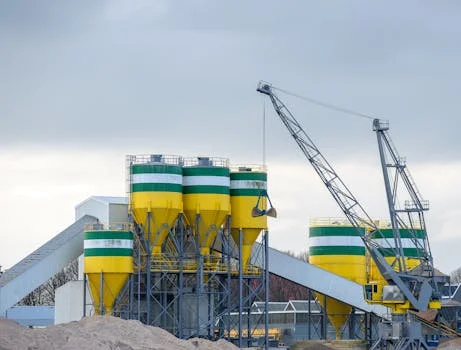
Three technologies will dominate the 2026 wastewater treatment market: membrane bioreactors (MBR), dissolved air flotation (DAF), and automated chemical dosing.
- Membrane bioreactors (MBR): With a 15% CAGR, MBR systems are the fastest-growing technology, offering 99% pathogen removal and effluent quality suitable for direct reuse. Their 60% smaller footprint makes them ideal for space-constrained plants, while energy-efficient models like HydropureWater’s MBR systems cut aeration costs by 20% using hollow-fiber membranes. Pharmaceutical and semiconductor plants are leading adoption, with reuse rates exceeding 80% in regions like Singapore.
- Dissolved air flotation (DAF): DAF systems, growing at 12% CAGR, achieve 92–97% TSS removal for high-FOG wastewater. Food processing and petrochemical plants favor DAF for its ability to handle variable influent loads, with high-efficiency DAF systems reducing chemical use by 30% via automated pH control. Modular DAF units are gaining traction for temporary capacity expansions, with trailer-mounted systems offering 100 m³/h treatment in a 20-foot container.
- Automated chemical dosing: PLC-controlled dosing systems, growing at 8% CAGR, reduce chemical consumption by 25–30% while improving compliance. For example, automated dosing systems for COD/BOD reduction use real-time sensors to adjust coagulant and flocculant doses, cutting OPEX by $0.05–$0.10/m³. Textile and pulp & paper plants are prioritizing these systems to meet tightening heavy metal limits.
Emerging technologies are also gaining ground. Digital twins and IoT sensors, growing at 20% CAGR, enable predictive maintenance and reduce OPEX by 15–20%. AI-driven aeration control systems, as detailed in this guide to AI optimization, dynamically adjust oxygen levels based on influent BOD, cutting energy costs by 10–15%. PFAS treatment is a $12 billion niche market, with activated carbon and AOP leading adoption. The EU’s REACH regulations and U.S. EPA’s 2024 limits are driving demand for these systems, with granular activated carbon (GAC) offering 99% PFAS removal at $0.50–$1.00/m³.
ROI Comparison: DAF vs MBR vs Chemical Dosing for Industrial Plants
Choosing between DAF, MBR, and chemical dosing depends on influent characteristics, compliance needs, and budget.
| Technology | CAPEX ($/m³) | OPEX ($/m³) | Efficiency | Footprint | Best Use Case |
|---|---|---|---|---|---|
| DAF | 50–200 | 0.10–0.30 | 92–97% TSS removal | Moderate (10–20 m²/100 m³/h) | FOG-heavy wastewater (food processing, petrochemicals) |
| MBR | 200–500 | 0.30–0.60 | 99% pathogen removal, <10 mg/L BOD | Compact (5–10 m²/100 m³/h) | Strict pathogen limits (pharmaceuticals, reuse applications) |
| Chemical Dosing | 10–50 | 0.05–0.20 | 90–95% COD reduction | Minimal (2–5 m²/100 m³/h) | COD/BOD reduction (textiles, pulp & paper) |
DAF systems offer the lowest OPEX ($0.10–$0.30/m³) and a 2–3 year payback period for food processing plants. A 100 m³/h DAF system costs $150,000 to install but saves $30,000/year in chemical and sludge disposal costs. MBR systems, while more expensive ($200–$500/m³ CAPEX), deliver superior effluent quality for reuse applications. A pharmaceutical plant in Germany reduced freshwater demand by 80% using MBR, achieving a 4-year ROI through water savings. Chemical dosing is the most cost-effective for COD/BOD reduction, with OPEX as low as $0.05/m³, but requires frequent maintenance to prevent scaling and fouling.
For efficiency comparisons, see this DAF vs sedimentation analysis.
Regional Compliance Trends: How 2026 Standards Will Impact Equipment Choices
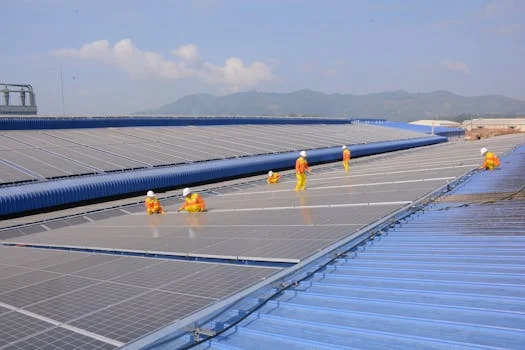
Regional regulations dictate equipment adoption.
- EU: The Industrial Emissions Directive (2010/75/EU) will tighten limits on COD, nitrogen, and phosphorus by 2026, driving MBR and AOP adoption. Food processing plants must reduce COD to 125 mg/L, while pharmaceuticals face limits of 25 mg/L. MBR systems, with their 99% pathogen removal, are the preferred solution for reuse applications.
- North America: The EPA’s 2024 PFAS regulations require granular activated carbon (GAC) or AOP systems for industrial dischargers. States like Michigan and New Jersey have set stricter limits, with Michigan’s 2025 standards requiring 12 ppt for PFOA and PFOS. Industrial plants are investing in GAC systems, which offer 99% PFAS removal at $0.50–$1.00/m³.
- Asia-Pacific: China’s 14th Five-Year Plan mandates 30% water reuse in industrial parks by 2025, boosting MBR and RO system demand. India’s CPCB 2025 standards lower heavy metal limits, with chromium reduced to 0.1 mg/L. Chemical precipitation and membrane systems are gaining traction to meet these standards. For a sector-specific compliance checklist, see this guide to India’s CPCB standards.
- Middle East: Saudi Arabia’s Vision 2030 targets 100% wastewater reuse in industrial zones, with DAF and chemical dosing for pretreatment. The UAE’s 2026 standards require 85% TSS removal for industrial dischargers, making DAF systems the preferred choice for food processing and petrochemical plants. For regional standards, see this compliance guide for Saudi Arabia.
Modular systems are gaining popularity for their flexibility. Trailer-mounted DAF units can be deployed in 4–6 weeks and relocated as regulations evolve. These systems are ideal for temporary capacity expansions or pilot testing new technologies.
2026 Wastewater Treatment Investment Framework: A Step-by-Step Guide for Plant Managers
Follow this framework to align 2026 investments with market growth and compliance trends:
- Audit compliance gaps: Compare effluent parameters (BOD, COD, TSS, heavy metals) against regional standards. The UK’s 2025 limits require <20 mg/L BOD for food processing plants. Use this compliance guide for benchmarking.
- Benchmark OPEX: Industrial plants typically spend $0.20–$0.50/m³ on wastewater treatment. If OPEX exceeds this range, prioritize energy-efficient technologies like MBR or automated chemical dosing. A textile plant reduced OPEX from $0.45/m³ to $0.25/m³ by switching to PLC-controlled dosing.
- Match technology to influent:
- DAF for FOG-heavy wastewater (food processing, petrochemicals).
- MBR for pathogen limits (pharmaceuticals, reuse applications).
- Chemical dosing for COD/BOD reduction (textiles, pulp & paper).
- Evaluate modular vs permanent solutions: Modular systems (e.g., trailer-mounted DAF) are ideal for temporary capacity expansions or pilot testing. Permanent systems (e.g., MBR) offer lower long-term OPEX but require higher upfront investment. A 100 m³/h DAF system costs $150,000 to install but can be relocated if regulations change.
- Calculate ROI: Use this formula:
ROI (years) = CAPEX / (Annual OPEX Savings + Compliance Cost Avoidance)
For a 100 m³/h DAF system:- CAPEX: $150,000
- Annual OPEX Savings: $30,000 (chemicals, sludge disposal)
- Compliance Cost Avoidance: $50,000 (fines, penalties)
- ROI: 1.875 years ($150,000 / ($30,000 + $50,000))
- Pilot test top 2 technologies: Run a 3-month trial with real influent data. Compare MBR vs chemical dosing for a pharmaceutical plant by measuring pathogen removal, energy use, and OPEX. Use the results to finalize the investment decision.
Frequently Asked Questions
What is the wastewater treatment market size in 2026?
The global market will reach $410 billion in 2026, growing at 11% CAGR from 2025. Industrial segments (food & beverage, pharmaceuticals) are leading adoption due to stricter effluent limits, with the industrial market valued at $150 billion by 2026.
Which wastewater treatment technology has the highest growth rate in 2026?
Membrane bioreactors (MBR) will grow at 15% CAGR through 2030, driven by their compact footprint, 99% pathogen removal, and compliance with EU and US reuse standards. DAF systems follow at 12% CAGR, while automated chemical dosing grows at 8% CAGR.
How will PFAS regulations impact industrial wastewater treatment in 2026?
The EPA’s 2024 PFAS limits will create a $12 billion market for advanced treatment technologies like granular activated carbon (GAC) and advanced oxidation processes (AOP). Industrial plants in North America and Europe are adopting these systems to avoid fines, with GAC offering 99% PFAS removal at $0.50–$1.00/m³.
What is the ROI of a DAF system for industrial wastewater?
DAF systems offer 2–3 year payback periods for food processing and petrochemical plants, with 92–97% TSS removal and OPEX as low as $0.10/m³. A 100 m³/h DAF system costs $150,000 to install but saves $30,000/year in chemical and sludge disposal costs, plus $50,000 in avoided compliance penalties.
How can industrial plants prepare for 2026 wastewater treatment regulations?
Conduct a compliance audit, pilot modular systems (e.g., trailer-mounted DAF), and invest in IoT sensors for real-time monitoring. A textile plant in India reduced chromium levels from 0.5 mg/L to 0.08 mg/L by switching to chemical precipitation, avoiding $200,000/year in fines. Use this compliance checklist to benchmark readiness.