Understanding DAF Unit Wastewater Cost: Beyond the Sticker Price
The cost of a DAF unit for wastewater treatment is highly variable, ranging from a few thousand dollars for basic models to hundreds of thousands for large-scale industrial systems. Factors like flow rate, influent characteristics, automation, and material selection significantly impact the final price, making a detailed quotation essential for accurate budgeting. Many online marketplaces showcase DAF units priced as low as $300-$6,000, with specific listings for a 60m³/hr system at $3,600. However, these figures often represent entry-level components or specialized smaller units and do not reflect the full cost of a robust industrial solution. A comprehensive, fully installed industrial DAF system can easily reach $600,000 or more. Understanding this spectrum requires differentiating between Capital Expenditure (CAPEX) – the upfront investment in the equipment – and Operational Expenditure (OPEX) – the ongoing costs of running the system. This article will demystify these costs, providing a framework for evaluating the true value and return on investment (ROI) of a DAF system for your industrial needs.
Key Factors Driving DAF Unit Wastewater Cost
The price of a Dissolved Air Flotation (DAF) system is not a single, static figure but rather a complex calculation influenced by numerous variables tailored to specific industrial applications. A superficial glance at online pricing can be misleading, as true industrial wastewater treatment demands a system designed for reliability, efficiency, and longevity. Understanding these cost drivers is paramount for accurate budgeting and selecting the most appropriate solution.
Flow Rate & Capacity: The most direct cost driver is the volume of wastewater the DAF unit must process per hour (m³/hour). Larger flow rates necessitate larger tanks, more robust pumping systems, and greater flotation surface area, directly increasing material and manufacturing costs. For instance, while a 60m³/hr system might be listed for $3,600 in a basic configuration, a system designed for significantly higher industrial throughput will command a proportionally higher price due to its scaled-up components and engineering.
Wastewater Characteristics: The composition of your influent wastewater is critical. High concentrations of Suspended Solids (TSS), Fats, Oils, and Grease (FOG), or significant Chemical Oxygen Demand (COD) and Biochemical Oxygen Demand (BOD) require more aggressive treatment. This often translates to the need for advanced chemical pre-treatment (coagulants, flocculants), specialized skimmers, and potentially larger or more complex DAF tank designs to achieve the required removal efficiencies. The more challenging the influent, the more sophisticated and costly the DAF system.
Material of Construction: The choice of materials directly impacts both the initial cost and the long-term durability and maintenance requirements of the DAF unit. While carbon steel with appropriate coatings can be a more budget-friendly option for less corrosive environments, stainless steel (such as SS304 or SS316L) offers superior corrosion resistance, longevity, and hygiene, especially crucial in food and beverage or pharmaceutical industries. This enhanced durability comes at a higher upfront price.
Level of Automation & Control: Modern DAF systems can range from basic manual operation to highly automated, intelligent units. The inclusion of Programmable Logic Controllers (PLCs), automated sludge skimming mechanisms, precise chemical dosing systems, and SCADA (Supervisory Control and Data Acquisition) compatibility significantly increases the initial investment. However, these advanced controls reduce labor requirements, optimize chemical usage, ensure consistent performance, and provide valuable data for process optimization, leading to long-term operational savings.
Component Quality & Brand Reputation: Just as with any industrial equipment, the quality of individual components (pumps, blowers, motors, sensors) and the reputation of the manufacturer play a role in pricing. Higher-quality, more durable components from reputable brands, while more expensive initially, typically lead to greater reliability, reduced downtime, and lower long-term maintenance costs.
Ancillary Equipment: A complete DAF system often includes essential ancillary equipment beyond the primary flotation tank. This can include sludge pumps for removing settled solids, chemical feed systems (tanks, pumps, mixers), control panels, and integrated piping. The scope and complexity of this supporting equipment contribute to the overall system quotation.
Installation & Commissioning: The figure of $600,000 for a total installed system highlights that the cost extends far beyond the equipment itself. Site-specific civil works, electrical connections, piping integration, and professional commissioning by experienced engineers are significant components of the total project cost, especially for large-scale or complex installations.
Customization vs. Standard Models: While standard DAF units are available, many industrial applications require customized solutions. For example, a DAF system specifically designed for primary metal production wastewater may incorporate unique features to handle specific contaminants or operating conditions, leading to a higher price than a general-purpose unit.
| Cost Factor | Impact on Price | Example Scenario |
|---|---|---|
| Flow Rate (m³/hr) | Directly proportional to size and complexity. | 10 m³/hr vs. 100 m³/hr system. |
| Influent TSS (%) | Higher TSS requires larger tank, more chemicals, robust skimming. | 1% TSS vs. 5% TSS wastewater. |
| Presence of FOG/Oil | Requires specialized skimming and potentially advanced chemical treatment. | Low FOG vs. High FOG content. |
| Material of Construction | Stainless steel is more expensive than coated carbon steel. | SS316L tank vs. Coated carbon steel tank. |
| Automation Level | PLC, SCADA, automated skimming increase cost but reduce labor. | Manual operation vs. Fully automated system. |
| Ancillary Equipment | Integrated chemical feed, sludge pumps, control panels add to cost. | Basic tank vs. Complete skid-mounted system. |
| Installation & Site Prep | Civil works, electrical, piping integration vary by site. | Simple hook-up vs. Complex integration into existing plant. |
DAF System Pricing Models: What to Expect
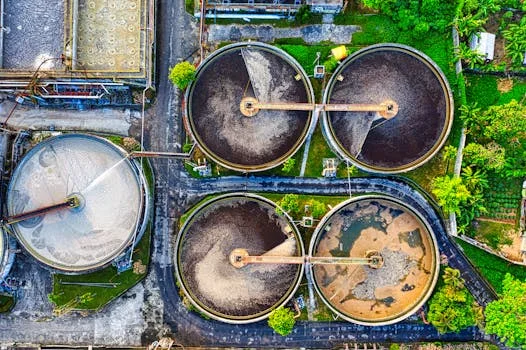
When evaluating DAF unit wastewater cost, it's essential to understand the different pricing tiers and what they generally represent. The broad range of prices seen in the market, from a few hundred dollars to hundreds of thousands, reflects vastly different system capabilities and intended applications.
Entry-Level/Small Scale: Listings in the $300-$6,000 range, and even a specific 60m³/hr unit at $3,600, typically represent smaller, less complex DAF units or individual components. These might be suitable for laboratory applications, pilot testing, or very specific niche uses with low flow rates and simple influent characteristics. It is highly unlikely that these prices include a complete, industrial-grade DAF system capable of handling significant wastewater volumes or complex industrial effluents.
Standard Industrial Units: For typical industrial wastewater treatment applications, a more realistic price range for a complete DAF system, including essential ancillary equipment and moderate automation, often falls between $10,000 and $100,000. This range is highly dependent on the system's capacity (flow rate), the complexity of the wastewater, and the chosen level of automation and materials. A system designed for a medium-sized manufacturing plant might sit at the lower end of this spectrum, while a more robust system for a larger facility would be towards the higher end.
Large-Scale & Complex Systems: At the upper end of the spectrum, fully engineered, large-capacity DAF systems tailored for demanding industrial environments can cost significantly more. The example of a total installed system costing $600,000 illustrates the investment required for high-throughput operations, complex wastewater streams, or integrated solutions that include extensive civil works and advanced automation. These systems are custom-designed and engineered to meet stringent performance and regulatory requirements.
Cost per m³/hour: While difficult to generalize without specific system details, the cost per cubic meter per hour of capacity is a useful metric for comparison. The $3,600 price point for a 60m³/hr unit suggests a very low cost per unit of capacity, which, as noted, likely indicates a simplified or partial system. For industrial-grade DAF systems, the cost per m³/hr will increase with capacity but will also be heavily influenced by the other factors discussed. For example, a high-capacity system designed for challenging wastewater might have a higher cost per m³/hr than a simpler system for cleaner water.
Operational Costs (OPEX) of a DAF Unit
Beyond the initial capital investment, the long-term operational costs of a DAF system are a crucial consideration for total cost of ownership and ROI calculations. These ongoing expenses are primarily driven by energy consumption, chemical usage, maintenance, and labor.
Energy Consumption: DAF systems rely on energy-intensive components, including air compressors (for dissolving air), pumps (for circulating water and sludge), and motors for skimmers and control systems. The size of the unit, the efficiency of the equipment, and the operational schedule will determine the overall electricity demand.
Chemical Consumption: Coagulants (like aluminum sulfate or ferric chloride) and flocculants (polymers) are essential for destabilizing and aggregating suspended particles, making them floatable. The type and dosage of chemicals depend heavily on the influent wastewater characteristics. Influent with high levels of dissolved or colloidal solids will require more frequent and higher doses, significantly impacting OPEX. pH adjustment chemicals may also be necessary.
Maintenance & Spare Parts: Routine preventive maintenance, such as cleaning, lubrication, and inspection of moving parts, is vital for system longevity and performance. Over time, components like seals, impellers, and skimmer blades will wear out and require replacement. The cost of spare parts and scheduled maintenance contracts contributes to ongoing operational expenses.
Labor: While automation can reduce labor needs, operators are still required for monitoring system performance, adjusting chemical dosages, managing sludge removal, and performing routine checks. The level of automation and the complexity of the wastewater treatment process will dictate the amount of skilled labor required.
Calculating the ROI of a DAF System
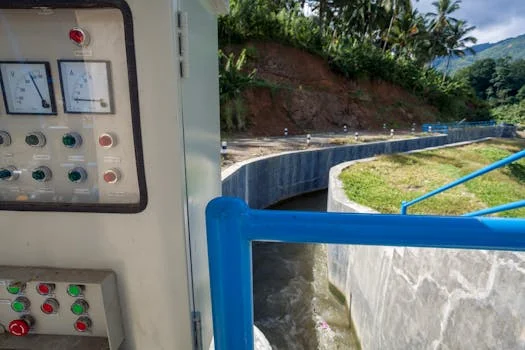
Investing in a DAF system is a strategic decision that extends beyond merely treating wastewater; it's about achieving tangible financial benefits and ensuring operational sustainability. Calculating the Return on Investment (ROI) helps quantify these benefits and justify the upfront capital expenditure. A comprehensive ROI analysis considers both the costs and the savings generated over a defined period.
Cost Savings: The primary drivers for ROI are often direct cost reductions. This includes significantly lower wastewater discharge fees due to improved effluent quality, potential for water reuse in non-potable applications, and reduced costs associated with sludge disposal, as DAF typically produces a more concentrated sludge than other separation methods.
Compliance Assurance: Failure to meet environmental discharge regulations can result in substantial fines and penalties. A DAF system ensures consistent compliance, avoiding these costly repercussions and the associated reputational damage. The cost of non-compliance is often underestimated but can be a major factor in ROI calculations.
Process Efficiency: By effectively removing solids and FOG, DAF systems can improve the performance of downstream treatment processes, potentially reducing chemical usage or energy requirements in subsequent stages. This can lead to overall operational cost efficiencies within the plant.
Environmental Benefits: While harder to quantify financially, improved environmental performance and adherence to sustainability goals can enhance corporate image, attract environmentally conscious customers, and improve employee morale. These intangible benefits can translate into long-term business value.
Calculation Framework: A simplified ROI calculation can be expressed as:
ROI (%) = [(Total Cost Savings - Total Investment Cost) / Total Investment Cost] x 100
Where:
- Total Investment Cost = CAPEX (initial equipment cost, installation, commissioning) + Total OPEX over the analysis period (e.g., 5-10 years).
- Total Cost Savings = Sum of all quantifiable savings (reduced discharge fees, sludge disposal savings, potential water reuse value, avoided fines) over the same analysis period.
By meticulously tracking CAPEX and OPEX while estimating potential cost savings, businesses can confidently assess the financial viability and long-term value proposition of a DAF system. For a detailed guide on selecting the optimal DAF unit and understanding its efficiency, refer to our DAF Unit for Wastewater: A Manufacturer's Guide to Selection & Efficiency.
Frequently Asked Questions
How much does a DAF system typically cost for industrial wastewater?
Industrial DAF systems can range from approximately $10,000 for smaller, less complex units to over $600,000 for large-scale, fully installed, and highly customized systems, depending on capacity and specific design requirements.
What are the main factors that influence DAF unit price?
Key price influencers include flow rate capacity, wastewater characteristics (TSS, FOG levels), material of construction, level of automation and control, quality of components, and the scope of ancillary equipment and installation.
Can I get a DAF unit for under $5,000, and what are its limitations?
While units listed under $5,000 exist (e.g., a 60m³/hr unit at $3,600), these are typically basic, smaller-scale models or individual components, not complete industrial solutions. They are likely limited in capacity, automation, material durability, and ability to handle complex industrial wastewater, making them unsuitable for most industrial applications.
What is the typical ROI for investing in a DAF system for wastewater treatment?
The ROI for a DAF system is highly variable, depending on factors like discharge fees, sludge disposal costs, and water reuse potential. However, many industrial facilities see significant ROI through reduced operational expenses, compliance assurance, and improved process efficiency, often recouping their investment within 2-5 years.
Related Equipment
The following HydropureWater products are engineered for the wastewater challenges discussed above:
- HydropureWater's DAF system — view specifications, capacity range, and technical data
Need a customized solution? Request a free quote with your specific flow rate and pollutant parameters.