Why Ethiopian Industries Need DAF Systems in 2025
In Ethiopia, DAF (Dissolved Air Flotation) systems are critical for industrial wastewater treatment, achieving 90–97% removal of TSS, FOG, and COD—key pollutants in tanneries, textiles, and food processing. Local compliance requires adherence to EEPA’s 2024 discharge limits (e.g., TSS < 50 mg/L, COD < 250 mg/L) and WHO drinking water guidelines for pretreatment. DAF systems in Ethiopia typically cost ETB 2.5M–12M (USD 45K–220K), depending on capacity (4–300 m³/h) and customization for high-strength effluent (e.g., tannery wastewater with TSS > 3,000 mg/L). This guide provides Ethiopia-specific design parameters, cost benchmarks, and a supplier evaluation checklist to ensure compliance and cost efficiency.
Ethiopian industrial wastewater is characterized by exceptionally high pollutant loads that overwhelm traditional sedimentation systems. According to EEPA 2024 baseline reports, tanneries in the Modjo and Addis Ababa regions often discharge effluent with Total Suspended Solids (TSS) between 3,000 and 10,000 mg/L, while textile dyeing facilities produce Chemical Oxygen Demand (COD) levels ranging from 1,000 to 5,000 mg/L. Food processing plants, particularly those in the edible oil and meat sectors, contribute Fats, Oils, and Grease (FOG) concentrations of 500–2,000 mg/L. These levels significantly exceed the EEPA’s 2024 discharge limits, which mandate TSS < 50 mg/L and COD < 250 mg/L to prevent the ecological collapse of the Awash River basin and other local water bodies.
Non-compliance carries severe financial and operational risks under the EEPA Enforcement Guidelines of 2023. Facilities failing to meet these standards face fines ranging from ETB 500,000 to 2,000,000, with the potential for total facility shutdowns. A real-world case study from 2023 highlights a tannery in Modjo that successfully reduced its TSS from 8,500 mg/L to 45 mg/L by implementing a DAF system for Ethiopian industrial wastewater. This intervention allowed the facility to avoid ETB 1.8 million in annual fines while improving its environmental standing with local regulators.
When comparing treatment technologies, DAF systems offer a distinct advantage over traditional clarifiers for Ethiopian industries. While sedimentation tanks require a massive footprint and struggle with light, buoyant particles like grease or fine fibers, DAF units use micro-bubbles to actively lift these contaminants to the surface. This results in a 60-80% smaller footprint and significantly higher removal efficiencies for the specific pollutants found in Ethiopian industrial effluent.
| Pollutant Type | DAF Removal Efficiency | Sedimentation Efficiency | Ethiopian Industry Applicability |
|---|---|---|---|
| Total Suspended Solids (TSS) | 90–99% | 40–60% | Critical for Tanneries & Textiles |
| Fats, Oils, & Grease (FOG) | 95–99% | 20–30% | Critical for Food/Oil Processing |
| Chemical Oxygen Demand (COD) | 85–95% | 30–50% | Essential for Textile Dyeing |
| Heavy Metals (Chromium) | 80–90% (with chemistry) | 50–70% | Specific to Tanneries |
How DAF Systems Work: Ethiopia-Specific Design Parameters
DAF design for Ethiopian industrial effluent must account for high organic loading and the specific physical characteristics of local waste streams, such as the high salinity of tannery wastewater. The process begins with coagulation and flocculation, where chemicals are added to destabilize particles and form larger masses called flocs. For Ethiopian tanneries, pH adjustment to 6.5–7.5 is often required to optimize flocculation, as raw effluent is frequently highly alkaline. Following this, the water enters the flotation tank where a stream of "recycle water" saturated with dissolved air is injected. As the pressure drops, millions of micro-bubbles (30–50 μm) are released, attaching to the flocs and floating them to the surface for automated skimming.
Design parameters must be strictly calibrated to the high-strength nature of local wastewater. While international standards might suggest higher hydraulic loading rates, HydropureWater lab tests and local pilot studies indicate that a rate of 5–9 m/h (averaging 7 m/h) is necessary to ensure compliance with EEPA limits when treating high-TSS effluent. Retention times must also be extended to 20–40 minutes—longer than the global average—to accommodate the slower rise rates of heavy organic flocs found in tannery and textile waste.
The air-to-solids (A/S) ratio is another critical variable. For food processing plants in Ethiopia with high FOG content, an A/S ratio of 0.04–0.06 is recommended to provide sufficient buoyancy. Additionally, given the unreliable nature of the electrical grid in industrial zones like Addis Ababa and Hawassa, DAF systems should be equipped with PLC controls and variable frequency drives (VFDs) to manage power fluctuations and reduce energy consumption by up to 20%. Corrosion-resistant coatings or high-grade stainless steel (SS304/SS316) are essential for facilities in the Awash River basin due to the high salinity of the raw water supply.
| Design Parameter | Ethiopia Standard (High TSS) | Ethiopia Standard (High FOG) | Technical Component Requirement |
|---|---|---|---|
| Hydraulic Loading Rate | 5–7 m/h | 7–9 m/h | Flotation Tank Volume |
| Retention Time | 30–40 min | 20–30 min | System Footprint |
| Air-to-Solids (A/S) Ratio | 0.02–0.04 | 0.04–0.06 | Recycle Pump/Saturation Tank |
| Micro-bubble Size | 30–50 μm | 30–50 μm | Release Nozzles |
| Saturation Pressure | 4–6 bar | 4–6 bar | Air Compressor/Dissolution Tank |
DAF System Sizing and Selection for Ethiopian Industries
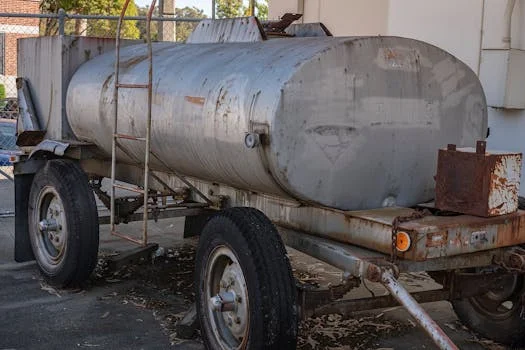
Selecting the correct DAF capacity requires a precise characterization of influent flow rates and pollutant concentrations, as undersized systems are the primary cause of EEPA compliance failures. A four-step framework is recommended for Ethiopian procurement officers. First, measure the peak hourly flow (m³/h) and the maximum TSS/COD concentrations. For example, a medium-sized tannery in Addis Ababa processing 50 m³/h with a TSS of 6,000 mg/L requires a system capable of 99.2% removal efficiency to reach the EEPA limit of 50 mg/L. This level of removal typically necessitates a robust chemical pretreatment stage using PLC-controlled chemical dosing for DAF pretreatment to ensure consistent floc formation.
Second, determine the sludge production rate. High-strength effluent produces significant volumes of sludge that can overwhelm the skimming mechanism if not properly sized. Third, select a model that provides a 15-20% safety margin over peak flow to account for future industrial expansion or seasonal production spikes. Finally, customize the unit with specific features like explosion-proof motors for textile dyeing facilities (where volatile chemicals may be present) or automatic pH adjustment for tanneries. When evaluating DAF vs. lamella clarifier for Ethiopian industrial wastewater, DAF is almost always the superior choice for facilities where water reuse is a goal, due to the higher clarity of the treated effluent.
| Flow Rate (m³/h) | Typical Industry | Recommended DAF Model | Estimated Footprint (m²) | Removal Efficiency (TSS) |
|---|---|---|---|---|
| 5–10 | Small Food Processing | DAF-10 | 8–12 | >95% |
| 20–30 | Medium Textile Dyeing | DAF-30 | 18–25 | >97% |
| 50–60 | Large Tannery | DAF-50 | 35–45 | >99% |
| 100–150 | Regional Industrial Park | DAF-150 | 70–90 | >98% |
Ethiopia’s DAF System Compliance: EEPA Standards and WHO Guidelines
Compliance for Ethiopian industrial facilities is governed by the EEPA Industrial Wastewater Standards (2024), which establish strict numeric limits for discharge into public sewers and natural water bodies. For most industrial sectors, the critical benchmarks are TSS (<50 mg/L), COD (<250 mg/L), BOD (<100 mg/L), and FOG (<10 mg/L). Tanneries face additional scrutiny regarding Chromium levels, which must be kept below 0.1 mg/L. for facilities using DAF as a pretreatment step for drinking water or high-grade process water, the system must meet WHO 2022 guidelines, ensuring turbidity is reduced to <5 NTU and Total Organic Carbon (TOC) to <2 mg/L.
To maintain compliance, Ethiopian facilities must implement a rigorous monitoring and reporting protocol. The EEPA requires daily logs for any facility discharging more than 50 m³/h, and quarterly discharge reports must be submitted using the standardized templates provided in the 2024 Compliance Manual. A textile factory in Hawassa recently demonstrated the value of integrated monitoring; by installing a DAF system with online TSS and COD meters, they reduced reporting violations by 90% and ensured that any process upsets were corrected before non-compliant water reached the discharge point.
| Parameter | EEPA 2024 Limit | WHO Pretreatment Goal | Required Treatment Step |
|---|---|---|---|
| TSS | <50 mg/L | <5 mg/L | DAF + Pretreatment screening |
| COD | <250 mg/L | N/A | DAF + Biological (if >2000 mg/L) |
| FOG | <10 mg/L | <0.5 mg/L | DAF with Surface Skimmer |
| pH | 6.0–9.0 | 6.5–8.5 | Automatic Acid/Alkali Dosing |
| Sludge | Hazardous | N/A | Sludge dewatering solutions |
DAF System Costs in Ethiopia: Budgeting and ROI Calculator
Budgeting for a DAF system in Ethiopia requires a comprehensive understanding of both capital expenditure (CAPEX) and operational expenditure (OPEX) in the local context. As of 2025, capital costs range from ETB 2.5 million for small 4 m³/h units to ETB 12 million for large-scale 300 m³/h systems. This pricing includes the DAF unit, pumps, and controls (60%), installation and civil works (20%), commissioning and staff training (10%), and import duties/taxes (10%) based on the latest Ethiopian Customs Tariff. While the upfront cost is significant, the ROI is often realized within 24 to 36 months through the avoidance of EEPA fines and the potential for water reuse.
Operational costs are heavily influenced by chemical consumption and energy use. Chemicals (coagulants and flocculants) typically account for 40% of OPEX. To reduce these costs, some Ethiopian facilities have begun experimenting with locally sourced organic coagulants, such as Moringa oleifera, which can supplement traditional chemicals in certain applications. Energy costs, making up 30% of OPEX, can be mitigated by using high-efficiency motors and PLC automation. For a 50 m³/h tannery, the total annual operating cost is approximately ETB 1.8 million, but when compared to potential fines of up to ETB 2 million per year and water savings of ETB 300/m³, the system effectively pays for itself.
| Cost Category | Small System (10 m³/h) | Large System (100 m³/h) | Cost-Saving Strategy |
|---|---|---|---|
| CAPEX (ETB) | 2.5M – 4.0M | 7.5M – 10.0M | Local installation teams |
| Chemicals (Annual) | ETB 150K | ETB 800K | Bulk procurement / PLC dosing |
| Energy (Annual) | ETB 80K | ETB 450K | VFDs and high-eff. motors |
| Maintenance (Annual) | ETB 50K | ETB 250K | Preventative service contracts |
Evaluating DAF System Suppliers in Ethiopia: Checklist and Red Flags
Procuring a DAF system in Ethiopia involves navigating complex logistics and ensuring long-term technical support. The most critical factor for success is the supplier's local presence. Suppliers with offices in Addis Ababa or Hawassa can offer significantly shorter lead times, assist with the complexities of Ethiopian Customs, and provide rapid on-site technical support. A major red flag is any supplier who cannot provide local references or case studies specifically related to Ethiopian industrial sectors like tanneries or textiles, as these effluents require specialized engineering that differs from standard municipal applications.
Buyers should also demand clear documentation regarding compliance guarantees. A reputable supplier will provide performance data showing how their equipment meets EEPA 2024 discharge limits. ensure the warranty terms are standard for the Ethiopian market: at least 2 years on the main structure and 1 year on mechanical/electrical components. Be wary of "all-in" prices that do not break down installation, commissioning, and import duties, as these often hide significant additional costs that emerge only after the equipment arrives at the port. For broader context on regional trends, you may review wastewater treatment challenges in East Africa.
| Evaluation Criterion | Ideal Requirement | Warning Sign (Red Flag) |
|---|---|---|
| Local Support | Addis Ababa office & spare parts hub | No local presence; 4+ week lead time for parts |
| Compliance Proof | EEPA/WHO certified case studies | Vague "meets international standards" claims |
| Customization | Tannery/Textile specific modifications | "One-size-fits-all" municipal design |
| Lead Time | 12–16 weeks (including shipping) | 6+ months with no clear timeline |
| After-Sales | 24/7 technical helpdesk & training | Email-only support from overseas |
Frequently Asked Questions
What is the purpose of a DAF system in Ethiopia?
DAF systems remove TSS, FOG, and COD from industrial wastewater to meet EEPA discharge limits (TSS < 50 mg/L, COD < 250 mg/L). They are essential for tanneries, textiles, and food processing plants facing fines or shutdowns. For example, a tannery in Modjo reduced TSS from 8,500 mg/L to 45 mg/L using DAF (HydropureWater, 2023).
What is the efficiency of DAF in COD removal for Ethiopian industries?
DAF systems achieve 85–97% COD removal for industrial effluent, depending on influent strength. For example, a textile factory in Hawassa reduced COD from 3,200 mg/L to 180 mg/L (94% efficiency) using a DAF-50 system (HydropureWater, 2024). Efficiency typically drops below 80% for COD > 5,000 mg/L without proper pH adjustment pretreatment.
Can DAF systems be used for drinking water treatment in Ethiopia?
Yes, DAF systems are used for drinking water pretreatment in Ethiopia, particularly for surface water with high turbidity like the Awash River. They remove algae, TOC, and turbidity to <5 NTU, meeting WHO guidelines for downstream filtration. A water treatment plant in Dire Dawa uses DAF to reduce turbidity from 80 NTU to 3 NTU (PCI Africa, 2023). For comparison, see DAF system requirements in other emerging markets.
What are the maintenance requirements for DAF systems in Ethiopia?
Daily tasks include checking air saturation pressure (4–6 bar), skimming sludge, and monitoring TSS levels. Weekly, operators should clean micro-bubble diffusers and test chemical dosing. Monthly maintenance involves lubricating moving parts and calibrating sensors. Annually, it is critical to inspect tanks for corrosion—especially in high-salinity environments like the Awash basin—and recalibrate PLC controls.
How much does a DAF system cost in Ethiopia?
Capital costs range from ETB 2.5M (4 m³/h system) to ETB 12M (300 m³/h system), including equipment, installation, and import duties. Operational costs average ETB 500K–3M per year for chemicals, energy, and maintenance. A 50 m³/h tannery DAF system typically costs ETB 6.2M upfront and ETB 1.8M per year to operate (HydropureWater, 2025).