Start with the wastewater profile, not the COD number alone
Physicochemical assessments of industrial wastewater in Cotonou demonstrate that high-strength industrial effluent varies significantly in pH, chemical oxygen demand (COD), biochemical oxygen demand (BOD5), nutrients, and heavy metals across manufacturing operations. Selecting a high cod industrial wastewater treatment system in Benin requires matching dissolved air flotation pretreatment and membrane bioreactor stages to a site-specific sampling campaign rather than raw COD values alone. Benchmark testing from Ryerson University demonstrated 91.7% COD removal from a 5,000 mg/L COD stream using a 1,500 L/day three-phase fluidized-bed reactor at an 8-hour residence time. This performance evidence provides a baseline reference for system sizing rather than a universal guarantee for local factory streams.
A statistical analysis published in Water Science & Technology (2021) evaluating the physicochemical quality of urban and industrial wastewater across Cotonou revealed strong significant differences among effluent streams. Selecting equipment based solely on a composite COD measurement risks sizing errors, as peak organic surges, nutrient imbalances, or unmanaged heavy metal concentrations can suppress biological degradation. Engineering teams specifying treatment infrastructure near Cotonou must execute a composite sampling campaign over representative production shifts to capture peak organic loading, daily flow variability, and matrix interference before selecting biological or mechanical treatment units.
The characterization profile must quantify baseline chemical parameters, including pH, electrical conductivity (EC), COD, BOD5, Total Kjeldahl Nitrogen (TKN), Total Phosphorus (TP), and UV absorbance at 254 nm. For facilities operating within the industrial zone of Cotonou, testing must also evaluate dissolved heavy metals. A study published in the International Journal of Environment and Climate Change (2022) analyzing industrial zone wastewater in Cotonou documented an average pH of 6.97 ± 0.34 and dissolved oxygen levels of 5.16 ± 0.29 mg/L alongside high overall mineralization and detectable metal ions including copper (Cu2+), iron (Fe2+), cadmium (Cd2+), aluminum (Al3+), and lead (Pb2+). Evaluating these specific contaminants dictates whether chemical precipitation or physical separation must precede biological treatment. Engineers can refer to our industrial wastewater equipment selection guide to evaluate parameter thresholds across process configurations.
| Analytical Parameter | Cotonou Baseline Focus | Primary Selection Impact |
|---|---|---|
| pH & Electrical Conductivity | 6.97 ± 0.34 average pH; mineralized matrix | Determines chemical dosing for neutralization and corrosion protection |
| COD & BOD5 Ratio | Biodegradability index determination | Identifies feasibility of biological degradation versus chemical oxidation |
| Nutrients (TKN & TP) | Nitrogen and phosphorus balance | Establishes biological nutrient removal sizing and supplement needs |
| Dissolved Metals (Fe, Cu, Cd, Al, Pb) | Industrial zone collector testing | Requires pre-precipitation to protect biological sludge viability |
| UV Absorbance (254 nm) | Aromatic & complex organic fraction | Signals recalcitrant COD requiring specialized pretreatment |
Choose the pretreatment that protects the biological stage
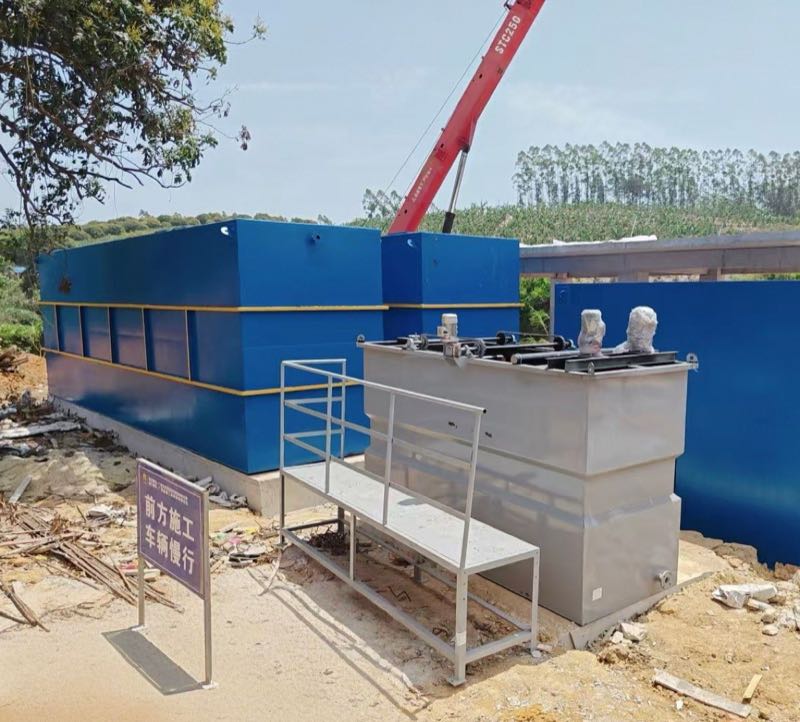
Dissolved air flotation (DAF) removes emulsified fats, oils, grease, colloidal matter, and suspended solids from raw industrial effluent to prevent physical fouling and organic shock loading in downstream biological units. These pretreatment systems are essential for industrial facilities in Cotonou where high-strength effluent carries suspended solids and non-soluble organics that increase chemical oxygen demand. Introducing raw, untreated effluent directly into high-rate biological reactors accelerates membrane fouling, reduces oxygen transfer efficiency, and destabilizes active biomass.
Integrating an industrial DAF pretreatment system establishes a physical barrier that clarifies the liquid phase before biological oxidation. Commercial DAF units are engineered across standard hydraulic capacities ranging from 4 to 300 m³/h using automatic surface skimming mechanisms to continually remove floated sludge blankets. Sizing the pretreatment stage requires matching unit capacity to measured peak hourly flow rates rather than calculated daily averages, preventing hydraulic surcharging during high-volume production washdowns.
Engineering buyers must require suppliers to detail exact mass loading parameters when evaluating pretreatment proposals. The proposal must define the targeted removal percentages for total suspended solids (TSS) and free or emulsified oil and grease (FOG), along with the required coagulant and polymer chemical consumption rates. Technical documentation must outline system response protocols for off-design operations or unexpected hydraulic bypass events to ensure downstream biological protection remains uncompromised.
Select biological treatment against the discharge and reuse objective
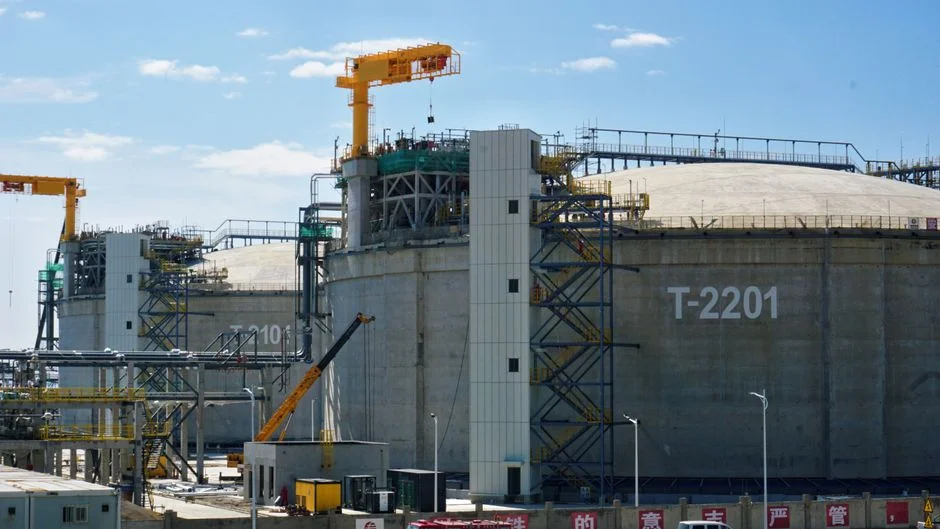
A three-phase fluidized-bed reactor operating at an 8-hour hydraulic residence time achieved 91.7% COD removal and 56.7% ammonia removal on high-strength industrial effluent with an initial COD of 5,000 mg/L and ammonia of 230 mg/L, based on reactor testing from Ryerson University. This performance data confirms the capacity of continuous biological oxidation to treat heavily polluted industrial wastewater streams. Reactor operating parameters shift significantly under altered loading conditions. When the influent organic loading was elevated to 6,000 mg/L COD within the same 1,500 L/day test system, COD removal efficiency decreased to 84.5%, while ammonia removal increased to 75% due to expanded biomass availability for nitrogen utilization.
For factories seeking consistent discharge compliance or aiming for industrial effluent reuse in Benin, integrating an MBR wastewater treatment system provides enhanced liquid-solid separation. MBR technology combines suspended-growth activated sludge biological treatment with submerged polyvinylidene fluoride (PVDF) membrane filtration. Standard industrial MBR systems accommodate treatment capacities from 10 to 2,000 m³/day, utilizing physical membrane pores to retain biological solids completely and yield clarified effluent suitable for high-grade reuse or sensitive discharge points.
| Influent COD Condition | Hydraulic Residence Time | COD Removal Rate | Ammonia Removal Rate | Operational Effect |
|---|---|---|---|---|
| 5,000 mg/L COD (Baseline) | 8 hours | 91.7% | 56.7% | High COD reduction with steady biological oxidation (Ryerson Univ.) |
| 6,000 mg/L COD (High Loading) | 8 hours | 84.5% | 75.0% | Increased biomass supports higher nitrogen uptake; COD removal dips |
Plant engineers must obtain verified operating parameters from the equipment supplier before issuing an equipment specification. Sizing documentation must confirm the design hydraulic retention time (HRT), volumetric organic loading rate (OLR), solids retention time (SRT), membrane design flux rate, automated membrane relaxation cycles, and targeted effluent limits for COD and BOD5 characterization matching local environmental standards.
Close the process train with solids handling and control
Biological COD removal converts dissolved organic contaminants into bacterial biomass, generating primary physical sludge and waste activated sludge that requires mechanical dewatering before off-site disposal. Treating high-strength industrial effluent without dedicated sludge management leads to accumulated solids, degraded clarifier performance, and operational disruption. Process designs for industrial facilities in Cotonou must incorporate mechanical dewatering to reduce waste volume and produce manageable filter cakes.
Reviewing a comprehensive filter press selection guide enables technical buyers to match dewatering hardware to expected solids yield. Industrial plate and frame filter presses feature filtration surface areas ranging from 1 m² to 500 m², incorporating manual, hydraulic, or fully automated programmable logic controller (PLC) operating modes. Selecting plate frame technology provides high cake dry-solids percentages, lowering transport costs for industrial waste residuals.
System stability relies on automated chemical dosing systems to manage coagulants, polymer flocculants, and pH adjusters prior to separation stages. PLC-controlled dosing skids regulate chemical injection based on real-time flow and sensor telemetry, preventing chemical under-dosing or chemical wastage during variable production shifts.
Issue a pre-order performance and acceptance sheet
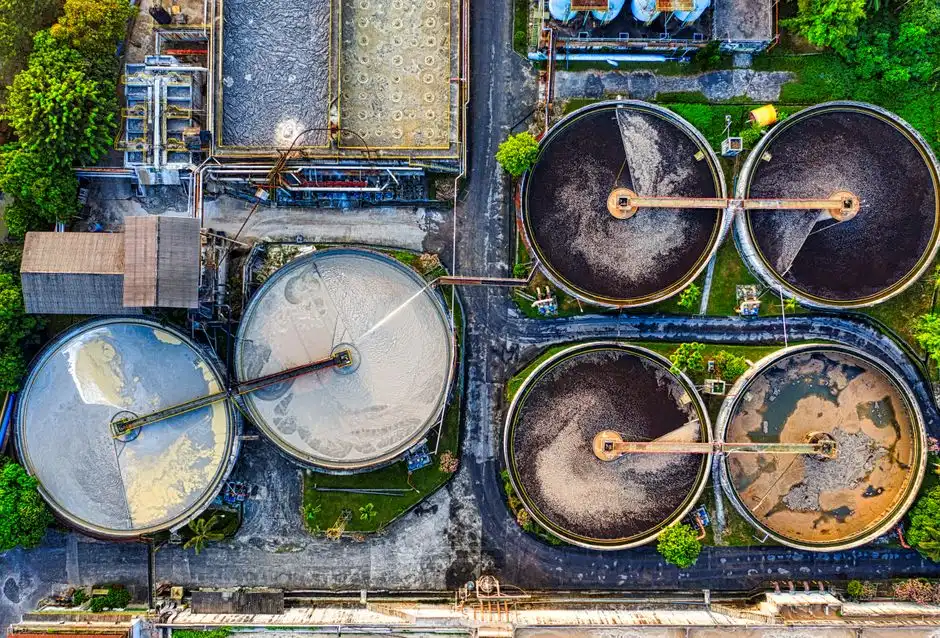
Formal procurement sheets for industrial wastewater equipment must bind performance guarantees to verified hydraulic flow rates, influent COD bounds, and documented residence times to prevent system failure under field conditions. Technical buyers in Benin should convert engineering specifications into a verification sheet before issuing purchase orders. This sheet establishes clear operational boundaries and defines clear supplier accountability for equipment performance.
| Verification Category | Required Technical Metric | Supplier Confirmation Requirement |
|---|---|---|
| Hydraulic Capacity | Average flow (m³/day) & Peak flow (m³/h) | Guaranteed hydraulic throughput without bypass |
| Influent Loading Envelope | Design COD, BOD5, TKN, and TSS ranges | Defined maximum influent concentrations for performance guarantee |
| Biological Kinetics | Design HRT (hours) & Design SRT (days) | Calculated volumetric loading and sludge production figures |
| Pretreatment Efficiency | FOG & TSS percentage removal rates | Documented performance bounds for DAF physical clarification |
| Dewatering Yield | Cake dry solids percentage (% DS) | Filter press press-cycle time and cake release criteria |
| Commissioning Sign-off | On-site baseline sampling & training | Documented operational pass criteria during site acceptance testing |
Request empirical pilot data or verified reference performance matching the target stream. For instance, the bench-scale testing documented by Ryerson University established specific performance parameters (1,500 L/day throughput, 5,000 mg/L COD, 8-hour HRT). Equipment suppliers must provide corresponding operational envelopes for commercial-scale equipment. Final commissioning acceptance should remain contingent upon site influent verification, utility validation, comprehensive operator training, and a 72-hour performance test confirming compliance with target discharge standards.
Frequently Asked Questions
How much does a high-COD industrial wastewater treatment system cost in Cotonou?
Equipment procurement costs for high-COD industrial treatment systems cannot be determined by COD concentration alone, as total capital expenditure depends on peak hydraulic flow, raw wastewater matrix complexity, required pretreatment stages like DAF, biological membrane bioreactor volumes, and dewatering automation levels. Buyers in Benin should request detailed equipment bills of materials, power consumption estimates, chemical dosing requirements, and operational maintenance schedules from potential suppliers rather than relying on unverified estimates, allowing accurate total cost of ownership evaluation for site-specific conditions.
What sizing guarantees and performance evidence should a buyer request from an equipment supplier?
Buyers must require suppliers to issue binding performance guarantees tied directly to defined hydraulic flow bounds, maximum mass loading limits, and documented hydraulic residence times. Technical documentation should include empirical pilot data or scaled operational references operating under comparable influent characterization profiles. Buyers can consult our industrial wastewater equipment selection guide to evaluate necessary verification protocols before finalizing equipment contracts.
Why can published COD removal percentages like 91.7% be misleading during system design?
Published removal percentages reflect specific laboratory or pilot operating conditions that cannot be generalized across all industrial streams. For example, research from Ryerson University achieved 91.7% COD removal under specific conditions: a 1,500 L/day three-phase fluidized-bed reactor treating 5,000 mg/L COD at an 8-hour residence time. When influent COD was increased to 6,000 mg/L in the same unit, COD removal efficiency dropped to 84.5%. Process designs must be calculated from actual mass loading profiles rather than static percentage removal claims.
When is a DAF system needed prior to an MBR biological reactor?
A DAF system is required whenever the raw industrial wastewater contains elevated levels of total suspended solids, emulsified oils, grease, or colloidal organic matter that would foul membrane surfaces or cause organic shock loading in biological aeration tanks. DAF functions as a mechanical pretreatment stage that clarifies the liquid phase, whereas an MBR provides secondary biological oxidation of dissolved organic contaminants alongside ultrafiltration membrane separation.