Screen the EV Wastewater Profile Before Choosing Equipment
EV manufacturing wastewater, automotive plant effluent, stormwater, sanitary flows, wash-water dilution and episodic cleaning discharges should be characterized separately before a Detroit treatment system is sized. The relevant screening variables are not only flow and suspended solids, but also oil and grease, pH, temperature, toxicity indicators, biological inhibition, batch-discharge behavior and the intended discharge or reuse route. A combined daily volume can conceal the peaks and contaminant loads that determine pretreatment, equalization and biological capacity. The industrial wastewater plant selection method provides a framework for mapping pollutants, flow and discharge constraints after this project data is assembled.
| Project input | Information required | Why it affects selection |
|---|---|---|
| Wastewater sources | Process wastewater, stormwater, sanitary streams, diluted wash water and episodic cleaning discharges, each identified separately | Different contaminants and flow patterns may require different pretreatment and equalization strategies |
| Hydraulic profile | Average flow, peak flow, batch frequency, discharge duration and dilution conditions | Equipment cannot be selected safely from average flow alone |
| Water-quality profile | Suspended solids, oil and grease, pH, temperature, toxicity indicators and constituents that may inhibit biology or damage membranes | Identifies biological suitability and required pretreatment |
| Site and destination | Available treatment area, discharge route, sewer-conveyance constraints and reuse objective | Determines footprint, solids-removal and polishing requirements |
Use DAF pretreatment for suspended solids, FOG and oil only as a project-specific option after confirming the wastewater composition. This is not a universal substitute for characterization, and the supplied research does not establish a Detroit discharge limit or a required DAF configuration. Missing flow, constituent and discharge-route data should remain explicitly unresolved in the screening worksheet rather than be replaced with generic design assumptions.
Compare MBR and Conventional Activated Sludge Against Project Constraints
Conventional activated sludge separates biological floc by gravity settling, while a membrane bioreactor system separates solids through a physical membrane. The academic plant-wide modelling comparison in Water Research identifies higher sludge retention time, lower cell yield, high effluent quality and footprint reduction as MBR characteristics, while also identifying fouling, increased transmembrane pressure and energy demand from mitigation, cleaning and aeration. Conventional activated sludge remains the more widely adopted technology and is often favored when initial investment and operating cost take priority (Mannina et al., 2019; reUse, 2026-01-28).
| Decision factor | MBR indication | Conventional activated sludge indication | Project evidence to obtain |
|---|---|---|---|
| Land availability | Site is footprint-constrained | Aeration, settling and ancillary area are available | Usable footprint and expansion reserve |
| Reuse potential | Reuse is required or a future water-reuse path is credible | Reuse is not a near-term requirement | Reuse application, end-use quality criteria and polishing needs |
| Hydraulic variability | Consistent solids separation is important during variable flows and loads | Flows are sufficiently stable for gravity settling and sludge handling | Peak flow, batch schedule and equalization performance |
| Pretreatment | Protect membranes from oil, grease, suspended solids and inhibitory constituents | Protect biological treatment and prevent excessive solids loading | Oil and grease, suspended solids, toxicity and pH data |
| Operator capability | Coverage exists for membrane monitoring, cleaning and controls | Coverage supports aeration, sludge settleability and clarifier operation | Staffing, training and service plan |
| Energy sensitivity | Higher energy demand must be accepted for consistency or reuse | Lower aeration and membrane-related energy requirements are important | Power availability, energy price and lifecycle estimate |
The comparison must be made at plant level. An MBR may reduce civil footprint and downstream solids-removal needs, but those benefits should be weighed against membrane replacement, cleaning, aeration and more demanding operating controls. A CAS plant may have lower initial capital requirements, but clarifiers, return and waste activated-sludge handling, settleability control and any tertiary treatment remain part of the project. This comparison provides technology evidence rather than a specific Detroit project conclusion.
Select MBR When Reuse and Site Constraints Dominate
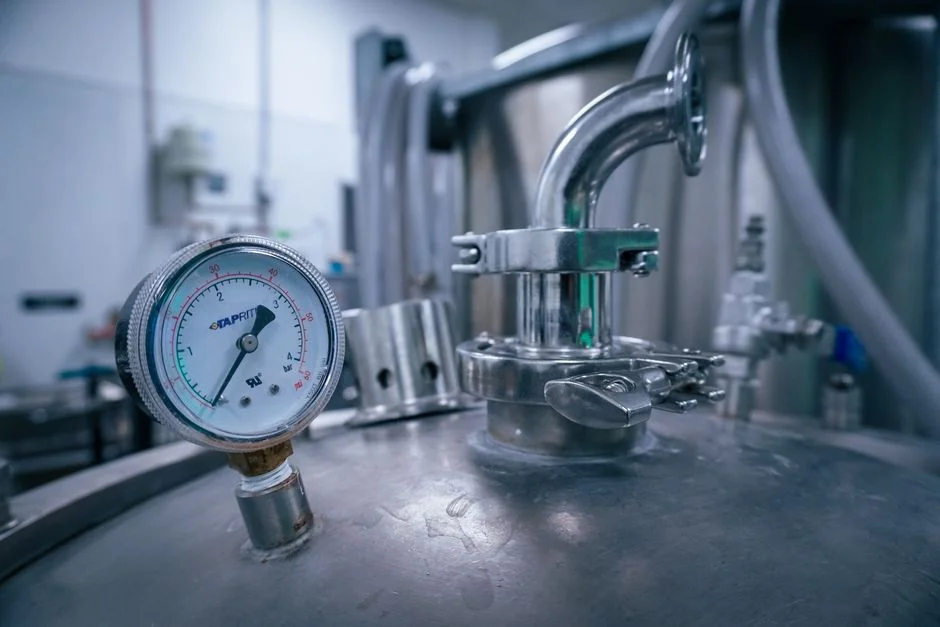
MBR is a primary option when Detroit-area site constraints, effluent consistency or an industrial wastewater reuse objective outweigh the added mechanical and operating complexity. The 2026-01-28 reUse comparison identifies compact systems, high effluent quality and reuse applications as conditions favoring MBR, particularly when influent characteristics vary. It also requires physical and chemical cleaning, membrane monitoring and automated controls, so operator capability must be confirmed before selection.
HydropureWater’s integrated submerged-PVDF MBR system combines activated-sludge treatment with submerged PVDF membrane filtration. The verified product catalog states filtration below 1 μm, a footprint 60% smaller than conventional systems, and an offered capacity range of 10–2,000 m³/day. These figures describe this specific product; they are not general MBR performance limits or a validated Detroit capacity selection.
Use the MBR cost and operating considerations to examine cost drivers, cleaning, aeration and selection criteria rather than comparing only equipment price. MBR should be described as a reuse-enabling biological and solids-removal stage. Where the intended reuse requires additional polishing or disinfection, identify those steps during preliminary design and confirm the end-use requirements with the receiving party.
Choose Conventional Activated Sludge for Stable, Land-Available Projects
Conventional activated sludge is the practical baseline for a project with large, stable flows, available land and no near-term reuse requirement when lower initial capital cost is decisive. The 2026-01-28 reUse comparison describes CAS as widely understood, suitable for large flows and generally less demanding in initial investment than MBR. The academic comparison by Mannina et al. (2019) also reports that CAS was economically favorable in the cited holistic full-scale assessment.
A CAS bid must include more than aeration equipment. Price the clarifiers, return and waste activated-sludge handling, sludge settleability controls, provisions for bulking or foaming, and any tertiary treatment needed to improve reuse suitability (reUse, 2026-01-28). If the selected route is discharge to sewer rather than reuse, the receiving authority’s written requirements determine the necessary pretreatment and effluent-quality basis; no Detroit-specific numeric limit should be inferred from the supplied research.
A hybrid case deserves separate review. An existing site with useful clarifiers may justify retaining biological treatment and conventional solids separation while adding membrane solids removal or polishing. That option should be compared through the EV wastewater comparison methodology, including hydraulic variation, future reuse requirements, operating labor and lifecycle cost.
Build a Detroit Project-Screening Worksheet
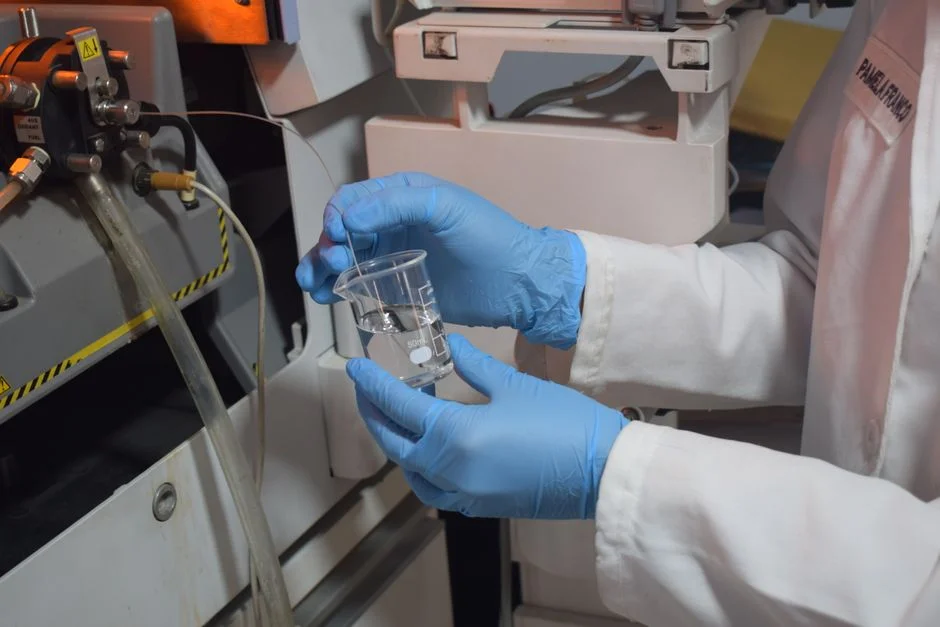
A defensible preliminary recommendation requires a worksheet that separates verified technology characteristics from missing Detroit-specific inputs. Enter each wastewater source, average and peak flow, batch-discharge profile, pollutants, pH, temperature, oil and grease, toxicity indicators, pretreatment needs and variability rating. Then enter available footprint, required effluent quality, discharge route, reuse objective, expected expansion, power availability, operator coverage and permit status. Where information is incomplete, mark it “verify” rather than assigning an assumed value.
| Screening row | MBR score basis | CAS score basis | Evidence required before procurement |
|---|---|---|---|
| Footprint | High score when usable area is constrained | High score when aeration, settling and ancillary land are available | Surveyed footprint and future expansion reserve |
| Reuse objective | High score when reuse is required or planned | Higher score only when discharge is acceptable and reuse is not required | Reuse application and written quality requirements |
| Flow and load stability | High score when solids consistency under variable loads is valuable | High score when flows and loads are stable | Segmented flow and contaminant-loading study |
| Pretreatment burden | High score when compact solids separation creates net benefit | High score when biological treatment and gravity settling are adequate | Oil, grease, suspended solids and toxicity data |
| Lifecycle and operations | High score when reuse or footprint value offsets added complexity | High score when initial capital cost dominates | Installed cost, energy, cleaning, replacement and sludge-disposal inputs |
| Permit and destination | Advance only after route and polishing requirements are confirmed | Advance only after discharge or conveyance requirements are confirmed | Written confirmation from the receiving authority |
Require every treatment vendor to state design flow, membrane area or module count, flux assumptions, cleaning method, aeration demand, sludge-production basis, backup strategy and replacement assumptions. These are essential inputs for comparing bids; the research does not support generic MBR sizing values for an automotive plant. Verify applicable Detroit-area pretreatment, discharge, sewer-conveyance or reuse requirements with the receiving authority.
Frequently Asked Questions
How should MBR and conventional activated sludge costs be compared for an EV wastewater project?
Request separate lifecycle line items for membranes, aeration, cleaning, controls, sludge handling, operator labor, energy and replacement. CAS clarifiers and activated-sludge handling must also be priced. A lower civil-installation estimate for CAS does not establish the lower lifecycle cost.
What flow and loading information is required to size an MBR or CAS system?
Provide average and peak flow, batch timing, wastewater sources, pollutant concentrations, loadings, pH, temperature and fouling or toxicity indicators. Require each supplier to state its design basis and assumptions. Sizing from average flow alone would omit peak hydraulic and contaminant-loading conditions.
What should buyers verify when selecting an MBR or activated-sludge supplier?
Ask for the equipment warranty scope, membrane-replacement terms, controls package, operator training, local service capability and acceptance-test criteria. Also request the stated design flow, flux basis, cleaning method, aeration demand, sludge-production estimate and backup strategy so competing proposals can be evaluated on the same assumptions.
Can Detroit discharge or reuse requirements be selected from this comparison alone?
No. The research establishes technology characteristics but no Detroit-specific discharge limit or reuse standard. Before purchasing, obtain written confirmation from the receiving authority covering the intended discharge, conveyance or reuse route, applicable pretreatment requirements and any required polishing or disinfection steps.