Start with the duty that actually sizes the press
A 100 m³/day sludge stream is an initial design case, not enough information to size a dewatering machine. Equipment selection should be based on dry-solids load, sludge type, feed moisture, required cake moisture, operating hours, conditioning needs, filtrate handling and disposal route. The EPA recommends screening, cost review, laboratory testing, field testing and final evaluation against detailed design parameters. A plate-and-frame sludge dewatering press is available with 1–500 m² filtration areas, but the correct model must be selected from verified feed and cake-performance data.
Define what “100 m³/day” represents. Raw sludge, thickened sludge, conditioned sludge and a combined feed are different design bases. A supplier should not receive a nominal volume without the corresponding solids concentration and stream description. If the feed is mixed, provide the proportion and solids content of each component rather than only the combined moisture value.
The design calculation starts with dry solids, not wet volume. For a verified feed volume and moisture content, calculate the dry-solids mass before flocculant. The 2024 study by Dzhumagulova provides a useful reference: 434.0 m³/day of digested sludge at 97.3% moisture and 2,080.5 m³/day of excess activated sludge at 99.6% moisture contributed to a calculated 17.69 t/day of dry solids before flocculant (Dzhumagulova, 2024). That result belongs to the stated Tula treatment-plant case; it is not a default for another sludge.
Request the following before sizing equipment:
| Design-basis field | Entry required | Why it affects selection |
|---|---|---|
| Feed basis | Raw, thickened, conditioned or combined feed; volume per day and peak factor | Defines the actual hydraulic and solids duty |
| Sludge source | Primary, waste activated, digested, industrial or mixed | Determines dewatering behavior and conditioning demand |
| Feed solids | Verified total solids percentage and laboratory method | Converts wet feed to dry-solids load |
| Feed properties | Moisture, viscosity, temperature and relevant chemical properties | Influences pumping, conditioning and filtration |
| Operating schedule | Hours per day, days per week and batch availability | Determines whether batch operation meets the duty |
| End-use route | Disposal, transfer or treatment destination | Sets cake-quality and compliance requirements |
For a 100 m³/day project, the first deliverable should be a verified mass balance, not a machine model.
Build the design basis before selecting equipment
The EPA selection sequence is initial technology screening, initial cost evaluation, laboratory testing, field testing and final evaluation using detailed design parameters (EPA, Design Manual: Dewatering Municipal Wastewater Sludges, September 1987). For a 100 m³/day duty, this sequence prevents a catalogue range from being mistaken for a performance guarantee.
HydropureWater’s verified product catalogue lists plate-and-frame presses from 1 to 500 m² of filtration area, with manual, hydraulic or fully automatic PLC-controlled operation (HydropureWater verified product catalog, 2026). These are screening dimensions, not evidence that a particular filtration area will meet a given cake-moisture target.
The design-basis sheet should require the supplier to identify every assumption and exclusion. At minimum, it should define the feed rate, dry-solids load, sludge composition, conditioning chemical and dose, target cake moisture, solids capture efficiency, operating schedule, filtrate-return capacity and sludge-disposal route. The polymer dosing system for sludge conditioning should be specified around the verified conditioning basis, not around a generic feed rate.
| Mandatory input | Fillable design entry | Supplier response required |
|---|---|---|
| Feed flow | Average and peak m³/day; operating hours | Hydraulic feed rate and feed-control method |
| Dry-solids load | Average and peak dry solids per day | Filtration area and cycle calculation |
| Feed characteristics | Moisture, viscosity, temperature and sludge type | Feed pump, tank and material-selection basis |
| Conditioning | Polymer type, dose, mixing method and solution basis | Dose range, preparation and control provisions |
| Cake target | Required moisture percentage and test method | Guaranteed result at the stated duty |
| Solids capture | Required solids capture efficiency | Measured or calculated capture with the basis stated |
| Filtrate | Expected volume, peak rate and return destination | Filtrate pump, tank and piping capacity |
| Disposal | Final cake route and receiving standard | Cake discharge and compatibility statement |
The procurement condition should read: guarantee the specified cake moisture or solids result at the defined feed rate, dry-solids load, conditioning basis and operating schedule.
Choose the dewatering route by sludge behavior
Plate-and-frame presses suit projects where batch operation, high cake dryness and selectable filtration area are priorities; the HydropureWater 2026 process guide reports approximately 25–35% cake solids on well-conditioned feed (HydropureWater, 2026). Selecting the correct filtration area depends on the solids load and tested cycle performance.
Belt presses suit continuous operation where sludge behavior supports filtration. In the 2024 worked example, independent belt-press lines were used to maintain uniform and stable flow; the study calculated 95.5 m³/day of cake at 78% moisture under its stated assumptions (Dzhumagulova, 2024). That result is useful as a mass-balance reference, not as a belt-press selection curve.
Sludge type can overturn a technology preference. The EPA manual includes both organic polymers and inorganic conditioners in its selection review, and its laboratory-testing stage is intended to establish performance under project-specific conditions (EPA, September 1987). A fibrous or difficult-to-filter sludge may require a different conditioner, sequence or machine from a well-behaved municipal blend.
| Decision point | If the condition is met | Information to verify |
|---|---|---|
| Batch operation is acceptable | Consider a plate-and-frame press when a firm cake-moisture target and filtration-area selection are priorities | Cycle time, cake discharge, labor availability and peak-flow storage |
| Continuous operation is required | Consider a belt press when the feed supports filtration and the disposal route accepts its cake | Wash-water demand, belt condition, filtrate handling and odor control |
| Feed behavior is uncertain | Do not commit to a route from feed volume alone | Laboratory tests followed by field testing on representative sludge |
| Downstream route is sensitive to cake condition | Design backward from the receiving or disposal requirement | Moisture, solids capture, contaminant and documentation requirements |
Whatever route is chosen, compare captured solids, filtrate quality, wash-water demand, cake discharge, odor control and compatibility with the downstream disposal route. The belt filter press suitability for industrial sludge provides a route-specific screening reference; it does not replace project testing.
Verify performance with a measurable mass balance
The 2024 worked example provides a transparent method for comparing supplier guarantees because it states feed volume, moisture, dry solids, flocculant addition, cake moisture, cake mass and bulk-density assumptions. It calculated 17.69 t/day of dry solids before flocculant, 17.9 t/day of total dry solids after flocculant, and cake at 78% moisture (Dzhumagulova, 2024).
The same study calculated 81.2 t/day of cake and converted that mass to 95.5 m³/day using an assumed cake bulk density of 850 kg/m³ (Dzhumagulova, 2024). Do not reuse that density for a different sludge without verification. The calculation contains a documented inconsistency: the narrative gives a flocculant dose of 9 kg/t dry matter, while the stated total is 17.9 t/day after adding 0.21 t/day. A supplier should show every term and unit rather than presenting only the final cake volume.
Require the selected supplier to document the feed basis, conditioning dose, solids capture efficiency, cake moisture, filtrate generation, cycle time and calculated filtration demand. Record the operating schedule and peak factors so the selected machine can meet the duty under the actual shift pattern.
| Mass-balance line | Reference value from the 2024 study | Supplier documentation |
|---|---|---|
| Dry solids before flocculant | 17.69 t/day | Show feed volume, moisture and calculation |
| Total dry solids after flocculant | 17.9 t/day | Show dose, added-solids basis and calculation |
| Cake moisture | 78% | State guarantee and test method |
| Cake mass | 81.2 t/day | State solids-capture basis and mass calculation |
| Cake volume | 95.5 m³/day | State verified bulk-density assumption |
Use the same moisture, solids and volume conventions in every bid to ensure data comparability.
Issue supplier-ready acceptance criteria
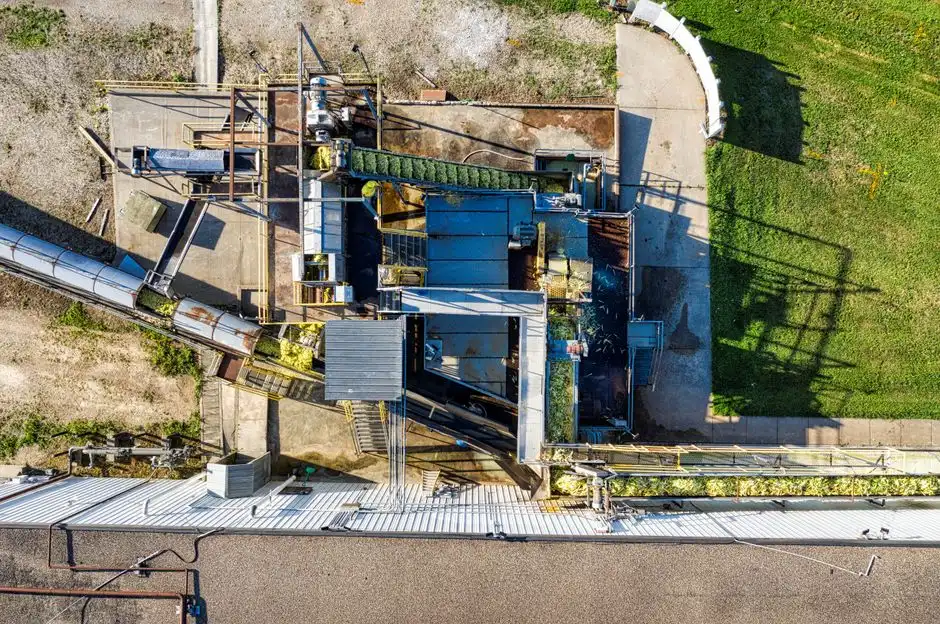
Each supplier should be required to state the complete design basis and identify every assumption, excluded utility and performance limitation. A bid that starts from filtration area without showing the feed and solids duty is not comparable.
Require a guaranteed cake-moisture or cake-solids result at the stated feed rate and dry-solids load, with the test method identified. The technical response should also provide the proposed filter press filtration area, plate quantity, operating mode, cycle sequence, drive and control requirements, wash arrangement, filtrate capacity and cake-discharge method.
| Acceptance item | Required wording or evidence | Buyer check |
|---|---|---|
| Design basis | Complete feed, solids, conditioning, target and schedule | Reject incomplete assumptions |
| Guaranteed result | Cake moisture or solids at defined duty and test method | Confirm the test is measurable and repeatable |
| Equipment definition | Filtration area, plates, controls, cycle, wash and discharge | Compare like-for-like configurations |
| Balance of plant | Feed tank, pumps, polymer system, filtrate return and utilities | Identify exclusions and interface loads |
| Compliance route | Cake destination and applicable documentation | Verify with the authority and receiving route |
Disposal risk must be explicit. The 2026 HydropureWater process guide states that legal routes in the United States include land application, surface disposal or co-disposal, and incineration, each imposing different process and documentation requirements (HydropureWater, 2026). If the municipal sewage sludge treatment process leads to land application, confirm the applicable biosolids requirements rather than treating the term “dewatered sludge” as an approval.
Frequently Asked Questions
Can a plate-and-frame press be sized from a 100 m³/day flow alone?
No. A defensible model requires the feed basis, verified moisture or total solids, dry-solids load, sludge type, conditioning basis, target cake moisture, operating schedule and filtrate-handling capacity. The nominal flow may be used to compare the resulting dry-solids duty, but not to assign a filtration area by itself.
What information is needed to compare unit price, installed cost and consumables?
Request the complete design basis, proposed filtration area and plate count, operating mode, feed and filtrate equipment, utilities, foundation and installation requirements, control system, wash arrangement, cake-discharge method, polymer and wash-water demand, and excluded items.
How do laboratory and field testing reduce selection risk?
Laboratory testing establishes how the actual sludge responds to candidate conditioners, dosing and operating conditions. Field testing checks whether the selected equipment can reproduce the expected result under representative feed and operating conditions. The EPA sequence uses laboratory and field testing before final evaluation against detailed design parameters (EPA, September 1987).
How should a buyer select a supplier and check delivery or compliance risk?
Select a supplier that will sign the complete design basis, disclose exclusions, document the mass balance and guarantee a measurable result at the stated duty. Separately verify