Start with the wastewater the Incheon property actually produces
An Incheon hotel or resort should procure treatment around its actual wastewater sources, daily and peak flows, available footprint, discharge route and reuse objectives—not a package selected from guest-room count alone. A buried A/O plant may suit conventional sanitary sewage where an integrated treatment train and compact below-grade installation are priorities. MBR becomes more attractive where fine filtration, clarification or reuse potential justify greater process complexity. The first engineering task is to segregate sewage from restaurant, laundry, kitchen and pool streams before comparing either system.
The supplied Booking.com resort results identify indoor and outdoor pools, fitness and wellness facilities, restaurants, bars and shared kitchens among Incheon properties. Paradise City has indoor and outdoor pools, a fitness center and a children’s playground; Sheraton Grand Incheon Hotel has an indoor pool, fitness center, spa, two restaurants, a lobby lounge and a bar. Bluebird Hotel also has a shared kitchen. These amenities identify where separate wastewater streams may originate, but they do not establish their flow or pollutant concentrations.
Ask the property’s engineering team for average daily flow, peak-hour flow, current and forecast occupied-room counts, operating hours and expansion plans. The team should also identify whether pool backwash, kitchen wastewater and laundry discharge enter the sanitary sewer, use an allowed pretreatment route or follow separate collection lines. This source-segregation exercise is explained in the hotel A/O package plant versus MBR comparison.
Do not combine flows merely because they discharge through the same building. Restaurant and kitchen streams may require protection against oil, grease and suspended solids; laundry flows require their own sampling; and pool-related flows need an approved collection and treatment route. Until the hotel provides measured flow and sampling data, neither the biological process nor the package capacity can be fixed.
Compare A/O package treatment with MBR
WSZ combines anoxic and aerobic biological contact oxidation, sedimentation and disinfection in one buried package unit, while MBR combines activated sludge with submerged PVDF membrane filtration. The verified equipment information makes the preliminary distinction clear: WSZ emphasizes integrated below-grade packaging, while MBR emphasizes fine filtration and a stated reduction in footprint.
| Decision parameter | WSZ underground A/O package treatment plant | MBR membrane bioreactor |
|---|---|---|
| Treatment process | Anoxic/aerobic biological contact oxidation, sedimentation and disinfection in one buried package | Activated sludge with submerged PVDF membrane filtration |
| Stated treatment capacity | 1–80 m³/h | 10–2,000 m³/day |
| Physical arrangement | One below-grade package | Stated as having a 60% smaller footprint than conventional systems |
| Filtration characteristic | No sub-micron filtration figure supplied | Filtration below 1 μm |
| Hotel use | Listed for hotel applications | Site suitability depends on the required effluent quality, available area and operating capability |
The equipment comparison above uses the supplied specifications for the WSZ underground A/O package treatment plant and MBR membrane bioreactor. Capacity must be compared on a common basis: WSZ is stated in m³/h, while MBR is stated in m³/day. A bidder should reconcile the selected design day, peak duty and operating mode rather than place the two headline ranges side by side.
Use MBR’s lower-footprint and fine-filtration attributes as decision criteria, then test them against available land, the required reuse application, sludge handling and the operator’s membrane-maintenance capability. Use WSZ when the project prioritizes an integrated below-grade train and simpler physical packaging. The supplied information does not establish that either system will satisfy a particular reuse target without project testing and confirmation of local requirements.
The preliminary selection rule is conditional: retain WSZ for a conventional sanitary-sewage duty where below-grade integration is the controlling site requirement; retain MBR where compactness, clarification or filtration is the controlling requirement and the owner can support the associated operating demands. Neither decision should precede review of the actual wastewater profile and discharge route.
Match the system to site and reuse constraints
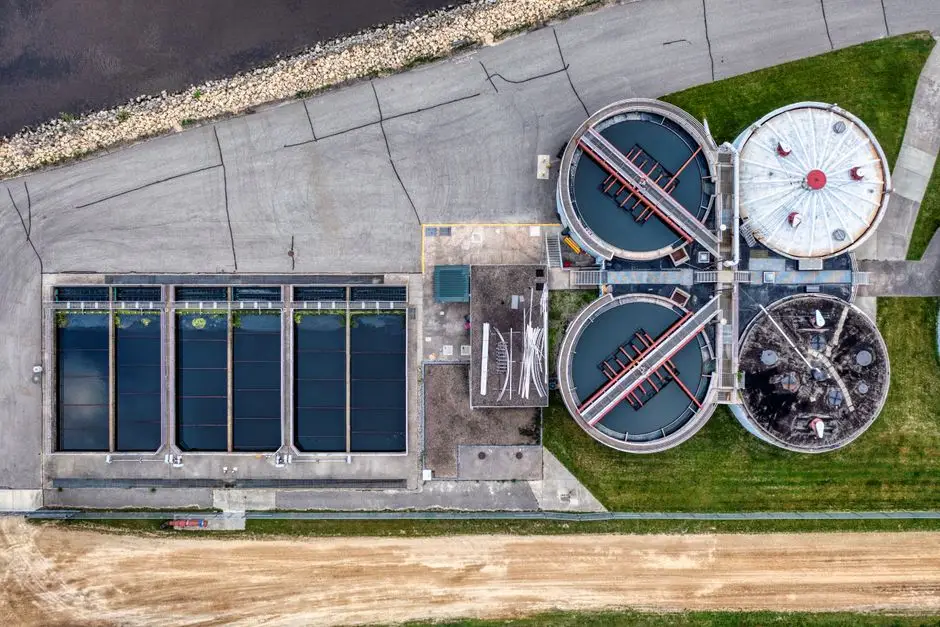
Available space, burial depth, maintenance access, electrical supply, odor control and distance to the discharge or reuse point can eliminate a system before hydraulic sizing begins. Record these constraints as measured site inputs, then require the treatment supplier to demonstrate that its proposed arrangement fits them.
The property’s amenities affect both segregation and hydraulic review. Paradise City’s Booking.com description identifies indoor and outdoor pools, while Sheraton Grand Incheon Hotel’s listing identifies an indoor pool, fitness center, spa, two restaurants, a lobby lounge and a bar. Where these facilities operate on different schedules or generate intermittent discharges, the treatment duty may be driven by a peak or concentrated event rather than by average occupancy alone.
Define the intended outcome before choosing equipment: direct sanitary discharge, connection to a permitted sewer, landscape irrigation or another reuse application. The supplied research does not establish an Incheon reuse standard or confirm the applicable discharge limits. The reviewing authority or consultant must identify the sewer-entry, discharge and reuse conditions before the performance schedule is finalized.
Where oil, grease or suspended solids could overload biological treatment, evaluate a separate pretreatment stage rather than forcing all streams into one unit. An appropriate dissolved air flotation machine may need to be evaluated for qualifying streams, but equipment selection depends on sampling and the approved pretreatment route.
MBR should advance when the project needs sub-micron filtration or the footprint advantage can be translated into usable site area. WSZ should advance when integration and below-grade installation matter more than membrane filtration. In both cases, the reuse objective remains unresolved until the authority, consultant and supplier align the treatment target with the intended end use.
Build a tender-ready sizing and verification checklist
A tender becomes comparable when every bidder receives the same duty basis, wastewater evidence, site constraints and compliance information. Start with operations and engineering data rather than a catalog capacity. Obtain current and forecast wastewater flow, peak-flow and duration information, seasonal occupancy, operating hours, pollutant sampling results, incoming water quality, discharge route and intended reuse target.
| Information to request before quotation | Required detail | Reason for the check |
|---|---|---|
| Flow and occupancy basis | Average daily flow, peak flow, flow duration, seasonal occupancy, operating hours and expansion plans | Defines the hydraulic duty and whether fixed or modular capacity is appropriate |
| Wastewater profile | Sampling results for sewage and each segregated stream, including oil, grease and suspended solids where relevant | Establishes required pretreatment and process suitability |
| Regulatory basis | Permitted sewer-entry, discharge and reuse conditions from the relevant Incheon authority or reviewing consultant | Prevents equipment being specified against unverified targets |
| Site conditions | Available footprint, burial depth, maintenance access, power supply, odor-control requirement and discharge-point distance | Tests constructability, serviceability and treatment train selection |
| Supplier submission | Design basis, duty range, process, disinfection, sludge handling, controls, footprint, power demand, installation requirements and maintenance scope | Allows like-for-like technical and commercial evaluation |
| Commercial exclusions | Clarified limits for equipment, civil works, installation, commissioning, training, consumables and maintenance | Prevents an incomplete lower quotation from distorting the comparison |
Ask each bidder to state its design basis and treatment process, then compare bids on the same flow unit and operating basis. The supplied WSZ range is 1–80 m³/h and the MBR range is 10–2,000 m³/day; neither range establishes the duty for the property. The package sewage plant versus MBR sizing guide provides a structure for converting site information into a comparable basis.
Use current occupancy and future expansion plans to decide whether one fixed package is adequate or modular treatment and future capacity should be required. Request production, shipping, installation and commissioning dates as contractual milestones because the supplied evidence contains no verified manufacturing or delivery schedule for an Incheon project.
Frequently Asked Questions
What cost information should an Incheon hotel request when comparing an A/O package plant with MBR?
No verified Incheon hotel wastewater-system price is present in the research, so request itemized bids covering equipment, civil works, installation, controls, disinfection, sludge handling, commissioning, training and maintenance. Ask bidders to identify consumables, membrane replacement where applicable, major maintenance and site-specific exclusions. Then compare total ownership scope rather than headline equipment prices.
How should an Incheon resort be sized without relying only on guest-room count?
Request wastewater sampling and measured peak-flow data, then express every proposal in both m³/day and peak m³/h. Include seasonal occupancy and the operating pattern of pools, restaurants and laundry. This prevents a supplier from sizing from occupancy alone and exposes whether the proposed system handles concentrated or intermittent flows.
How should a supplier be selected for a commercial wastewater system?
Require the supplier to demonstrate the proposed process against the actual wastewater profile, state its duty basis and identify exclusions and site-specific engineering responsibilities. Ask for reference operating conditions, controls, sludge-handling provisions, maintenance requirements and the proposed performance-verification method. A selected technology should follow the verified duty rather than lead the sizing process.
What compliance risk remains before selecting treatment for an Incheon hotel?
Treat the discharge route and reuse objective as unresolved local verification items. The supplied research contains no confirmed Incheon discharge limits, sewer-entry conditions or reuse requirements. Obtain written applicable conditions from the relevant authority or reviewing consultant, incorporate them into the tender, and require the supplier’s proposed guarantees to match that basis.