Confirm the site's sewer and effluent route
A hotel or resort in Kano generally needs decentralized sewage treatment when a reliable central sewer is unavailable. The practical choice is usually a buried WSZ packaged A/O plant for conventional domestic sewage or a membrane bioreactor where compactness or advanced solids separation matters. Selection must follow a site water balance, measured average and peak flows, separate kitchen, laundry, pool and spa streams, the intended effluent use and current Kano approvals. No supplied study establishes Kano hotel discharge limits, so those requirements must be confirmed with the relevant authority rather than inferred from equipment catalogues.
Before selecting equipment, obtain written confirmation from the property and the relevant Kano authority on whether central sewer service is available, whether connection is technically permitted and who must approve the proposed discharge route. If sewering is unavailable or impractical, the site needs an on-site treatment train with a defined final destination. If a sewer connection is possible, clarify connection conditions, ownership responsibilities and pretreatment requirements before comparing packaged systems.
The required effluent outcome must also be stated before the process train is selected: controlled disposal, permitted discharge, toilet flushing, irrigation or another reuse application. The Lagos guide, published by HydropureWater in 2026, identifies the receiving environment and current authority requirements as part of the design basis and states that the supplied research does not establish numerical hotel effluent limits. It supports obtaining current requirements rather than transferring limits from another jurisdiction.
The Kano Jakara River study by Shuaibu and Mohammed, published in 2018, shows local interest in wastewater use in urban agriculture, but it does not establish that Jakara River wastewater or a hotel treatment plant is approved for agricultural reuse. Treat it as context, not a permission or design standard. Further site-specific direction is available in the hotel and resort wastewater system comparison, which also keeps the receiving route separate from equipment selection.
Map every wastewater stream before sizing
The design flow must come from a source-by-source hotel water balance, not from room count alone. The Lagos guide, published by HydropureWater in 2026, states that flow, peak load and wastewater characteristics determine the design basis and that no verified per-guest wastewater-generation factor is available in the supplied research. For a Kano hotel, request metered water records where available; otherwise, require an engineer-approved estimation method and record the occupancy and operating assumptions behind every estimated flow.
| Wastewater source | Information to collect | Design implication |
|---|---|---|
| Guestrooms and staff areas | Metered consumption, occupancy pattern, average daily flow and peak periods | Establishes the domestic sewage baseline and hydraulic peak |
| Restaurants and kitchens | Flow, discharge timing and grease and solids observations | Provide appropriate kitchen grease and solids control before biological treatment |
| Laundry | Flow, linen load and lint observations | Provide laundry lint trapping and confirm its location in the route |
| Swimming pools | Water balance, chemical use and discharge frequency | Assess separately because chlorine and variable chemistry may affect biological treatment |
| Spas | Flow, water chemistry and proposed destination | Assess as a separate water-quality and reuse decision |
| Irrigation | Seasonal demand and source-water assumptions | Distinguish potable demand from wastewater-derived reuse |
Complete the sheet below for each stream, then reconcile total water use with the proposed wastewater flows. Peak wastewater flow should reflect the property’s actual operating pattern, including simultaneous guest occupancy, meal periods, laundry cycles and other discharge events. Do not substitute assumptions about industrial-strength wastewater for domestic-sewage characterization: the supplied research establishes no Kano hotel generation factor or strength profile.
- Hotel input: daily and peak flow, operating hours, occupancy basis, available footprint, power source and intended effluent use.
- Engineer input: approved estimation method, hydraulic peak calculation, organic loading assumptions and sampling plan.
- Unverified item: numerical Kano discharge limits and per-guest generation factors must be obtained or approved for this project.
The domestic sewage biological treatment process provides the appropriate starting point for separating domestic sewage from kitchen, laundry, pool and spa streams rather than treating them as one undifferentiated flow.
Compare WSZ and MBR against site conditions
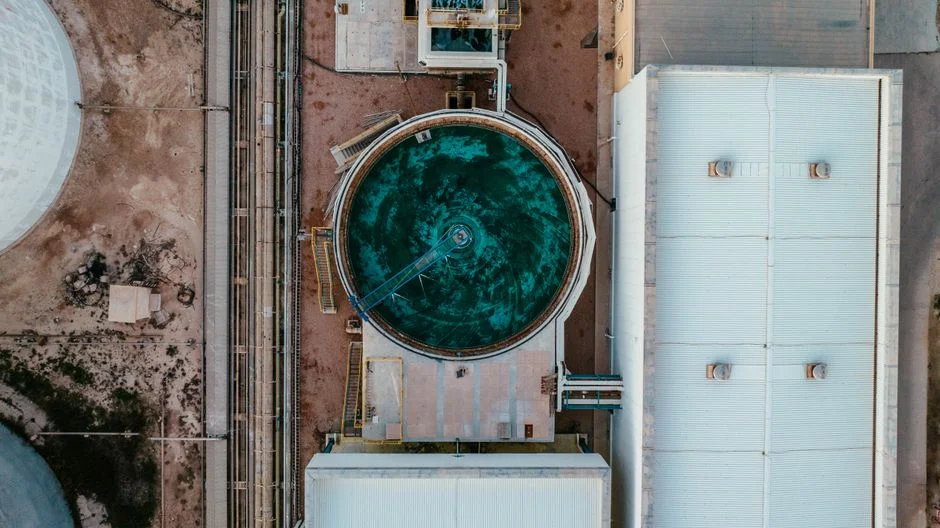
WSZ is the appropriate first concept when the wastewater is conventional domestic sewage and the site benefits from an integrated buried package; MBR deserves evaluation when footprint, advanced separation or a higher-grade reuse objective justifies additional process complexity. This distinction is conditional, because neither catalogue capacity nor filtration performance establishes site suitability or approval for reuse.
| Decision factor | WSZ packaged A/O concept | MBR concept |
|---|---|---|
| Process configuration | Anoxic/aerobic contact oxidation, sedimentation and disinfection in one underground unit | Activated sludge with submerged PVDF membrane filtration |
| Supplier-stated capacity envelope | 1–80 m³/h | 10–2,000 m³/day |
| Separation basis | Conventional clarification within the integrated package | Submerged membrane filtration stated as below 1 μm |
| Footprint statement | Buried integrated arrangement | Catalogue footprint stated as 60% smaller than conventional systems |
| Strongest preliminary fit | Conventional domestic sewage where a buried package fits | Limited site area, advanced solids separation or a higher-grade reuse objective |
| Required check before order | Hydraulic and organic loading against the selected supplier’s verified duty envelope | The same duty check, plus membrane operation, controls and maintenance requirements |
The equipment ranges above are stated in the HydropureWater 2026 Lagos guide and product information. They are selection envelopes, not proof that a unit can treat the Kano site’s peak wastewater flow or loading. The supplier must reconcile the calculated flows with its verified duty curve, process assumptions and pretreatment requirements.
Evaluate the buried WSZ package sewage treatment plant when the treatment objective is conventional domestic-sewage treatment, site excavation is feasible and an integrated package reduces the number of separate process units. Evaluate the submerged-membrane MBR wastewater system when the site is constrained or the specified effluent requires advanced separation. The Lagos guide states that MBR filtration below 1 μm does not itself authorize toilet flushing, irrigation or any other reuse application; the effluent objective and regulator approval remain controlling.
Use a conditional decision sequence:
- If no central sewer is available and the flow is conventional domestic sewage, develop a WSZ concept.
- If the footprint, reuse objective or solids-separation requirement points to MBR, request an MBR alternative.
- If kitchen, laundry, pool or spa streams are present, resolve their pretreatment and disposal routes before comparing packages.
- If either package exceeds its verified duty envelope, revise the process train or use staged capacity rather than relying on catalogue limits.
Build a quotation-ready Kano design brief
A defensible quotation requires the same design basis from the hotel, local designer or authority and equipment supplier. The hotel owns operating and site information; the local designer or authority establishes the approval and compliance framework; the supplier demonstrates that its proposed process fits the documented flows and conditions. This division prevents a catalogue price from masking unresolved civil works, pretreatment or approval obligations.
| Responsible party | Information or deliverable required |
|---|---|
| Hotel | Occupancy assumptions, metered water use, source-by-source flows, peak periods, available footprint, power availability, operating staff, reuse objective and preferred discharge route |
| Local designer or authority | Applicable approvals, site and receiving-environment constraints, construction requirements, testing protocol and current effluent conditions |
| Equipment supplier | Process route, hydraulic and organic design basis, pretreatment, controls, sludge handling, maintenance plan, commissioning scope and supporting comparable installations |
| All parties | Confirmation of whether quotations cover raw wastewater or treated-water flow, with every excluded civil, installation and approval cost identified |
Attach the completed water balance, marked site plan, stream-separation diagram, preliminary WSZ and MBR options, duty calculations, receiving-route sketch and approval register. Ask suppliers to state their design flow basis, average and peak treatment duty, expected operating mode, power demand, utility requirements, maintenance access and commissioning acceptance criteria. Also require exclusions to be listed rather than hidden behind a lump-sum equipment price.
Where sludge handling is part of the proposal, specify its destination, removal method and operating responsibility. The hotel wastewater sludge dewatering equipment selection guide can support that separate review, but dewatering should not be added to the concept until the treatment route, sludge characteristics and disposal destination are defined.
Plan commissioning and long-term operations
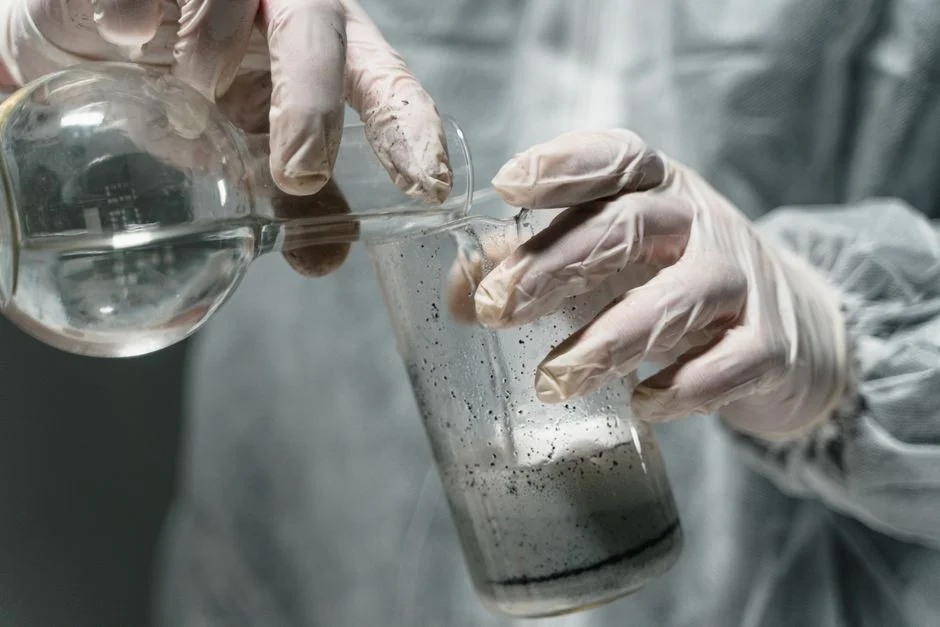
A complete hotel wastewater system must be commissioned as one route, not as an isolated biological package. Verify screening, equalization, biological treatment, solids separation, disinfection, sludge handling and the final effluent destination. Baseline flow and wastewater characteristics should be recorded before start-up, then the installed performance should be checked against the approved design basis and monitoring plan.
Before accepting an automatic or operator-free configuration, confirm how staff will inspect the process, remove sludge, clear screens, maintain membranes or other equipment, replenish chemicals and obtain specialist support. Check access for lifting equipment, spare parts and maintenance vehicles. A supplier’s stated capacity does not compensate for inaccessible equipment or an undefined sludge route.
Assign named operational responsibilities and retain baseline records for comparing actual flow, loading and effluent performance with the design assumptions. If the property changes occupancy, laundry arrangements, food-service operations or reuse practices, revisit the water balance and process duty. Nigeria research by Anabaraonye, Orji, Ewa and Arinze, published in 2023 in the Covenant Journal of Entrepreneurship, identifies wastewater management as relevant to health, environmental performance and sustainable economic growth; that supports treating reliable operation and maintenance as part of the business case rather than an afterthought.
Frequently Asked Questions
Should a Kano hotel choose WSZ or MBR?
Choose a WSZ concept when the wastewater is conventional domestic sewage and a buried integrated package fits the site. Investigate MBR when limited footprint, advanced separation or a higher-grade reuse objective justifies added process complexity. The final reuse permission must come from the relevant authority, not from filtration performance alone.
What information is needed to size the treatment plant?
Request metered water records where available, then complete a source-by-source water balance covering domestic sewage, kitchen, laundry, pool, spa and irrigation flows. Document occupancy and peak periods. No verified Kano per-guest wastewater factor is supplied, so any estimated factor must be engineer-approved.
How should suppliers be selected without a confirmed quotation?
Give each supplier the same water balance, site constraints and approved effluent objective, then require a selected process route, verified hydraulic and organic duty, pretreatment, controls, sludge handling, commissioning scope and comparable installations. Require exclusions for civil work, installation and approvals to be priced separately or explicitly identified.
What controls should be included in the hotel’s budget request?
Request a capital breakdown covering equipment, pretreatment, civil works, power, controls, installation, commissioning, training, maintenance, sludge handling and monitoring. Also ask for consumables, specialist support and sludge-disposal costs that recur after handover; the supplied research provides no Kano price, so the quotation must be built from the documented site scope rather than an assumed local rate.