
How to Choose Domestic Sewage Treatment in Kota Kinabalu
Domestic sewage treatment in Kota Kinabalu starts with comparing a centralized sewer connection against decentralized package treatment when no suitable sewer is available. For decentralized projects, the WSZ underground unit combines anoxic/aerobic biological contact oxidation, sedimentation and disinfection in one automated package rated for 1–80 m³/h. Local evidence from the UMS sewage treatment plant showed consistent 80% BOD removal, although oil and grease occasionally exceeded permissible limits. Final selection should therefore depend on verified flow, site conditions, discharge requirements and reuse objectives.
Make four decisions before reviewing equipment:
- Establish whether a sewer connection is technically available and economically preferable.
- Verify wastewater flow and pollutant loads from the proposed development.
- Identify the receiving route for treated effluent.
- Define whether non-potable reuse is required and who will approve it.
The underground WSZ package sewage treatment plant provides a useful decentralized benchmark because it integrates the principal biological and solids-removal stages in one buried unit. Its fully automated, no-required-operator configuration may suit sites where surface space is constrained, but the catalog capacity range is not a substitute for project sizing.
| Decision | Information required | Engineering consequence |
|---|---|---|
| Sewer or decentralized | Connection route, authority requirements, sewer capacity and available connection point | Select centralized conveyance where viable; otherwise assess package treatment or a hybrid arrangement. |
| Design flow and load | Metered flow, occupancy, unit demand and representative wastewater testing | Size equalization, biological treatment, solids separation and pretreatment for peak and surge conditions. |
| Effluent destination | Approved discharge point, receiving water and applicable domestic requirements | Define the required treatment and disinfection performance. |
| Reuse | Intended use, public-health constraints and water-quality specification | Determine whether basic treatment is sufficient or membrane filtration and additional controls are justified. |
Do not transfer industrial treatment limits directly to domestic sewage. The Kota Kinabalu industrial guide covers a different effluent category and is useful for procurement, logistics and supplier-comparison context, not for defining domestic process requirements or regulatory limits. The applicable sewer, environmental and site-development conditions must be confirmed with the relevant Sabah and municipal authorities.
What Local Research Shows About Kota Kinabalu Sewage Treatment
The 2022 UMS case study found that the Universiti Malaysia Sabah sewage treatment plant’s design parameters complied with the Malaysian Sewerage Industry Guidelines and reported consistent 80% BOD removal, providing local evidence for biological treatment rather than a universal performance guarantee for a proposed package plant (Bolong et al., IOP Conference Series: Materials Science and Engineering, 2022).
The same study compared influent and effluent under peak lecture-week and non-peak semester-break conditions. TSS, BOD, COD, oil and grease were generally higher during peak periods, and the researchers also observed a timely sudden increase in influent conditions. That finding supports two design checks: provide equalization for short-duration surges, and sample across representative operating periods rather than relying on one laboratory result (Bolong et al., 2022).
Effluent quality was inconsistent but generally remained within the cited permissible limits, except for oil and grease, which occasionally exceeded the allowable value. For decentralized domestic plants, this translates into routine monitoring of solids, grease and final effluent, together with adequate upstream solids and grease control. Equipment marketing claims cannot replace this operating control.
The researchers proposed agricultural use and landscape irrigation because of the effluent’s environmental quality potential and the reduction in direct discharge to receiving waters. That proposal was a research-based recommendation, not permission for an individual development. A reuse project still needs current approval, public-health review and verification against its intended use.
Separate research on microplastics found particles in both influent and effluent at the UMS and Penampang sewage treatment plants, indicating that some particles persisted through treatment. The study did not establish the performance of a proposed decentralized unit, but it supports including solids capture and effluent-quality verification in the procurement scope (Frontiers in Water and Environment, supplied research).
Which Treatment Process Fits the Application
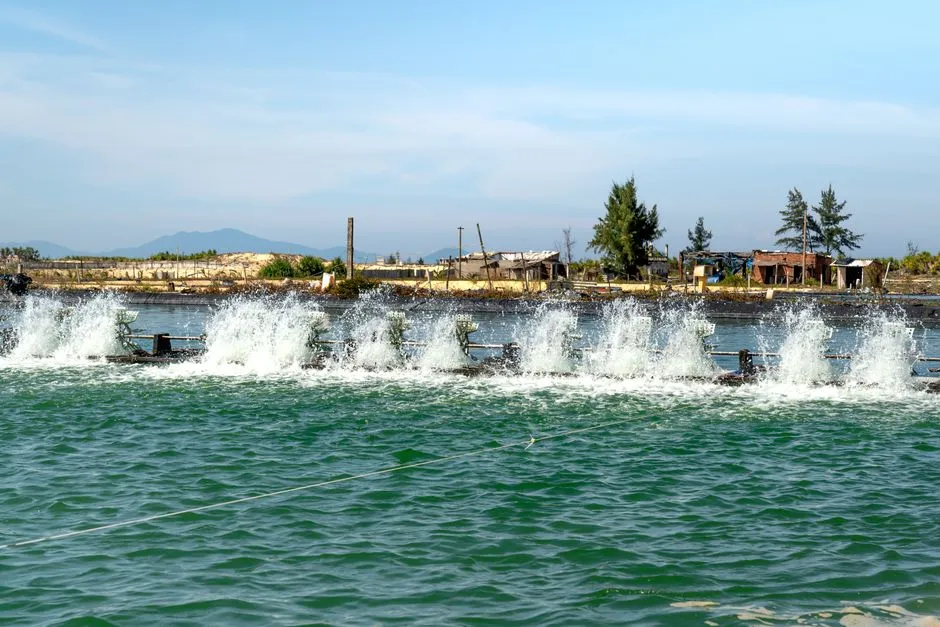
The WSZ configuration is a practical fit where residential communities, hotels, hospitals, factories or rural sites require a compact, installed biological treatment package with limited surface occupation.
| Application or requirement | Potential configuration | Selection question |
|---|---|---|
| Compact decentralized domestic treatment | Underground A/O biological contact oxidation, sedimentation and disinfection | Does the site have verified flows, suitable burial conditions, access for lifting and maintenance, and the required discharge route? |
| Very low solids separation or high-quality reuse | Activated sludge combined with submerged PVDF membrane filtration | Does verified reuse quality justify the added membrane, controls, maintenance and replacement requirements? |
| Protection of downstream treatment stages | Mechanical bar screening and applicable grease or solids removal | Are fixtures, hotel kitchens, canteens or other sources capable of introducing material that could overload the selected process? |
| Separated sludge handling | Plate-and-frame dewatering | How will sludge be stored, dewatered, transported and disposed of under the site-specific operating plan? |
The MBR membrane bioreactor for compact sewage treatment combines activated sludge with submerged PVDF membrane filtration. HydropureWater’s product data states that it provides filtration below 1 μm and occupies 60% less footprint than conventional systems. Consider MBR where verified requirements justify sub-micron separation, compact installation or a high-quality reuse stream; do not select it solely from a footprint claim.
HydropureWater’s 2026 Kota Kinabalu industrial guide identifies screening, equalization, primary separation, biological treatment and polishing or disinfection as the common five-stage treatment train. Domestic package plants can simplify that arrangement, but the final train must follow the verified influent and reuse requirements. For domestic sewage, include screening and grease or solids control where fixtures, canteens or hotel operations are present. The UMS study’s occasional oil and grease exceedance makes this a monitoring and pretreatment consideration.
The industrial guide also recommends high-rate anaerobic pretreatment for palm oil mill effluent. Do not apply that rule to ordinary domestic sewage without an influent assessment; it addresses a high-strength industrial stream rather than a housing estate, hotel or institutional wastewater.
Where pretreatment is required, review equipment such as the rotary mechanical bar screen as a headworks option, but specify it only after confirming the expected flow, solids character, materials handling and maintenance access.
Size the Plant From Verified Site Data
Package wastewater treatment plant sizing should begin with measured or documented site data, not a catalog flow rating.
- Establish flow. Request current wastewater flow from metering or operating records where available. Otherwise, obtain per-capita, occupancy or unit-demand inputs from the project consultant and record every assumption.
- Characterize the influent. Obtain 24-hour composite or event-based testing for COD, BOD, TSS, oil and grease, pH and flow before finalizing biological loading, equalization volume and pretreatment.
- Check peak and surge behavior. Assess peak-hour flow, sudden influent increases and future expansion. The UMS study recorded generally higher TSS, BOD, COD, oil and grease during peak periods and observed a timely sudden increase (Bolong et al., 2022).
- Validate installation constraints. Record soil conditions, groundwater level, burial depth, access route, lifting requirements, power availability and maintenance access.
- Check the proposed unit. Compare required daily load, peak-hour flow and expansion provisions with the selected equipment. The WSZ catalog range of 1–80 m³/h is an equipment range, not a site design recommendation.
The wastewater treatment capacity calculation method can structure the calculation, but the final design remains conditional on verified flow and load data. Equalization and biological treatment must accommodate peak and surge conditions, not only average daily flow.
| Design input | Evidence to request | Why it matters |
|---|---|---|
| Average and peak flow | Meter records, occupancy schedule, unit-demand calculation or consultant flow model | Determines hydraulic capacity and equalization response. |
| Organic load | Representative COD and BOD testing | Determines biological treatment capacity and loading limits. |
| Solids and grease | TSS and oil and grease testing across operating periods | Identifies pretreatment and solids-management requirements. |
| Water chemistry | pH testing and relevant site information | Checks treatment suitability and discharge or reuse conditions. |
| Physical site | Soil, groundwater, access, lifting, power and service-clearance survey | Defines civil works, installation method and lifecycle cost. |
For an estate, hotel or hospital, document occupancy assumptions and any seasonal or operational peaks. The process supplier should state which measurements are design inputs and which remain to be confirmed during detailed design.
Discharge, Reuse and Compliance Due Diligence
Applicable domestic discharge and reuse requirements must be confirmed with the relevant Kota Kinabalu or Sabah authorities and the receiving utility; no single research paper or industrial guide can substitute for a project-specific approval pathway.
The UMS study proposed effluent reuse for agricultural purposes and landscape irrigation based on local effluent evidence and reduced direct discharge. It did not grant permission for reuse by another developer. A proposed reuse stream requires current approval, public-health review and confirmation that the treatment process consistently meets the specified water quality.
HydropureWater’s 2026 Kota Kinabalu industrial guide lists limits under the Industrial Effluents Regulations 2009 that apply to licensed industrial premises. These are industrial limits:
| Parameter | Standard A | Standard B | Required interpretation |
|---|---|---|---|
| BOD5 | 20 mg/L | 50 mg/L | Do not apply to domestic sewage unless the applicable regulations expressly establish that scope. |
| COD | 50 mg/L | 100 mg/L | Confirm the domestic requirement independently. |
| TSS | 50 mg/L | 100 mg/L | Confirm the receiving route and project specification. |
| pH | 6.0–9.0 | 6.0–9.0 | Use only if the project is confirmed to fall within that regulatory scope. |
| Temperature | Below 40°C | Below 40°C | Use only if the project is confirmed to fall within that regulatory scope. |
The figures above are reported in HydropureWater’s 2026 industrial guide and are scoped to industrial effluent. They must not be presented as domestic discharge limits. A domestic buyer should request the applicable requirements directly from the authorities and receiving utility.
Before acceptance, require a commissioning sampling plan covering the agreed operating periods, instrument calibration schedule, operating log format, sludge-handling method, and emergency bypass or contingency arrangement. The domestic sewage treatment guide for Malaysia provides a broader procurement reference, but current Kota Kinabalu requirements still govern the site.
For reuse, define the application, intended users, irrigation or discharge controls, monitoring frequency and responsible operator. A one-off compliant sample is insufficient evidence for a continuous reuse obligation.
Installation and Lifecycle Costs for Sabah Projects
An installed-price comparison is more useful for domestic sewage treatment procurement than an ex-works unit price.
Require each supplier to separate:
- Equipment ex-works;
- Sea or air freight and insurance;
- Import duties, customs and port charges;
- Site preparation and civil works;
- Installation and electrical work;
- Commissioning and operator training;
- Initial chemicals, seed media and replacement spares;
- Sludge removal and disposal arrangements.
HydropureWater’s 2026 Kota Kinabalu industrial guide estimates freight through Sapangar Bay Container Port at 12–18% of ex-works cost and civil works plus installation at 8–12%. These are logistics benchmarks for industrial packaged plants, not domestic quotations. The same source reports 25–35 days for typical sea freight door-to-door and 7–14 days of supervised commissioning after delivery.
| Cost or schedule item | Published industrial benchmark | Domestic purchasing treatment |
|---|---|---|
| Sea or air freight | 12–18% of ex-works cost | Request a domestic-project quote; do not reuse the percentage without confirmation. |
| Civil works and installation | 8–12% of ex-works cost | Confirm the site-specific civil scope, excavation, lifting, controls and power connection. |
| Sea freight through Sapangar Bay | 25–35 days door-to-door | Ask the supplier to confirm the actual route, Incoterm, production date and customs sequence. |
| Supervised commissioning | 7–14 days after delivery | Define testing, training, biological startup and acceptance responsibilities. |
| 50 m³/day packaged industrial CAPEX | USD 80,000–140,000 ex-works | Industrial context only; not a domestic project price. |
| 200 m³/day packaged industrial CAPEX | USD 180,000–350,000 ex-works | Industrial context only; not a domestic project price. |
| 500 m³/day packaged industrial CAPEX | USD 400,000–750,000 ex-works | Industrial context only; not a domestic project price. |
For operating costs, request site-specific estimates for sludge handling, aeration, chemicals, membrane replacement, power, labor and sampling. HydropureWater’s 2026 industrial guide allocates 45–60% of operating cost to aeration, 15–25% to sludge handling and 5–10% to chemicals. Those percentages are not a verified domestic cost split and should not be used in a domestic budget without site-specific evidence.
The Malaysia rural sewage treatment equipment guide can support broader equipment comparison, but quotations should reflect Kota Kinabalu logistics, soil, groundwater, access and electrical conditions.
A Practical Supplier and Acceptance Checklist
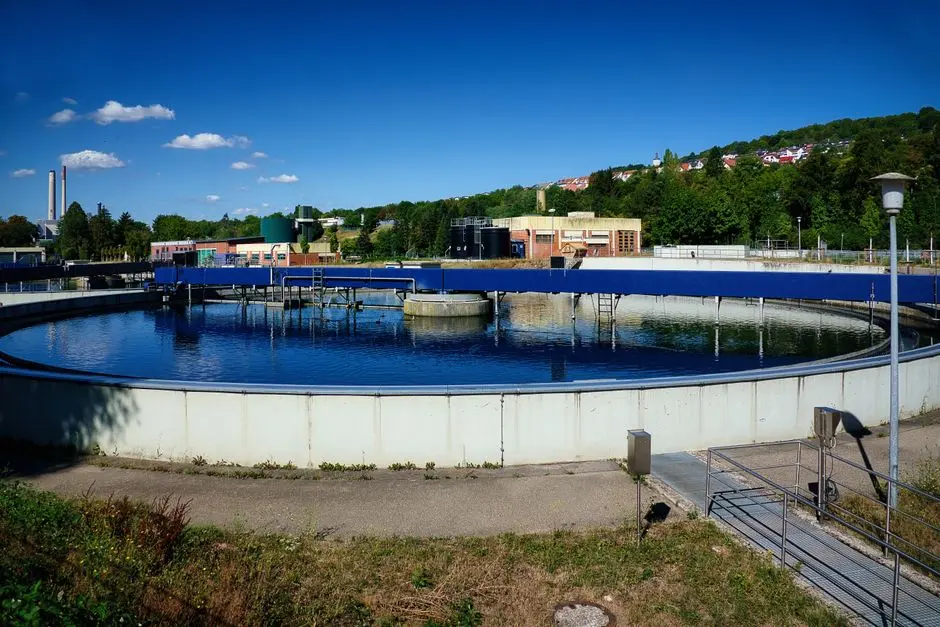
A purchase order should follow a documented process basis, site-specific design review and verification of the supplier’s delivery capability.
- Require the process basis. It must state the selected flow, organic load, equalization volume, biological loading, solids separation, disinfection, sludge handling and final discharge or reuse route.
- Review the site-specific design. Request the general arrangement, civil and structural loads, power and control requirements, buried-installation details, lifting plan, access clearances and commissioning deliverables.
- Verify factory and site tests. Confirm the factory acceptance test, site acceptance criteria, operator training, alarm and remote-control functionality, spare-parts availability and technical support across East Malaysia.
- Make purchase conditional. Tie the order and payment milestones to influent verification, required approvals, site surveys and a written process guarantee linked to agreed influent and effluent conditions.
- Define acceptance evidence. Require test results, calibrated instruments, operating records, training records, as-built documentation and a clear process for managing non-conforming effluent or bypass events.
Use the plate-and-frame filter press for separated sludge as a reference when evaluating the solids-handling package. Include sludge dewatering in the scope rather than treating it as an incidental accessory.
Remote monitoring should be an operational support, not a substitute for site inspections. Confirm who reviews alarms, responds to failures, replenishes chemicals, services the aeration system and removes sludge in Kota Kinabalu.
Frequently Asked Questions
How much does a domestic sewage treatment system cost in Kota Kinabalu in 2026?
The supplied research does not publish a domestic-system quotation. Request a site-specific installed price that separates the treatment unit, freight, import and customs charges, civil works, installation, electrical work, commissioning, training, initial spares and sludge handling. Treat the published industrial CAPEX ranges only as procurement context, not domestic prices.
Should a Kota Kinabalu project choose an underground package plant or an MBR system?
Choose the underground WSZ package where the verified duty supports its integrated A/O contact oxidation, sedimentation and disinfection arrangement and underground installation is practical. Consider MBR where the verified reuse specification justifies sub-micron filtration, compact installation and the associated membrane controls and maintenance. Make the final choice from influent data, reuse requirements and site conditions rather than footprint claims alone.
How long does it take to deliver and commission sewage treatment equipment in Kota Kinabalu?
The available industrial procurement guide reports 25–35 days for sea freight door-to-door and 7–14 days of supervised commissioning after delivery. These are industrial logistics benchmarks, not a confirmed domestic schedule. Ask the supplier for the production date, shipping route, customs sequence, installation duration, testing program and acceptance milestones for the specific unit.
What influent data is needed before ordering a domestic sewage treatment plant?
Obtain verified flow together with COD, BOD, TSS, oil and grease and pH across representative operating periods. Add peak-flow evidence, occupancy assumptions, future expansion, site constraints and the required discharge or reuse specification. If measurement is unavailable, require the consultant to document the derivation and assumptions used for each design value.
Can treated domestic sewage from Kota Kinabalu be used for landscape irrigation?
The UMS study proposed this use based on local effluent evidence, but it did not authorize a specific project. Obtain the current permit or approval, public-health review, intended-use water-quality specification and a monitoring plan, and verify that the selected plant can maintain the required quality across operating conditions.
Related Equipment
- underground WSZ package sewage treatment plant — specifications, capacity range, and technical data