Which Rules Govern a Mine or Metals Discharge to Sewer?
Mining and metals plants near Elma meet sewer pretreatment limits by treating wastewater to the stricter applicable requirement before discharge to the municipal POTW. EPA’s pretreatment framework covers prohibited discharges, categorical standards and POTW local limits, with industrial-user permits or equivalent controls governing compliance. A typical treatment train combines equalization, PLC-controlled pH adjustment, chemical precipitation, DAF or lamella clarification, filtration and sludge dewatering. Exact limits must come from the receiving POTW’s sewer-use ordinance, industrial-user permit and applicable categorical standard—not a generic mine-waste profile.
EPA distinguishes two different authorization paths. A point-source discharge from a mining operation to surface water, including a discharge from an associated impoundment, requires NPDES authorization under EPA’s Industrial Wastewater resource. A sewer discharge is an indirect discharge: it enters a POTW’s collection system rather than the receiving water directly. EPA’s Local Limits Development Guidance, published 2021-06, states that an indirect discharger’s obligations are determined by permits or equivalent control mechanisms issued to POTW industrial users or by applicable regulatory requirements.
A mine or metals processor may therefore need both forms of authorization for different outfalls. NPDES coverage for a surface-water discharge does not authorize a connection to a municipal sewer, and a POTW industrial-user permit does not replace NPDES coverage for a separate direct discharge. Determine each discharge point and receiving destination before selecting a treatment train.
| Discharge or control document | What it governs | Decision check |
|---|---|---|
| NPDES permit | Direct point-source discharges to surface waters | Identify every outfall that reaches surface water |
| POTW industrial-user permit | Wastewater discharged to the POTW through the collection system | Confirm discharge point, pollutants, monitoring and reporting conditions |
| Sewer-use ordinance | The POTW’s local discharge prohibitions and local limits | Request the current adopted version and applicable appendices |
| Categorical pretreatment standard | Federal requirements for an applicable industrial-user category | Determine whether ore mining and dressing, metal finishing or another category applies |
| EPA local-limits method | Development of POTW local limits | Understand how each limit was derived and implemented |
Request the current sewer-use ordinance, the site’s POTW industrial-user permit or equivalent control mechanism, the applicable categorical pretreatment standard, monitoring requirements and written authorization for the proposed discharge point. Reconcile prohibited discharges, categorical standards and local limits without inventing numerical ceilings. EPA’s 2021 guidance is explanatory rather than binding; the controlling permit, regulation or ordinance governs if there is a conflict.
The mining and metals sewer pretreatment guide provides a useful adjacent-sector framing, but the Elma-area design basis must begin with the receiving POTW’s documents.
Turn the POTW Limit into a Treatment Design Basis
EPA’s five-step local-limit method turns a POTW limit into an auditable operating record: identify pollutants of concern, collect and analyze data, calculate maximum allowable headworks loadings for each pollutant, designate and implement limits, and address collection-system concerns. EPA’s Local Limits Development Guidance (2021-06) provides the framework; the site’s actual permit determines the enforceable operating conditions.
- Identify pollutants of concern. Do this from the POTW’s local-limit decision record, categorical standard, sewer-use ordinance and site process inventory.
- Collect and analyze data. EPA organizes the evidence around POTW, collection-system and industrial-user sampling locations, sampling frequency, analytical methods and flow data.
- Calculate maximum allowable headworks loadings. For each pollutant, examine how the limit protects the treatment works, collection system and receiving environment.
- Designate and implement limits. Confirm how each requirement became enforceable through the local limit, permit, allocation or equivalent mechanism.
- Address collection-system concerns. Check pass-through, interference, prohibited discharges and any constituent requiring special monitoring or control.
Build a site sampling plan around point-of-discharge flow; maximum and minimum pH; metals; TSS; oil and grease where relevant; conductivity or TDS indicators; and any PFAS or other constituents identified by the POTW. EPA’s guidance specifically addresses sampling locations, frequencies, methods, analytical methods, information maintenance, analytical review and flow data. Those records should connect each compliance result to the equipment operating condition that produced it.
A sector profile can help identify analytes, but it cannot establish enforceable limits. HydropureWater’s mining and metals pretreatment article, published without a reliable date in the supplied research, describes pH of 2–4, TSS in the hundreds to several thousand mg/L, dissolved Pb, Cu, Zn, Cd, Ni and As, and elevated sulfate and TDS as typical screening characteristics. Treat these as sampling priorities—not as Elma permit limits.
| Design input | Required evidence | Use in equipment selection |
|---|---|---|
| Enforceable discharge conditions | Permit, ordinance, local-limit decision record and categorical standard | Sets treatment and acceptance targets |
| Design flow | Measured flow history, batch records and operating schedule | Sizes equalization, treatment and transfer capacity |
| Wastewater matrix | Representative samples and analytical methods | Defines chemistry, solids, oil and fouling conditions |
| Compliance evidence | Sampling points, frequencies, calibration and flow records | Supports operation, reporting and deviation investigation |
Size the flow basis from actual operations, including clean-out, dump-leach and shift-change batches. Request the POTW’s monitoring compliance schedule rather than assuming that meeting a federal categorical standard satisfies the sewer-use ordinance. A TSS metering buyers guide can inform monitoring selection, but the permit protocol controls.
Build a Pretreatment Train for Variable Mine and Metals Wastewater
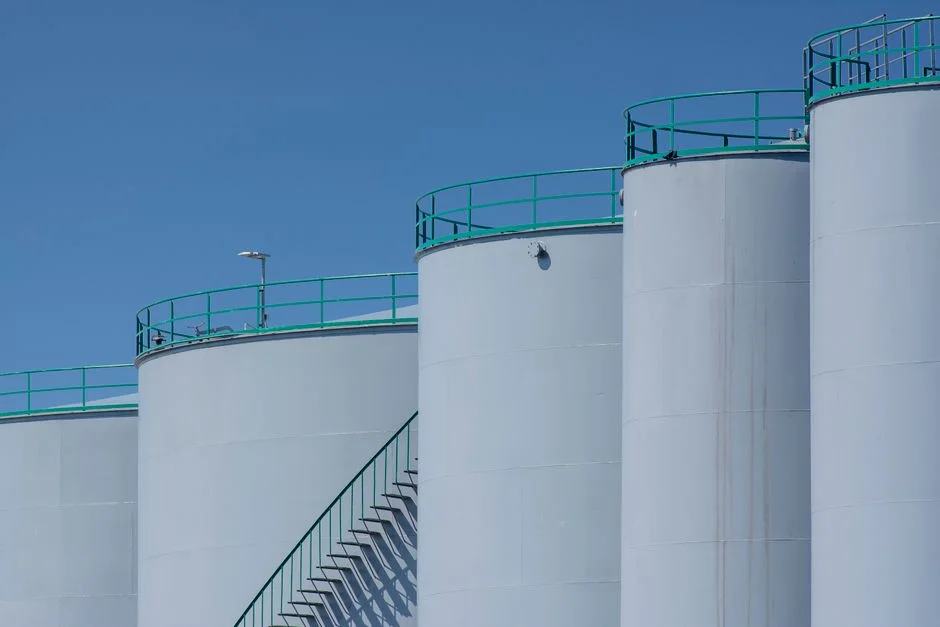
Variable mine and metals wastewater requires a train that buffers flow and concentration, controls precipitation chemistry, separates the resulting solids, polishes the liquid and manages residuals. A defensible sequence is equalization and flow measurement, pH correction, metals precipitation, coagulation and flocculation, solids separation, filtration or other required polishing, and sludge dewatering.
Equalization is both hydraulic and concentration control. It dampens batch discharges so the downstream treatment process does not see the full concentration or flow excursion at once. Size it from measured flow, batch volumes, operating sequence and permitted discharge conditions; a generic detention time does not establish adequate buffering.
Automatic chemical feed should follow the process control narrative rather than operate as isolated dosing. An PLC-controlled skid can handle pH adjusters, coagulants and flocculants in a factory-tested package. The controls should define chemical storage, metering, mixing, interlocks, high- and low-level alarms, and the response to failed instruments or exhausted reagents.
pH correction supports metals precipitation. Coagulation and flocculation then enlarge suspended and metal-bearing particles so they can be separated more effectively. Genesis Water Technologies’ mining-water guidance identifies pH adjustment, coagulants and flocculants, and filtration as core treatment elements; it also notes that mining wastewater commonly contains suspended solids, metals, metalloids and acidic streams.
Solids separation must follow the actual wastewater character. Dissolved-air flotation is suited to oil, grease, free oil and colloidal matter. Lamella clarification is suited to compacted, flocculated metal-bearing solids. The heavy metals removal methods comparison provides additional context on chemistry and separation choices.
Filtration provides a final barrier for residual suspended solids and colloids before discharge. HydropureWater’s multi-media filter catalog describes treatment for suspended solids, turbidity and colloidal matter with automated backwash. Include filter backwash, waste routing and upset response in the hydraulic and compliance design; a polishing unit does not excuse an undersized upstream separator.
Do not add disinfection automatically. Include it only if the receiving POTW’s requirements or collection-system conditions specifically call for it. Any such requirement should appear in the permit, ordinance or written POTW direction rather than being inferred from a generic treatment template.
Choose DAF or Lamella Clarification by Wastewater Character
DAF and lamella clarification solve different separation problems: DAF targets floatable oil and colloidal material, while lamella clarification separates settleable floc from water. The selection should follow wastewater characterization, pilot evidence and hydraulic conditions—not catalog capacity alone.
| Selection factor | Favors DAF | Favors lamella clarification |
|---|---|---|
| Primary contaminants | Oil, grease, free oil, significant colloidal solids | Flocculated metal-bearing solids |
| Process emphasis | Float removal with microbubbles | Compact inclined-plate separation |
| Key design checks | Oil loading, recycle saturation, scum removal, peak flow | Floc settleability, sludge blanket, surface loading, sludge withdrawal |
| Shared requirement | Stable pH, correct chemical dosage, adequate floc formation and verified peak-flow performance | |
HydropureWater’s product catalog specifies the industrial DAF system for suspended solids, FOG, oil and grease and colloidal matter, with 13 models covering 4–300 m³/h. These are catalog capacity and application statements; they do not establish treatment performance at an Elma site or prove compliance with a POTW limit.
The lamella clarifier for metal-bearing sludge combines sludge recirculation, flocculation and inclined-plate separation, with a catalog surface loading of 20–40 m/h. Again, that loading is a design input, not proof of metals removal or permit compliance.
Use jar or pilot testing to establish the selected chemistry, settleability, floc strength and expected separation response. Test the actual wastewater matrix across its pH and flow range. During procurement, compare oil content, expected chemical dosing, floor space, sludge withdrawal, peak-flow requirements, utilities and operator access. The DAF versus clarifier comparison for metals wastewater provides a useful starting framework, but final selection needs site data.
Provide contingency for pH and dosing excursions. Poor floc formation can defeat either separation route, and a hydraulic excursion can carry solids into the effluent regardless of nominal equipment capacity.
Control Sludge, Monitoring and Permit Deviations
Sludge characterization, destination and dewatering belong in the pretreatment design basis. Metal-bearing precipitates can change the waste-handling requirement, and clarifying a stream does not eliminate the obligation to manage the solids generated. Identify the sludge-producing unit before selecting the dewatering method, then evaluate chemical conditioning, storage, transport and the receiving facility’s acceptance criteria.
HydropureWater’s plate-and-frame filter-press catalog lists filtration areas from 1 m² to 500 m², with manual, hydraulic and fully automatic PLC-controlled operation. These catalog options establish a selection range; actual press sizing must follow measured sludge characteristics, feed rate, cycle requirements and destination constraints.
Filtrate return requires a separate mass and hydraulic balance. Review its flow, pH, residual chemicals and pollutant content before returning it to the process head. Do not treat clarified filtrate as equivalent to final effluent. If return is unacceptable or impractical, identify the receiving route before startup.
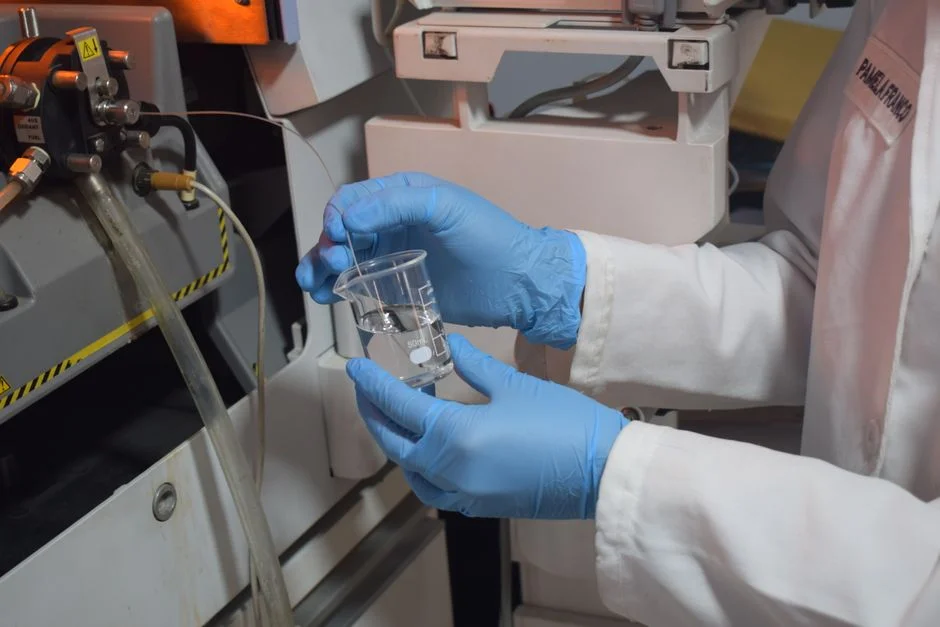
Monitor pH, flow, metals, TSS and every additional constituent required by the permit using its prescribed sampling and reporting protocol. EPA’s 2021 local-limits guidance emphasizes information collection and maintenance, analytical review and flow data. Align instrument location, calibration, sample preservation, laboratory methods and records so the operating history can support compliance and deviation investigations.
For an excursion, verify instrument status and sample integrity first. Then isolate the affected stream where the design permits, retain a representative sample, contact the responsible POTW pretreatment representative as required and follow the approved response procedure. The applicable notice timeline and corrective actions must come from the permit and POTW procedures—not from a generic shutdown rule.
The adjacent DAF-versus-clarifier buying guide can inform the mechanical comparison, but operating response and notification remain site-specific.
Buyer Checklist for a Compliant Elma-Area Project
A compliant equipment proposal should connect every enforceable condition to a treatment function, design input and acceptance test. Ask bidders to identify the controlling document and exact condition behind each treatment step. A statement that equipment “meets pretreatment requirements” is not an auditable compliance basis.
| Procurement action | Required bidder response |
|---|---|
| Establish the permit basis | Identify the document, parameter, averaging basis and monitoring condition addressed by each unit |
| Define performance | Guarantee results at the agreed flow, wastewater matrix, pH range and chemical-dosing conditions |
| Review integration | Provide utility requirements, controls, alarms, fail-safe provisions and interfaces |
| Plan startup | State commissioning, operator training, spare-parts and maintenance-support responsibilities |
| Close out the project | Agree test conditions, sampling points, analytical methods, acceptance criteria and sewer-connection authorization |
Compare lifecycle effects rather than purchase price alone: chemical consumption, sludge volume, dewatering demand, footprint, energy use, backwash or waste handling, and monitoring burden. Require the supplier to define which outcomes are guaranteed and how nonconforming results will be corrected.
Controls integration deserves specific review. The SCADA versus PLC engineering comparison can help separate plant-level visualization from local process control. Require named responsibilities, setpoints, interlocks, alarms, data records and manual fallback procedures.
Before sewer connection, complete the POTW’s required notifications and acceptance documentation. No equipment test result substitutes for written discharge authorization.
Frequently Asked Questions
How much does pretreatment equipment cost for a mine or metals plant in the Elma area?
There is no defensible price without the POTW limits, flow history, wastewater matrix, treatment objectives and residual-disposal route. Request a capital and operating-cost breakdown covering equalization, pumping, chemicals, mixing, separation, filtration, controls, sludge dewatering, utilities, maintenance and monitoring. Ask the bidder to state price assumptions and exclusions so alternative treatment scopes remain comparable.
How do I select a treatment supplier without buying equipment that fails the POTW requirements?
Require a permit-compliance matrix showing the exact document and condition behind each design requirement, followed by guaranteed performance at the agreed flow, pH range and wastewater composition. Make final selection conditional on the agreed acceptance test, sample points, analytical methods and POTW acceptance. Check control integration, operator training, startup support, spares and maintenance access as separate bid items.
Should a mining plant rely on categorical standards or POTW local limits?
Do not choose one in place of the other. Apply all applicable prohibitions, categorical pretreatment standards, local limits and permit conditions, resolving conflicts under controlling law and the issuing authority’s direction. EPA’s 2021 Local Limits Development Guidance explains how local limits relate to categorical standards and identifies permits, regulations and local ordinances as controlling when guidance conflicts with them.
What wastewater data are needed before sizing equalization and clarification equipment?
Request measured flow history, batch volumes, pH maxima and minima, metals, TSS, oil and grease where relevant, conductivity or TDS indicators, and any POTW-identified constituents such as PFAS. Include representative sampling methods, analytical methods and flow records. Use those data to size hydraulic buffering and verify chemical demand, floc formation and peak-flow performance before selecting equipment.
Related Equipment
- industrial DAF system — specifications, capacity range, and technical data