Which treatment is the better fit for petroleum wastewater?
Most Mount Pleasant factories should choose DAF when the primary objective is separating free oil, FOG and floatable solids from petroleum wastewater. A conventional clarifier is generally stronger when the principal load is settleable solids and gravity separation can meet the treatment objective. DAF attaches microbubbles to conditioned particles and floats them to a skimmer; Hermann Hahn’s academic review, Fundamentals of Wastewater Flotation (2010), reports 90% oil removal for DAF systems. That is general flotation evidence, not a guaranteed result for every plant. Final selection should follow characterization of flow, oil and grease, suspended solids, emulsions, variability and downstream treatment needs.
A dissolved air flotation clarifier is a flotation separator, not simply a differently configured gravity tank. Microbubbles attach to conditioned oil droplets or solids; the buoyant material rises and is removed by a skimmer. A conventional clarifier relies on gravity to move settleable solids into a bottom collection zone.
Use DAF as the default candidate when free oil removal, FOG capture, floatable solids or emulsified oily solids are important targets. Use a clarifier when settleable solids dominate and the project can be satisfied through gravity separation. Do not force either unit to solve every contaminant: some petroleum streams require source control, equalization, oil recovery, precipitation or biological treatment before final objectives are achievable. The broader 2026 petroleum wastewater comparison provides another application-oriented reference.
Compare DAF and conventional clarifiers for factory wastewater
DAF earns a place in the treatment train when buoyant contamination must be recovered and oil-bearing material can be skimmed; a clarifier earns a place when the design problem is primarily settling solids. Engineers should evaluate equipment configuration as a complete system rather than comparing individual tank prices.
| Procurement variable | DAF | Conventional clarifier |
|---|---|---|
| Separation mechanism | Conditioned particles attach to microbubbles, rise and are skimmed. | Settleable solids move under gravity into a collection zone. |
| Primary contaminant fit | Free oil, FOG, floatable solids and conditioned oily solids. | Heavier settleable solids and gravity-separable material. |
| Conditioning dependence | Chemical coagulation and flocculation can increase particle size and contact with microbubbles. | Conditioning may improve settling, but chemical demand must be demonstrated for the actual stream. |
| Recovered-material route | Float is removed by a paddle skimmer. | Settled sludge is collected from the bottom zone. |
| Variability | Requires equalization and stable chemical feed when wastewater characteristics fluctuate. | Hydraulic loading and sludge-removal capacity must remain adequate through the operating range. |
| Downstream role | Often precedes biological, filtration or other polishing treatment. | Can provide solids separation after DAF or biological treatment. |
Clearwater Industries states that its DAF systems use 30–50 micron microbubbles and a paddle skimmer; heavier solids fall into a bottom collection zone and are removed with an auger. Its standard clarifiers use 304SS, with 316SS, polypropylene and other materials available when specified (Clearwater Industries, April 27, 2026). Buyers can compare that scope with an industrial DAF system for petroleum wastewater and a conventional sedimentation tank.
Research does not establish a universal 2026 capital-cost or footprint advantage. Compare installed cost, utilities, chemicals, sludge or float handling, maintenance and required building area only after receiving quotations against the same site flow and loading basis. Require design flow, peak flow, oil and grease, suspended solids, emulsions, settleable solids, temperature, pH, chemical demand, sludge yield and required effluent quality.
Match the separator to the petroleum wastewater stream
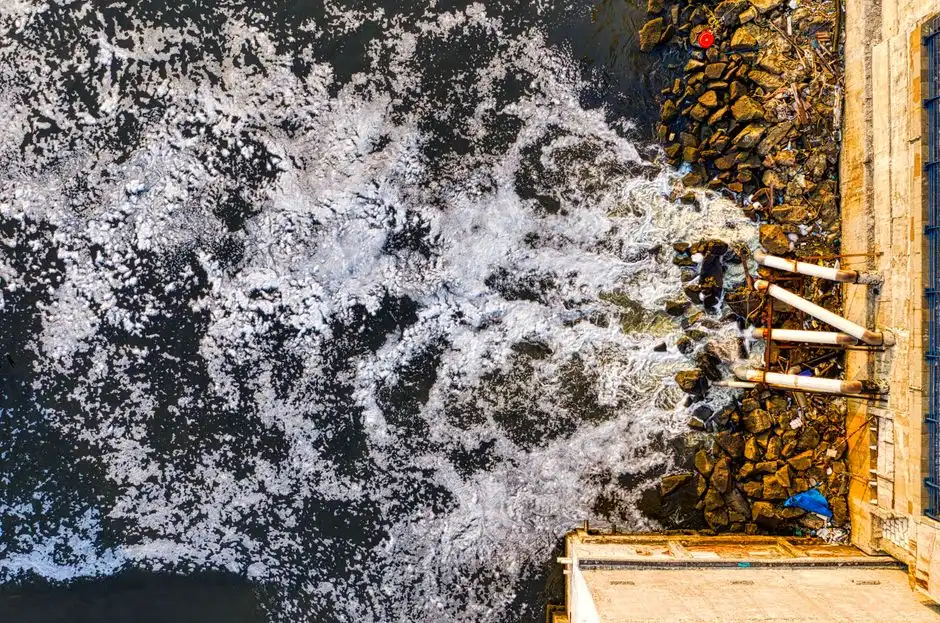
A combined oil-and-grease result does not reveal whether the petroleum wastewater contains free oil, stable emulsions, soluble hydrocarbons or settleable solids—and those fractions respond to different separation mechanisms. The correct first step is to characterize the stream by contaminant behavior, not by selecting an equipment label.
| Wastewater fraction | Expected behavior | Selection implication |
|---|---|---|
| Free oil | Buoyant and separable when released from the wastewater. | DAF is a strong candidate; oil recovery or upstream segregation may improve recovery. |
| Emulsified oil | Oil droplets remain dispersed rather than separating readily by gravity. | DAF may help after suitable conditioning; demulsification and source control may also be required. |
| FOG and floatable solids | Capable of attaching to bubbles and forming float. | DAF with adequate conditioning and skimming capacity is a candidate. |
| Settleable solids | Heavier material moves downward under gravity. | A clarifier is relevant, including as a downstream solids-separation step. |
| Soluble hydrocarbons and dissolved contaminants | Remain in the water phase rather than floating as separable material. | DAF or clarification alone cannot guarantee treatment; biological, precipitation or other process steps may be needed. |
Hahn’s review explains that flotation depends on bubble generation, attachment to the solid phase and buoyancy (2010). This explains why DAF can improve recovery of oil and floatable solids, but it does not make flotation a treatment for dissolved contaminants. Where emulsions are present, test the effect of chemical conditioning and identify whether the upstream process is generating stable emulsions.
Request separate testing for free oil, emulsified oil, settleable solids and relevant soluble contaminants, rather than relying on one combined oil-and-grease number. Use that information to decide whether the separator needs a PLC-controlled chemical dosing system, whether DAF should precede clarification, and where downstream treatment must begin. The DAF versus clarifier guide for industrial wastewater applies the same stream-matching discipline to a different waste profile.
Design for equalization, conditioning and sludge removal
A separator cannot compensate for an unstable feed without adequate buffering and conditioning. Hahn identifies equalization as a means of stabilizing variable wastewater characteristics and improving treatment efficiency (2010). The procurement scope should therefore begin upstream of the selected separator, not end at the tank outlet.
- Source control and recovery: identify where free oil, wash water, cooling water or oily sludge enters the sewer system.
- Industrial wastewater equalization: mix incoming flow and buffer the load and flow variations that would otherwise destabilize treatment.
- Chemical preparation and feed: provide compatible chemicals, day tanks, metering pumps and controls based on actual jar-test results.
- Mixing and flocculation: disperse coagulant and provide enough contact time and energy to form separable particles.
- DAF or clarifier: apply the selected separation mechanism at the agreed hydraulic capacity.
- Float or sludge removal: include skimming, sludge withdrawal, collection and the route for recovered oily material.
- Controls, instrumentation and downstream treatment: cover flow, level, chemical dosing, equipment interlocks and any biological or polishing step.
Clearwater Industries recommends chemical coagulation and flocculation to increase solids size and their ability to contact microbubbles; it offers this through serpentine flocculator mix tubes or chemical mix tanks (April 27, 2026). Hahn’s review identifies air-to-solids ratio, hydraulic loading, chemical addition, pressure and flow rate as key flotation design variables (2010). Each should appear in the vendor’s sizing basis rather than as an unverified performance promise.
HydropureWater’s DAF range covers 4–300 m³/h across 13 standard models and includes automatic skimming, but those facts do not establish that every petroleum stream fits a standard model. Use them to frame the manufacturer data request, then verify hydraulic loading, contaminant loading and material compatibility. Clearwater’s compact-skid arrangement—single skid at 66 GPM or less and modular two-skid treatment above that flow—is a vendor-layout example dated April 27, 2026, not a universal sizing rule.
Build a vendor-selection checklist for a Mount Pleasant factory
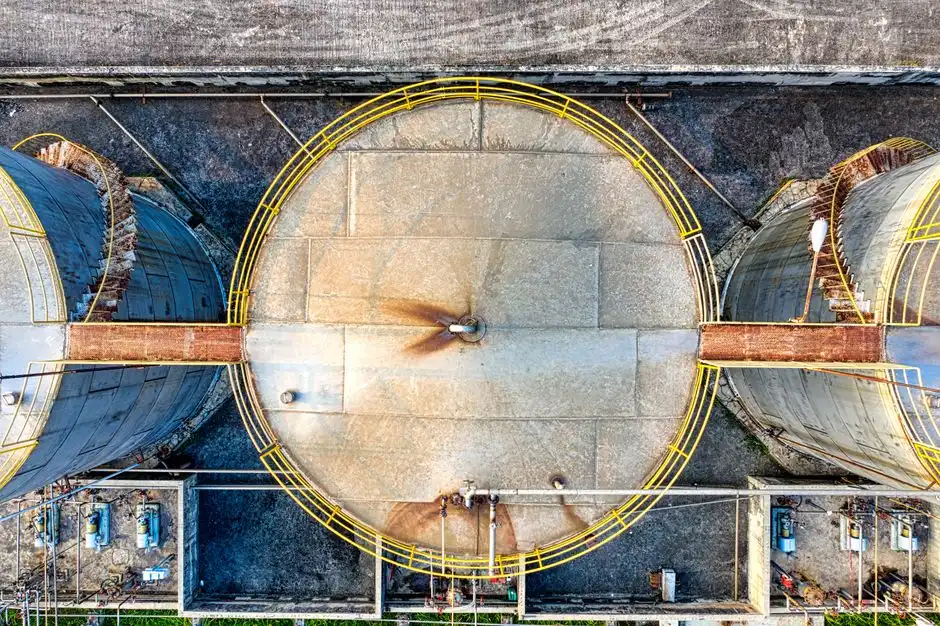
A defensible purchase requires the same wastewater basis, performance assumptions and scope boundaries from every bidder. Separate confirmed equipment facts from site-specific sizing inputs and permit commitments; otherwise, apparently comparable quotations may represent different treatment obligations.
| Vendor submission | Information to require | Acceptance check |
|---|---|---|
| Wastewater basis | Average and peak flow; oil and grease; free oil; suspended solids; settleable solids; pH; temperature; relevant soluble contaminants. | Representative sampling and oil-speciation or settleability testing support the stated loads. |
| Design basis | Design flow, hydraulic loading, air-to-solids ratio, recycle or saturation assumptions, chemical-feed range, skimming capacity and sludge yield. | Calculations reconcile with the characterized wastewater and selected operating mode. |
| Performance evidence | Representative pilot or bench-test conditions, analytical methods and acceptance criteria. | No removal percentage is accepted without agreed influent and effluent test conditions. |
| Materials and equipment | Material selections, separator arrangement, sludge or float removal, controls, instrumentation and utilities. | Materials are justified by the wastewater chemistry and local operating conditions; compare 304SS, 316SS, polypropylene and other options where offered. |
| Commercial scope | Process flow, equipment list, utilities demand, footprint, installation requirements, maintenance plan, spare parts, controls scope and delivered schedule. | Excluded items and buyer responsibilities are explicit in the quotation. |
| Local compliance | Discharge destination, permit or sewer pre-treatment requirements, and responsible authorities. | The final treatment train is reviewed against applicable written requirements without inventing local numerical limits. |
Confirm the waste and float route as well as the separator. Oil-bearing sludge can complicate handling and disposal, so include the separation and transfer method for oily material in the engineering review. Where solids dewatering is required, a plate-and-frame filter press can be evaluated as a downstream option, subject to representative sludge testing.
Frequently Asked Questions
What is the difference between DAF and a clarifier for petroleum wastewater?
DAF uses microbubbles to attach to conditioned oil droplets or solids, float them and remove the float by skimming. A clarifier uses gravity to collect settleable solids. DAF therefore fits buoyant contamination more directly, while a clarifier remains relevant for heavier settleable solids.
Which option should a Mount Pleasant factory choose in 2026?
Choose DAF when free oil, FOG, floatable solids or emulsified oily solids are the main treatment targets. Choose clarification when settleable solids dominate and gravity separation meets the objective. A combined train may be justified when the wastewater contains both buoyant and heavy material or requires downstream solids separation.
How should budget be compared for DAF versus a conventional clarifier?
Ask each bidder to price the same scope and separately identify chemical use, energy, sludge or float handling, maintenance, installation and skid-versus-installed costs. Request a site-specific lifecycle comparison rather than relying on an invented price range.
What information is needed before ordering or accepting performance guarantees?
Provide average and peak flow, oil and grease, free oil, suspended solids, settleable solids, pH, temperature and relevant soluble contaminants. Require the supplier to state hydraulic loading, chemical demand, sludge or float yield, utilities, footprint and test conditions, then review the proposed discharge destination and applicable permit or sewer-pre-treatment requirements with the responsible authorities.