Start with the receiving authority, not a generic pretreatment limit
Food and beverage plants near Kalona meet sewer pretreatment limits by first identifying the receiving POTW’s enforceable permit and local limits, then separating variable process, CIP, floor-wash, and cooling streams. A defensible treatment train typically combines screening, equalization, pH control, DAF or clarification, biological treatment, and monitored final discharge. Exact Kalona limits cannot be stated without the receiving authority’s current ordinance and permit.
Indirect dischargers to a POTW operate under 40 CFR Part 403 and applicable state and local pretreatment requirements. EPA’s Local Limits Development Guidance assists POTWs with developing local limits, but the guidance is not itself a regulation and does not impose legally binding requirements (EPA, Local Limits Development Guidance, 2015-10). The enforceable requirements for a Kalona-area plant therefore come from the receiving authority’s permit, sewer-use ordinance, and applicable state rules.
40 CFR Part 432 supplies the categorical framework for food and beverage point sources. The relevant subparts are meat products, 432.1–432.10; dairy, 432.21–432.30; grain mills, 432.41–432.50; canned and frozen fruits and vegetables, 432.61–432.70; and beverages, 432.71–432.80. These subparts address production categories; they do not establish a single generic limit for every food-processing plant. Match the facility’s actual SIC/NAICS classification and production processes to the applicable subpart.
Local limits can be stricter than federal requirements, so the design basis should be the strictest applicable requirement. For additional context on this permit-hierarchy approach, see the food and beverage plant sewer-limit compliance guide.
| Requirement layer | What it establishes | Evidence required before design |
|---|---|---|
| 40 CFR Part 403 | General pretreatment requirements for industrial users discharging to a POTW | Applicable federal prohibitions, reporting, monitoring, and local-limit provisions |
| 40 CFR Part 432 | Categorical standards by food-processing subpart | Facility classification, applicable subpart, pollutants, and averaging provisions |
| State pretreatment program | State administration and enforcement requirements | Current state rules and agency guidance |
| POTW permit and sewer-use ordinance | Site-specific local limits, monitoring, reporting, and enforcement | Current permit, application, ordinance, written interpretation, and surcharge rules |
Do not label any number as “the Kalona limit” until the owner obtains four items: the current industrial wastewater discharge permit, sewer-use ordinance, completed permit application, and written confirmation from the receiving authority. Pretreatment requirements generally protect the POTW from pollutants that interfere with its treatment or pass through it; they do not function like a direct surface-water NPDES discharge permit (Hixson, “Wastewater Treatment Solutions for Food Processing,” 2025).
Characterize each wastewater stream before choosing equipment
Food-processing wastewater must be separated into representative streams because production flow, cleaning chemistry, floor wash, and cooling blowdown impose different treatment duties. A daily average can conceal the batch peak or CIP spike that determines equalization volume, chemical-feed demand, and biological loading.
| Stream group | Dominant concern | Design implication |
|---|---|---|
| Process water | Organic load, suspended solids, and production variability | Often establishes equalization and biological-stage loading |
| CIP caustic and acid rinses | pH excursions and concentrated cleaning chemicals | Requires segregation, equalization, and controlled pH treatment |
| Sanitation and floor wash | FOG and sanitary solids | Usually a critical load for FOG removal and screening |
| Cooling-water blowdown | Heat and possible lubricants or trace contaminants | Check whether segregation and a separate outlet are permitted |
Process water commonly carries the main BOD and suspended-solids load, making it a major input to equalization and biological sizing. CIP cycles can produce severe pH excursions. Floor wash commonly concentrates FOG and sanitary solids, while cooling-water blowdown may carry contaminants that should not be mixed with food-contact streams. The routing decision should follow the characterization rather than rely on a single combined sample.
Hixson’s food-processing wastewater article gives an illustrative brewery wastewater concentration of approximately 338 mg/L BOD5 and 1,118 mg/L COD (Hixson, “Wastewater Treatment Solutions for Food Processing,” 2025). These are literature values, not a Kalona design basis. The same source reports that food-processing effluent can be 10–100 times stronger than domestic wastewater in BOD5 and COD terms, reinforcing the need for plant-specific data rather than domestic-strength assumptions (Hixson, 2025).
Request a complete sampling package covering production and cleaning schedules, hourly flow profiles, BOD5, COD, TSS, FOG, pH, temperature, and nutrients where relevant. Add the full constituent list from the permit, because preliminary treatment selection cannot be complete without the parameters the receiving authority will enforce. Sampling should include production runs, CIP events, floor washing, and the actual combined discharge.
Build a treatment train that controls the right contaminant at each stage
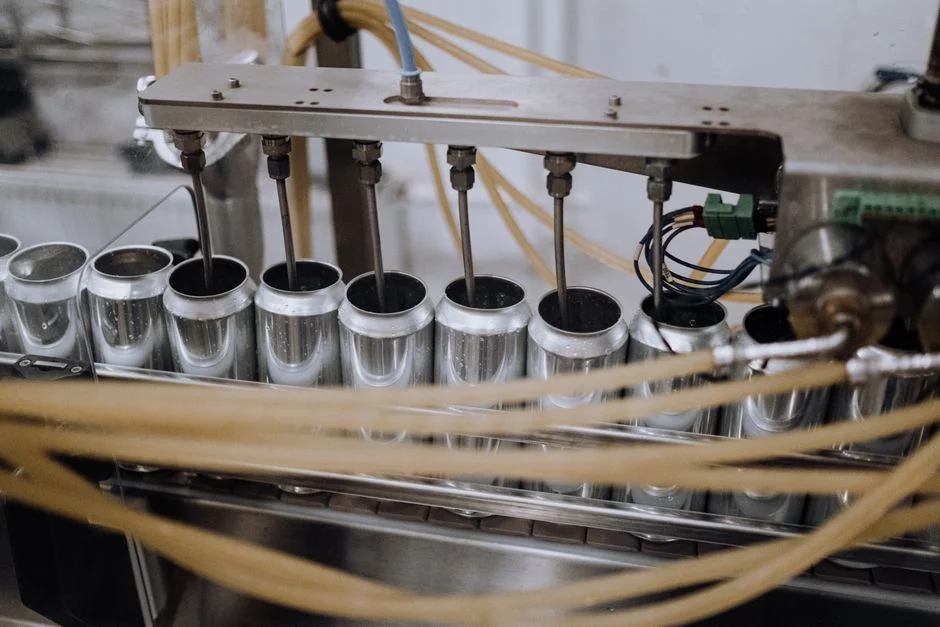
A treatment train should remove contaminants in the order that protects downstream equipment and biological processes. The process flow is: segregation and characterization → screening → equalization and pH control → DAF or clarification → biological treatment → polishing as required → final compliance monitoring and sewer connection.
- Screening or grit removal: Remove product pieces, packaging debris, food particles, and fibrous solids before they damage pumps or interfere with downstream biological treatment.
- Flow equalization: Buffer production surges and concentrated CIP loads, then release wastewater at a controlled flow and strength. Equalization must address both hydraulic peaks and constituent spikes; a tank selected only from average daily flow can still overload downstream biology.
- DAF or clarification: Remove FOG, emulsified oils, colloidal matter, and suspended solids before biological treatment. Hixson identifies DAF as a widely used primary treatment technology in food processing (Hixson, 2025).
- Biological treatment: Remove dissolved organics for BOD and COD reduction. Aerobic processes, sequencing batch reactors, anaerobic treatment, and membrane bioreactors should be evaluated against waste strength, land availability, reuse objectives, and permit requirements.
- pH adjustment and final monitoring: Establish the pH design objective from the actual permit rather than a generic range, then verify final compliance before sewer connection.
For streams with recoverable organic strength, anaerobic treatment may be relevant. Published food-processing applications reported COD removal of 89.8–96.5% and methane yield of 0.27–0.33 liters CH4 per gram of COD removed (Hixson, 2025). These are application-specific literature results, not guaranteed project performance. Equipment selection must use the measured influent envelope and operating conditions.
Where the treatment objective requires high-quality effluent or water reuse, an MBR biological treatment for high-quality effluent may be evaluated. An MBR combines biological treatment and membrane filtration, but its capital, energy, membrane maintenance, and solids-management consequences belong in the project comparison. Hixson reports pilot beverage-plant MBR results of 16.9 mg/L effluent COD, 3.8 mg/L TSS, and 92.6% COD removal, while also noting the higher capital and energy costs of MBRs (Hixson, 2025).
Pretreatment equipment supplements rather than replaces the POTW’s downstream treatment. Size it for the industrial user’s discharge characteristics, operating schedule, local limits, and applicable surcharge or excess-charge rules.
Choose DAF or a lamella clarifier from the waste profile
DAF is the stronger primary-treatment candidate when FOG or emulsified oils are significant; lamella clarification is more defensible when TSS is dominant and lower chemical use is an operating priority. Neither recommendation is valid without representative waste data and a recovery-versus-removal objective.
| Decision factor | Favor DAF | Favor lamella clarification |
|---|---|---|
| Dominant contaminant | FOG, emulsified oil, colloids, or mixed suspended solids | Primarily settleable TSS |
| Typical process fit | Dairy, meat, poultry, and food-processing streams with FOG recovery potential | Low-FOG streams where TSS separation and chemical efficiency dominate |
| Operating priority | Oil skimming and reliable solids capture before biology | Lower chemical demand and an inclined-plate clarification footprint |
| Required evidence | Measured FOG, emulsification tendency, TSS, and float-handling requirements | Measured TSS settleability, chemical demand, and required clarified-water quality |
Hixson reports an optimized poultry-study DAF result of 74% suspended-solids removal and 99% oil-and-grease removal. A more recent poultry application reported up to 99% TSS removal, 85% BOD5 reduction, and 98% phosphate removal with suitable coagulant selection and operating parameters (Hixson, 2025). These figures came from particular applications; they are not equipment guarantees.
The DAF system for food-processing wastewater pretreatment is specified at 4–300 m3/h across 13 standard models for suspended solids, FOG, oil and grease, and colloidal matter. The lamella clarifier for TSS-dominant wastewater is specified at 20–40 m3/m2/h surface loading, with chemical consumption stated as up to 30% lower than conventional clarifiers. Field performance still depends on feed characteristics and operating conditions.
Capacity selection requires measured flow range, FOG and TSS loads, chemical demand, footprint, noise constraints, utilities, and required recovery-versus-removal performance. For a broader equipment comparison, review the DAF-versus-clarifier decision guide.
Size the system around peak load and operating evidence
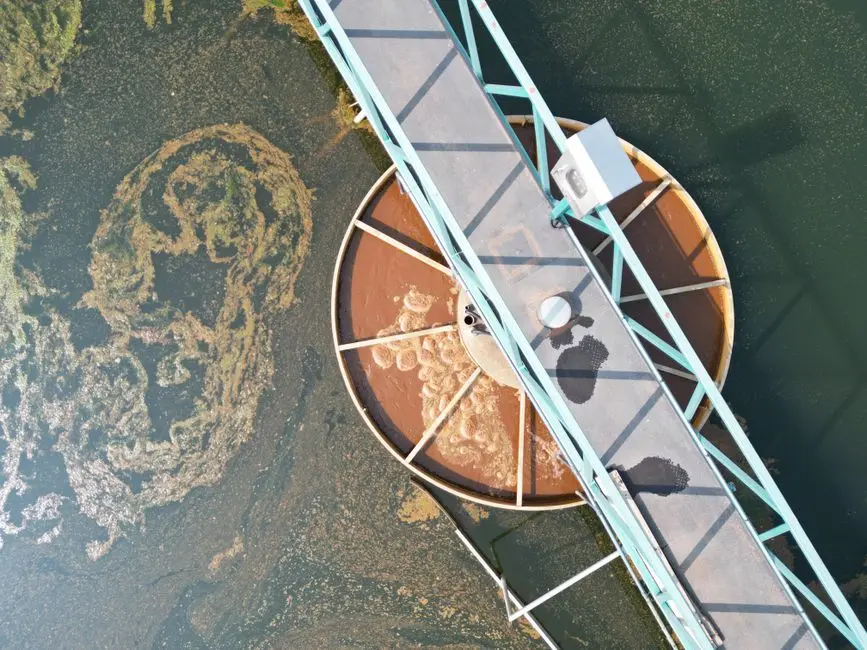
Pretreatment equipment cannot be sized defensibly from average daily flow alone. The procurement package must connect the production schedule and segregated streams to peak hydraulic demand, constituent loading, and the enforceable discharge envelope.
Provide suppliers with peak and average flow, batch and CIP schedules, BOD5, COD, TSS, FOG, pH, temperature, nutrient data where applicable, discharge-point details, available footprint, utilities, and the complete permit. The permit matters because a supplier sizing biological treatment to a generic clean-water assumption could miss both the organic load and the specific compliance obligation.
Equalization volume must address two separate questions: how much flow must be buffered, and how much chemical or organic concentration must be blended before release. Biological loading must then be based on the selected stream’s organic load and treatment objective. DAF hydraulic capacity and contaminant loading are also separate checks; adequate flow capacity does not prove that the unit can recover the required FOG or solids fraction.
Hixson states that food-processing wastewater may be 10–100 times domestic strength in BOD5 and COD (Hixson, 2025). That evidence makes domestic-strength assumptions unsafe for preliminary design, but it does not supply a Kalona design flow or load.
Treatment guarantees should be tied to enforceable discharge parameters, a defined sampling method, and a representative influent envelope. Specify whether “performance” means pollutant concentration, mass removal, float recovery, clarified-water quality, or all of them. If a guarantee extends beyond the tested application, require the basis and acceptance method.
No defensible Kalona equipment size can be stated from the available information because site flow, wastewater characterization, local limits, and operating schedules were not supplied. Those inputs must be obtained before issuing a bid package or accepting a guaranteed-capacity proposal.
Prepare for sampling, monitoring, and enforcement before commissioning
Compliance readiness depends on a representative sampling plan and documented operating evidence, not a single daytime grab sample. Monitoring should cover production, cleaning, and representative discharge periods so the record captures both routine operations and limiting conditions.
Baseline monitoring must match the permit. At minimum, evaluate BOD5, COD where required, TSS, FOG, pH, and flow, together with any applicable temperature or nutrient parameters. Continuous or enhanced monitoring can identify an approaching exceedance sooner and support faster operational response; Hixson notes that sensors and analytics can improve response before exceedances become violations (Hixson, 2025).
- Screening: Record screen condition, extracted material, and downstream head loss.
- Equalization: Track level, mixing, pH, chemical feed, and the relationship between stored volume and discharge rate.
- DAF or clarifier: Record flow, float or sludge removal, chemical demand, and the operating conditions supporting each sample.
- Biological stage: Track organic loading, aeration or methane performance, solids inventory, and process stability.
- Sludge handling: Record sludge depth, dewatering performance, destination, and hauled volume.
- Final discharge: Preserve sampling records, calibration history, results, corrective actions, and any DMRs required by the permit.
HydropureWater’s Summit pretreatment article describes a notice-of-violation scenario involving elevated BOD, TSS, or FOG and a compliance plan with measurable corrective targets (HydropureWater, “How Summit Food & Bev Plants Meet 2026 Pretreatment Limits,” 2026). That is an example of the enforcement workflow, not an event in Kalona. The response should connect an exceedance to an immediate operational check, an accountable operator, a corrective action, and a defined retesting requirement.
The commissioning plan should include acceptance tests, operator training, critical spare parts, chemical supply agreements, calibration procedures, and an escalation sequence for an off-limit result. Equipment such as a rotary mechanical bar screen and an automatic chemical dosing system should be tied to measurable operating functions rather than treated as standalone accessories. A monitoring architecture should also support the response process described in the real-time wastewater monitoring engineering guide.
Plan for sludge disposal and long-term operating cost
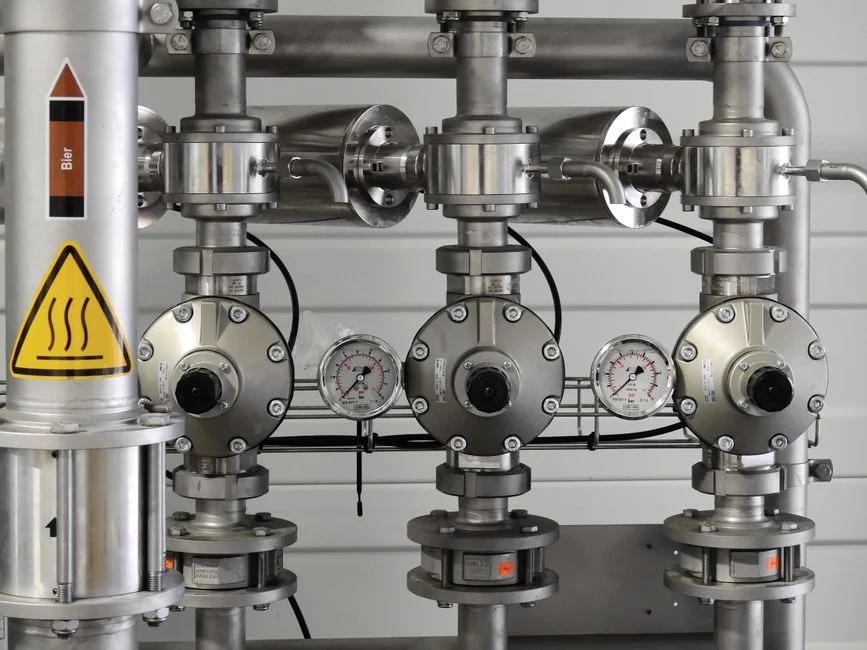
DAF float and biological sludge create recurring hauling, chemical, and dewatering costs that belong in every treatment proposal. Comparing purchase price without comparing residual-solids handling can leave the plant with the lower-cost equipment but the higher total disposal burden.
HydropureWater reports that plate-and-frame dewatering produced 20–25% cake solids and reduced disposal volume by 75–80% compared with lagooned float in the cited application (HydropureWater, “How Summit Food & Bev Plants Meet 2026 Pretreatment Limits,” 2026). This is not a universal guarantee. Actual performance depends on sludge composition, conditioning, press configuration, and operating practice.
| Cost or obligation to compare | Buyer check |
|---|---|
| Equipment and installation | Separate quoted scope, delivery assumptions, foundations, piping, electrical work, controls, and commissioning |
| Chemicals | Expected dose under representative feed, supply method, storage requirements, and sensitivity to changing waste |
| Energy and labor | Power demand, operator attendance, maintenance, and chemical-system servicing |
| Sludge removal | Measured dewatered-solids concentration, hauling frequency, destination rate, and acceptance by the receiving facility |
| Reuse or advanced polishing | Documented benefit tied to a permit requirement, water-reuse objective, or plant process need |
Compare disposal routes using dewatered-solids concentration, hauling frequency, destination cost, and whether the receiving facility accepts the resulting waste. A plate-and-frame filter press may reduce hauling volume, but the route must be commercially and operationally available. Reuse, energy recovery, or advanced polishing should be justified by site-specific limits and objectives rather than added automatically.
Frequently Asked Questions
What pretreatment limits apply to a food and beverage plant near Kalona?
The enforceable limits must be confirmed from the receiving POTW’s current industrial discharge permit, sewer-use ordinance, and permit application, then compared with the applicable 40 CFR Part 432 subpart and other state requirements. Obtain written confirmation from the receiving authority before labeling any value as the Kalona limit. Engineer to the strictest applicable requirement.
Is DAF or a lamella clarifier the better choice for food-processing wastewater?
Favor DAF where FOG or emulsified oils are significant or the stream resembles dairy, meat, poultry, or food-processing wastewater. Favor lamella clarification where TSS is dominant and lower chemical use is the priority. Confirm the decision with measured constituent loads, required effluent quality, float or sludge recovery objectives, and site constraints.
What does it cost to meet Kalona sewer pretreatment limits?
No defensible price can be stated without peak and average flow, wastewater characterization, enforceable limits, site conditions, and the required treatment scope. Request separate quotations for equipment, installation, civil work, controls, chemicals, energy, labor, maintenance, and sludge removal. Also ask bidders to state the influent and operating assumptions underlying every price and performance guarantee.
How should a pretreatment supplier size and qualify the equipment?
Require a measured influent envelope covering production and CIP peaks, constituent loads, complete permit limits, and the intended treatment train. Hydraulic capacity and contaminant loading should be checked separately. A qualified proposal should identify the sampling method, acceptance tests, enforceable performance parameters, comparable waste-stream evidence, commissioning protocol, operator training, and remedy for failed acceptance testing.
Can an existing plant be retrofitted or should pretreatment be integrated into a new line?
Retrofit feasibility depends on fixed drain locations, pipe routing, available footprint, equipment access, and future production changes. Hixson notes that retrofitting can increase cost and constrain layout and treatment performance because drains, floor slopes, piping, and equipment locations are already fixed (Hixson, 2025). Survey those constraints before choosing between a retrofit and an integrated design.