
Why Copper and COD Must Be Removed Together
Copper mining wastewater COD removal usually requires a treatment train rather than one reactor. Copper may be removed by precipitation, adsorption or membranes, while COD is commonly addressed through biological treatment, adsorption or oxidation. The 2023 review reports wastewater copper concentrations from approximately 2.5 mg/L to 10,000 mg/L, so flow rate, pH, speciation and permit limits must determine the design. A practical sequence is equalization and characterization, pH-controlled copper removal, DAF or lamella clarification for floatable solids, biological or adsorptive COD treatment as needed, filtration or membrane polishing, and sludge dewatering. For sulfide-ore flotation wastewater, reagent ligands and sulfide content must be evaluated because they can alter copper precipitation and biological performance.
Chemical oxygen demand is an oxygen-equivalent measure of oxidizable pollution; it does not identify whether that pollution is soluble, biodegradable or associated with suspended solids. Dissolved copper is a separate contaminant requiring a specific removal mechanism. A COD reading therefore cannot be used to size a copper reactor, and a copper-removal guarantee does not demonstrate that xanthates or other flotation reagents have been removed.
The possible scale of copper variation is substantial: Removal of Copper Ions from Wastewater: A Review, published in the International Journal of Environmental Research and Public Health in February 2023, reports wastewater copper concentrations from approximately 2.5 mg/L to 10,000 mg/L. That range spans influent types rather than defining one mine’s operating envelope. Hydraulic flow, pH, total and dissolved copper, sulfide, suspended solids and reagent chemistry must be established for each discharge or process stream.
Acid mine drainage adds low-pH and metal-loading constraints, while sulfide-ore flotation wastewater can contain sulfide precipitates, copper complexes and organic collectors. These characteristics affect hydroxide precipitation, biological compatibility and the volume and filtration behavior of copper-bearing sludge. The March 2026 RSC Advances flotation-wastewater study reinforces the distinction: one composite adsorbent, RSAM, achieved 99.60% butyl-xanthate removal within 45 minutes under its test conditions, while a different material, TSAM, removed Cd(II), Cu(II) and Zn(II) by more than 97%. The result supports complementary treatment functions, not a universal performance claim for industrial equipment.
Before selecting equipment, establish a site-specific copper mass balance, COD and BOD data, pH range, copper ligands, sulfide concentration and sludge-generation estimate. The 2023 review identifies membrane separation, ion exchange, chemical precipitation, electrochemistry, adsorption and biotechnology as Cu(II) treatment families; it also emphasizes technology coupling. Copper and COD are linked through the same treatment train, but their removal mechanisms and operating limits remain distinct.
Characterize the Wastewater Before Selecting Equipment
Reliable equipment selection requires a time-based characterization of each stream, not one grab sample or a single average result.
Request flow rate, pH, temperature, TSS, COD, BOD, total copper and dissolved copper for each discharge or process stream. Total copper defines the contaminant load; dissolved copper indicates whether the stream includes soluble, chelated or particulate forms. Sampling should capture normal, peak and variable periods because mine flows, pH and reagent additions can change independently.
Characterize flotation reagents, especially xanthates, and identify sulfide, ammonia, chelating agents and other compounds that may interfere with hydroxide precipitation or inhibit biological treatment. The March 2026 RSC Advances study treated butyl-xanthate removal and Cu(II), Cd(II) and Zn(II) removal as distinct functions performed by different adsorbents. That separation supports separate organic and inorganic analytical work.
For adsorption trials, pH, contact time and initial metal concentration are required variables, not optional bench-test details. The 2026 MDPI study, Adsorptive Performance of Tobacco Biomass for Copper and COD Removal from Industrial Wastewater, examined these factors in simultaneous copper and COD adsorption using industrial wastewater from Adıyaman Organized Industrial Zone. Its batch-study results should not be transferred directly to a mine without representative-water confirmation.
Include the permit, receiving-water category, reuse objective and required sampling frequency in the design basis. The supplied research does not establish a universal mine-water discharge limit, so the equipment specification must be tied to the applicable site requirement rather than a generic target.
| Design input | Why it is required | Information needed before selection |
|---|---|---|
| Hydraulic profile | Determines equalization, reactor volume, chemical demand and solids handling. | Average and peak flow for every stream, including storm and upset conditions. |
| Copper characterization | Separates soluble, particulate and complexed copper loads. | Total and dissolved Cu(II), pH, ligands, sulfide and sampling frequency. |
| Organic characterization | Indicates COD origin and possible biodegradability or inhibition. | COD, BOD, TSS, temperature and identification of flotation reagents. |
| Solids and sulfide | Controls clarification, gas-management and sludge risks. | TSS characterization, sulfide concentration and settleability or flotation data. |
| Compliance and reuse | Defines the required copper and COD removal performance. | Permit limits, receiving-water category, reuse target and sampling requirements. |
Build a Treatment Train for Copper and COD
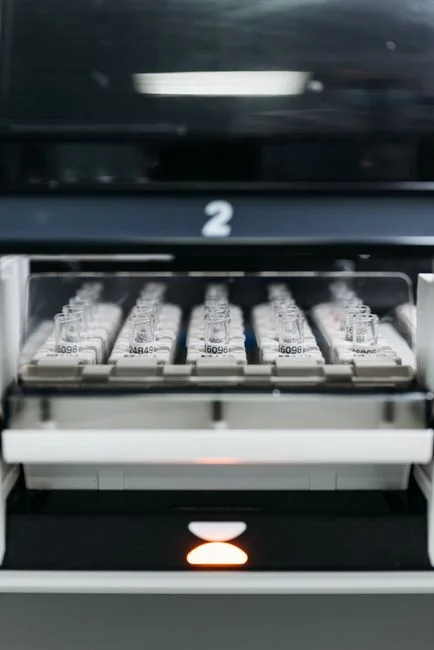
The process train should remove copper and COD in stages matched to the stream chemistry, with solids separation and sludge handling designed as part of the system.
- Equalization and metering: Buffer variable mine flows and dosing demand before chemical addition or biological treatment. Include conceptual online pH and flow measurement points.
- Controlled chemical dosing: A PLC-controlled chemical dosing system can support pH adjustment and reagent feed where precipitation is demonstrated to be chemically suitable.
- Copper removal: Evaluate chemical precipitation as the primary process when pH control and copper-bearing sludge management are feasible. The 2023 review also identifies ion exchange, membranes, electrochemistry and adsorption as established Cu(II) treatment families.
- DAF or lamella clarification: Use a DAF system for mining wastewater pretreatment where floatable material, sulfide precipitates, oil and grease, colloids or flotation solids require separation. Use a lamella clarifier for copper-bearing sludge after precipitation or DAF when flocculated solids require sedimentation.
- COD treatment: Select biological treatment only after biodegradability, toxicity and inhibitory compounds have been checked. Evaluate adsorption or advanced oxidation for persistent or inhibitory organics.
- Filtration or membrane polishing: Protect downstream membrane or polishing equipment with suitable solids removal. Use multi-media filtration for downstream membrane protection when the selected train includes a polishing stage.
- Sludge dewatering: Include handling for copper-bearing solids produced by precipitation or DAF rather than treating dewatering as an ancillary item.
HydropureWater’s 2026 commercial engineering guide gives pH 8–10 as a hydroxide-precipitation range and recommends pH 9.0–9.5 as the precipitation-reactor control band. Treat these as engineering starting points for compatible streams, not final setpoints: the 2023 review notes that acid mine drainage can be low-pH and difficult to treat, and ligand-bound copper may not precipitate as readily as uncomplexed Cu(II). Actual chemistry, receiving-water requirements and sludge disposal constraints govern final design.
The same 2026 guide gives a typical lamella surface-loading range of 20–40 m³/m²/h. That value belongs to the commercial equipment source rather than the peer-reviewed studies. It should be checked against the selected floc, feed characteristics, settling performance and supplier guarantees.
| Stage | Primary function | Selection condition | Main output to manage |
|---|---|---|---|
| Mine water equalization | Flow and load buffering | Variable flow, pH or dosing demand | Mixed wastewater |
| Chemical dosing and copper removal | Convert dissolved copper to a separable form | Precipitation chemistry demonstrated on site water | Copper-bearing solids |
| DAF | Remove floatable solids and material | Oil, sulfide precipitates, colloids or flotation solids present | Float sludge and clarified water |
| Lamella clarification | Separate flocculated or precipitated solids | Copper precipitation precedes clarification | Copper-bearing sludge |
| Biological or adsorptive COD treatment | Remove biodegradable or selected residual COD | Biodegradability, inhibition and residual-COD tests completed | Biomass or spent adsorbent |
| Filtration or membrane polishing | Produce the required final water quality | Residual copper, COD or solids targets justify the stage | Retentate and washwater |
| Sludge dewatering | Reduce sludge handling volume | Precipitation or DAF produces a significant solids stream | Concentrated copper-bearing cake |
Match Each Treatment Method to the Wastewater
Method selection should follow the stream condition, not the lowest generic removal percentage.
Chemical precipitation is a candidate for bulk dissolved copper when pH control, reagent delivery and copper-bearing sludge handling are feasible. Its performance depends on copper speciation and the final discharge requirement. Ligand-bound copper can resist hydroxide formation, while sulfide addition introduces separate chemical, gas and solids-handling considerations.
DAF should be considered where the wastewater contains floatable material, suspended solids, oil and grease, colloids or sulfide precipitates that must be removed before biological treatment or polishing. It is not a standalone dissolved-copper or soluble-CD removal mechanism.
Lamella clarification is appropriate after chemical dosing or DAF when flocculated solids need separation. HydropureWater’s 2026 guide specifies 20–40 m³/m²/h, consistent with the product specification cited in the supplied material. The operating value must still be reconciled with actual settling, sludge blanket behavior and feed composition.
Biological COD treatment is suitable for biodegradable bulk COD only after pH, temperature, toxicity and inhibitory-compound checks. A high COD value can include material that is not readily biodegradable. Copper concentration and ligand chemistry also have to be checked against the biological process.
Adsorption can address residual dissolved copper or refractory organics, but the media must be tested against site water. The 2026 tobacco-biomass study investigated pH, contact time and initial metal concentration as determinants of simultaneous copper and COD adsorption. Separately, the March 2026 RSC Advances study reported 99.60% butyl-xanthate removal within 45 minutes for RSAM under that study’s conditions; this does not establish performance for another material, mine matrix or reactor scale.
Ion exchange and membranes are polishing or recovery options when the required residual copper or reuse specification justifies their capital and operating burden. The 2023 review identifies both as established Cu(II) removal technologies, but that review does not provide mine-specific sizing.
Sludge dewatering is required whenever precipitation or DAF creates a significant copper-bearing sludge stream. A plate-and-frame filter press for copper sludge should be evaluated from representative solids properties and the final disposal route, rather than from copper concentration alone.
| Method | Best fit | Key limitation or check | Evidence boundary |
|---|---|---|---|
| Chemical precipitation | Bulk dissolved Cu(II) with controllable chemistry | Speciation, pH control and sludge yield | Commercial pH guidance; 2023 technology review |
| DAF | Floatable, suspended or colloidal material | Does not independently remove dissolved contaminants | Process-role selection |
| Lamella clarification | Flocculated or precipitated solids | Depends on floc and hydraulic loading | Commercial specification |
| Biological treatment | Biodegradable bulk COD | Toxicity, pH and inhibitory compounds | Requires site testing |
| Adsorption | Residual Cu or refractory organics | Media competition, regeneration or disposal | 2026 batch and adsorption studies |
| Ion exchange or membranes | Polishing, recovery or reuse | Competing ions, fouling and concentrate handling | 2023 review |
| Plate-and-frame filtration | Concentration of copper-bearing sludge | Feed solids and cake-disposal route | Supplier design data required |
Specify the System and Ask Suppliers for Comparable Data
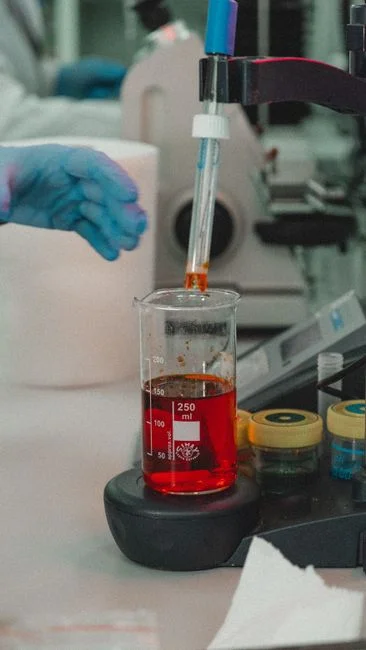
A defensible proposal must include the complete hydraulic and contaminant mass balance, not only a guaranteed effluent value.
Request the design flow, copper loading, COD loading, expected solids production, chemical consumption, sludge moisture and final disposal route. Also identify how the supplier accounts for copper recovery, reject streams and liquid retained in dewatering equipment. The 2023 review emphasizes technology coupling, while HydropureWater’s 2026 guide treats sludge handling as a separate design decision.
Ask for performance data from the same or a closely matched water matrix. For every percentage, identify whether it came from synthetic water, bench testing, pilot testing or full-scale operation. Generic removal claims are not comparable unless the influent pH, copper form, COD composition, TSS, sulfide, ligand concentration, temperature and contact conditions are also stated.
Define guarantee conditions for flow, influent pH, copper, COD, TSS, temperature and reagent concentrations. Require the supplier to explain how performance and chemical consumption change outside those boundaries. Clarify whether the scope includes copper recovery, sludge volume, chemical storage and dosing, instrumentation, controls and downstream solids handling.
Evaluate the PLC-controlled chemical dosing system against the required control response, chemical compatibility and local service capability. For solids handling, request a plate-and-frame filter press for copper sludge proposal supported by representative feed-solids data, cycle-time assumptions and cake-moisture criteria.
Also request materials-of-construction information, corrosion protection, H₂S exposure controls where sulfide chemistry is relevant, automatic backwash where filtration is included, PLC control scope, local service support and spare-parts availability. For sulfide-bearing streams, equipment ventilation and worker-protection controls should be evaluated as part of the system rather than added later.
Request an FAT/SAT plan covering feed-water characterization, startup sequence, sampling points, acceptance tests and failed-batch handling. The acceptance protocol should reconcile measured effluent performance with chemical consumption, sludge yield and equipment stability. These checks turn a conceptual treatment train into equipment that can be compared on the same technical and commercial basis.
Frequently Asked Questions
What is the most cost-effective treatment train for copper mining wastewater with high COD?
There is no defensible universal price answer because the supplied research contains no mine-specific capital or operating cost for a complete train. Select the least complex combination that meets measured copper, COD and permit requirements while safely handling the residual solids. Request a mass balance covering chemical consumption, sludge production, sludge moisture, filtrate return and disposal. Compare alternatives using that same boundary rather than using removal percentage alone.
Can DAF remove dissolved copper and COD?
No. DAF is primarily a solids-separation step for floatable material, suspended solids, oil, grease and colloids. Dissolved copper and soluble COD require separate removal mechanisms or a coupled train. Copper precipitation may be followed by DAF or lamella clarification, while biological or adsorptive treatment addresses the compatible COD fraction.
What data should I provide before ordering a copper mine wastewater treatment system?
Provide flow, pH, temperature, TSS, COD, BOD, total and dissolved copper, sulfide, identified ligands and flotation reagents, together with the permit and reuse targets. Include representative sampling periods rather than one grab sample. If the proposed process includes sulfide dosing, also provide information relevant to gas generation, ventilation and occupational controls.
How do I choose a COD-removal supplier without relying on unsupported guarantees?
Require site-water test data, stated operating boundaries and a complete mass balance. Ask whether results came from synthetic water, bench testing, pilot testing or full-scale operation, and make FAT/SAT criteria part of the purchase. Chemical consumption, sludge output and downstream handling should be included in the comparison.
What is the compliance risk of sizing from one wastewater sample?
One sample can miss variable pH, flow, copper speciation and flotation-reagent concentrations. Those changes can alter precipitation, biological performance, chemical demand and sludge generation. The design should therefore use a sampling program tied to operating variability and conservative treatment boundaries established from the resulting data.