Identify the Limits That Actually Govern Marion-Area Sewer Discharges
Chemical plants near Marion, Indiana, meet sewer pretreatment limits by controlling wastewater at its source and proving that the resulting effluent complies with the applicable industrial user permit and sewer authority requirements. The process starts with obtaining the governing limits, segregating incompatible chemical streams, characterizing pollutants and flow variations, then selecting treatment operations matched to those constraints. Final compliance depends on monitoring, calibrated sampling, operator records, and written acceptance from the receiving authority—not on selecting equipment from a generic concentration limit alone.
The controlling source for every discharge parameter must be identified before equipment is specified. Request the current industrial user permit, sewer-use ordinance, guidance from the Marion-area sewer authority, applicable categorical pretreatment requirements, and any separate discharge agreement. Then assign each requirement to the document that establishes it. A local limit may modify a categorical requirement, but that relationship must be demonstrated rather than assumed.
The supplied research does not establish a numeric chemical-plant discharge limit for a Marion-area sewer. The 2023 openRxiv preprint, Assessment of sewer connectivity in the United States and its implications for equity in wastewater-based epidemiology, concerns sewer connectivity rather than chemical pretreatment limits. The Elsevier record, A Survey on Real Time Control of Combined Sewer Systems in the United States and Canada, likewise does not supply a chemical-plant limit in the provided excerpt. Neither should be used as the compliance basis.
Ask the sewer authority for written definitions of prohibited discharges, mass-loading calculations, monitoring frequency, sampling method, averaging period, and compliance reporting. These details determine whether a concentration result is sufficient and how the plant must demonstrate performance. Do not infer a limit merely because a facility manufactures chemicals.
| Compliance register field | Evidence the project team should retain |
|---|---|
| Requirement | Parameter, objective, prohibition, or calculation rule exactly as stated in the controlling document |
| Source | Permit, ordinance, authority guidance, categorical rule, agreement, revision date, and responsible authority |
| Owner | Person accountable for sampling, analysis, corrective action, reporting, and permit renewal |
| Method | Required monitoring point, sample type, container, preservation, analytical method, frequency, and averaging period |
| Records | Laboratory reports, calibration records, chain of custody, operator logs, production context, and deviations |
| Review | Renewal date, trigger for earlier review, and required approval for material process changes |
A chemical-plant sewer pretreatment compliance framework provides a document-control starting point, but the permit and written authority guidance remain the source of truth.
Build a Wastewater Profile Before Choosing Treatment Equipment
Wastewater characterization must be based on stream-specific behavior because a plant-wide composite can hide incompatible chemistry and short-duration loading peaks. Segment discharge by production unit, cleaning method, batch identity, and chemical compatibility. Then characterize each candidate stream separately rather than treating every discharge as one uniform wastewater.
For each stream, obtain process records and permit-driven samples covering flow, pH, temperature, suspended solids, oil and grease, organic loading, metals, and chemical constituents that may be present. The required analytes and concentrations must come from process knowledge, batch records, and permit language; the supplied research contains no verified Marion-specific values for these parameters.
The sampling program should span production, turnaround, cleaning, upset, and combined-discharge periods. A clean-water startup sample does not establish peak loading or long-term treatability. Include samples associated with the production conditions capable of causing the highest permitted mass loading, then identify how those conditions affect flow, chemistry, treatment demand, and monitoring.
Calculate mass loading in addition to concentration. A discharge that meets a concentration requirement can still create a material pollutant load if its volume is high. The governing document must define the calculation basis, and the plant must retain the flow records needed to reproduce it.
Identify incompatible streams before selecting equipment. Flag materials that may damage biological systems, upset pH control, foul membranes, precipitate unexpectedly, or interfere with analytical measurements. Determine whether those streams should be excluded, treated independently, or collected under defined production controls.
| Stream segment | Minimum characterization package | Design question |
|---|---|---|
| Production wastewater | Flow over operating conditions, pH, temperature, suspended solids, oil and grease, organic loading, metals, and identified process constituents | Which pollutants determine required treatment functions and mass loading? |
| Cleaning wastewater | Batch identity, cleaning chemistry, volume, discharge timing, and constituent profile | Can this stream be segregated from biologically sensitive or analytical streams? |
| Turnaround or upset discharge | Event duration, flow rate, chemistry, production context, and permitted monitoring response | Does the treatment train have enough surge and control response without masking violations? |
| Combined discharge | Individual stream contributions, total flow, constituent interactions, and sampling points | What combination produces the governing permit condition? |
Use chemical-manufacturing examples such as the COD removal treatment train for chemical manufacturing wastewater to frame the questions, not to borrow concentrations from another facility. The plant’s own batch data must determine the load.
Separate, Equalize, and Treat Each Chemical Stream
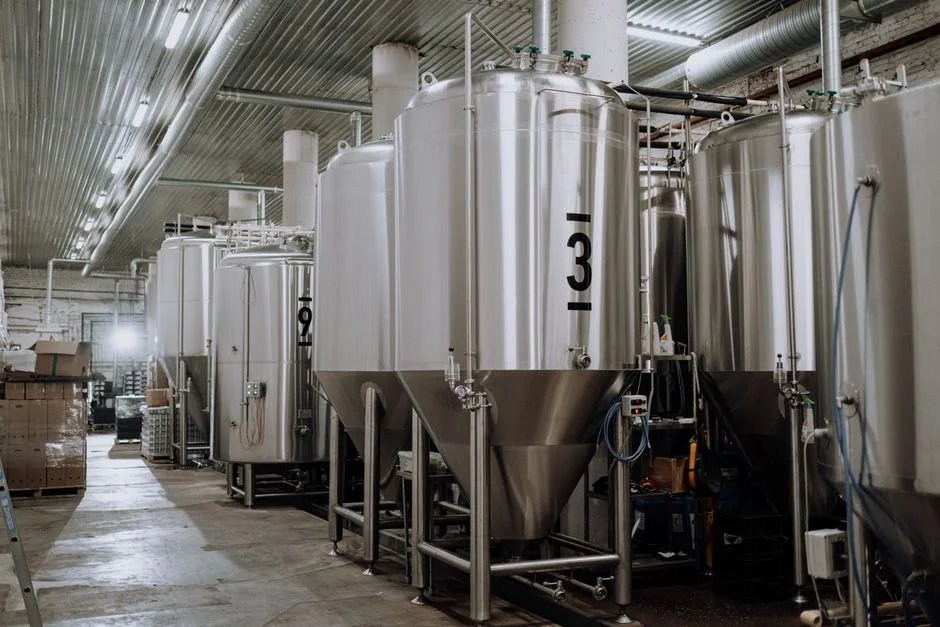
Effective pretreatment begins with source control, segregation, equalization, and neutralization to reduce load variability and protect downstream equipment. The treatment sequence should follow contaminant function: physical removal for separable solids and oil, chemical conditioning for controlled aggregation or precipitation, biological treatment for biodegradable material, and membrane separation for required effluent quality.
Use automatic dosing for coagulants, flocculants, pH adjusters, and specialty chemicals. HydropureWater describes its automatic chemical dosing systems as skid-mounted, pre-wired, factory-tested, and PLC-controlled. An PLC-controlled automatic chemical dosing system should be specified around measured flow, chemistry, target dose, and an operator-verifiable control sequence rather than a fixed pump setting.
Use a DAF system for chemical wastewater pretreatment where suspended solids, oil and grease, FOG, and colloidal material are treatment targets. HydropureWater lists 4–300 m³/h capacity across 13 standard models. Those figures describe the published equipment range, not the required hydraulic or contaminant loading for a Marion-area plant.
Consider a lamella clarifier when compact solids separation, flocculation, sludge recirculation, and inclined-plate separation are suitable. HydropureWater’s published specification lists surface loading rates of 20–40 m/h and chemical consumption up to 30% below the comparison stated by that specification. Verify the applicable basis before transferring the claim into a project guarantee.
Use MBR treatment when biological treatment followed by fine membrane separation is required. HydropureWater lists capacity from 10–2,000 m³/day and filtration below 1 μm. These are equipment specifications; biological acceptance, pretreatment, membrane fouling, and waste handling still require stream-specific design.
Use a plate-and-frame filter press when residual sludge requires further dewatering. HydropureWater’s published filtration-area range is 1–500 m². The selected area must follow representative solids-generation data, cycle time, cake target, and operating schedule.
| Treatment function | Conditional application | Critical design evidence |
|---|---|---|
| Source control and segregation | Keep incompatible or high-strength streams separate | Batch chemistry, discharge timing, physical segregation constraints |
| Equalization and neutralization | Reduce hydraulic and pH variability before sensitive processes | Flow and pH profiles, tank working volume, downstream response |
| Automatic chemical dosing | Control coagulation, flocculation, pH, or specialty reactions | Jar or bench tests, dose-response data, chemical demand |
| DAF | Target suspended solids, oil and grease, FOG, or colloidal matter | Representative load, separated-solids performance, sludge handling |
| Lamella clarification | Separate flocculated solids compactly | Floc characteristics, hydraulic loading, sludge-recirculation basis |
| MBR | Provide biological treatment followed by membrane separation | Biodegradability, toxicity, membrane flux, fouling controls |
| Plate-and-frame filtration | Dewater residual sludge | Solids rate, cake target, cycle time, filtrate destination |
For treatment concepts involving dye or chromium-bearing chemical streams, review the dye-manufacturing COD treatment guide and hexavalent chromium treatment engineering specifications as technical references. Neither substitutes for site-specific characterization.
Design a Pretreatment Control Loop That Produces Evidence
Pretreatment compliance monitoring must connect each measured variable to an action that protects the discharge point. Define measurements at the influent, each treatment stage, and final discharge. Online pH and flow support process control; turbidity may support solids-removal control; laboratory samples remain necessary for parameters not measured continuously.
Calibrate pH, flow, turbidity, and other online instruments on a documented schedule and retain the calibration records. A control loop without traceable calibration does not provide defensible evidence of stable performance. Manual and automatic samples should also be tied to the stream, production condition, flow, and time represented.
Use representative automatic sampling where permitted. Qualify manual samples for the parameter and operating condition being evaluated, and follow the authority’s instructions for sample volume, container, preservation, analysis, and chain of custody. Sampling equipment and laboratory methods must be identified in the compliance register.
Trend the final discharge alongside influent conditions, chemical use, sludge removal, bypass events, and production status. The combined record answers why a result occurred and whether treatment responded as intended. It also distinguishes treatment failure from dilution, a changed batch chemistry, instrument drift, or an unauthorized bypass.
Define alarms before commissioning. Each alarm should have a named operator response, a hold-and-test instruction where appropriate, a release criterion, and an escalation contact. Any excursion must be evaluated before the stream reaches the sewer unless the permit contains a different emergency procedure.
Chemical dosing equipment selection should be tied to control performance, not only tank size. The industrial flocculant dosing unit selection guide provides a structured basis for comparing metering, controls, materials, and operating requirements.
Verify Performance Before the First Discharge—and at Renewal

Commercial acceptance testing must reproduce the wastewater and production conditions that the permit governs. Before testing, obtain written confirmation of sampling points, sample volumes, container types, preservation, analytical methods, and chain-of-custody procedures from the authority identified in the permit.
Run a representative performance test across at least one normal-production cycle and any permit-relevant peak condition. Include the plant’s actual cleaning, turnaround, upset, or combined-discharge conditions where relevant. A clean-water startup demonstration does not establish the performance of chemical dosing, solids separation, biological treatment, or membrane operation on plant wastewater.
Compare every result with the applicable permit requirement. Record any variance, its root cause, corrective action, retest result, and release decision. Acceptance should address both equipment performance and documentation quality, including calibration, operator training, alarms, bypass controls, maintenance, and laboratory support.
Obtain written acceptance from the sewer authority or other authority identified by the permit before commissioning or making a material process change. Define what constitutes a material change in advance; examples can include a new production chemical, altered waste stream, additional pretreatment unit, changed discharge point, or revised control logic.
Set renewal dates for permits, training, calibration, emergency response, and treatment-train review according to the authority’s schedule and plant risk. A renewal review should revisit whether the current waste profile still matches the approved basis. Further practical detail is available in the industrial sewer-limit verification workflow.
Frequently Asked Questions
What pretreatment capacity should a chemical plant near Marion specify?
Specify capacity from verified stream flow, peak and surge conditions, equalization behavior, and governing pollutant mass loads—not from a published equipment range alone. Require the supplier to show the selected hydraulic basis, operating envelope, redundancy, and
Frequently Asked Questions
What pretreatment capacity should a chemical plant near Marion specify for sewer discharge?
Capacity should be specified based on the peak daily hydraulic load plus a 20% safety factor to account for seasonal variations and potential batch processing spikes. In the Marion municipal service area, plants must reconcile their design flow against the specific local limit of 0.5 million gallons per day (MGD) for industrial users to avoid mandatory flow equalization requirements.
Should a Marion-area chemical plant buy DAF, a clarifier, or an MBR wastewater system?
Selection depends on the specific contaminant profile: Dissolved Air Flotation (DAF) is optimal for facilities with high Fats, Oils, and Grease (FOG) or total suspended solids (TSS) up to 2,000 mg/L. Clarifiers are better suited for heavy metal precipitation, while Membrane Bioreactors (MBR) are necessary only if the discharge permit mandates biological oxygen demand (BOD) levels consistently below 30 mg/L or if space constraints limit footprint to less than 500 square feet.
How should I evaluate a wastewater treatment supplier before signing an equipment proposal?
Request proof of performance for similar industrial applications, specifically requiring pilot study data that demonstrates a 90% reduction in your primary pollutants. Ensure the supplier provides a guaranteed uptime service level agreement (SLA) and specifies the availability of local Marion-based technicians who can arrive on-site within four hours of an alarm notification.
What is the biggest compliance risk when treating chemical wastewater before sewer discharge?
The primary risk is pH excursion outside the mandated 5.5 to 9.5 range, which can trigger automatic fines and potential sewer line corrosion penalties. Secondary risks involve the accidental discharge of volatile organic compounds (VOCs) that exceed local limits, necessitating the installation of redundant, real-time continuous monitoring sensors with automated shut-off valves.
How much should a chemical plant budget for wastewater pretreatment equipment in 2026?
For a standard chemical processing facility in the Marion region, expect a capital expenditure ranging from $250,000 to $750,000 for a turnkey pretreatment system, depending on the complexity of the chemical matrix. Annual operational expenditure should be budgeted at 10% to 15% of the initial capital cost to cover chemical reagents, sludge disposal fees, and sensor calibration services.