What Makes Dye Manufacturing Wastewater Difficult to Treat?
Dye manufacturing wastewater COD removal depends on the pollutants present, their phase, and their effect on downstream biology and membranes. The untreated effluent can contain high chemical oxygen demand (COD) and ammoniacal nitrogen, which the Springer study Simultaneous Removal of COD and Ammoniacal Nitrogen from Dye Intermediate Manufacturing Industrial Wastewater Using Fenton Oxidation Method identifies as significant pollutants capable of affecting receiving-water ecosystems.
Characterization should therefore include COD, color, pH, ammoniacal nitrogen, suspended solids, toxicity, conductivity, and the specific dye intermediates in each stream. COD is an aggregate oxygen-demand measurement: it does not identify which compounds consume oxygen, whether they are biodegradable, or whether they will inhibit a biological process. Pair it with constituent-specific analysis and toxicity testing before assigning a biological loading rate or membrane area.
Dye manufacturing effluent should not be treated as a generic textile wastewater. The 2026 review Treatment of Azo Dye Wastewater by Anaerobic Membrane Bioreactors notes that concentration thresholds reported in the literature are mainly derived from single-dye laboratory studies and may not represent actual textile wastewater. The same caution applies with greater force to dye manufacturing streams, where production chemistry can differ substantially. A permit interpretation can also require a defined industrial pretreatment basis, as discussed in the linked guides on industrial wastewater pretreatment limits and organic chemical plant pretreatment requirements.
Map production streams separately. Dilution, batch variability, chemical use, and cleaning operations can change the treatment demand presented to downstream equipment. Sample individual streams and combined flows over representative production periods; a single diluted composite can conceal the peak COD, color, toxicity, or flow that determines equipment sizing.
Choose the Treatment Objective Before Selecting Equipment
Each unit should have one defined treatment role: remove floatable material, oxidize soluble contaminants, polish residual biodegradability, or separate solids. Treating dye manufacturing wastewater COD removal as one undivided objective risks buying equipment that removes the wrong fraction of the load.
DAF is a physical pretreatment option where suspended solids, colloidal material, oil and grease, or floatable contaminants could interfere with later oxidation, biological activity, or membrane operation. A DAF system for dye wastewater pretreatment does not oxidize soluble COD; its value lies in removing material that would otherwise carry that COD into subsequent stages or foul equipment.
Chemical dosing is a supporting control function rather than a treatment mechanism by itself. Automatic chemical dosing for wastewater treatment can meter coagulants, flocculants, pH adjusters, and specialty chemicals when the selected process requires repeatable addition and pH control. Fenton or Photo-Fenton is the oxidation option when the objective includes COD reduction, color removal, or simultaneous treatment of COD and ammoniacal nitrogen. MBR is a biological-plus-membrane option, not a substitute for toxicity assessment or uncontrolled Fenton chemistry.
| Equipment or process | Defined treatment role | Selection gate |
|---|---|---|
| DAF | Removes suspended, colloidal, or floatable material before downstream treatment | Characterization identifies a separable physical contaminant load |
| Automatic chemical dosing | Controls addition of coagulants, flocculants, pH adjusters, or specialty chemicals | A defined process and chemical demand have been established |
| Fenton or Photo-Fenton | Oxidizes contaminants and targets COD and color reduction | Bench and pilot chemistry is verified with site wastewater |
| MBR | Provides biological treatment with membrane solids separation | Residual biodegradability, toxicity, and fouling risk are acceptable |
An MBR membrane bioreactor for wastewater polishing should follow, or replace, biological treatment only after influent toxicity, dye structure, hydraulic loading, and organic loading have been assessed. The wider comparison of DAF, biological, and MBR COD treatment illustrates why physical separation, biological conversion, and membrane retention should not be treated as interchangeable.
Build a COD Removal Train from Influent to Effluent
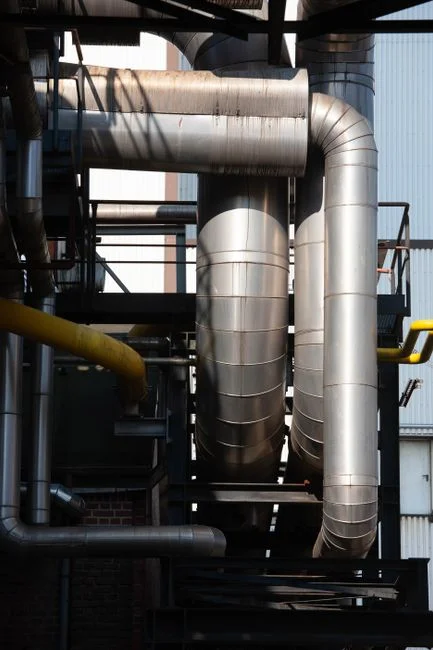
A defensible treatment train separates characterization, physical pretreatment, controlled oxidation, downstream polishing, and permit validation. The sequence below is a design framework, not a claim that every dye plant needs every stage.
- Segregate and characterize. Sample production streams separately and across representative operating conditions. Establish COD, color, pH, ammoniacal nitrogen, suspended solids, toxicity, conductivity, flow variation, and the dye intermediates that may affect the process.
- Equalize and remove physical contaminants. Apply equalization where batch variation would destabilize dosing or oxidation. Where justified by characterization, use physical pretreatment to reduce suspended solids, colloids, or floatable material before oxidation, biology, or membranes.
- Optimize Fenton chemistry. Test pH, Fe2+, H2O2, and molar ratio on representative wastewater. The Springer study on dye intermediate manufacturing wastewater used a 60-minute reaction time for all experiments, making that duration a useful reference point for controlled trials rather than a universal design value.
- Evaluate biological or MBR polishing. Test residual biodegradability and toxicity after physical and chemical pretreatment. Do not assume that a dye manufacturing stream is biologically treatable merely because the effluent contains organic carbon.
- Confirm operating performance. Measure residual COD, color, toxicity, sludge generation, chemical consumption, and operating stability with representative wastewater. Include the practical COD-removal sequence in the industrial COD removal treatment train guide.
- Validate against the permit. Confirm the complete train against the applicable discharge or industrial pretreatment permit before fixing equipment capacity or performance guarantees.
| Stage | Primary purpose | Evidence required before proceeding |
|---|---|---|
| Stream segregation and characterization | Defines pollutant load and variability | Representative COD, color, pH, nitrogen, solids, toxicity, conductivity, and flow data |
| Equalization and physical pretreatment | Controls variability and removes physical material | Identified contaminant fraction and downstream interference |
| Fenton or Photo-Fenton | Reduces oxidizable COD and color | Site-wastewater chemistry trial and residual-quality data |
| Biological or MBR polishing | Removes residual biodegradable load and separates solids | Biodegradability, toxicity, loading, and fouling assessment |
| Final validation | Confirms permit compliance and operability | Representative-plant performance, chemical use, and sludge records |
Physical pretreatment should precede oxidation only where characterization supports that sequence. Iron-bearing solids from Fenton treatment also require a defined sludge-management route; they are not a residual detail at the end of the process design.
Set Oxidation Parameters Through Bench and Pilot Testing
Fenton performance is a function of the wastewater and the chemistry tested, not a transferable removal percentage. The Springer study varied pH, Fe2+ concentration, H2O2 concentration, and their molar ratio for simultaneous COD and ammoniacal nitrogen removal, with all experiments conducted over 60 minutes.
Photo-Fenton adds another controlled variable. The study Simultaneous Removal of COD and Color from Dye Manufacturing Process Wastewater Using Photo-Fenton Oxidation Process, published in the Journal of Environmental Science and Health Part A, evaluated UV-light intensity, ferrous and peroxide dosages, and pH. It reported approximately 76% COD removal and 93% color removal under that study’s experimental conditions. It also found that relatively higher UV power accelerated removal, with the effect becoming more significant as the reaction progressed.
These findings define variables to investigate, not values to transfer into a performance guarantee. Site wastewater can differ in pH buffering, organic composition, residual oxidant demand, color, and interfering constituents. The pilot should establish the chemical dose, reaction time, and endpoint using the actual stream, then verify residual COD, color, toxicity, and downstream impacts.
| Parameter | Evidence from the studies | Engineering action |
|---|---|---|
| pH | Varied in both the Fenton and Photo-Fenton studies | Establish the operating range on representative wastewater |
| Fe2+ dosage | Varied in both studies | Optimize dose against COD and color removal rather than copying a study value |
| H2O2 dosage and molar ratio | Varied in the Fenton study; peroxide dosage was evaluated in Photo-Fenton treatment | Test dose and ratio together, including residual peroxide and downstream effects |
| Reaction time | The Springer experiments used 60 minutes for every test | Use as a controlled trial reference, then determine the site-specific endpoint |
| UV intensity | Higher UV power accelerated removal in the Photo-Fenton study | Evaluate energy use and reactor configuration against the required oxidation endpoint |
Procurement must also cover reagent availability, operator controls, electrical and chemical safety requirements, and iron-bearing sludge handling. The plate-and-frame filter press may be relevant for dewatering that sludge, but its selection depends on solids characteristics and disposal route. A controllable automatic chemical dosing system should be evaluated against the verified reagent regime rather than specified before chemistry testing is complete.
Evaluate Biological and Membrane Treatment Without Ignoring Fouling
Biological treatment is suitable only when the residual organic load is sufficiently biodegradable and non-toxic to the selected microbial process. The 2026 Membranes review identifies membrane fouling and biological toxicity as the main bottlenecks in treating azo dye wastewater with anaerobic membrane bioreactors.
Dye molecular structure matters because azo-dye reduction can form aromatic amines. The review reports that these compounds may inhibit methanogenesis and promote the accumulation of hydrophobic foulants on membrane surfaces. Consequently, color removal or COD oxidation does not by itself establish that the remaining stream is compatible with an anaerobic MBR.
Higher dye loading can inhibit anaerobic activity and accelerate membrane fouling. Loading control and toxicity testing therefore belong in the design stage rather than after installation. The review also found that none of the mitigation strategies it evaluated had yet ensured long-term industrial operation; its recommendation is to use data-driven fouling prediction and pilot trials with real wastewater to define operating limits.
Laboratory concentration thresholds should be treated cautiously. The same review notes that they are mainly derived from single-dye studies and may not represent actual textile wastewater, making direct application to manufacturing effluent especially weak. Pilot testing should track membrane flux, cleaning frequency, biological response, residual COD, color, and toxicity through representative loading cycles.
Where the technical case is supported, an MBR membrane bioreactor for wastewater polishing can combine biological treatment and solids separation, while an MBR membrane bioreactor module requires equivalent scrutiny of feed conditions and operating controls. Neither configuration removes the need to establish biodegradability and fouling limits with the actual dye manufacturing effluent.
Size and Procure the System Around Verified Performance
Hydraulic capacity and pollutant loading are separate sizing questions. Flow equipment around verified peak and average wastewater flows, equalization requirements, operating shifts, and foreseeable production changes. Size oxidation and biological stages around representative COD, color, toxicity, and constituent data—not an influent average alone. Pilot-derived rates should be the basis for final equipment selection where they govern performance.
Suppliers should state the equipment’s treatment role, the wastewater basis used for its claims, the intended operating envelope, control philosophy, and downstream sludge-management requirements. The evidence base must distinguish results from laboratory or synthetic water from performance on representative site wastewater.
| Procurement item | Information or evidence to request | Decision affected |
|---|---|---|
| Hydraulic basis | Verified average and peak flow, equalization basis, shifts, and production-change assumptions | DAF, oxidation reactor, and equalization capacity |
| Pollutant basis | Representative COD, color, toxicity, constituents, and variability | Oxidation dose, biological loading, and membrane area |
| DAF scope | Intended contaminants and wastewater application confirmed by the supplier | Physical pretreatment suitability |
| MBR evidence | Representative-wastewater results, fouling monitoring, cleaning, replacement, and operating limits | Polishing reliability and lifecycle cost |
| Controls and support | Control scope, operator training, chemical supply, maintenance support, and documentation | Operability and implementation risk |
| Permit and lifecycle | Applicable permit interpretation, installation constraints, energy use, chemical use, and sludge route | Compliance risk and total cost |
For DAF, require the intended contaminants and wastewater application to be confirmed in the proposal. HydropureWater’s stated DAF range covers 4–300 m3/h across 13 standard models and includes industrial pretreatment applications such as textile wastewater, according to the supplied product information for the dissolved air flotation machine. That range is a catalog capability, not proof that one model will meet the buyer’s COD or permit objective.
For MBR, request evidence based on representative wastewater and define membrane cleaning, replacement, and fouling-monitoring expectations in the commercial scope. Compare installation constraints, operator training, chemical supply, maintenance support, and lifecycle cost alongside purchase price. The same discipline applies when evaluating an integrated MBR wastewater treatment system.
Frequently Asked Questions
How should a dye wastewater treatment system be sized when flow and COD vary by production batch?
Size hydraulic equipment from verified peak and average flow, equalization requirements, operating shifts, and planned production changes. Size oxidation and biological units from representative COD, color, toxicity, constituent data, and pilot-derived loading. No generic flow-to-COD ratio is defensible without those inputs, and a diluted composite may understate the peak load.
Which treatment technology should a supplier be asked to prove for dye manufacturing wastewater COD removal?
Require each supplier to define a specific role: DAF for physical pretreatment, Fenton or Photo-Fenton for oxidation, and biological or MBR treatment for residual biodegradability and solids separation. Ask for representative-wastewater evidence, the operating envelope, control scope, chemical and sludge requirements, cleaning and maintenance obligations, and lifecycle documentation. A treatment train is acceptable only when each stage has a measurable input, output, and design basis.
Can the published 76% COD removal result be used as a plant performance guarantee?
No. The approximately 76% COD removal and 93% color removal figures came from Photo-Fenton experiments in the Journal of Environmental Science and Health Part A study under its experimental conditions. Treat them as pilot targets for investigation, not guarantees. Permit-specific validation should use representative wastewater and confirm residual COD, color, toxicity, chemical consumption, sludge generation, and stable operation.
When are DAF, Fenton oxidation, and MBR complementary rather than interchangeable?
DAF removes physically separable material before it reaches oxidation or membranes. Fenton or Photo-Fenton oxidizes selected contaminants and targets COD and color. MBR combines biological treatment with membrane solids separation and is appropriate only where residual biodegradability, toxicity, loading, and fouling risk have been established. Use them in sequence when the characterized wastewater supports that arrangement; do not expect any one unit to perform all three functions.