Which Wastewater Stream Should a Freeburg Factory Treat First?
For fabricated-metals wastewater in Freeburg, choose DAF when the main duty is emulsified oil, lubricants, floating solids, or colloids; choose a lamella clarifier when the objective is settling dense metal fines, chemical precipitates, or sludge. Neither is universally better, and many plants need both in a staged train. Final selection requires measured flow, peak and batch loads, oil and grease, total suspended solids, pH, COD where applicable, dissolved metals, coolant chemistry, and the required discharge or reuse endpoint.
Start by separating machining and cutting coolant, coating wash water, oily wash water, cooling water, and batch dumps where practical. These streams can have different hydraulic profiles and contaminant concentrations, so combining them before characterization can conceal the governing load. The rotary mechanical bar screen may provide useful front-end solids control, but it cannot remove dispersed oil or serve as the fine-treatment step.
For coolant, determine whether the oil is free, dispersed, or held in a stable metalworking coolant emulsion. WesTech identifies dissolved air flotation and induced gas flotation as relevant mechanisms for rolling coolant emulsions; that supports flotation as one duty, not as a complete treatment train.
Remove large scale, metal fines, and coarse debris before fine treatment. A DAF unit does not replace coarse solids removal. As a benchmark only, WesTech’s continuous-casting scale-pit example includes an oil skimmer and solids scraper and normally provides 30–45 minutes of retention before deep-bed filtration and reuse. That example is not a sizing template for a Freeburg fabricator.
| Plant stream | First questions to resolve | Likely treatment direction |
|---|---|---|
| Machining or cutting coolant | Free oil, dispersed oil, or stable emulsion? What are the emulsifier and coolant concentrations? | Emulsion separation followed by DAF or another flotation mechanism |
| Oily or coating wash water | Is the flow continuous or dumped in batches? Does pH or metal chemistry require correction? | Equalization, chemical reaction where needed, DAF, then clarification or polishing |
| Cooling water | Does it contain oil, scale, corrosion products, or treatment chemicals? | Source control and front-end solids control before the applicable treatment step |
| Batch dumps | What is the dump volume, duration, and contaminant load relative to continuous flow? | Equalization and a sizing calculation based on the complete discharge profile |
| Coarse solids and metal fines | What can be collected by screening or a solids scraper? | Collection and primary solids control before flotation or clarification |
Define the endpoint before comparing equipment: sewer pretreatment, biological pretreatment, filtration, cooling reuse, another process loop, or another discharge route. A train designed for internal reuse does not automatically demonstrate compliance with a discharge endpoint. The applicable fabricated-metals pretreatment compliance requirements must be established separately.
DAF vs. Lamella Clarifier: What Each Unit Actually Removes
DAF separates floatable material, while lamella clarification separates settleable material; neither mechanism substitutes for the other merely because both are sold as clarification equipment.
In an industrial dissolved air flotation system, pressurized water releases micro-bubbles that attach to buoyant material or conditioned flocs. A skimming mechanism removes the resulting floating blanket. Clearwater Industries specifies 30–50 micron micro air bubbles and describes their attachment to impurities and flocculated particles followed by surface flotation and skimming.
A lamella clarifier for metals wastewater uses gravity settling. Inclined plates increase the effective separation area, allowing settleable solids to move toward a collection zone while the clarified phase is withdrawn.
| Selection factor | DAF | Lamella clarification |
|---|---|---|
| Separation principle | Bubble attachment and surface flotation | Gravity settling with inclined plates |
| Primary contaminants | Oil, grease, emulsions, colloids, and floating solids | Dense metal fines, flocculated precipitates, and settleable sludge |
| Conditioning dependence | Coagulation, flocculation, pH adjustment, bubble generation, and floatability | Floc formation, settling velocity, solids inventory, and withdrawal |
| Residual removal | Surface scum plus any settled solids | Concentrated underflow sludge |
| Principal failure mode | Poor conditioning or skimming can leave oil in the clarified phase | Buoyant overload can impair effective separation |
Chemical conditioning is part of DAF performance, not an accessory. Clearwater identifies coagulation, flocculation, and pH adjustment as common components and notes that chemicals may be mixed in serpentine flocculation tubes or dedicated mix tanks. The required arrangement depends on the chemistry and mixing results.
Match DAF to emulsified coolant, dispersed oil, grease, colloids, and floating solids. Match clarification to dense metal fines, precipitated metal hydroxides, and settleable sludge. A clarifier can also be appropriate after DAF if the remaining floatable material is not the only contaminant requiring removal.
Tank geometry does not establish performance for a Freeburg application. Removal results from another wastewater do not transfer automatically. The supplier must connect the proposed configuration to measured flow, contaminant loading, conditioning, skimming or withdrawal, and the final water-quality endpoint.
When a Combined DAF and Clarification Train Is the Better Choice
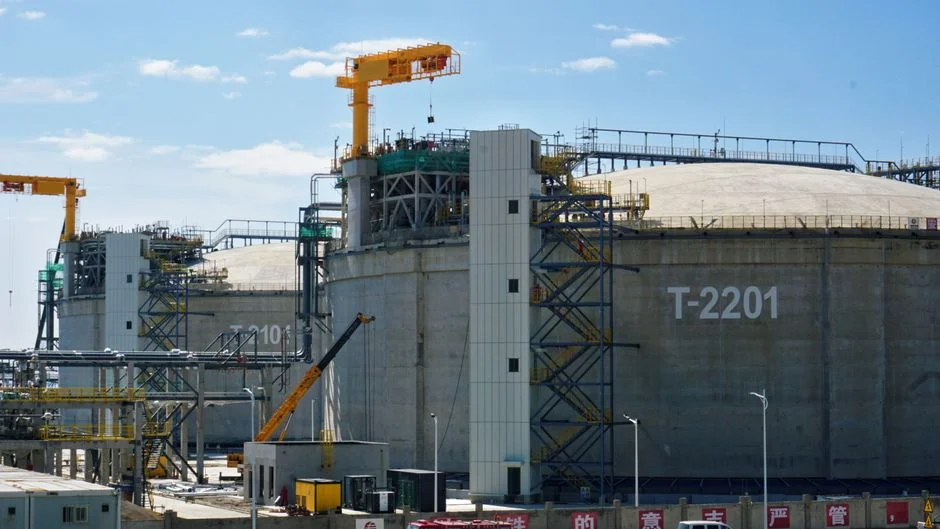
A combined train is appropriate when the plant wastewater contains both floating contaminants and solids that must settle or be filtered.
For metals requiring chemical precipitation, assign reaction and conditioning to the front of the train. WesTech’s heavy-metals example places aeration, an HDS reaction tank, a Solids CONTACT CLARIFIER, and pressure filters in that sequence. That arrangement separates chemical preparation from solids capture and residual filtration.
Use DAF first where dispersed oil or emulsions would interfere with clarification, then clarify conditioned residual solids and polish the recovered water if the endpoint requires it. In that arrangement, DAF handles the floating fraction and the clarifier handles the settleable fraction.
DAF alone may not adequately separate dense metal hydroxides or other settleable precipitates. A clarifier alone may not reliably capture dispersed oil and buoyant emulsions. Treating the two as interchangeable products obscures both the contaminant duty and the required treatment sequence.
Chromium treatment requires a defined chemical endpoint. WesTech’s example reports 0.2 ppm chromium at pH 7.5. Its pH may be raised to approximately 10 for additional metals, but the source cautions that values above 10 can increase metal solubility and reduce precipitation effectiveness. Jar and pilot testing should establish the local chemistry before those conditions are specified.
Chemical feed must match the verified reaction and flow duty. The selected PLC-controlled chemical dosing system is part of the process design, not a generic accessory. If reuse or discharge requires lower residual suspended solids, a multi-media filtration system may follow clarification. Do not assume clarified water is immediately reusable.
How to Size DAF or a Clarifier for Peak Production Conditions
A defensible size requires both hydraulic flow and contaminant load; catalog capacity does not provide either calculation by itself.
Collect average flow, peak flow, batch-dump records, operating schedules, future production changes, and the duty split among oily, wash, machining, and cooling streams. Test oil and grease, total suspended solids, pH, COD where applicable, dissolved metals, and coolant or emulsifier chemistry using representative samples across production conditions.
| Supplier must calculate | DAF design basis | Clarifier design basis |
|---|---|---|
| Hydraulic duty | Design flow, flotation area, recycle ratio, and saturation or recycle-system design | Design flow, surface loading rate, and clarification area |
| Contaminant duty | Oil, grease, colloids, floating solids, and conditioning demand | Settleable solids, precipitate loading, and expected solids capture |
| Residual handling | Float removal, scum handling, and any settled-sludge withdrawal | Sludge inventory, solids-withdrawal assumptions, and thickening or dewatering need |
| Operations | Skimming capacity, recycle, compressed air, controls, and maintenance access | Underflow withdrawal, recycle, controls, and maintenance access |
| Performance basis | Actual wastewater chemistry and evidence from relevant testing | Actual wastewater chemistry and evidence from relevant testing |
HydropureWater lists 13 DAF models from 4–300 m³/h. That is a catalog family range, not a complete sizing calculation. HydropureWater also lists 20–40 m/h surface loading and up to 30% lower chemical consumption for its lamella clarifier. Both figures are product claims and cannot be transferred to a Freeburg duty without design verification.
Ask bidders to show how peak flow, batch discharges, contaminant loading, and production changes affect the selected configuration. A unit selected from average flow can be overwhelmed during a dump or during simultaneous oily and wash-water discharge.
For DAF, audit the recycle ratio, flotation area, bubble-generation assumptions, conditioning sequence, and skimming capacity. For clarification, audit loading rate, clarification area, sludge inventory, withdrawal assumptions, and solids capture. The comparison is meaningful only when both proposals use the same measured design basis.
Pilot or side-stream testing is warranted when chemistry changes substantially, emulsifier behavior is uncertain, or dissolved metals must be removed in addition to floating contaminants. Confirm skimming, solids capture, sludge handling, and recovered-water quality before finalizing the equipment specification.
Compare Utilities, Maintenance, and Residual Handling
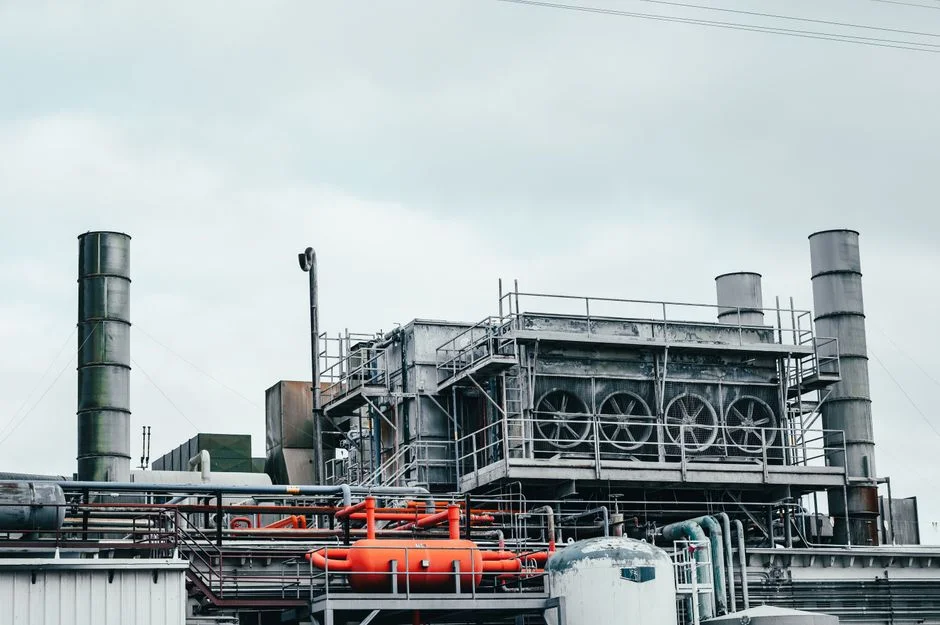
DAF and clarification should be compared by their complete operating burden, not by vessel price or catalog capacity.
DAF depends on recycle water, compressed air or saturation, stable float, effective skimming, and pressure management. Clarification depends on reliable underflow withdrawal, recycle, floc formation, and solids-inventory control. Both create a concentrated residual: DAF produces scum and may also produce settled sludge, while a clarifier concentrates settleable solids for handling.
| Procurement item | DAF focus | Clarifier focus |
|---|---|---|
| Utilities | Recycle-pump power, compressed air, and pressure controls | Pumping associated with recycle and solids handling |
| Chemicals | Coagulant, flocculant, and pH control for floatability | Flocculant demand and chemistry supporting settling |
| Residual | Scum, float, and settled-solids handling | Underflow sludge inventory, thickening, and removal |
| Maintenance | Skimmer, recycle system, saturation system, and accessible float area | Sludge collection, withdrawal mechanism, and settling zone |
| Support | Controls, operator access, local service, and chemical storage | Controls, operator access, local service, and chemical storage |
Include sludge yield, thickening, dewatering, filtrate return, chemical consumption, power, controls, operator labor, maintenance, utilities, and local service support in the comparison. A plate-and-frame filter press may be appropriate where the selected train requires sludge dewatering, but suitability must be based on the actual solids and filtrate behavior.
WesTech reports an average 20:1 sludge-volume reduction after dewatering in its described heavy-metals process. That is an example from that process, not a universal Freeburg assumption. Residuals removed from the water still require inventory, handling, transport or disposal, and a return-flow plan.
Turn the Comparison into a Defensible Supplier Quotation
A defensible quotation requires every bidder to design against the same measured wastewater and production basis.
Provide representative wastewater data, the flow profile, operating schedule, treatment endpoint, and future-capacity assumptions to each supplier. Require the proposal to identify design flow, hydraulic loading, contaminant loading, flotation or clarification area, recycle ratio, skimming capacity, chemical demand, utilities, controls, materials of construction, and sludge-removal assumptions.
Ask for evidence from the actual wastewater through site testing or pilot performance rather than relying on removal results from another stream. Require the calculation behind every capacity and performance statement. The comparison frameworks for DAF versus clarifier selection for metals wastewater and the metals-factory DAF and clarifier comparison provide useful structures for reviewing bids, but their published results cannot substitute for Freeburg data.
Compare full-scope costs, including treatment equipment, chemical feed, electrical service, sludge handling, polishing, controls, operator labor, maintenance, commissioning, and local support. Separate optional items from those required to meet the endpoint.
The supplied research contains no defensible purchase-price range for this application because it provides no Freeburg flow, contaminant loading, operating schedule, or quoted configuration. Request quotations against the measured design basis rather than comparing headline vessel prices or unsupported transfer guarantees.
Frequently Asked Questions
How should a Freeburg factory size a DAF or lamella clarifier without relying on catalog capacity?
Size from measured average and peak flow, batch dumps, operating schedules, future production changes, and representative oil and grease, TSS, pH, COD where applicable, dissolved metals, and coolant chemistry. Require the supplier to show design flow, contaminant loading, flotation or clarification area, recycle ratio, skimming capacity, and sludge assumptions. The DAF family range of 4–300 m³/h is a catalog claim, not a Freeburg sizing result.
What should procurement check when selecting a DAF or clarifier supplier?
Require transparent hydraulic and contaminant-loading calculations, site-relevant pilot or performance evidence, utilities, controls, materials of construction, sludge-removal assumptions, commissioning scope, and local service support. The supplier should identify which calculations led to the proposed equipment and should not rely on removal results from a different wastewater.
How much does a DAF or clarifier treatment train cost for fabricated-metals wastewater?
The supplied research provides no defensible price range because no Freeburg flow, contaminant loading, operating schedule, or quoted configuration is available. Request quotations against the same measured basis, then compare full-scope costs for equipment, chemicals, power, sludge handling, filtration, controls, labor, maintenance, and commissioning.
Can a clarifier alone treat oily coolant and heavy-metal wastewater?
Not reliably as a general rule. A clarifier is suited to gravity-settleable solids and precipitated metal hydroxides, while DAF is suited to emulsified oil, dispersed oil, grease, colloids, and floating solids. A plant with both duties may need a staged train. The selected equipment must demonstrate the applicable local pretreatment or discharge endpoint separately from any internal reuse target.