What System Is Best for an Astana Hotel?
In 2026, an Astana hotel or resort generally needs a biological treatment system with preliminary screening, equalization, fat and grease control, biological treatment and final disinfection. A buried A/O package plant such as the WSZ package treatment plant is practical for a typical domestic wastewater stream and limited site area. An integrated MBR wastewater treatment system is preferable where tighter solids control, a smaller footprint, reuse readiness or a higher-quality effluent objective justifies added complexity and operating cost. Astana’s cold climate, hotel occupancy peaks and restaurant wastewater must be considered during sizing. Final selection depends on measured flows, permit conditions and a wastewater characterization; occupancy alone is not a valid design basis.
Make the decision against four inputs: average and peak flow, wastewater characteristics, discharge or reuse objectives, and physical-site constraints. The normal domestic hotel stream includes guestrooms, staff areas, laundry and kitchens, but kitchen fat, oil and grease (FOG) and coarse solids should be controlled before the biological process. If those streams are uncontrolled, dilute domestic flow can mask a local loading problem and expose pumps, biological treatment or membranes to avoidable shock loads.
The Kazakhstan wastewater treatment context is useful for locating local engineering and permitting support, but it does not replace a property-specific basis of design. The Ritz-Carlton Astana’s official profile lists 157 rooms, making it a useful benchmark for distinguishing room count from actual hydraulic and pollutant loading; it is not a universal sizing rule. For an Astana hotel sewage treatment decision, the defensible sequence is: characterize the waste, establish the legal discharge or reuse basis, compare biological trains against those conditions, and then issue a site-specific performance specification.
Build the Astana Hotel Wastewater Profile
A hotel wastewater design must start with the operating property, not a generic per-room flow assumption. Request a 12-month water-balance record covering guest occupancy, restaurants, banquets, laundry, kitchens, pools, spas and any irrigation connections. This record should identify which flows enter the sanitary sewer, which are discharged separately, and which arise only during special events. The Ritz-Carlton Astana’s official profile lists 157 rooms and a published water footprint of 1571.61 liters per room night; those figures provide context, not a wastewater-flow calculation (The Ritz-Carlton Astana, official property profile, accessed 2026).
Separate sanitary wastewater from process, cooling, pool and washdown streams before selecting the main biological train. Ask for daily and hourly flow data around occupancy changes, conferences, weddings and holiday periods. Kazakhstan has distinct tourism seasons, according to Digital marketing as a new stage of evolution of hotel industry in Kazakhstan, published by Panorama Publishing House in January 2025. A high-occupancy event may therefore affect both hydraulic loading and wastewater composition, including kitchen discharges and laundry output.
| Input | Evidence required from the property | Design use |
|---|---|---|
| Flow | 12-month water balance, meter records, daily peaks and event-hour data | Equalization, biological capacity and pretreatment sizing |
| Wastewater quality | BOD, COD, suspended solids, FOG, pH, temperature and conductivity | Process selection, loading and membrane fouling assessment |
| Discharge or reuse | Receiving-sewer route, permit conditions or intended reuse application | Effluent targets, disinfection and additional treatment |
| Site and operation | Available footprint, burial conditions, utilities, access and staffing capability | Plant configuration, winter provisions and maintenance access |
For Astana, require documented low-temperature performance, winter commissioning, insulation, heat tracing where appropriate and freeze protection for exposed equipment. The supplier should state which parts of the proposal have actually been designed for local winter conditions rather than relying on a general “cold-climate ready” label. Operating and reporting information may also need to be available in Kazakh, Russian and English: the January 2025 Panorama Publishing House article identifies those three languages as important for content accessibility in Kazakhstan’s multilingual hotel market.
Screen FOG, Solids and High-Flow Wastewater Before Biology
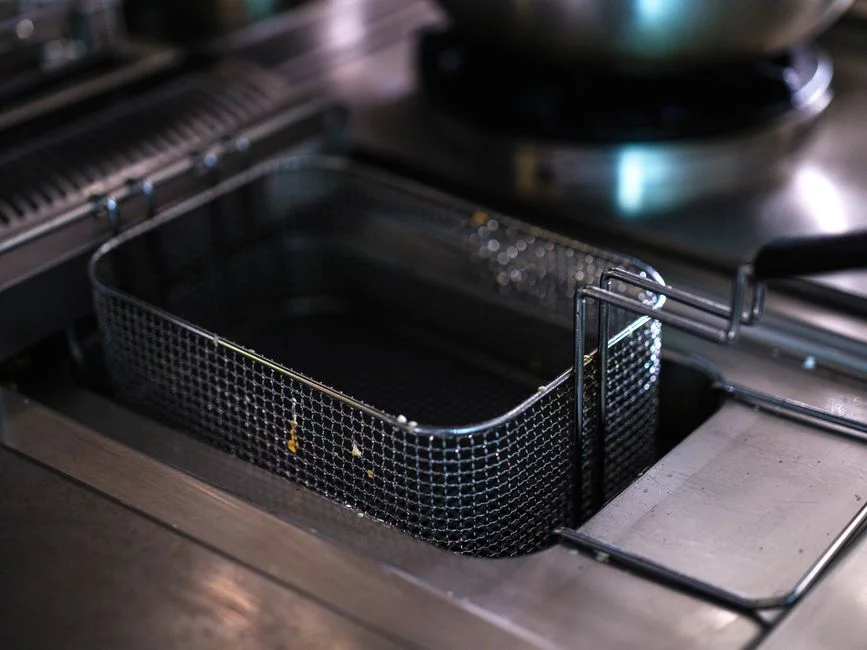
Hotel FOG pretreatment should be treated as a process requirement, not an optional accessory. Trace kitchen drains and identify whether grease interceptors, a DAF unit or another approved arrangement protects the biological train. Dilution from other hotel flows must not conceal the strength of kitchen wastewater. The pretreatment proposal should define the removal objective, retained-solids handling, cleaning access, odor control and bypass arrangement.
A DAF machine is applicable where suspended solids, FOG, oil and grease or colloidal material require removal. HydropureWater’s published DAF range covers 4–300 m³/h across 13 models. That equipment range is not a hotel sizing conclusion: the required treatment rate must come from measured kitchen and sanitary flows, with peak and batch discharge conditions included.
For hotels with laundry lint, plastics, fibrous debris or other material capable of blocking pumps and damaging downstream equipment, require a rotary mechanical bar screen. The GX series is described for continuous-duty fine screening. Its selection should be linked to the expected debris inventory and the collection system, rather than simply added to the quotation.
Equalization and flow control are justified where the influent study identifies batching, event peaks or storage-retention requirements. A supplier should explain the active storage volume, pumping arrangement and level controls, but those dimensions must follow the measured peak profile. Screening, FOG removal and equalization protect downstream equipment; they do not replace biological treatment and disinfection for the sanitary wastewater stream. A bid that presents pretreatment alone as the complete hotel treatment plant should be rejected.
Compare WSZ, MBR and Pretreatment for Astana Conditions
The WSZ and MBR serve different project conditions: WSZ prioritizes integrated treatment in a compact buried package, while MBR adds membrane solids separation and reuse readiness. The choice must follow measured flows, required effluent quality, available space and the property’s ability to maintain the system.
| Issue | Buried A/O WSZ | Integrated MBR |
|---|---|---|
| Process | Integrated anoxic/aerobic contact oxidation, sedimentation and disinfection | Activated sludge with submerged PVDF membranes |
| Published capacity | 1–80 m³/h | 10–2,000 m³/day |
| Installation | Buried installation with limited above-ground footprint | More compact than conventional systems |
| Effluent separation | Integrated clarification and disinfection | Filtration below 1 μm |
| Primary attraction | Integrated package and low operator involvement where site conditions suit burial | Tighter solids separation, compactness and reuse readiness where their value can be justified |
| Main buyer checks | Subsurface conditions, winterization, sludge removal, access, controls and expansion | Membrane flux and fouling, cleaning access, spare membranes, controls, power resilience and trained support |
The equipment descriptions and capacities in this comparison come from HydropureWater’s published WSZ and MBR product information for 2026. They establish available equipment envelopes, not project compliance.
Select WSZ where an integrated buried A/O treatment plant fits the site, above-ground space is constrained and the owner prefers lower operator involvement. Select MBR where tighter solids control, below-1 μm filtration, a smaller footprint or reuse readiness has measurable value—and the owner accepts membrane cleaning, replacement and specialist support responsibilities. DAF and GX screening should be included only when FOG, debris and influent characterization justify them.
Make winter design, sludge removal, cleaning access, spare parts, controls, operator involvement and expansion provisions mandatory schedule items in every comparison. Neither process guarantees regulatory compliance. Require each proposal to demonstrate the selected process against the site’s permit and receiving-sewer requirements.
Design the Treatment and Reuse Train
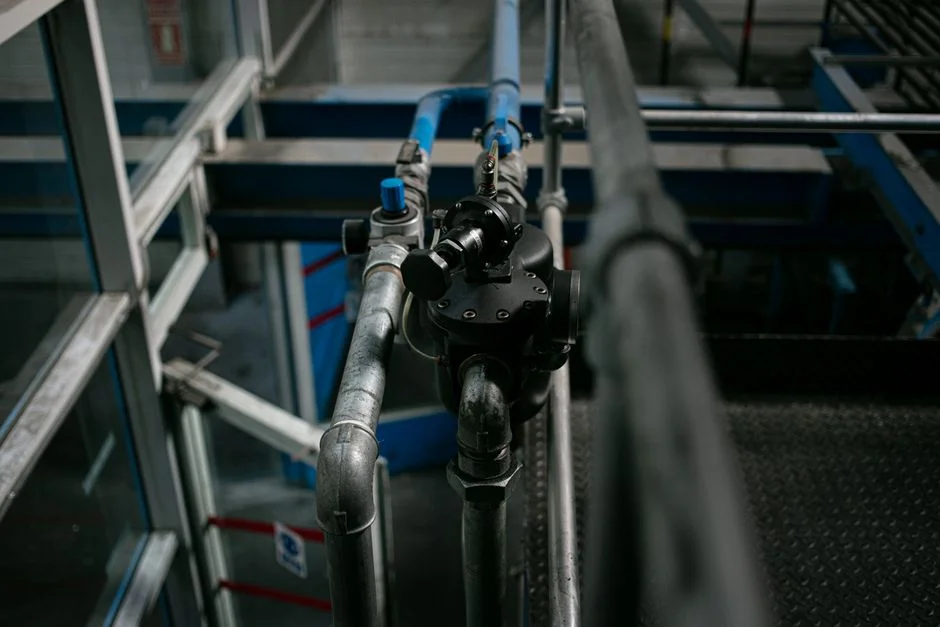
A complete hotel treatment train follows the waste through collection, pretreatment, biological treatment, separation, disinfection and an authorized endpoint. The normal sequence is:
- Collection and mechanical screening
- Flow measurement and equalization
- FOG or kitchen pretreatment where required
- Biological treatment
- Clarification or membrane separation
- Disinfection
- Authorized discharge or approved reuse
WSZ integrates anoxic/aerobic contact oxidation, sedimentation and disinfection in one package. MBR combines activated sludge with submerged membrane filtration. These are different process architectures, so bids should be compared on their complete process guarantees rather than on the equipment label.
Irrigation, toilet flushing and process reuse remain project-specific options. Each requires a defined water-quality target, application assessment and approval route; generic permission to “reuse” is not enough. Where a reuse duty or further pretreatment need is established, a hollow-fiber ultrafiltration system may be considered. HydropureWater’s published UF range covers 2,000–40,000 L/h, uses 0.03 μm PVDF membranes, and includes automatic backwash and air scour.
Evaluate sludge from the outset. HydropureWater’s plate and frame filter presses offer filtration areas from 1 m² to 500 m² in manual, hydraulic and automatic configurations. Whether one is necessary depends on the selected biology, sludge production, storage available and disposal route; the filter press is not automatically part of every hotel package.
Align the final train with the hotel’s stated water priorities. The 2026 study Circular Economy and Energy Efficiency in Kazakhstan’s Five-Star Hotels found circularity established in one and developing in three of four cases, and maturity declining beyond the property boundary. That uneven maturity indicates a potential reuse value case, but it does not establish that reuse is permitted or required for every Astana property.
Plan for Astana Winter Operations and Maintenance
Winter readiness must be demonstrated through operating parameters and protection details, not a marketing statement. Require the bidder to explain how biological performance, aeration, membrane flux and sludge settling are affected at the documented low-temperature design condition. The basis should reflect the selected process and site data, not a generic winter package.
Specify insulation, enclosure, heat tracing where appropriate, freeze protection, safe access during snowfall, and winter maintenance arrangements for pumps, valves and sample points. For a buried WSZ installation, also examine excavation, groundwater, cover access and the consequences of frozen or inaccessible components. For an MBR, require clarity on membrane cleaning and replacement under cold conditions.
Define fail-safe behavior before award. The controls narrative should identify alarms for critical pumps, membrane cleaning requirements, power interruption and high-level conditions, together with manual recovery steps and the consequences of an unattended fault. A system that meets design flow during normal occupancy should not lose treatment performance during conferences, restaurant turnover or seasonal peaks; those events should be represented in the hydraulic model and operating plan.
Request a spare-parts list, recommended maintenance intervals, membrane or media life, cleaning procedures, local service-response commitments and operator-training scope. Identify who performs routine work, who handles specialist membrane work and who remains responsible after commissioning.
The 2026 Kazakhstan five-star hotel study found that sustainability practices become less mature beyond the property boundary. Apply that finding contractually: assign responsibility for replacement parts, consumables, service access, waste transfer and end-of-life handling rather than leaving each interface with an undefined contractor.
Specify Permits, Procurement and Supplier Due Diligence
The acceptance basis must be fixed before comparing equipment prices. Ask the project’s environmental or wastewater designer to identify the receiving sewer or discharge route, applicable permit conditions and the technical standards that will form the acceptance basis. Confirm these with qualified Kazakhstan specialists; the supplied research does not establish a universal Astana hotel effluent limit.
| Bid item | Minimum supplier response |
|---|---|
| Design basis | Average flow, peak flow, pollutant loadings, wastewater characterization and duty assumptions |
| Process | Complete process description, pretreatment logic, biological train, separation and disinfection |
| Site and winter | Footprint, burial conditions, utilities, heat tracing, insulation and freeze protection |
| Operations | Controls, alarms, sludge output, O&M assumptions, spare parts and operator involvement |
| Commercial scope | Supply, installation, commissioning, training, commissioning tasks, exclusions and price assumptions |
| Performance and acceptance | Guarantees, test methods, hydraulic tests, effluent tests, noise, odor, access and training acceptance |
Require project-specific drawings and a mass or pollutant balance. Reject bids based only on a daily flow range or the unqualified label “MBR.” Each bidder should identify its design flow, average and peak loadings, footprint, utilities, winter provisions, sludge output, controls, O&M assumptions and commissioning tasks.
Ask for reference projects with comparable wastewater, climate and scale. Verify site references, installation dates and claimed operating performance through appropriate due diligence. The 2026 Kazakhstan hotel sustainability study also supports asking how each proposal contributes to measurable water reduction, waste minimization and energy efficiency—not merely treatment capacity.
Define acceptance tests for hydraulic capacity, effluent quality, controls, alarms, odor, noise, accessibility and operator training. Operating documents, training and emergency support should be offered in Kazakh, Russian and English where appropriate for the property team, reflecting the multilingual operating context identified by Panorama Publishing House in January 2025.
Make the Final Selection with a Weighted Decision Matrix
Weight compliance and reliability first, followed by footprint, life-cycle operating burden, winter operation, reuse value, construction impact and capital cost. The matrix should expose assumptions; it should not convert missing site data into false certainty.
| Decision criterion | Scoring question | Evidence required |
|---|---|---|
| Compliance and reliability | Can the proposed train meet the permit basis and maintain performance at peak load? | Process guarantee, calculations and acceptance tests |
| Footprint and construction | Does the arrangement fit the site and minimize disruption? | General arrangement, civil scope and installation method |
| Operating burden | Can the hotel team maintain the system with defined support? | O&M plan, parts list, training and service commitments |
| Winter operation | Are low-temperature and freeze-protection measures documented? | Winter design basis and controls narrative |
| Reuse value | Does the project have a defined, approved reuse application? | Quality target, treatment train and approval route |
| Capital and life-cycle cost | Are all bidders using the same scope and assumptions? | CAPEX and OPEX comparison with exclusions identified |
Score WSZ more highly when a simple integrated buried plant and low operator involvement fit the site. Score MBR more highly when tight solids separation, compactness or reuse potential has a clear value that justifies membrane management. Add pretreatment only where measured FOG, debris or loading conditions support it.
Require every bidder to state the assumptions behind each price and performance guarantee. Record why an option was excluded; for example, an MBR may be unsuitable if the operating team cannot support membrane maintenance and life-cycle costs. The final selection remains conditional on site data and permit confirmation, not the number of guest rooms.
Frequently Asked Questions
How much does a wastewater treatment system cost for an Astana hotel?
No verified project price was supplied in the research, so a reliable capital cost cannot be quoted. Ask each bidder for site-specific CAPEX and OPEX on the same basis, including pretreatment, excavation, installation, controls, winter provisions, commissioning, sludge handling, consumables, maintenance, spares and utility assumptions. Separate quoted equipment cost from the complete installed and operating system.
How should an Astana hotel size its packaged wastewater plant?
Size the plant from average and peak sanitary flows, wastewater characteristics, permit or reuse requirements and physical-site constraints. The published WSZ range is 1–80 m³/h, while the MBR range is 10–2,000 m³/day. These are equipment capacities, not recommended hotel duties; measured flows and a wastewater characterization must establish the selected capacity.
What should buyers check when comparing wastewater treatment suppliers in Kazakhstan?
Require comparable reference projects, a project-specific process description and performance guarantee, winter-design details, O&M and spare-parts commitments, and measurable acceptance criteria. Verify reference sites and operating claims. Also state who performs routine maintenance, specialist membrane work and emergency response after handover.
Is a Kazakhstan hotel wastewater permit automatically included with a packaged plant?
No. The permit basis depends on the receiving sewer or discharge route and the project-specific conditions confirmed by qualified local specialists. Require the designer to identify the applicable permit and technical standards, and require the supplier’s performance guarantee and acceptance tests to use the same basis.
Can treated hotel wastewater be reused for irrigation or toilet flushing?
Not automatically. Reuse must be tied to a defined application, water-quality target and approval route. The treatment train should be designed around that intended use and the relevant public-health requirements; otherwise, the selected system should be sized and guaranteed for the authorized discharge route only.