Why COD removal needs a complete treatment train
Metal finishing wastewater COD removal is designed as a treatment train, not a single COD unit. Segregate high-strength process rinses, balance flow and contaminants in equalization, and remove free or emulsified oil before biological treatment. A DAF unit can remove suspended solids, oil and grease, and colloidal material before pH adjustment and heavy-metal precipitation. After clarification, the soluble COD fraction may require biological treatment, with membrane or other advanced polishing selected from site-specific COD targets. Current permits must also be checked because US metal finishing rules are operation-based, cover 46 operations under 40 CFR 433.10(a), and include an active PFAS rulemaking for specified chrome finishing facilities.
The important distinction is between the COD contribution from oil, suspended material, colloids, soluble organics, and metal-bearing process streams. Met-Chem describes equalization as making incoming wastewater homogeneous while maintaining the desired flow rate; that function matters because variable concentration and flow can upset downstream biological and polishing systems. The same source explains that pH adjustment converts metals to insoluble forms that can be removed in a clarifier. That is a metals-removal mechanism, not a substitute for COD treatment.
Compliance review must follow the actual manufacturing operation. The US EPA states that Metal Finishing Effluent Guidelines are defined by manufacturing processes rather than industrial sectors. If a plant performs any of the six covered operations, discharges from the 46 operations listed in 40 CFR 433.10(a) are subject to Part 433 standards (US EPA, Metal Finishing Effluent Guidelines).
For adjacent process-design context, see a COD removal guide for adhesive manufacturing wastewater and a plastic manufacturing wastewater COD removal guide. Their process controls can inform train design, but the metal finishing permit and stream characterization remain controlling.
Characterize and segregate the wastewater before selecting COD equipment
Representative sampling must come from the actual process streams, not from one composite sample that hides concentration swings. Plating, rinsing, etching, chromic operations, cleaning, and blowdown should be sampled separately where applicable, then combined only for representative design cases. The supplied research does not establish a universal sampling interval, so the sampling plan should reflect production shifts, dump days, batch discharges, and campaign variability.
For each stream, request COD, biochemical oxygen demand, pH, temperature, flow, oil and grease, suspended solids, and metals relevant to the site’s operations. COD alone does not show how much load is soluble, particulate, oily, or biodegradable, and it does not reveal toxicity, salinity, or nutrient constraints. Those missing measurements must remain explicit inputs to equipment selection rather than being replaced by generic treatment claims.
Segregate incompatible streams where practical. Met-Chem identifies equalization as the point at which wastewater from different streams is collected, homogenized, and supplied at the desired flow rate. Segregation can prevent concentrated dumps from overwhelming equalization, chemical dosing, biological treatment, or polishing equipment. A PLC-controlled chemical dosing system can then meter the chemicals required by each treatment stage under defined operating conditions.
| Input | What the buyer needs to establish | Decision affected |
|---|---|---|
| COD and BOD | Total and soluble COD by representative stream and operating condition | Whether biological treatment is justified and what downstream polishing is needed |
| Flow and production schedule | Average flow, peak flow, batch dumps, and variable-load periods | Equalization, transfer pumping, DAF, biological, and membrane sizing |
| Oil and grease, suspended solids, colloids | Nature and variability of the material entering the biological stage | Need for DAF, emulsion-breaking chemicals, and auxiliary pretreatment |
| pH, temperature, metals, toxicity | Chemical demand, biological compatibility, and process-specific pretreatment needs | pH control, metal precipitation, biological suitability, and chemical storage |
Do not select a final COD target or biological loading rate without site-specific influent testing and, where flow or variability warrants it, pilot data. Use the EPA operation-based scope as an initial compliance screen, then check the current permit against the plant’s actual process mix.
Remove oil, solids, and colloids before biological COD treatment
Oil, suspended solids, and colloidal material should be removed before biological treatment when they could interfere with aeration, microbial activity, membrane transfer, or final effluent quality. The relevant pretreatment role belongs to DAF, supported by chemical dosing for difficult emulsions and by screening only where gross debris is actually present.
HydropureWater’s DAF range covers 4–300 m³/h across 13 standard models and uses micro-bubble technology with automatic skimming for suspended solids, oil and grease, and colloidal matter (HydropureWater, 2026). The company also identifies metalworking as a DAF application, making DAF a relevant front-end option for finishing wastewater with significant oil or solids.
Emulsified oil may not separate without chemical conditioning. The PLC-controlled chemical dosing system supports injection of coagulants, flocculants, pH adjusters, and specialty chemicals. A DAF system for metal finishing wastewater pretreatment should therefore be evaluated together with the chemical program, not as a stand-alone unit.
| Pretreatment condition | Relevant unit | Engineering question |
|---|---|---|
| Significant free or emulsified oil | DAF plus chemical conditioning | Which stream contributes the oil load, and what emulsion-breaking chemistry is required? |
| Suspended solids or colloidal material | DAF and supporting chemical dosing | Will the selected unit handle the peak flow and solids capture duty? |
| Rags, plastics, or fibrous debris | Rotary mechanical bar screen | Is gross solids present? The supplied evidence does not support requiring a bar screen for every stream. |
| No evidence of gross debris | No automatic screen selection | Use source observations and sampling before adding screening equipment. |
Route DAF effluent to equalization and metal-removal operations before biological COD treatment. A rotary mechanical bar screen is justified by the presence of removable solids, not by generic treatment language.
Balance pH and remove metals without losing treatment control
The pH-and-clarification stage controls chemical demand, metal precipitation, and sludge generation; it should be sequenced with COD pretreatment rather than treated as an isolated COD unit. Met-Chem states that a typical two-stage pH adjustment system reaches the required pH target and is more economical while saving time and chemicals. Met-Chem also identifies chromium conversion and cyanide destruction as additional stations that may be required for particular metal finishing streams (Met-Chem, Metal Plating Wastewater Treatment - Finishing & Surfacing).
After pH adjustment, polymer is added during flocculation and the sludge settles in the clarifier; clarified overflow proceeds to further treatment. Chromium treatment and cyanide destruction must be checked against the actual process chemistry. Hexavalent chromium treatment and cyanide destruction are not interchangeable allowances, and a source’s mere presence in the wastewater does not establish the required dose.
HydropureWater’s lamella clarifier combines sludge recirculation, flocculation, and inclined-plate separation. Its stated surface-loading rates are 20–40 m/h, with chemical-consumption reduction of up to 30% (HydropureWater, 2026). Those figures describe the equipment platform; final selection still requires site flow, settling characteristics, chemical demand, and sludge properties.
Sludge handling closes the treatment train. Met-Chem routes clarifier sludge to a thickener and then a filter press, where pressure filtration separates liquids from solids and forms sludge cake. HydropureWater’s plate-and-frame presses are offered with filtration areas from 1 m² to 500 m² and manual, hydraulic, or fully automatic PLC-controlled operation (HydropureWater, 2026). The filter press for metal finishing sludge dewatering must be matched to expected sludge volume, solids concentration, cake handling, filtrate return, and washwater demand.
| Stage | Function | Design inputs |
|---|---|---|
| Two-stage pH adjustment | Establish conditions for metal precipitation and process-specific treatment | Raw pH, target pH, chemical demand, flow variation, and applicable permit conditions |
| Flocculation and clarification | Separate precipitated material and flocculated solids from the liquid stream | Metals, solids, dosing plan, settling data, sludge yield, and clarified-water quality |
| Sludge thickening | Reduce sludge volume before dewatering | Clarifier underflow, solids capture, polymer use, and sludge storage time |
| Filter pressing | Separate sludge liquids and solids into filter cake and filtrate | Sludge solids, filtration characteristics, press area, cycle time, and filtrate route |
Compare biological and advanced COD-removal options
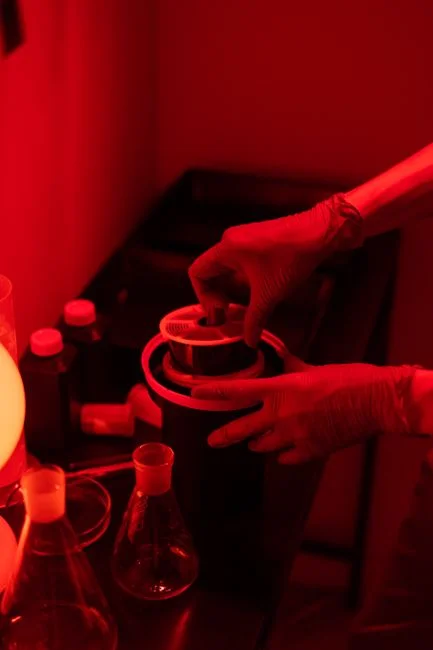
Biological treatment should follow characterization for biodegradable COD, toxicity, pH, nutrients, salinity, and oil and grease. The supplied research does not provide a universal COD-removal percentage for metal finishing wastewater, so neither biological loading nor guaranteed final COD can be selected from a generic catalogue value.
An MBR combines biological treatment with membrane separation, but its operating basis must reflect the treated wastewater. HydropureWater’s integrated MBR combines activated sludge treatment with submerged PVDF membrane filtration, provides filtration below 1 μm, and is stated to have a footprint 60% smaller than conventional systems. It is described for municipal sewage, industrial process water, and water reuse, with a capacity range of 10–2,000 m³/day (HydropureWater, 2026). The integrated MBR system for biological COD removal is therefore a candidate for a characterized, biologically compatible stream.
The MBR flat-sheet DF module uses 0.1 μm PVDF elements with integrated aeration. Its configurations span 80–225 m² and produce 32–135 m³/day (HydropureWater, 2026). These are equipment configuration values, not proof that any one module meets a plant’s permit or reuse specification.
Ultrafiltration can remove bacteria, colloids, and suspended solids without chemicals, but it does not replace biological degradation of soluble COD. HydropureWater’s UF system uses a 0.03 μm PVDF membrane and is stated at 2,000–40,000 L/h capacity (HydropureWater, 2026). It is better evaluated as polishing or pretreatment after the COD source has been addressed.
Industrial RO can produce ultrapure permeate at recovery rates up to 95%, according to HydropureWater (2026). Its justification depends on the required final water quality and the dissolved-salt burden remaining after COD treatment. Neither MBR, UF, nor RO should be assigned a fixed COD, total nitrogen, or total phosphorus outcome for this application without site-specific evidence.
| Technology | Primary role | Main constraint | Inputs required before selection |
|---|---|---|---|
| Biological treatment | Remove biodegradable soluble COD | Biodegradability, toxicity, nutrients, pH, salinity, and residual oil and grease | COD/BOD relationship, toxicity, nutrient profile, load variation, and biological pilot data where warranted |
| Integrated MBR | Combine biological treatment with membrane separation | Requires compatible wastewater and sustained membrane operation | Flow, organic load, solids, fouling tendency, aeration demand, and final reuse or discharge criteria |
| Ultrafiltration | Remove suspended solids, colloids, and bacteria | Does not establish soluble COD removal | Residual solids, colloid size, flux behavior, cleaning requirements, and pretreatment need |
| Reverse osmosis | Produce a high-purity permeate | Residual dissolved salts and feed-water quality constrain operation | TDS, scaling potential, recovery, pretreatment, concentrate disposal, and final-water specification |
For alternative membrane selection questions, see the engineering comparison of ultrafiltration and microfiltration. Selection should follow the required separation, not simply the finest available membrane.
Build a COD treatment train that can be operated and verified
A defensible sequence is equalization, DAF or other oil and solids removal where needed, pH adjustment, flocculation and clarification, biological COD removal where suitable, and advanced polishing when required by the discharge or reuse target. This sequence reflects the process roles described by Met-Chem and the equipment limits identified in the supplied research; it does not imply a universal performance outcome.
- Characterize and segregate: establish stream flows, COD fractions, oils, solids, metals, and production variability.
- Equalize: homogenize wastewater and maintain the required flow to treatment.
- Remove oil and solids: apply DAF and chemical conditioning where the stream data justify them.
- Adjust pH and remove metals: include chromium conversion or cyanide destruction where the actual process chemistry requires it, followed by flocculation and clarification.
- Remove biodegradable COD: use biological treatment only after compatibility testing.
- Polish and verify: apply membranes or other advanced treatment only against the final approved requirement.
- Handle sludge: thicken, dewater, and identify lawful cake and filtrate routes.
Monitor flow, pH, COD, suspended solids, and oil and grease at the locations needed to control each stage; one final COD reading is not an operating-control plan. Specify automatic controls, chemical storage, fail-safe or bypass arrangements, sludge transfer, washwater handling, and maintenance access during procurement.
Confirm performance through site-specific influent testing and a contractual acceptance protocol tied to the current permit or reuse specification. The US EPA is also conducting PFAS-discharge rulemaking for a subset of chrome finishing and electroplating facilities, including chrome plating, chromium anodizing, chromic acid etching, and chromate conversion coating operations (US EPA, Metal Finishing Effluent Guidelines). Review that obligation separately where applicable.
For equipment-layout questions, use a DAF versus clarifier comparison for metalworking wastewater alongside the site’s stream data.
Equipment selection and supplier RFQ checklist
Comparable proposals require a defined design basis. Each bidder should identify the complete treatment train, the process role of every unit, design flow, influent assumptions, target duty, sequence, and operating philosophy. Require the bidder to state which parameters are guaranteed, which require pilot validation, and how its acceptance test relates to the current permit or reuse specification.
Compare total installed scope, not unit prices: equalization, transfer pumping, DAF, chemical dosing, pH control, clarification, biological equipment, membranes, sludge thickening, dewatering, controls, utilities, commissioning, and operator training. A universal COD-removal percentage without an influent basis, test method, operating conditions, and receiving-water or reuse requirement is not comparable.
| RFQ item | Required bidder response | Buyer check |
|---|---|---|
| Design basis | Flow, stream loads, water quality, temperature, operating hours, and variability | Are the assumptions tied to representative site data? |
| Treatment sequence | Every unit, its process role, and the controlled connection between stages | Does the train address oil, solids, metals, and COD in the correct order? |
| Performance guarantee | Guaranteed parameters, test methods, test conditions, and correction mechanisms | Is the guarantee tied to the approved permit or reuse specification? |
| Installed scope | Equipment, tanks, piping, controls, utilities, sludge handling, commissioning, and training | Are exclusions and utility requirements explicit? |
| Commercial terms | Price basis, schedule, payment milestones, warranty, and support | Are alternatives and lifecycle costs separated from the initial quote? |
For smaller operations, request a conventional batch or continuous-flow option and an evaporation alternative where a treatment system is not economically justified, as Met-Chem identifies. Compare each option using the same wastewater characterization, residual-disposal route, utility requirements, and operator workload.
Frequently Asked Questions
What is the best COD treatment system for a metal finishing wastewater plant?
There is no defensible universal answer. A practical train normally begins with stream segregation and equalization, then uses DAF where oil, suspended solids, or colloids warrant it; follows with pH adjustment, flocculation, and clarification for metals; and adds biological treatment only after confirming biodegradability and compatibility. Membrane polishing is then selected against the approved discharge or reuse requirement. A buyer should request an influent-based process design rather than a system selected from a generic COD-removal percentage.
How much should a metal finishing wastewater treatment system cost?
The supplied research contains no site-specific or universal price for metal finishing wastewater COD removal. Request a quotation built from representative stream flows and loads, required effluent or reuse specification, treatment sequence, chemical consumption, utilities, sludge handling, controls, installation, commissioning, and long-term maintenance. Compare alternatives on the same scope and treatment basis; without those inputs, a headline equipment price is not a meaningful budget comparison.
Should DAF or a clarifier be installed before biological COD treatment?
Use DAF when source data show oil, suspended solids, or colloidal material that should be removed upstream of biological treatment. Use the clarification stage after pH adjustment and flocculation when metals must be precipitated and separated from the liquid. These units can have different roles, but site data determine whether both are required. Ask suppliers to demonstrate the flow, contaminant load, chemical demand, and downstream protection for the proposed sequence.
How do I size a treatment system for variable metal finishing flows?
Base sizing on representative peak flows, batch dumps, concentration variation, equalization behavior, and the operating mode of each unit. Include production schedules and cleaning campaigns in the design cases, then test any uncertain biological or membrane loading basis. The supplied research does not provide a universal sizing multiplier or sampling interval, so request the operating assumptions, hydraulic profile, equipment duty, controls response, and pilot-validation needs from each bidder.
What should I request from a wastewater equipment supplier before approving a proposal?
Request the treatment-train drawing, process role for each unit, design flow and load basis, influent assumptions, guarantees, test methods, utilities, chemical requirements, sludge route, controls narrative, utilities, commissioning plan, schedule, and exclusions. Require the acceptance protocol to reference the current permit or reuse specification. For chrome finishing facilities, also ask the supplier to identify any PFAS-related design assumption while the EPA rulemaking remains active, rather than presenting the permit review as complete.
Related Equipment
- DAF system for metal finishing wastewater pretreatment — specifications, capacity range, and technical data