Why Cartagena's Wastewater Context Changes the Design
Domestic sewage treatment in Cartagena requires a site-specific treatment train sized around wastewater flow, pollutant loading, discharge conditions and reuse goals. Packaged A/O systems can suit residential communities, hotels and small facilities, while MBR is relevant where compactness, membrane solids separation or higher-quality reuse is required. The design cannot separate treatment from Cartagena's coastal exposure: UNEP reports untreated domestic wastewater as the leading point source of marine contamination in the wider Caribbean. However, the available regional evidence is historical and contextual; current permits, sewer-entry conditions, receiving-water criteria and reuse targets still require site-specific verification.
UNEP records mass fish mortalities in Cartagena Bay and the Ciénaga de Tesca associated with untreated wastewater and fertilizer runoff. That finding supports conservative design and monitoring of coastal discharges, but it does not establish the present performance of a particular treatment plant. The domestic sewage treatment system comparison guide also demonstrates why local risks should be connected to equipment selection rather than treated as a separate environmental appendix.
| Evidence or requirement | Scope and date | Implication for a Cartagena project |
|---|---|---|
| Untreated domestic wastewater identified as the leading point source of marine contamination in the wider Caribbean | UNEP, Caribbean sewage and sanitation assessment | Treatment performance and discharge control must be specified as project deliverables. |
| Mass fish mortalities in Cartagena Bay and the Ciénaga de Tesca | UNEP attributes the historical events to untreated wastewater and fertilizer runoff | Assess the actual receiving environment and avoid relying on generalized dilution assumptions. |
| 472,653 m³/day of untreated sewage discharged into the sea | 2006 GIWA Regional Assessment 3b and 3c for Colombia, Venezuela, Central America and Mexico, as cited by UNEP | This is a regional historical assessment, not a Cartagena site flow or present discharge estimate. |
| Current discharge and reuse requirements | Must be confirmed with the relevant authority | Obtain the applicable permit, receiving-water criteria, sewer-entry conditions and project reuse specification. |
Build the Project Basis Before Choosing Equipment
A defensible equipment selection begins with a measured and documented project brief, not a generic per-person capacity rule. Request average and peak domestic wastewater flow, current and projected occupancy, collection arrangement, groundwater infiltration and stormwater entry conditions. These inputs determine hydraulic loading, equalization needs and whether the proposed treatment train can remain stable during peak periods.
The wastewater characterization should include BOD5, COD, total solids, turbidity and color. These are the parameters examined in the Cartagena study of natural mucilage from Stenocereus griseus, published by Ambiente e Agua as an interdisciplinary academic study. That work does not validate a coagulant for every project; it demonstrates that local wastewater characteristics and test work should shape the design basis.
| Design-basis item | Information the buyer must obtain | Why it changes equipment selection |
|---|---|---|
| Hydraulic load | Average and peak flow; occupancy development; collection and infiltration conditions | Defines process capacity, equalization and peak-handling strategy. |
| Wastewater quality | BOD5, COD, total solids, turbidity and color | Sets biological loading, solids separation and tertiary or reuse treatment requirements. |
| Waste origin | Confirmation that no industrial wastewater enters the same stream | UNEP notes that biological methods are suitable for sewage not contaminated with industrial waste. |
| Discharge and reuse | Outlet location, receiving-water conditions, irrigation, process or sanitation reuse criteria | Determines disinfection, solids removal, monitoring and equipment configuration. |
Do not convert regional statistics into a site design. UNEP's 2021 article states that approximately 60% of the Latin American population is connected to a sewerage system and only about 30–40% of collected wastewater in the region is treated. Those figures describe regional conditions; they neither establish Cartagena connectivity nor calculate a project's treatment capacity.
Where collection works are required, assess whether mechanical screening and associated discharge-control equipment are appropriate. The rotary mechanical bar screen and the treatment-plant valves and filter-media components should be specified around confirmed inlet conditions rather than added as generic package items.
Select a Treatment Train That Fits the Application
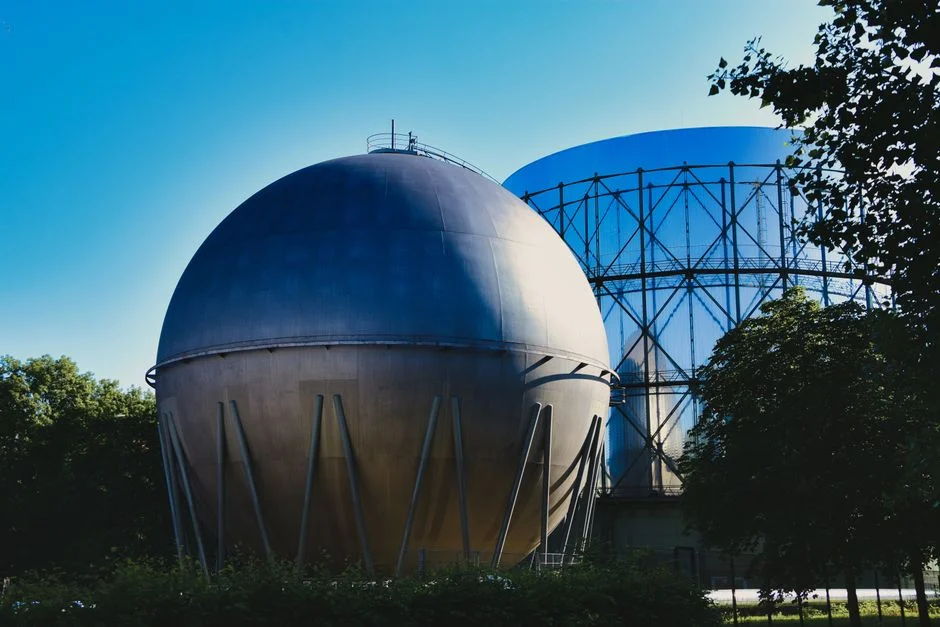
A complete treatment train separates five functions: screening and pretreatment control the material entering the process; biological treatment removes biodegradable pollutants; solids separation clarifies the treated liquid; disinfection addresses pathogens; and sludge handling manages the separated residuals. Comparing equipment without preserving these functions can hide major civil, operating and maintenance omissions.
For a packaged biological route, the integrated underground package sewage treatment plant combines anoxic/aerobic biological contact oxidation, sedimentation and disinfection in one buried package. The verified WSZ catalog states a capacity of 1–80 m³/h and identifies residential communities, hotels, hospitals, factories and rural applications. Those are catalog capabilities, not a guarantee that the WSZ unit is appropriate for a particular Cartagena load or reuse specification.
MBR should be compared as a distinct route rather than assumed to be a direct substitute for the package. The MBR membrane bioreactor wastewater treatment system combines activated sludge treatment with submerged PVDF membrane filtration. Its verified catalog specifies filtration below 1 μm and capacity from 10–2,000 m³/day. The separate flat-sheet module information specifies a 0.1 μm pore size, 80–225 m² configurations and 32–135 m³/day output; these are catalog configurations, not guaranteed project outputs.
| Selection question | Packaged A/O route | MBR route | Decentralized alternatives |
|---|---|---|---|
| What is the core configuration? | Anoxic/aerobic contact oxidation, sedimentation and disinfection in an integrated package | Activated sludge coupled with submerged membrane filtration | Constructed wetlands, including microbial-fuel-cell concepts, and vermifiltration |
| What are the verified catalog figures? | WSZ capacity: 1–80 m³/h | Integrated system: 10–2,000 m³/day; flat-sheet modules: 32–135 m³/day output and 80–225 m² configurations | No Cartagena performance figures were supplied in the research |
| Where does it fit best? | Evaluate for compact, integrated package arrangements with defined treatment and disinfection needs | Evaluate where membrane separation, compactness or a demanding reuse objective warrants added operating controls | Evaluate where decentralized or lower-complexity concepts are appropriate |
| Main procurement issue | Confirm hydraulic basis, civil interface, access and sludge removal | Confirm membrane scope, cleaning, replacement, controls, solids handling and residual disposal | Confirm local applicability, land, loading, maintenance and performance evidence |
Constructed wetlands with microbial fuel cells and vermifiltration are viable decentralized concepts in the cited research, but no Cartagena performance data were supplied. Their suitability must therefore be established through project-specific analysis rather than a catalog capacity comparison. A broader review of packaged A/O, MBR and decentralized sewage treatment options can support route selection, but local wastewater and site conditions remain controlling.
Design for Operation, Disinfection and Residuals
Reliable operation depends on assigning maintenance responsibility for every treatment stage. Screening protects downstream equipment; biological reactors require operating control and a defined start-up procedure; solids separation produces material that must be removed; disinfection requires dosing, contact and residual-management provisions; and sludge handling must prevent storage or handling problems. A supplier's statement that a unit is “fully automatic” does not remove the need to define these maintenance scopes.
UNEP's 2021 article identifies three reuse pathways for treated wastewater: replacing freshwater for irrigation, industrial processes or recreational purposes. It also identifies biosolids as a source of nutrients for fertilizer and energy generation. Those are resource opportunities, not automatic permissions. The receiving application and its applicable water-quality criteria must be defined before the treatment train is finalized.
For projects requiring compact membrane separation, compare the WSZ integrated package with an MBR arrangement on footprint, membrane controls, solids handling, disinfection, maintenance access and reuse requirements. They are not drop-in alternatives. Where chemical dosing is included, specify the automatic chemical dosing system around the confirmed treatment chemistry, storage and safety requirements rather than treating dosing as an optional accessory.
Natural coagulants require evidence from the actual wastewater. The Cartagena study of S. griseus mucilage determined its optimal dose through pitcher testing with an E&Q F6-300 digital flocculator. That method establishes the need for local testing; it does not establish a dose for another project. Any chemical or alternative coagulant decision should include a mass balance, effects on sludge, dosing controls and confirmation against the final effluent requirement.
Sludge handling also needs a defined route. Where mechanical dewatering is justified, compare the plate-frame filter press with the selected solids-handling method, available labor, cake transport, cleaning and maintenance arrangements. If disinfection is required, the chlorine dioxide generator should be evaluated through its safety, control and feed requirements against the agreed treatment objective.
Compare Commercial Packages Before Purchasing
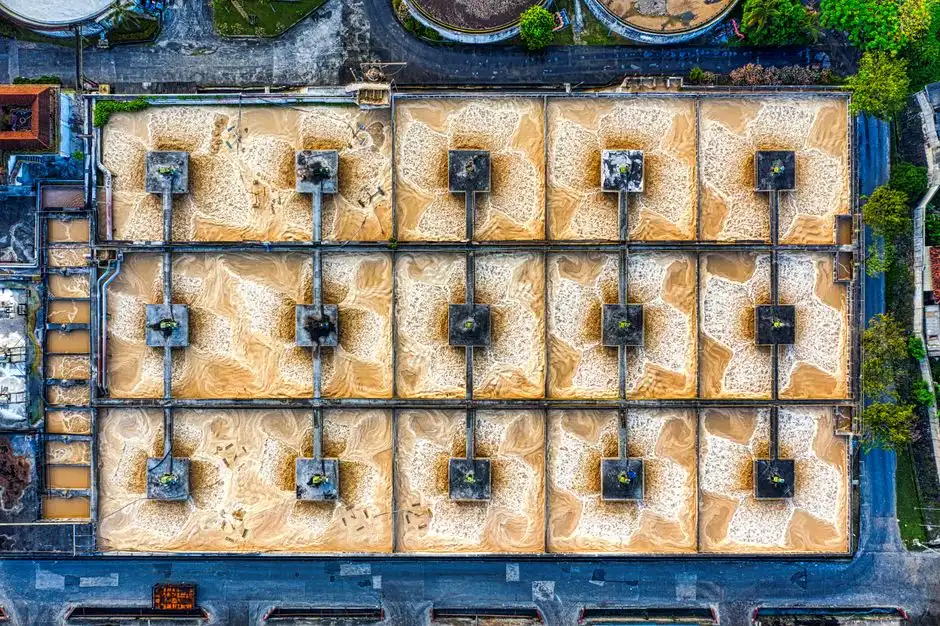
Commercial quotations become comparable only when suppliers quote the same flow basis, wastewater characteristics and acceptance criteria. Request guaranteed average and peak flow, process-stage capacities, duty/standby arrangements, footprint, burial depth, power demand, control philosophy, installation scope and commissioning tests. Require each bidder to state which equipment is included, which civil works are excluded, how sludge leaves the site and what consumables the operator must maintain.
| Information to request | Reason for comparison | Acceptable evidence |
|---|---|---|
| Guaranteed flow basis and peak treatment | Prevents incompatible average-flow quotations | Stated average flow, peak-flow basis and applicable project wastewater conditions |
| Process-stage capacities and included equipment | Exposes omissions in biological, separation, disinfection and solids scopes | Equipment schedule, process schematic and exclusions list |
| Performance test | Links results to the actual discharge or reuse target | Defined test method, sampling points, operating period and acceptance criteria |
| Installation and commissioning | Separates equipment supply from civil and start-up responsibilities | Supply and installation responsibility matrix, commissioning plan and training scope |
| Operating support | Identifies ongoing consumables, controls and maintenance exposure | Consumables list, control description, spare-parts schedule, warranty and local support commitment |
| Price | Provides a project-specific commercial comparison | Itemized quotation tied to the completed design brief |
Evaluate the WSZ range of 1–80 m³/h and the MBR range of 10–2,000 m³/day against the same project inputs: average flow, peak factor, reuse target, land availability and maintenance access. These catalog ranges are selection inputs, not comparable guarantees. Supplier evidence must match the actual wastewater and target; a general removal percentage without a defined test basis is insufficient.
Also price operator training, remote controls, remote support, spare-parts availability, warranty scope and local commissioning support. The supplied research contains no Cartagena cost data, so no defensible price range can be stated. Request a site-specific quotation based on completed design inputs, including civil interfaces and excluded works. A packaged sewage treatment plant buyer’s guide provides useful commercial structure, but its example must not replace Cartagena-specific requirements.
Plan Implementation, Verification and Reuse
Site verification should precede equipment order. Confirm the sewer survey, inlet works, available power, maintenance access, flood and groundwater conditions, and the final effluent sampling locations. These checks can change foundations, burial depth, pumping arrangements, controls and the commissioning protocol.
- Confirm the design brief, flow basis, wastewater characterization, outlet and reuse criteria.
- Verify the supplier's process schematic, equipment schedule and civil interface.
- Complete a factory inspection against the agreed manufacturing and inspection plan.
- Construct and inspect inlet, outlet, containment, electrical and access works.
- Install the equipment and complete pre-commissioning checks.
- Perform wet commissioning and biological start-up under the supplier's agreed procedure.
- Test performance using the agreed sampling points, methods and operating period.
- Train operators, transfer records and establish the monitoring and maintenance program.
Each acceptance criterion should refer to an agreed project requirement rather than a generic statement that the installation is compliant. Where reuse is proposed, define the receiving application and its acceptance criteria before finalizing the treatment train; the flat-sheet membrane bioreactor module should be evaluated only within the complete MBR system and its operating requirements.
From the first operating period, monitor flow, process conditions, effluent quality, sludge generation and equipment status. These records establish whether the selected package matches the design brief, support maintenance planning and provide the evidence needed for current permit and reuse verification.
Frequently Asked Questions
How should a domestic sewage treatment system be sized in Cartagena?
Size it from verified project inputs: average and peak domestic wastewater flow, current and future occupancy, collection configuration, infiltration and stormwater entry, wastewater characteristics, discharge conditions and reuse objectives. Do not apply an unsupported flow-per-person rule or use the 472,653 m³/day historical regional figure as a design flow. Obtain these inputs and have the supplier demonstrate how each treatment stage handles the stated basis.
When is packaged A/O treatment more appropriate than MBR?
Evaluate packaged A/O when an integrated biological, sedimentation and disinfection arrangement fits the project footprint, hydraulic basis and operating resources. Evaluate MBR when membrane solids separation, compactness or a demanding reuse objective justifies added controls, membrane maintenance and solids handling. The WSZ catalog capacity is 1–80 m³/h, while the integrated MBR catalog range is 10–2,000 m³/day; these are catalog ranges, not project guarantees.
What should a buyer obtain before comparing supplier quotations?
Require each supplier to quote the same average and peak flow, wastewater characteristics, outlet or reuse target, included equipment, civil exclusions, power demand, controls, sludge route, commissioning tests, training, warranty and support. Ask for a site-specific itemized price because the research contains no Cartagena cost data. A general performance claim without a defined test basis should not be accepted.
How should Cartagena wastewater studies influence treatment selection?
Use local studies to identify parameters that require testing and treatment functions that may need strengthening, not as automatic acceptance criteria for a technology. The Cartagena mucilage study examined BOD5, COD, total solids, turbidity and color and used pitcher testing to determine its experimental dose. It supports a local, parameter-based approach, while historical fish-mortality findings do not establish current site conditions or permit limits.
Related Equipment
- MBR membrane bioreactor wastewater treatment system — specifications, capacity range, and technical data