Which Grand Prairie facilities need industrial pretreatment?
Plastics and rubber plants near Grand Prairie generally meet sewer pretreatment limits by treating wastewater on site before discharge to a publicly owned treatment works, then verifying compliance with the plant’s permit and applicable local limits. EPA’s Plastics Molding and Forming regulation at 40 CFR Part 463 covers specified molding, forming, coating, cleaning and finishing operations; indirect dischargers are also subject to the General Pretreatment Regulation at 40 CFR Part 403. The right train typically begins with source control and equalization, followed by solids, FOG and oil-and-grease removal, pH adjustment, biological treatment where needed, and documented monitoring. Exact discharge limits must come from the Grand Prairie control authority and the plant’s permit, not from a general industry guide.
The first regulatory distinction is the discharge destination. A direct discharger sends pollutants to waters of the United States and operates under an NPDES permit containing applicable effluent limitations. An indirect discharger sends wastewater to a POTW sewer. EPA identifies indirect dischargers as subject to the General Pretreatment Regulation at 40 CFR Part 403; the Grand Prairie control authority administers the local requirements that determine whether and how the facility may discharge.
Map the plant’s actual production activities rather than relying on the facility description alone. EPA’s PM&F sector page lists extrusion, molding, coating and laminating, thermoforming, calendering, casting, foaming, cleaning and finishing. Process water may cool or heat products, clean product surfaces and equipment, or support finishing. Non-contact cooling water is outside the PM&F regulation, although the control authority may address it in an individual permit. EPA also notes that plastic coating can fall within PM&F rather than electroplating or metal-finishing rules.
Rubber products require separate review. EPA’s NAICS 326 sector page includes establishments processing plastics and raw rubber, but a NAICS code is a screening guide rather than the legal applicability test. Confirm the process definitions and applicable categorical standard with the control authority. The city’s industrial facilities guidance is the appropriate starting point for local contacts, while the industrial pretreatment compliance steps provide broader context.
Watch resin-production exceptions. EPA states that crude-intermediate resin processes whose material is shipped off-site are regulated under OCPSF at 40 CFR Part 414, while specified on-site molding and forming that continues into intermediate or final products remains under PM&F. Compare DAF and clarifiers for plastics and rubber wastewater only after the facility’s regulatory category and stream composition are established.
The compliance path from process review to sewer authorization
Regulatory classification, wastewater characterization and treatment design must be completed as one workflow because a permit condition cannot be translated reliably into equipment duties without knowing what the process actually discharges.
- Prepare a process-water map covering molding or forming, coating, cleaning, finishing, cooling, chemical storage and sanitary flows. Mark each discharge point and distinguish process wastewater from non-contact cooling water.
- Request the industrial user permit or sewer-use authorization, applicable categorical standards, local pretreatment limits, monitoring requirements, discharge point and rescreening triggers from the Grand Prairie control authority.
- Develop a representative sampling plan for each stream and operating condition. Analyze the results before fixing equalization, physical, chemical or biological objectives.
- Pilot the proposed train under representative operating conditions. Confirm that each unit receives the design flow and pollutant load and revise the train before installation.
- Install metering, sampling points and monitoring provisions before discharge. Retain chain-of-custody records, calibration records, laboratory results, operating logs and corrective-action evidence.
The nearby industrial wastewater pretreatment workflow provides a useful project sequence, but the applicable permit and limits must come from the local authority. A commercial explanation of 40 CFR Part 403 states that local limits may apply to industrial users and that the control authority applies the most stringent requirements when multiple provisions apply; that interpretation is consistent with the federal framework, but the Grand Prairie permit remains controlling.
| Stage | Required information | Decision released |
|---|---|---|
| Regulatory review | Process descriptions, destination sewer, categorical applicability, permit and local limits | Confirmed regulatory basis and compliance targets |
| Wastewater characterization | Representative samples, stream-by-stream flows, pollutant analyses and operating records | Design flow, pollutant loads and variability |
| Source control | Cleaning practices, chemical use, batch dumps and recoverable-material streams | Streams to segregate or remove before treatment |
| Treatment selection | Physical, chemical and biological objectives derived from characterization and permit conditions | Unit sequence, equipment duty and controls scope |
| Pilot and commissioning | Representative trials, installation checks, performance criteria and operator training | Verified treatment performance |
| Authorization and monitoring | Sampling point, frequency, method, reporting responsibility and record requirements | Operational authorization and compliance audit trail |
How wastewater characteristics drive the treatment train

Physical contaminants and organic load determine whether upstream treatment is sufficient, while permit limits determine the performance each stage must achieve.
Begin with source control. Prevent concentrated cleaning solutions, coating materials, formulation residues and batch dumps from entering a common wastewater stream. Segregation can prevent a physical or biological unit from receiving a short-duration load that was never included in its design basis. For streams that remain, obtain measured flow and representative data rather than selecting equipment from appearance alone.
For suspended solids, FOG, oil and grease and colloidal material, evaluate DAF as an upstream physical-treatment stage. Commercial pretreatment guidance describes these constituents as pollutants capable of threatening sewer collection and treatment systems. An industrial DAF system for plastics and rubber wastewater should therefore be evaluated for the combined removal duty, floatables handling and variable operating conditions—not selected solely because the wastewater contains visible solids.
Clarification is more relevant where the main physical objective is gravity settling of settleable solids and representative data supports that mechanism. For either technology, compare floor area, auxiliary power, chemical use, recovered-solids handling, odor control, maintenance access and performance under variable flow. No plant-specific removal efficiency or equipment capacity should be inferred from general product literature.
Use equalization where batch releases or flow variation could upset downstream biological treatment or chemical dosing. Add pH adjustment or chemical dosing only after defining the chemical objective and applicable limitation. A PLC-controlled chemical dosing system should be sized from measured demand and operating variability, not an assumed contaminant load.
| Observed condition | Primary treatment question | Potential train element | Design evidence required |
|---|---|---|---|
| Concentrated cleaning, coating or formulation waste | Can the stream be prevented or recovered at source? | Segregation, collection or source-reduction controls | Stream inventory, batch volumes and chemical compatibility |
| Suspended solids with floatable FOG or oil and grease | Can one upstream stage capture multiple physical contaminants? | DAF followed by required downstream treatment | Representative flow, TSS, FOG, oil-and-grease and solids-handling data |
| Predominantly settleable solids | Does representative settling behavior support gravity separation? | Clarification followed by required downstream treatment | Settling tests, flow and loading variability |
| Batch dumps or variable flow | Will equalization protect the next treatment stage? | Equalization before physical or biological treatment | Measured and peak flow, operating schedule and batch-release data |
| COD or BOD presents the controlling organic-load issue | Is biological treatment required after physical pretreatment? | MBR or another biological stage | Influent COD/BOD, permit targets, biodegradability and performance testing |
| pH outside the applicable limit | What chemical demand and control response are required? | pH adjustment with monitored dosing | pH range, alkalinity, chemical data and control requirements |
DAF or clarification: which physical treatment step fits?
DAF is the stronger initial candidate when floatable FOG, oil and grease, suspended solids or colloidal material must be captured upstream, while clarification is the more relevant choice when the physical objective is gravity settling of settleable solids.
Neither technology guarantees sewer compliance. The permit determines the required outcome, and representative wastewater determines whether the selected mechanism can deliver it. A plastics-and-rubber comparison should therefore begin with the physical contaminants and operating variability—not with a generic equipment capacity claim.
| Selection criterion | DAF | Clarification |
|---|---|---|
| Primary physical objective | Capture floatable material and suspended or colloidal solids together | Remove solids that settle under gravity |
| Wastewater fit | Strong candidate where FOG, oil and grease or floatables are significant concerns | Strong candidate where settling behavior and solids loading support separation |
| Inputs to verify | Representative flow, TSS, FOG, oil-and-grease, particle characteristics and flow variability | Representative flow, TSS, settleability, solids loading and discharge characteristics |
| Operational tradeoffs | Evaluate recycle, air supply, floatables removal, recovered solids and odor control | Evaluate settling area, sludge withdrawal, floor-area demand and carryover |
| Shared procurement checks | Footprint, utilities, controls, materials of construction, maintenance access, upset response, commissioning criteria and downstream biological compatibility | |
HydropureWater’s DAF catalog states a capacity range of 4–300 m³/h across 13 standard models, with automatic skimming and micro-bubble technology. These are catalog specifications, not guaranteed performance for a Grand Prairie stream; model selection still requires the permit, measured wastewater and supplier process calculations. A sedimentation tank should be selected against measured settling behavior and load rather than floor space alone.
Where biological treatment is required after physical pretreatment, evaluate an MBR or another biological stage against COD/BOD targets, footprint and sludge-management obligations. An integrated MBR treatment system cannot be justified by generic “biodegradable” labels; performance must be demonstrated with representative wastewater and an enforceable acceptance protocol.
How to verify compliance before every sewer discharge
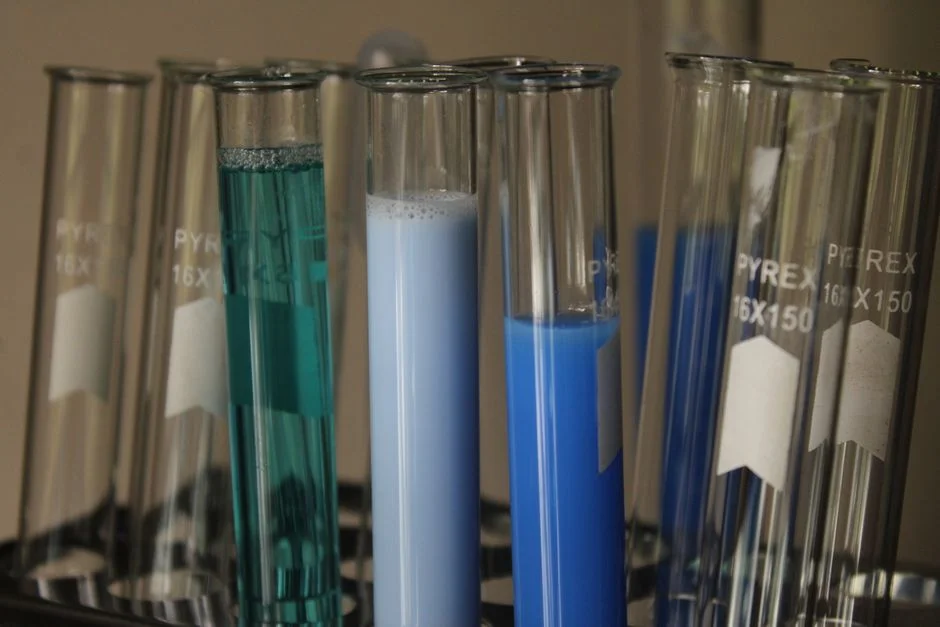
A compliant sample result proves only what was measured at the permitted sampling point; defensible compliance also requires evidence that the treatment system operated as designed.
Confirm the sampling point, frequency, sample type, preservation, analysis method and reporting responsibility in the permit. Do not assume one protocol applies to every parameter. Trend flow, pH and regulated pollutant indicators between routine samples to identify dilution, intermittent dumps, process upsets or declining physical-treatment performance.
Use automatic controls for critical functions such as chemical feed, recycle and skimming. Establish alarm, shutdown and bypass-response procedures so loss of treatment capacity does not produce an uncontrolled discharge. A mechanical bar screen can protect downstream equipment where relevant, but it does not replace solids removal, metering or permit compliance controls.
Retain analytical results, calibration and maintenance records, batch-production logs, flow data, deviations and corrective actions as the compliance audit trail. The 2026 monitoring and analytics guide provides broader context for turning operating data into evidence of process control.
Reforecast performance after a product-mix change, production increase, new chemical, altered cleaning frequency or revised operating schedule. Any change that affects flow, pollutant load, chemical compatibility or settled-solids behavior can invalidate prior assumptions. Document whether the change is covered by the existing authorization or requires rescreening with the Grand Prairie control authority.
What to request from an equipment supplier before purchasing?
A compliant equipment proposal must translate site-specific wastewater, permit conditions and operating constraints into a calculable treatment design.
Provide bidders with the wastewater characterization, measured and peak flow, operating schedule, available footprint, utilities, discharge authorization, local pretreatment limits and future production plans. Missing flow or analysis data should be identified as an open condition rather than replaced by a generic sizing assumption.
Require each bidder to provide a guaranteed duty point, process calculation, materials of construction, controls scope, installation requirements, commissioning protocol, spare parts and performance-test criteria. State how the proposed equipment handles upset conditions, chemical compatibility, recovered solids or floating material, odors and downstream biological-treatment requirements.
Compare total installed cost and operating burden rather than equipment price alone. Any savings analysis must use supplier quotations together with site-specific energy, chemical, labor and sludge-disposal inputs. The 2026 DAF-versus-clarifier selection guide illustrates the kind of technical comparison bidders should provide, although only the plastics-and-rubber project data should determine this purchase.
Frequently Asked Questions
What pretreatment limits apply to a plastics or rubber plant near Grand Prairie?
The applicable limits come from the plant’s Grand Prairie industrial user permit or sewer authorization, applicable categorical standards and local pretreatment limits. EPA’s industrial pretreatment compliance steps explain the general framework, but the control authority must identify the enforceable parameters and monitoring requirements for the facility.
Is DAF always required for plastics and rubber wastewater?
No. DAF is a strong candidate where floatable FOG, oil and grease, suspended solids or colloidal material require upstream capture. Clarification may be more suitable for settleable solids. The choice should follow representative wastewater analysis, flow data and the physical objective—not visual appearance alone.
How should an equipment supplier be selected for a sewer pretreatment project?
Request a process calculation, guaranteed duty point, equipment and controls scope, materials compatibility, commissioning protocol and performance-test criteria. Require an upset-response plan and clear treatment of recovered solids, odors and downstream biological needs. Verify the proposal against the permit, measured wastewater and site utilities.
What determines whether biological treatment or only physical pretreatment is needed?
The permit targets and measured COD, BOD, biodegradability and flow variability determine whether physical treatment alone is sufficient. If a biological stage is required, verify performance with representative wastewater. An integrated MBR treatment system should be selected only after the required organic-load removal and downstream sludge-management approach are defined.
How much does a local pretreatment system cost?
No defensible price can be stated without site-specific quotations. A buyer should request equipment cost, installation, utilities, chemical consumption, labor, sludge or recovered-solids handling, commissioning and long-term maintenance. For dosing equipment, obtain a quote for the required PLC-controlled chemical dosing system, including chemical demand and controls scope.