What System Does a Melbourne Hotel or Resort Need?
A Melbourne hotel or resort usually needs either a packaged sewage treatment plant or an MBR system, with DAF added when kitchen, laundry or other wastewater streams contain significant fats, oils and grease. Select from verified peak and daily flows, wastewater characteristics, available footprint, sewer limits, reuse objectives and automation requirements—not guest numbers alone. WSZ systems cover 1–80 m³/h, while MBR options cover 10–2,000 m³/day and offer near-reuse-quality effluent with filtration below 1 μm. Final selection requires site sampling, hydraulic design and confirmation of the applicable discharge or reuse pathway.
No treatment technology is mandatory for every Melbourne hospitality property. A compact, below-grade biological package may suit domestic-style flows where sewer discharge is the objective. An MBR membrane bioreactor system becomes the stronger candidate when higher-quality effluent, water reuse or a smaller treatment footprint is required. Where FOG, oil and grease, suspended solids or colloidal matter are material, a DAF system for FOG and suspended-solids removal may be necessary as pretreatment rather than as the biological treatment stage.
The WSZ underground package sewage treatment plant covers 1–80 m³/h in the supplied product information. The supplied MBR range is 10–2,000 m³/day, with sub-1 μm filtration and a 60% footprint reduction compared with conventional systems. The supplied DAF range is 4–300 m³/h across 13 standard models. These are supplier product ranges, not site design capacities.
Melbourne’s policy context supports scrutiny of water management without prescribing one treatment system. 1 Hotel Melbourne, accessed in 2026, cites a $40 million city investment in water reuse and management and a stated waste-avoidance policy targeting zero waste to landfill by 2030. Those figures provide context, not a site-specific discharge standard.
Map the Wastewater Before Choosing Equipment
A hotel wastewater profile must be built from contributing streams and measured operating conditions, because occupancy alone does not define hydraulic or treatment loads.
| Wastewater source | Information to establish before design | Potential design implication |
|---|---|---|
| Guestrooms, staff areas and public toilets | Continuous domestic sewage, daily flow and occupancy pattern | Sets the biological treatment and storage basis |
| Restaurants, bars and kitchens | FOG, suspended solids, food-waste controls and cleaning practices | May justify grease interception, source controls or DAF pretreatment |
| Laundry | Cycle frequency, flow, FOG and chemical products | Can add peak demand and pollutant loading |
| Pools and spas | Backwash volume, disinfectant demand and discharge route | May require flow balancing and separate review of water chemistry |
| Plant rooms, cleaning and permitted commercial processes | Discharge points, chemical constituents and flow timing | May change pretreatment, controls or approval requirements |
Request representative wastewater sampling rather than inferring pollutant loads from the hotel category. Analysis should address FOG, suspended solids and colloidal matter, with additional parameters selected for the proposed discharge or reuse pathway. If kitchen loading is material, establish whether grease interception, commercial food-waste controls or separate collection can reduce the load before it reaches treatment.
Events can materially change the hydraulic profile. The 1 Hotel Melbourne website, accessed in 2026, states that its Seafarers event space accommodates up to 900 guests. The Waterside Hotel advertises a full bar and group-event functions. Neither figure establishes a wastewater flow rate, but both justify checking whether banquets, conferences and meal periods produce short wastewater peaks. Where rags, plastics or fibrous debris are present, a rotary mechanical bar screen can protect downstream pumps, valves and biological processes. Screening should follow the waste audit rather than be added as an unverified assumption.
Package A/O, MBR or DAF: Compare the Treatment Train
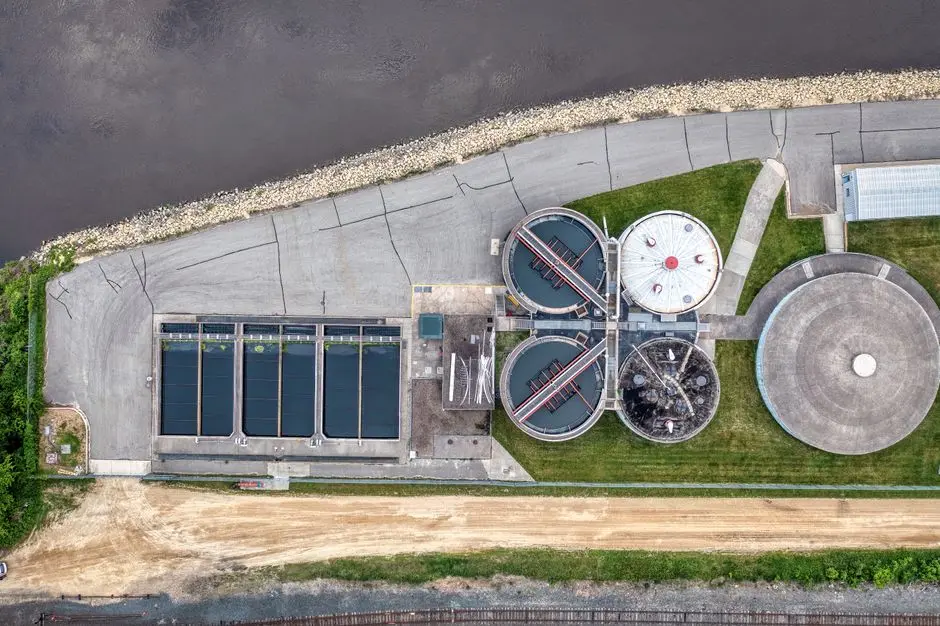
WSZ, MBR and DAF perform different functions in the treatment train, so the appropriate comparison is process capability against the hotel’s wastewater and destination requirements.
| Technology | Supplied process configuration | Supplied capacity | Best-supported selection position |
|---|---|---|---|
| WSZ packaged A/O | Integrated anoxic/aerobic biological contact oxidation, sedimentation and disinfection; below-grade installation; no operator required according to the supplied product information | 1–80 m³/h | Compact biological treatment for domestic-style flows where the design objective is compliant discharge |
| MBR | Activated-sludge treatment integrated with submerged PVDF membrane filtration | 10–2,000 m³/day | Higher-quality effluent, reuse-sensitive applications or constrained footprint |
| DAF | Micro-bubble flotation and automatic skimming | 4–300 m³/h across 13 standard models | Front-end removal of suspended solids, FOG, oil and grease and colloidal matter |
WSZ is a complete biological treatment configuration, while MBR combines biological treatment with membrane solids separation. The supplied MBR information describes near-reuse-quality effluent below 1 μm and a 60% smaller footprint than conventional systems; those are product claims to be verified against the project design basis and acceptance criteria.
DAF is not automatically a substitute for biological sewage treatment. Its role is strongest when the wastewater profile shows a grease- or solids-driven front end that would otherwise overload downstream biological processes. A project-specific process design must establish the sequence, loading, separation performance and residual solids handling.
For a more focused equipment comparison, the detailed MBR comparison provides a useful adjacent reference, while the Copenhagen hotel wastewater comparison demonstrates the same engineering logic in another regulatory context. Melbourne approval pathways must still be confirmed locally.
Screen before treatment where debris is credible, then specify biological treatment, solids separation, disinfection and residual sludge handling as one train. Do not compare catalogue capacities as though they were hydraulic designs.
Size the System from Peak Demand, Not Guest Count
Seven days of measured flow data are a more defensible starting point than guest count because hotels generate wastewater through occupancy, meals, laundry, events, cleaning and backwashing at different times.
- Obtain seven-day flow data covering daily flow, peak-hour flow and peak-day flow.
- Record seasonal occupancy, events, meal periods, laundry cycles and backwashing.
- Identify peak wastewater-generating events and whether the proposed plant can operate across that profile.
- Compare the result with the selected system’s supplied capacity range as an initial screening check only.
- Complete a project-specific hydraulic assessment, including equalisation and storage requirements.
Ask each supplier to identify the design flow, peak factor and operating envelope behind its proposal. Where treatment capacity does not match the hotel’s peak profile, consider flow equalisation, storage, automatic controls or staged capacity. An automatic chemical dosing system may form part of the control strategy, but its need and scope depend on the treatment process and residual-disinfection requirements.
Representative samples should support analysis for chlorine demand, suspended solids, FOG and pH, together with parameters required for the intended reuse application. Capacity selection and effluent quality cannot be separated: a system may meet flow capacity while failing when exposed to an unrepresentative FOG or solids load.
Choose Between Sewer Discharge and Water Reuse
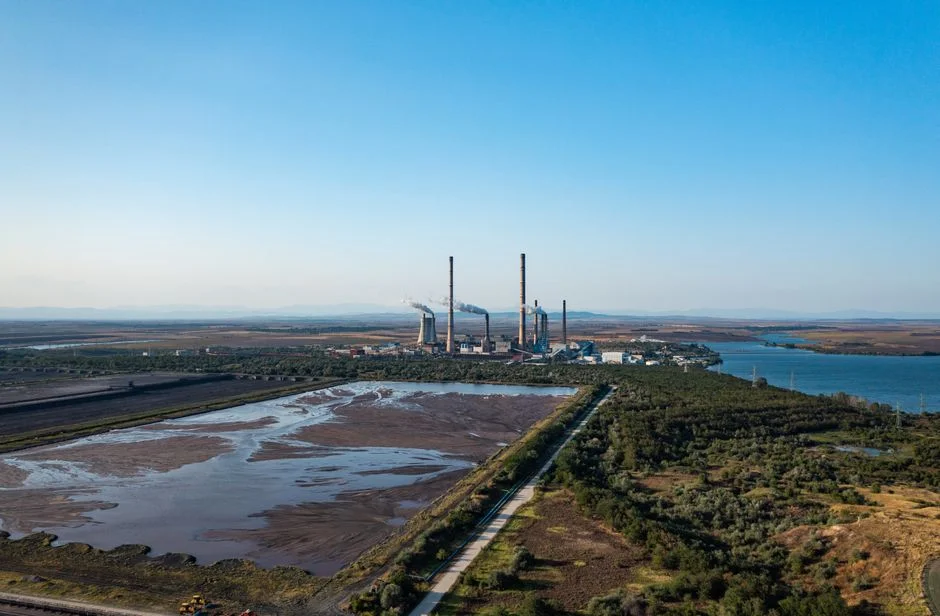
The treatment objective should be fixed before equipment selection: sewer discharge, defined reuse or a staged strategy combining both.
Start with the intended destination and confirm the relevant sewer authority or reuse requirements during project scoping. A compliant sewer-discharge design may prioritise biological treatment, solids separation and disinfection within the receiving sewer’s requirements. A reuse project must additionally define the application, required water quality, intended reuse volume, reliability expectation and approval pathway.
MBR is the stronger candidate to investigate for reuse-sensitive applications because the supplied information describes sub-1 μm filtration and near-reuse-quality effluent. That wording does not establish suitability for a particular reuse application; project-specific analysis and validation remain necessary.
Evaluate the complete train rather than the membrane alone. It should address screening, flow management, biological treatment, solids separation, disinfection, sludge handling and controls. Where residual solids require further dewatering, a plate-and-frame filter press may be considered, subject to waste characteristics and handling arrangements. If disinfection method selection remains open, a UV water-treatment system can be evaluated against the validated treatment objective and site constraints.
Sustainability is an established hospitality concern, but it does not create a universal treatment specification. The International Journal of Contemporary Hospitality Management paper Analysis of hotels’ environmentally sustainable policies and practices examined environmental policies and practices in 220 Melbourne hotels using secondary data and website content analysis. It supports the strategic importance of sustainability without identifying a required wastewater process for any particular property.
Plan Installation, Approval and Operations for an Operating Hotel
A site-ready proposal must protect hotel operations while resolving access, utilities, approval and commissioning requirements.
Prepare a site plan showing available footprint, maintenance access, vehicle routes, utilities, stormwater separation and the location of any below-grade WSZ installation. Confirm odour, noise, visual impact and landscaping expectations with hotel management and relevant authorities before the process train is frozen. Construction staging, guest access and operating continuity should be included in the implementation method.
Specify instrumentation, alarms, power requirements, remote monitoring, automatic controls and operator handover as explicit supplier deliverables. A supplier-provided range of treatment parts, valves and filter media should be listed with quantities, compatibility, replacement intervals and supply responsibilities; a generic component list is not enough.
Request a commissioning plan covering start-up, performance verification, training, preventive maintenance, fault response and spare-parts support. Acceptance criteria should connect directly to the agreed design flow, wastewater parameters, effluent objective and operating conditions.
Melbourne’s policy direction is relevant to stakeholder expectations but cannot replace project approvals. The 1 Hotel Melbourne website, accessed in 2026, cites the city’s $40 million investment in water reuse and management. That is policy context—not evidence that a particular hotel must meet a particular reuse volume or discharge standard.
Questions to Ask Before Approving a Supplier Proposal
A defensible bid should state the design basis, capacity calculation, scope boundary, performance commitments and verification method in writing.
- What measured flow, peak factor, wastewater parameters, treatment objective, reuse target and approval pathway underpin the design?
- Which pretreatment, biological treatment, solids separation, disinfection, sludge handling, controls, commissioning and operator-training items are included, and which are excluded?
- How is the quoted capacity supported by hydraulic calculations, and does the selected equipment match the characterised wastewater?
- Who performs verification testing, what acceptance criteria apply, and how are performance failures addressed?
- What operating requirements, maintenance tasks, consumables and support commitments underpin the lifecycle comparison?
Require all bidders to answer the same questions against the same site data. Otherwise, a low capital-price proposal may omit civil works, pretreatment, controls, sludge disposal, commissioning or operator training. Compare submitted operating requirements rather than relying on generic lifecycle claims.
Check whether each proposal identifies who owns design responsibility, who obtains approval, what utilities and civil interfaces are required, and how guarantees survive changes in influent quality. These are contractual and engineering gaps that product capacity ranges cannot resolve.
Frequently Asked Questions
What is the cheapest practical wastewater treatment system for a small Melbourne hotel?
WSZ may be the practical candidate where domestic-style flows, a below-grade installation and compliant sewer discharge are the objectives. Obtain comparable quotations covering the treatment package, civil works, pretreatment, controls, disinfection, sludge handling, commissioning, operator training and maintenance. Without a site-specific quotation and flow basis, it is not possible to state which option will cost least.
Should a Melbourne resort choose WSZ or MBR?
Choose WSZ when an integrated biological treatment, sedimentation and disinfection package is adequate and discharge is the principal objective. Investigate MBR when high-quality
Frequently Asked Questions
What is the cheapest practical wastewater treatment system for a small Melbourne hotel?
For small-scale hotel operations with limited site footprints, an Aerated Wastewater Treatment System (AWTS) utilizing secondary treatment processes is generally the most cost-effective solution. These systems typically operate at a lower capital expenditure (CAPEX) than advanced membrane technologies and are designed to meet EPA Victoria Class C reclaimed water standards for subsurface irrigation.
While the initial cost is lower, operational expenses must account for quarterly maintenance, desludging every 3 to 5 years, and ongoing electricity consumption for aeration blowers. For sites without sewer access, these systems provide a compliant pathway for onsite management provided the site has sufficient land capability for nutrient absorption.
Should a Melbourne resort choose a WSZ package or an MBR system?
A Water Treatment Zone (WSZ) package is often sufficient for resorts with ample land for irrigation, as it focuses on biological nutrient removal through conventional settling and aerobic digestion. However, if the resort intends to reuse water for high-exposure applications like toilet flushing or laundry, a Membrane Bioreactor (MBR) system is superior.
MBR systems provide a physical barrier (typically 0.04-micron pore size) that consistently achieves Class A recycled water quality. While MBR systems require higher energy inputs for membrane scouring and more frequent chemical cleaning to prevent fouling, they are the preferred choice for resorts aiming to minimize potable water consumption in alignment with Victorian water sustainability targets.
How much wastewater treatment capacity does a hotel with 200 rooms need in Melbourne?
In Melbourne, hotel wastewater generation is typically calculated based on an average flow of 150 to 200 liters per occupied room per day. For a 200-room hotel operating at high occupancy, the system should be designed to handle a peak daily flow of approximately 30,000 to 40,000 liters (30–40 m³/day).
Engineers must also incorporate a peaking factor to account for simultaneous shower and laundry usage, often requiring a buffer or balancing tank capacity equivalent to 1.5 times the average daily flow. Final sizing must be verified against the specific site’s hydraulic load assessment and the requirements of the local water authority or council.
Can hotel wastewater be treated for reuse in Melbourne?
Yes, hotel wastewater can be treated for reuse, provided the effluent meets the standards set by the EPA Victoria for the intended end-use. Class A recycled water, which requires advanced filtration and disinfection (UV or chlorination), is suitable for toilet flushing, cooling tower make-up water, and surface irrigation.
To achieve this, the treatment train must include tertiary filtration and robust pathogen reduction. It is essential to conduct a Health and Environmental Risk Assessment (HERA) and obtain the necessary approvals from the local council and the Department of Health before implementing a dual-reticulation system for non-potable reuse.
How do I compare wastewater treatment system suppliers and quotations?
When comparing quotations, prioritize the Total Cost of Ownership (TCO) over the initial purchase price, specifically analyzing energy consumption (kWh/m³ treated), chemical dosing requirements, and sludge disposal frequency. Ensure all quotes provide a detailed breakdown of the influent and effluent water quality parameters, including expected BOD, TSS, and Total Nitrogen (TN) concentrations.
Furthermore, verify that the supplier provides a comprehensive performance guarantee linked to Victorian regulatory standards. Request a list of comparable local installations, confirm the availability of 24/7 technical support, and ensure that the spare parts inventory for critical components—such as membranes or blowers—is readily accessible within the Australian market to avoid extended system downtime.