
Quick Verdict: MBR or CAS for Thomaston Mining Wastewater?
MBR outperforms conventional activated sludge (CAS) on effluent consistency for heavy metals and TSS due to its <1 μm membrane barrier, which is critical for meeting Georgia EPD NPDES limits on metals like copper, lead, and zinc. MBR’s 60% smaller footprint suits constrained industrial sites near Thomaston. However, CAS has lower capital cost and simpler operations if space allows and metals loads are moderate with reliable clarification. Choose MBR when permit limits are tight, reuse is targeted, or footprint is limited; choose CAS for larger greenfield sites with robust pretreatment and flexible discharge limits.
Submerged membrane bioreactor systems provide a physical filtration barrier below 1 micrometer that achieves up to a 60% footprint reduction compared to conventional activated sludge clarifiers, based on technical specifications published by HydropureWater in 2026. Two primary factors govern the final technology selection for mining operations near Thomaston: Georgia Environmental Protection Division (EPD) discharge permit limits for total recoverable metals and the physical site boundaries of the plant. Neither biological process removes dissolved heavy metals directly, meaning both MBR and CAS require chemical precipitation and primary clarification upstream.
Mining/Metals Wastewater Profile in the Thomaston Region
Ore extraction and processing across the Piedmont geological formation in central Georgia yield acidic runoff containing elevated concentrations of dissolved iron, aluminum, manganese, and trace heavy metals. Industrial wastewater generated by mining facilities near Thomaston frequently exhibits variable pH levels, high total suspended solids (TSS) from fine mineral tailing carryover, and fluctuating flow rates driven by seasonal rainfall. Raw mine drainage cannot enter biological secondary systems directly without extensive chemical conditioning because unneutralized acidity and heavy metal toxicity inhibit microbial nitrifying and heterotrophic bacteria.
Effective management of this influent stream relies on multi-stage chemical pretreatment. Plant operators must install a PLC-controlled chemical dosing for pH and coagulation to precipitate dissolved metals as insoluble metal hydroxides, followed by a DAF pretreatment for metals and solids removal or primary clarification to remove heavy sludge loads prior to biological aeration. Regulatory bodies, including EPA Region 4 and the Georgia EPD, enforce National Pollutant Discharge Elimination System (NPDES) permits with strict numeric limits on total recoverable copper, lead, zinc, iron, pH, and TSS. Facilities discharging into tributaries of the Flint or Chattahoochee River basins face particularly stringent discharge criteria designed to protect local aquatic ecosystems.
Head-to-Head: MBR vs CAS for Metal-Laden Streams
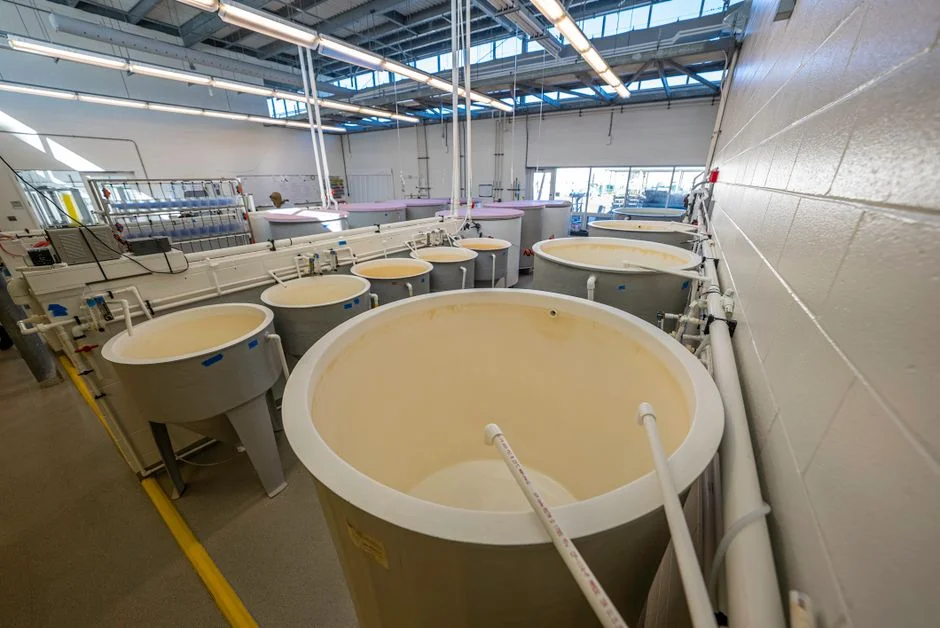
Microfiltration membranes operating with pore sizes below 1 micrometer form a physical barrier to suspended solids that prevents particulate metal carryover into final plant effluent, as reported in engineering studies by Seven Seas Water Group in 2026. Conventional activated sludge relies on gravity sedimentation inside secondary clarifiers, which are vulnerable to hydraulic surges, toxic heavy metal shocks, and sludge bulking, causing metal hydroxide flocs to float and escape in treated water streams.
The operational characteristics of MBR and CAS differ significantly when treating metal-conditioned streams. MBR systems retain all biological solids within the aeration basin, operating at higher mixed liquor suspended solids (MLSS) concentrations than CAS. This elevated biomass density provides enhanced buffer capacity against transient heavy metal toxicity shocks. However, fine metal hydroxide particulates that pass through primary treatment can accelerate membrane surface fouling. Maintaining long-term flux requires automated air scouring and periodic clean-in-place (CIP) regimes. Regarding sludge management, MBR systems concentrate biological waste sludge within the membrane tank, facilitating direct downstream dewatering, whereas CAS produces lower-density waste activated sludge that demands larger gravity thickening capacity.
| Performance Metric | Membrane Bioreactor (MBR) | Conventional Activated Sludge (CAS) |
|---|---|---|
| Solid-Liquid Separation | Physical microfiltration (<1 μm pore size) using DF series PVDF flat sheet membrane modules | Gravity sedimentation via circular or rectangular secondary clarifiers |
| Footprint Requirement | Compact layout; up to 60% smaller than CAS (HydropureWater, 2026) | Large footprint requirement for settling tanks and low MLSS aeration basins |
| Effluent TSS / Metals Retention | Consistently low effluent TSS (<1 mg/L); retains fine particulate metal precipitates | Variable TSS (10–30 mg/L); prone to particulate metal carryover during clarifier upsets |
| Biomass Density (MLSS) | High MLSS concentration (8,000–12,000 mg/L); resilient to toxic load variations | Lower MLSS concentration (2,000–4,000 mg/L); sensitive to heavy metal shock loads |
| Process Vulnerability | Requires CIP protocols to control inorganic fouling from iron and aluminum oxides | Susceptible to sludge blanket rise, pin floc formation, and hydraulic washout |
Footprint and Layout Reality Check for Thomaston Sites
Eliminating secondary clarifiers allows an integrated MBR system with submerged PVDF membranes to achieve up to a 60% footprint reduction compared to conventional secondary treatment configurations, according to published HydropureWater product documentation (2026). The hilly topography and rocky clay soil profiles characteristic of the Thomaston region present civil engineering challenges for large-footprint construction. Excavating large, flat pads for expansive concrete CAS aeration basins and deep secondary clarifiers requires substantial earthwork and capital expenditure.
Compact, skid-mounted MBR equipment fits within existing building footprints or small concrete pads on constrained industrial sites. For modular installations, prefabricated MBR units—such as the 50,000 gallon-per-day (189 m³/day) modular MBR systems documented by Seven Seas Water Group in 2026—allow mining operations to scale treatment capacity in phases as mining production expands. This modularity reduces upfront civil works and avoids allocating valuable real estate to expansive settling basins.
Regulatory and Permitting Landscape: Georgia EPD & EPA Region 4
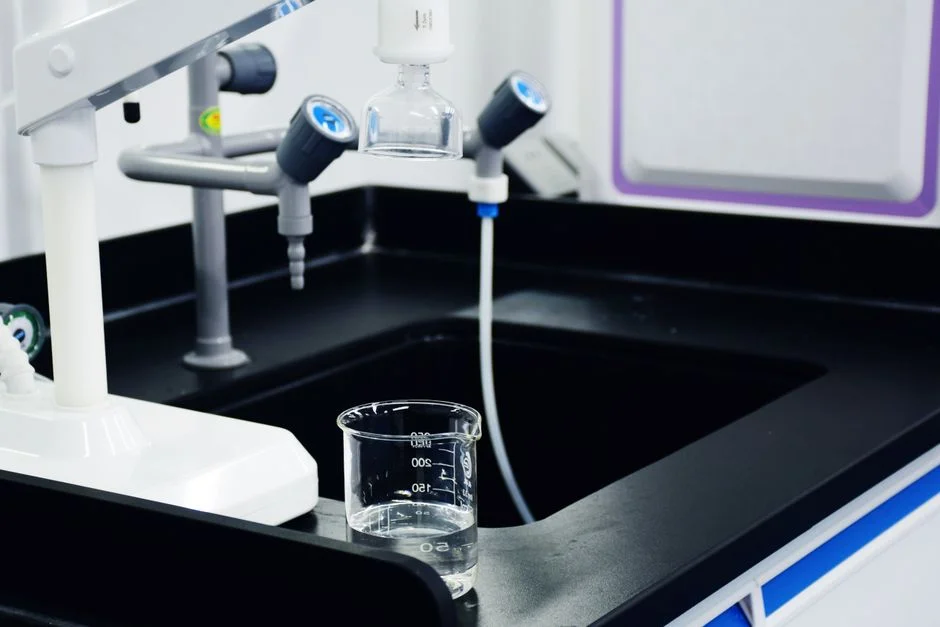
National Pollutant Discharge Elimination System permits issued by the Georgia EPD enforce specific concentration limits on total recoverable metals, requiring mining facilities to maintain continuous treatment reliability. Facility engineers must demonstrate to regulators that secondary treatment systems can withstand flow variations while meeting daily maximum and monthly average limits for metals such as iron, copper, and zinc. Guidance on industrial discharge compliance strategies can be evaluated through regional operational frameworks, such as the Stillwater mining pretreatment compliance case.
Georgia regulatory frameworks encourage water reuse within industrial facilities to conserve freshwater withdrawals from local watershed basins. MBR effluent quality—characterized by complete solids separation and low turbidity—meets criteria for recycling treated process water back to dust suppression, ore washing, and grinding circuits. Facilities discharging into municipal sewers under 40 CFR 403 pretreatment standards benefit from the continuous physical barrier of MBR filtration, which prevents accidental sewer limit violations caused by clarifier solids carryover.
Cost Drivers: CAPEX and OPEX for Mining Scale
Capital expenditure for conventional activated sludge systems is dominated by extensive civil concrete tankage and secondary clarifiers, whereas MBR capital costs center on high-density membrane skids, aeration blowers, and automated chemical cleaning systems. Operating cost structures diverge significantly between the two technologies over a standard facility lifecycle.
Primary OPEX drivers for MBR include membrane replacement intervals (typically 5 to 7 years depending on inorganic fouling rates), continuous coarse-bubble membrane air scouring energy, and chemical cleaning reagents such as citric acid and sodium hypochlorite. Conversely, CAS operational costs stem from coagulant and polymer dosing for clarifier settling, mechanical clarifier maintenance, and handling higher volumes of thin waste activated sludge. Evaluation of these line items requires analyzing a site-specific MBR cost per cubic meter breakdown. For both systems, metal-laden waste sludge must be dewatered using a heavy-duty filter press for metal-laden biosolids dewatering to maximize cake dry solids and minimize hazardous landfill disposal volume.
Decision Framework: Match Your Site Conditions to the Right Technology
Evaluating trade-offs between MBR and conventional activated sludge for mining applications requires systematic assessment of discharge permit limits, available footprint, and site operational capabilities, as outlined in the general mining wastewater comparison guide.
Select an MBR system when regulatory permits mandate stringent heavy metal and TSS discharge limits, when site expansion is restricted by tight spatial boundaries, or when process water reuse is required to reduce freshwater intake. MBR is also preferred when plant owners prefer modular equipment that can expand alongside mine production phases. Select conventional activated sludge when the project involves a greenfield site with abundant low-cost land, when receiving water permits have moderate metals limits that primary chemical precipitation can satisfy, and when minimizing initial mechanical equipment purchase cost is the primary financial requirement. For facilities seeking high effluent quality while retaining existing biological aeration basins, installing downstream ultrafiltration skid systems offers a hybrid polishing path.
Frequently Asked Questions
What budget parameters should a Thomaston mining plant request when evaluating MBR versus CAS quotes?
Buyers must request itemized capital quotes covering civil concrete works versus skid fabrication, combined with a 10-year operating expense projection. The projection must specify membrane replacement cycles, scoured aeration kilowatt-hour consumption, chemical cleaning solution volumes, and sludge dewatering press cake disposal costs based on local Georgia landfill tipping fees for metal-bearing solids.
What sizing considerations and supplier specs are critical when selecting an MBR system for mine wastewater?
Procurement teams must request vendor specifications for membrane material resistance to abrasive mineral fines (such as PVDF flat sheets), maximum design flux rates (L/m²/h) under peak hydraulic loading, and automated clean-in-place (CIP) system integration. Sizing must be backed by 30- to 60-day onsite pilot testing data using actual neutralized mine effluent to confirm fouling behavior.
How do heavy metal hydroxides impact membrane fouling and CIP protocols in mining MBR applications?
Precipitated iron, aluminum, and manganese hydroxides form inorganic foulants on membrane surfaces, reducing permeability. To restore design flux, facilities utilize targeted acid clean-in-place cycles (such as citric or oxalic acid) to dissolve mineral scaling, combined with periodic sodium hypochlorite cleans to eliminate biological foulants from the membrane pores.
Can MBR or CAS systems handle sudden stormwater surge flows at Thomaston mining operations?
Neither system should receive raw stormwater surges directly without upstream flow equalization. MBR membranes have a strict maximum hydraulic flux limit that cannot be exceeded without risk of severe fouling, while CAS secondary clarifiers suffer from solids washout and sludge blanket rise during sudden flow increases. Equalization basins are mandatory for both configurations.