Identify the POTW and the limits that actually control the discharge
No universal Crossville sewer limit can be assumed. A mining or metals facility discharging to a municipal sewer must comply with the receiving POTW’s current local limits, its industrial discharge permit, applicable categorical pretreatment standards, and any separate NPDES permit covering surface-water discharges. The controlling documents must be obtained before equipment is sized because local numerical limits, sampling frequency, authorized discharge points, fees, and sludge acceptance criteria remain unresolved in the supplied research.
The sewer pathway is administered through the POTW pretreatment program under Clean Water Act §307(b) and 40 CFR Part 403. NPDES requirements remain relevant where the facility separately discharges to surface water; they should not be used as a substitute for sewer requirements. EPA explains that local limits reflect the specific needs of the POTW, its sludge, and its receiving waters, and are imposed at the industrial user’s point of connection to the collection system.
Start with a permit request to the receiving authority. Ask for the current sewer-use ordinance, local limits, industrial discharge permit instructions, monitoring and reporting requirements, spill-control provisions, fees, approved discharge points, and best-management practices. Determine whether the facility is an industrial user or significant industrial user and what sampling, self-monitoring, reporting, and operational obligations follow from that status.
The 2026 Cross-area compliance guide does not identify the exact receiving POTW, current local numerical limits, sampling frequency, or enforceable discharge conditions. Those are open design inputs, not values an engineer may infer from another municipality or from federal standards alone.
| Document or determination | What the buyer must obtain | Design consequence |
|---|---|---|
| Receiving POTW identity | Authority responsible for the sewer connection | Identifies the controlling local authority |
| Sewer-use ordinance and local limits | Current numerical limits, narrative restrictions, BMPs, fees, and enforcement provisions | Defines the discharge acceptance envelope |
| Industrial discharge permit | Authorized manhole, monitoring, sampling, reporting, spill control, and operating conditions | Defines compliance evidence and operating controls |
| Categorical standards | Applicable subcategory under 40 CFR Part 430 or Part 433, as appropriate | Adds applicable federal pretreatment requirements |
| Other authorizations | Separate NPDES permit, state requirements, and residual-waste obligations | Keeps sewer, surface-water, and waste controls separate |
Classify the operation and build the governing permit set
The applicable categorical subcategory depends on what the plant actually does. HydropureWater’s 2026 Cross-area guide identifies 40 CFR Part 430 as the starting point for ore-processing facilities and 40 CFR Part 433 for electroplating, printed-circuit, or surface-finishing operations. Classification must precede equipment selection because the relevant pollutant basis, monitoring expectations, and process controls differ by operation.
Categorical standards are only one layer of the permit set. They do not replace the receiving POTW’s current local limits, the industrial discharge permit, state requirements, or the waste classification applicable to treatment residuals. NPDES requirements also remain relevant for separately regulated surface-water discharges; a sewer permit does not discharge those obligations.
Create a controlled permit matrix with one column for each obligation: sewer limits, categorical standards, monitoring, best-management practices, authorized discharge points, reporting, surface-water discharges, and residual disposal. Assign an owner and current document to every cell. Include the latest discharge-monitoring data because recurring excursions and operational violations can reveal design conditions that an average influent sample misses.
For the 2026 permit cycle, require bidders to connect each treatment step to the constituent it controls, its monitoring point, and its response to an approaching limit. Do not allow a proposal to claim compliance merely by naming a categorical subcategory. The more detailed 2026 mining-plant sewer compliance workflow provides a parallel structure for comparing permit documents across operating sectors.
Characterize each wastewater stream before sizing the plant
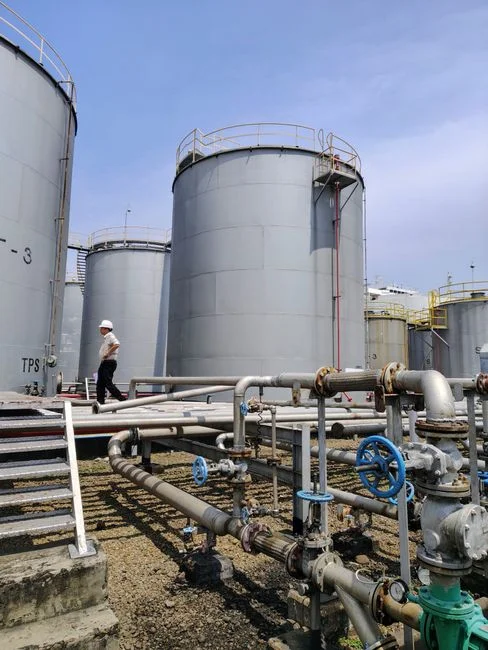
Treatment capacity must be based on measured hydraulic and contaminant loads, not a generalized mining-water range. HydropureWater’s 2026 guide recommends a 12-month influent characterization, a 24-hour composite sampler, and online pH and conductivity monitoring at the headworks as the minimum defensible design basis. The same guide separates pit dewatering, concentrator slurry water, contact stormwater, acid mine drainage, and finishing-shop rinsate because their chemistry and discharge schedules differ.
Build the sampling program around maximum flow, seasonal changes, ore-grade effects, mill campaigns, shift changes, and storm events. A single laboratory average can dilute the worst-case blend that pH control, precipitation, and clarification must handle. Use operating history and production schedules to identify recurring batch discharges and determine whether contact stormwater is continuously discharged, segregated, or diverted.
For acid mine drainage, HydropureWater’s 2026 guide reports pH from 2 to 4, sulfate commonly from 1,000 to 5,000 mg/L, and elevated total dissolved solids. These are source-characterization ranges, not Crossville permit limits. They indicate the acidity and scale of treatment that may be required, while the current POTW documents determine the required effluent performance.
The sampling program should cover pH, flow, suspended solids, dissolved metals, acidity or alkalinity, and conductivity. Add cyanide, oil and grease, iron, arsenic, manganese, flotation reagents, or other constituents only when representative results show that they occur in the relevant stream. Run jar tests across the historical dataset to establish chemical demand, metal hydroxide precipitation behavior, floc separability, and whether filtration or specialty polishing is justified.
| Stream or input | Information needed | Engineering question |
|---|---|---|
| Pit dewatering | Peak flow, seasonal variation, pH, metals, acidity, and suspended solids | What equalization and precipitation duty results? |
| Concentrator slurry water | Campaign flow, solids loading, ore effects, and reagent chemistry | Can representative floc be separated by DAF or lamella clarification? |
| Contact stormwater | Storm hydrograph, metal concentrations, and diversion criteria | Which flows may enter the treatment train? |
| Acid mine drainage | pH, acidity, sulfate, dissolved metals, conductivity, and flow | What alkalinity and reagent demand are required? |
| Finishing rinsate | Metals, cyanide, oil and grease, pH, and batch schedule | Does it require separate chemical control or segregation? |
Control hydraulic surges before treating metals and solids
Equalization basin sizing is driven by peak flow and peak contaminant load, not average daily production. Calculate the operating envelope from actual mill campaigns, storm runoff, shift discharges, and clean-out cycles. The basin should dampen batch releases and deliver a controlled feed to pH adjustment and solids-removal equipment without masking a persistent metal or acidity load.
The hydraulic design must include overflow control, mixing, level instrumentation, a controlled return path, and a documented destination for wastewater diverted during an upset. Design the treatment envelope around peak flow while retaining enough operational flexibility to isolate a noncompliant stream. An uncontrolled dump is not an acceptable response to an alarm or permit exceedance.
Link flow, pH, and conductivity measurements to PLC controls, alarms, and operating procedures. High-level, high-flow, abnormal-pH, and instrument-failure conditions should have defined responses: isolate a stream, stop feed to the affected unit, transfer wastewater to an approved holding location, or divert to a permitted destination. The operator log should record each event, the decision made, and corrective action taken.
A PLC-controlled chemical dosing system for pH and precipitation should be integrated with this control philosophy rather than treated as an isolated skid. Chemical feed interlocks must prevent dosing into an empty or overflowed basin, and the controls package must identify the exact downstream feed rate controlled by each pump.
Set pH and remove dissolved metals with controlled precipitation

pH control must follow jar testing and the current local limits, not a generic operating band copied from another jurisdiction. A PLC-controlled chemical dosing system should specify acid and alkali storage, reagent concentration, dosing range, probe location, control logic, high-level alarms, and fail-safe response. If influent pH swings widely, staged dosing may provide better control than a single-dose arrangement.
Metal hydroxide precipitation is the usual first-stage option. Alkalinity raises pH and supports precipitation of dissolved metals such as iron, arsenic, and manganese, while coagulation and flocculation convert the resulting fine particles into floc suitable for downstream separation. Establish chemical demand and settleability from representative jar tests; do not assign a universal dose or removal efficiency before those tests are complete.
Introduce sulfide polishing only when measured performance and the enforceable limit justify the added complexity. HydropureWater’s 2026 guide reports sulfide-precipitation residuals of 0.01–0.05 mg/L for selected metals, but these are research findings, not guaranteed Crossville results. Sulfide reagents require sealed equipment, hydrogen-sulfide management, and a toxic-gas response plan.
The chemical system must address overdosing, off-gas, incompatible metals, and power or instrument failure. Include secondary containment, defined reagent-transfer procedures, equipment interlocks, and a controlled diversion plan. Use online pH control for the immediate process response, but trend dissolved metals after precipitation, clarification, and filtration because those measurements show whether the treatment train is approaching a permit limit.
Trace every control to a permit parameter. For example, an abnormal pH alarm should identify the chemical dose, affected treatment stage, operator response, and monitoring action. A PLC-controlled chemical dosing system for pH and precipitation should be evaluated on control documentation, probe arrangement, fail-safe behavior, chemical storage, and maintainability rather than pump capacity alone.
Choose DAF or lamella clarification from measured floc behavior
DAF and lamella clarification are technically different responses to different solids characteristics. HydropureWater’s 2026 guide identifies DAF as the better fit where oil, grease, or low-density colloidal metal-bearing floc is difficult to settle. Its DAF product range covers 4–300 m³/h across 13 standard models and provides a stated service range of 5–25 m/h hydraulic loading.
Lamella clarification is generally more appropriate where the stream contains dense metal-hydroxide sludge, hydraulic loading is high, and footprint is constrained. HydropureWater’s lamella catalog identifies surface loading of 20–40 m/h. These are equipment or service figures, not guaranteed results for a Crossville treatment plant.
Do not select by peak flow alone. Compare measured floc density, floatability, settling behavior, oil content, hydraulic variation, chemical demand, sludge withdrawal, carryover, maintenance requirements, and available footprint. Where both technologies remain viable, require representative blended-influent testing and written acceptance criteria tied to the current permit conditions.
| Decision factor | DAF | Lamella clarification |
|---|---|---|
| Best fit | Oil-bearing, low-density, or colloidal metal-bearing floc | Dense metal-hydroxide sludge |
| Supplied hydraulic basis | 5–25 m/h service range | 20–40 m/h surface loading |
| Supplied removal information | 90–98% TSS and 85–95% oil and grease removal in mining or metal-finishing service | No project performance guarantee established by the supplied research |
| Bid requirement | Demonstrate flotation of representative blended solids | Demonstrate settling of representative hydroxide sludge |
The DAF versus clarifier selection for mining wastewater provides a useful side-by-side framework, but final selection still depends on site data. A DAF system for mining wastewater solids separation should be required to demonstrate solids capture, sludge withdrawal, and carryover under the proposed flow and chemical conditions. Media filtration should not be presented as a substitute for dissolved-metals removal; size it around the residual TSS objective and downstream process needs.
Polish the effluent and decide whether sewer discharge or reuse is appropriate
Post-clarification treatment should solve a defined permit or reuse requirement. HydropureWater’s multi-media filter is designed for suspended-solids removal, turbidity control, and automated backwash, making it relevant when the local limit or downstream equipment requires further TSS reduction. Require the bidder to define the filter loading, backwash trigger, washwater volume, filtrate route, and effect of each backwash cycle on the headworks.
Add disinfection only when the current permit, source characteristics, or site risk assessment requires microbial control. Do not specify chlorine dioxide or ultraviolet disinfection universally. Any selected system must address contact time, residual monitoring, byproducts, chemical storage, and the consequences of dosing failure.
Compare sewer discharge with partial reuse using current POTW fees, freshwater cost, available reuse demand, required water quality, expected local-limit direction, treatment energy, and brine-management obligations. A sewer-discharge design limits membrane and brine scope but remains exposed to capacity charges and future permit revisions. Reuse can reduce freshwater purchases and sewer volume, but it adds treatment, energy, controls, and residual-management requirements.
Where reuse requires RO-quality water, HydropureWater’s Price-area 2026 guide cites hollow-fiber ultrafiltration at roughly 0.03 micron for residual-colloid control before RO. That is a system characteristic, not a Crossville influent limit or universal design selection. The multi-media filtration system for post-clarification polishing should therefore be evaluated against the actual reuse target and membrane-feed chemistry.
Do not treat MBR or zero-liquid-discharge systems as automatic requirements. The comparison of biological treatment options for mining wastewater reuse is relevant only when the reuse objective, water balance, residual route, and disposal economics support biological treatment. Keep base pretreatment, reuse, and zero-liquid-discharge alternatives separately priced and defined.
Manage metals-bearing sludge as a regulated residual
Metal-bearing sludge remains regulated after it leaves the clarifier or DAF. The equipment scope must include conditioning chemicals, polymer preparation, sludge storage, dewatering, cake transfer, sampling, laboratory coordination, and disposal documentation. Treatment design does not end when the water meets its discharge limit.
HydropureWater’s 2026 guide reports that a well-run plate-and-frame filter press can produce cake at 30–45% dry solids. Make that figure conditional on the actual sludge chemistry and operating conditions; it is not a guaranteed project result. A plate-and-frame filter press for metals-sludge dewatering should be accepted against a specified feed solids range, filtrate clarity, cycle time, and cake-transfer condition.
Return filtrate to the headworks through a controlled route after reviewing the returning metal and chemical load. The return line must not create an unreviewed bypass around equalization or precipitation. A material balance should include sludge withdrawal, filtrate return, carryover, and any off-specification water routed to holding.
Do not assume that dewatered cake is nonhazardous. HydropureWater’s 2026 guide states that TCLP characterization can determine whether regulated metals make the residue hazardous. The bidder must identify the proposed destination, representative sampling and characterization steps, destination acceptance criteria, and the cost treatment for a more restrictive waste classification. Do not assign a local waste code before that determination.
Sulfide precipitation requires a separate safety review covering sealed reactors, hydrogen-sulfide detection, scrubbing, ventilation assumptions, and operator-response procedures. The commercial schedule should distinguish treatment-equipment commissioning from residual characterization and destination approval, because both are necessary before the site can claim complete compliance.
Turn permit conditions into a defensible equipment specification
A defensible bid traces every component to a permit parameter, design duty, control action, and acceptance test. Make the current POTW limits, industrial discharge permit, categorical subcategory, discharge-monitoring data, 12-month influent characterization, and waste-classification plan mandatory pre-proposal inputs. If any item is missing, identify it as an open design input rather than substituting a limit from another municipality.
For each treatment unit, require the bidder to state its design flow and load envelope, constituent removed, instrumentation point, power demand, chemical demand, sludge output, control sequence, alarm response, maintenance task, and exclusion. For example, equalization should connect to peak-flow and batch-control requirements; pH adjustment should connect to the enforceable pH condition; filtration should connect to the required residual TSS; sludge dewatering should connect to the identified disposal route.
Test automatic controls under high flow, abnormal pH, instrument failure, high tank level, chemical availability loss, and diversion or shutdown conditions. Require auditable alarms, operator logs, and a documented destination for diverted wastewater. Final acceptance should use representative blended influent and the current permit conditions, with POTW approval where required.
Evaluate mining or metal-finishing project evidence, precipitation and solids-separation design competence, commissioning support, maintenance planning, and stated exclusions. Separate base pretreatment, reuse, and zero-liquid-discharge scopes so optional membrane and brine equipment does not obscure the compliance-critical train.
| Bid package | Required traceability | Acceptance evidence |
|---|---|---|
| Permit basis | Local limit, categorical subcategory, permit condition, and design basis mapped to each unit | Approved permit matrix and stated open items |
| Equalization and controls | Peak flow, load envelope, diversion route, level and flow instruments, and PLC interlocks | Simulated upset tests and operator records |
| pH and precipitation | Chemical demand, jar-test basis, storage, dosing control, and dissolved-metal objective | Representative-influent performance and control test |
| DAF or clarification | Measured solids behavior, hydraulic basis, sludge withdrawal, and carryover controls | Blended-influent demonstration and mass balance |
| Filtration and reuse | Residual TSS or reuse target, backwash routing, and membrane-feed criteria | Filtrate quality, wash cycle, and system integration records |
| Residual management | Sludge chemistry, characterization, destination, filtration return, and safety controls | Representative cake data and destination documentation |
Frequently Asked Questions
Do we need an NPDES permit if the plant discharges to a sewer?
NPDES covers direct discharges to surface water under Clean Water Act §402. A sewer discharge is handled through the POTW pretreatment program under Clean Water Act §307(b) and 40 CFR Part 403, with categorical standards under 40 CFR Part 430 or Part 433 where applicable. The facility may still need separate NPDES authorization for stormwater or other surface-water outfalls.
What equipment should we request first?
First request the controlling POTW limits, industrial discharge permit, applicable categorical subcategory, monitoring data, and 12-month influent characterization. Then request a train matched to measured chemistry: source segregation and equalization, pH control, precipitation where justified, solids separation, filtration only where required, and a compliant residual route. A generic flow estimate is not an adequate basis for procurement.
How should DAF and a lamella clarifier be compared in a mining wastewater bid?
Require both suppliers to evaluate the same representative blended influent. Compare flotation versus settling behavior, oil and colloidal content, hydraulic loading, footprint, chemical demand, sludge handling, carryover, and maintenance. A technology should be selected from measured floc behavior and the current permit envelope, not from peak flow or a vendor’s generic service range.
What should a supplier guarantee before purchasing a mining wastewater treatment system?
Require permit-parameter traceability, a stated hydraulic and contaminant design envelope, representative-influent acceptance criteria, control and alarm tests, identified sludge outputs, and documented exclusions. Also require the supplier to state which performance values come from published equipment data, which are guaranteed for the project, and what POTW approval or further testing remains outstanding.
Can metals-bearing sludge be sent to a regular disposal facility?
The route depends on representative characterization, including TCLP where applicable, and written acceptance by the proposed destination. Request the facility’s waste acceptance criteria, analytical requirements, and treatment for a more restrictive classification. Without site-specific results, no responsible engineer can assign a local waste code or guarantee that ordinary disposal is permitted.
Related Equipment
- DAF system for mining wastewater solids separation — specifications, capacity range, and technical data