
What Domestic Sewage Treatment Means for Cebu Properties
Domestic sewage treatment in Cebu normally involves choosing between managed septic-tank service, a decentralized biological treatment plant, or a specialized process such as vermifiltration. Metro Cebu has a significant sanitation gap: Yokohama Water reports that about 90% of households have septic tanks, while inadequate tank management contributes to river pollution. For homes, hotels and developments without dependable sewer access, the WSZ package plant combines A/O contact oxidation, sedimentation and disinfection in one buried unit, with capacities from 1–80 m³/h. MBR is the stronger option when compact installation, filtration below 1 μm or reuse potential matters. Final selection depends on measured flow, site space, discharge route, permit conditions and operating arrangements.
Domestic sewage is the wastewater generated by residences, hotels, condominiums and similar accommodation or commercial uses. It is not equivalent to industrial wastewater: a factory, food operation or mixed-use property may introduce grease, process chemicals or high-strength flows that require characterization and possibly pretreatment.
The local distinction matters because a septic tank and a treatment plant solve different problems. Yokohama Water describes a septic tank as a simple decomposition device installed mainly in residences; accumulated sludge must be removed at an appropriate frequency. A maintained sewer network, on-site treatment plant and scheduled septage-hauling service therefore should not be treated as interchangeable procurement packages.
The Metro Cebu septage project covers Cebu, Mandaue, Talisay, Compostela, Liloan and Consolacion. A buyer should confirm current collection coverage, transport arrangements, receiving treatment and disposal responsibilities before assuming that a scheduled desludging contract is available at the property. Further background on decentralized sewage treatment options for rural Philippine communities is useful, but it does not replace a site-specific feasibility review.
Choose the Treatment Route Before Choosing Equipment
The practical choice is between four routes: managed septic-tank service, a buried A/O package plant, an MBR system, or a specialist decentralized process such as vermifiltration. No route is universally best because the correct decision depends on actual wastewater duty, available land, treatment objectives, discharge route, local requirements and the property owner’s maintenance capability.
Where a sewer connection is unavailable, managed septage is the baseline arrangement to investigate. The buyer must establish who inspects and pumps the tank, where the sludge goes, whether the receiving facility is available, and what service response can be relied upon. Installation of a tank does not by itself establish that a complete collection, transport, treatment and disposal chain exists.
The buried WSZ package sewage treatment plant integrates biological contact oxidation, sedimentation and disinfection. An MBR membrane bioreactor for Cebu sewage projects combines activated sludge with membrane filtration. Vermifiltration offers another decentralized route: the IntechOpen study Application of Vermifiltration for Domestic Sewage Treatment describes a process combining filtration with earthworms, applied to domestic septic-tank sewage, and characterizes it as efficient, viable, less expertise-intensive and decentralizable. That research supports the process principle, not automatic regulatory acceptance or suitability for a particular Cebu site.
| Treatment route | What the buyer should establish | Initial decision condition | Evidence still required |
|---|---|---|---|
| Managed septic tank and desludging | Inspection frequency, transport route, receiving facility and disposal responsibility | No dependable sewer connection and a confirmed local service chain | Current service availability, contract terms and site suitability |
| Buried A/O package plant | Design flow, treatment objectives, footprint and operating responsibility | Land and excavation access permit an integrated biological treatment installation | Hydraulic basis, guarantees, civil works and discharge acceptance |
| MBR system | Flow, required filtrate quality, reuse target, aeration and membrane O&M plan | Limited footprint or filtration quality is a stated project requirement | Process design, site utilities, replacement planning and performance guarantees |
| Vermifiltration | Feed characteristics, climate/site conditions and operator capacity | A decentralized biological route merits feasibility testing for the project | Project performance, footprint, approval and long-term operating evidence |
The supplied research does not provide a Cebu-specific cost comparison, universal sizing rule or common approval pathway for these routes. Those are quotation and permitting inputs, not facts a buyer can safely infer from a generic technology list.
Compare Biological Treatment Technologies for Cebu Sites
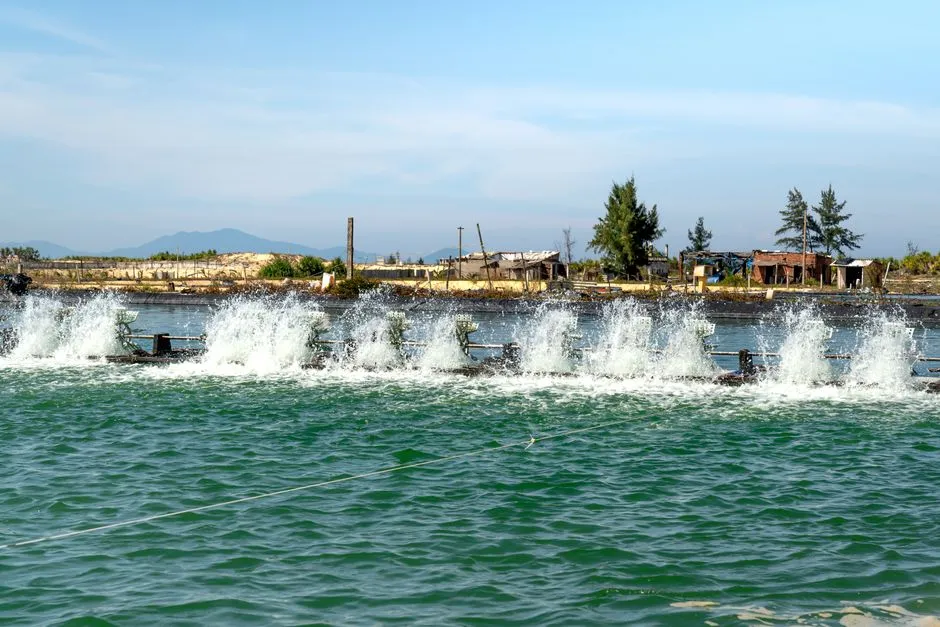
The WSZ configuration is anoxic/aerobic A/O biological contact oxidation followed by sedimentation and disinfection in one integrated package. The MBR configuration combines activated sludge with submerged PVDF membrane filtration, producing filtrate below 1 μm according to the HydropureWater verified product catalog. These are materially different treatment propositions: WSZ integrates several conventional treatment stages in one buried unit, while MBR adds membrane separation within the biological process.
Deployment characteristics also differ. The WSZ can be installed below grade with landscaping above or mounted on a trailer for mobile deployment. The catalog lists the MBR as having a 60% smaller footprint than conventional systems, with a capacity range of 10–2,000 m³/day. The footprint comparison is a published product claim and should be checked against the proposed layout rather than accepted as a site-specific guarantee.
The available Cebu market includes A/O, AAO, MBBR, MBR and SBR configurations, according to the Cebu STP technology list. This establishes that several process types are locally marketed; it does not establish that a listed process is suitable, permitted or proven at the buyer’s site. References should be checked for comparable wastewater duty, operating conditions and discharge requirements.
| Process | Verified configuration | Published capacity range | Deployment characteristics | Strongest initial fit | Still requiring confirmation |
|---|---|---|---|---|---|
| WSZ | Anoxic/aerobic A/O contact oxidation, sedimentation and disinfection in one package | 1–80 m³/h | Buried installation with landscaping above, or trailer-mounted mobile deployment | Decentralized projects requiring integrated treatment stages and limited above-ground space | Design-flow basis, treatment guarantees, civil works, discharge route and owner O&M duties |
| MBR | Activated sludge with submerged PVDF membrane filtration below 1 μm | 10–2,000 m³/day | Product listing states 60% smaller footprint than conventional systems | Sites with compact-footprint, filtration or reuse requirements | Actual footprint, aeration, controls, cleaning, replacement, guarantees and discharge acceptance |
| Vermifiltration | Filtration combined with earthworms; applied to domestic septic-tank sewage in the cited study | No capacity range supplied | Decentralizable process described by IntechOpen | Projects seeking an alternative decentralized biological process | Local feasibility, regulatory acceptance, performance, O&M and land requirements |
| Other locally marketed processes | A/O, AAO, MBBR and SBR | No comparable capacity data supplied | Configuration varies by supplier | Initial market-screening only | Process selection, verified duty, permits, guarantees and references |
For a property with several rooms, variable occupancy or an intended reuse point, the comparison should proceed from treatment objectives rather than footprint claims. The buyer should ask each supplier to demonstrate how its selected process addresses the same measured flow and wastewater composition.
Size the System from Actual Site Demand
A treatment system should be selected from a documented design flow and wastewater duty, not from occupancy alone. The buyer must obtain the number of occupants or rooms, operating hours, expected occupancy pattern, and any laundry, kitchen or pool water entering the domestic sewage stream.
Ask the designer or contractor for measured flow or a documented design-flow calculation. The information request should identify peak and minimum flow, wastewater temperature, and expected variation between residential and commercial operation. These are core sizing inputs because the published equipment ranges describe available capacity; they do not establish that a particular unit fits the site.
The HydropureWater verified product catalog lists the WSZ range as 1–80 m³/h and the MBR range as 10–2,000 m³/day. The selected process must then be matched to the approved design basis, treatment objectives and worst operating condition. For a hotel or development, the operating plan should state whether flows are seasonal and whether domestic sewage will be combined with commercial flows.
For industrial or mixed-use sites, characterize the industrial stream before combining it with domestic sewage. Contaminant concentration, flow variability, grease, solids and process chemistry can change the appropriate pretreatment and biological treatment route.
| Sizing input | Why it affects selection | Information to obtain |
|---|---|---|
| Design flow | Determines the hydraulic capacity and equipment scale | Measured flow or an engineer-approved calculation covering peak, minimum and seasonal conditions |
| Occupancy and operating pattern | Links treatment demand to actual use rather than installed rooms or units | Occupants, room count, operating hours and seasonal variation |
| Wastewater composition | Establishes whether biological treatment alone is appropriate | BOD, COD, TSS and relevant process data after project-specific sampling or analysis |
| Additional streams | Changes flow, loading and pretreatment requirements | Laundry, kitchen, pool and industrial discharge details |
| Treatment and discharge objectives | Defines the required process and performance guarantees | Written receiving or reuse requirements and applicable permit conditions |
The supplied research does not include Cebu-specific hydraulic loading rates or BOD, COD, TSS or nitrogen design criteria. Those values must come from the project designer through verified analysis and the accepted design, not from a generic equipment table.
Check Site, Discharge and Compliance Constraints
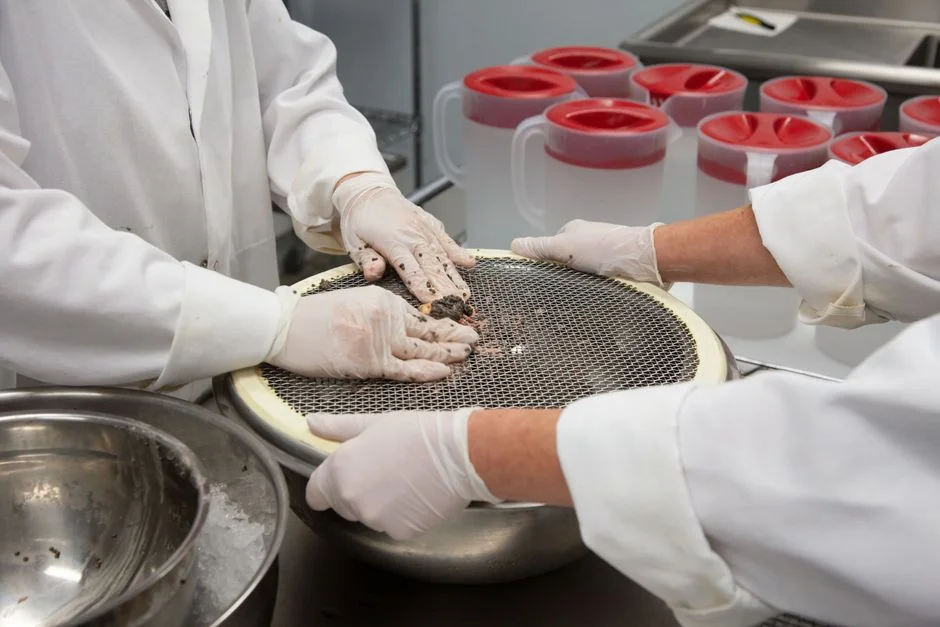
The discharge route and physical site must be confirmed before equipment is specified. A receiving sewer, drainage line, watercourse or reuse point determines the treatment objectives and whether disinfection or membrane filtration is required. It also establishes whose approval must be obtained.
Require written, project-specific discharge requirements from the relevant authority or receiving facility. The supplied research does not provide a general Cebu effluent limit, so a supplier’s statement that a system “complies” is not an acceptable substitute for the applicable requirement or an engineering design.
Before tendering, complete a pre-design review covering available footprint, excavation conditions, vehicle access for delivery and sludge removal, power availability, odor controls, noise, landscaping and future maintenance access. For a buried system, confirm how the tank will be installed, inspected, dewatered and serviced without damaging the surrounding works.
Screening, biological treatment, sedimentation and disinfection form a multi-barrier treatment sequence, but equipment selection does not replace permitting or engineering review. Where industrial components, grease, solids or other high-strength streams are present, identify pretreatment needs before a package plant accepts the combined flow.
| Feasibility item | Buyer action before quotation | Reason |
|---|---|---|
| Receiving location | Identify the sewer, drainage connection, watercourse or reuse point | Defines treatment objectives and approval route |
| Discharge requirements | Obtain written project-specific criteria from the authority or receiving facility | No universal Cebu limit is supplied in the research |
| Access and excavation | Survey delivery routes, crane access, excavation conditions and maintenance access | Equipment installation and future servicing depend on physical access |
| Utilities and nuisance control | Confirm power, aeration, odor, noise and drainage requirements | Protects commissioning and operation |
| Pretreatment | Identify industrial, grease and solids contributions | Combined high-strength flows can change process selection |
| Supplier claims | Test suitability, compliance and operator-free claims against the site and accepted design | Advertised performance is not project-specific approval |
Equipment such as a rotary mechanical bar screen may form part of a wastewater works design, but its selection depends on the accepted process and flow basis. A chlorine dioxide generator likewise cannot be specified from the word “disinfection” alone; the receiving requirement, feed-water conditions, storage, dosing controls and safety arrangements govern the decision.
Build a Supplier Brief That Produces Comparable Quotes
A comparable quotation must define the same treatment duty, discharge route, site assumptions and ownership boundaries. Without those elements, a lower equipment price may simply exclude civil works, pumping, controls, commissioning, sludge handling or long-term support.
Require each bidder to identify the treatment process, design flow, wastewater-duty basis, treatment objectives, proposed discharge route, and the hydraulic and process guarantees offered. State the site utilities and access information, including power, drainage connection point, available footprint, delivery route, excavation constraints and required commissioning dates.
Ask for civil works, installation, commissioning, electrical controls, pumping, odor control, disinfection, sludge handling, training, spare parts and maintenance support as separate priced items. The O&M schedule should cover routine inspections, aeration, sludge removal, membrane or media maintenance, disinfectant handling, breakdown response and spare-parts pricing.
The WSZ catalog describes the unit as fully automated and requiring no operator. Use that positioning as a comparison question, not a conclusion: ask every supplier exactly which tasks are automated and which remain the owner’s responsibility. The WSZ buyer should also request the controls narrative and a wastewater treatment selection framework for Philippine hotels and resorts when occupancy and seasonal flows drive the design.
| Quotation package | Items to request | Buyer check |
|---|---|---|
| Design basis | Flow, duty, treatment objectives, discharge route and guarantees | All bids use the same measured or approved basis |
| Equipment and civil works | Process equipment, excavation, installation, structures, pumping and controls | Scope boundaries and site assumptions are explicit |
| Commissioning and handover | Testing, training, documentation, emergency procedures and performance demonstration | Acceptance criteria are written and measurable |
| Operations and maintenance | Inspections, aeration, sludge removal, membrane or media care, disinfectant handling and breakdown response | Owner and supplier responsibilities are assigned |
| Total ownership cost | Capital, utilities, consumables, sludge disposal, maintenance and replacement over a buyer-defined period | No unsupported Cebu price is assumed; the buyer sets the comparison period |
Request a total-cost breakdown over an operating period defined by the owner. The supplied research contains no verified Cebu project price, so a defensible budget must come from a site-specific quotation rather than a generic online estimate.
Plan Installation, Operation and Sludge Disposal
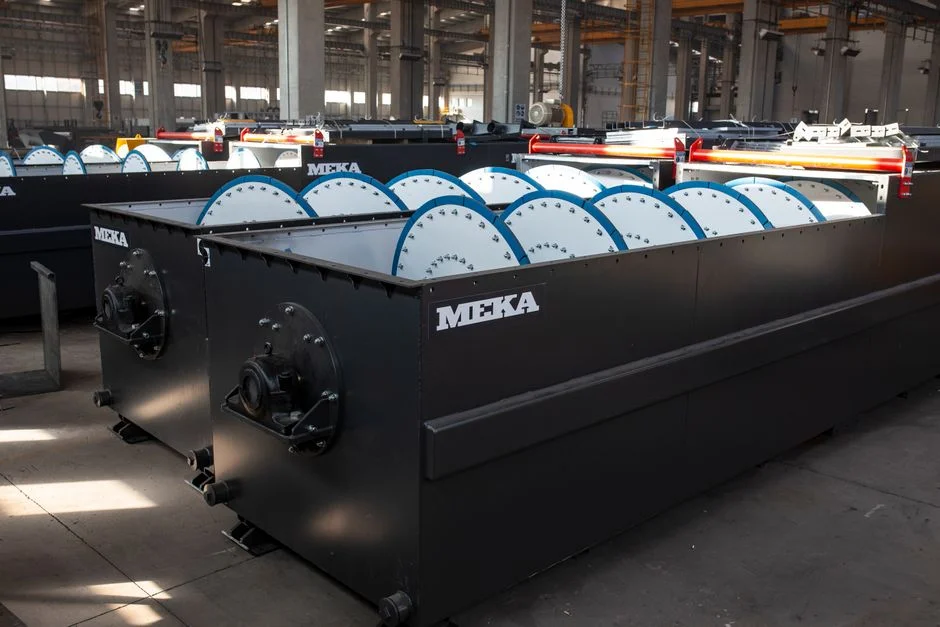
Commissioning must follow the complete treatment chain: incoming sewage, screening if specified, biological treatment, clarification, disinfection, and the agreed discharge or reuse destination. The flow diagram, controls narrative and owner boundary should be issued before delivery so installation errors can be prevented.
For a buried WSZ installation, the works plan should cover excavation, structural installation, below-grade landscaping, maintenance access and final effluent routing. Confirm who constructs the incoming sewer, pump chamber, electrical supply and receiving drain, and who remains responsible after handover.
For MBR, commissioning should address membrane access, aeration, electrical supply, controls, cleaning and replacement planning. Sludge handling must also be named as a workstream; it should not disappear into a general maintenance line. Where a plate-and-frame filter press is proposed for sludge dewatering, its role, operating method and final disposal route still require project-specific confirmation.
Metro Cebu’s septage context reinforces the need for explicit responsibility. Yokohama Water states that the Metro Cebu project provides regular septic-tank sludge removal and proper disposal across its six covered local-government areas. An on-site treatment plant does not automatically remove the need to manage accumulated solids.
Contractual handover should include startup records, operator training, control-panel documentation, emergency procedures, spare-parts lists and a preventive-maintenance schedule. Record who inspects the system, removes sludge, replenishes treatment chemicals, responds to alarms and authorizes disposal. A treatment unit that is automated at the equipment level still needs an accountable operating arrangement at the property level.
Frequently Asked Questions
How much does a domestic sewage treatment system cost in Cebu?
The supplied research provides no verified Cebu price for domestic sewage treatment. Request a site-specific quotation based on measured flow, treatment process, civil works, discharge requirements, utilities, commissioning and O&M scope. Ask each bidder to separate equipment, installation, civil works, utilities, consumables, sludge removal, maintenance and replacement over a buyer-defined operating period.
Should a Cebu property choose a buried WSZ package plant or an MBR system?
Choose according to the site’s treatment and reuse objectives, available land, flow and operating responsibility. The HydropureWater verified product catalog lists WSZ at 1–80 m³/h with integrated A/O contact oxidation, sedimentation and disinfection, while MBR is listed at 10–2,000 m³/day with submerged PVDF filtration below 1 μm and a 60% smaller footprint claim. Request an A/O versus MBR package plant comparison using the same site flow, footprint and effluent requirements.
Can a septic tank be used instead of an on-site sewage treatment plant in Cebu?
Yes, where site conditions and the local service chain support it. Yokohama Water reports that about 90% of Metro Cebu households have septic tanks, but also states that accumulated sludge must be drawn off at an appropriate frequency. Confirm tank suitability, inspection and pumping arrangements, receiving treatment and disposal responsibilities, and whether current collection covers the property.
What information should a sewage treatment supplier request before quoting?
Provide measured or engineer-calculated flow, wastewater composition, occupancy or operating pattern, footprint, excavation and delivery constraints, power availability, drainage connection, discharge route, applicable requirements, sludge plan, commissioning dates and O&M expectations. Also disclose kitchen, laundry, pool and industrial streams so the bidder does not price an incomplete treatment duty.
How do I verify that a wastewater contractor is suitable for a Cebu project?
Request the exact process and capacity, design basis, treatment guarantees, scope boundaries, commissioning plan, references for comparable duty, O&M support and written acceptance of the proposed discharge arrangement. Check who holds responsibility for routine operation, sludge removal, chemical handling, breakdown response and spare-parts supply rather than relying on a general claim of compliance or operator-free operation.