Which Treatment System Fits a Philippine Hotel or Resort?
Hotel resort wastewater treatment in the Philippines begins with four commercial decisions: compliant discharge, water reuse, available site footprint, and operating simplicity. The screening choice is usually an MBR for reuse or a constrained site, a buried WSZ package where installation depth matters more, or septic treatment with polishing only on a large low-flow site. However, the 2026 Cebu benchmarks are screening references, not nationwide approvals; each proposal still needs site-specific permits, influent testing, and verification against the final equipment design.
The strongest available screening rule comes from HydropureWater’s 2026 Cebu guide: use an MBR for a 100–500-room Mactan beachfront resort, a buried WSZ for a 20–100-room Cebu City heritage property, and a septic tank with constructed-wetland polishing for a property below 20 rooms on a large lot. The same source says a 200-room Mactan beachfront property cannot readily dedicate 2,000–3,000 m² of prime land to a free-water-surface wetland (HydropureWater, 2026).
For coastal and island projects, the technical selection also depends on sewer availability, receiving-water sensitivity, flood elevation, odor, noise, visual impact, and access for sludge removal. These constraints should be resolved before comparing equipment quotations.
| Screening case | HydropureWater 2026 Cebu benchmark | Key condition |
|---|---|---|
| 100–500-room beachfront resort | Integrated MBR wastewater treatment system | Reuse potential and constrained footprint justify the higher capital cost. |
| 20–100-room heritage property | Buried WSZ sewage treatment plant | Below-grade installation and limited routine operator intervention take priority. |
| Below 20 rooms on a large lot | Septic tank with constructed-wetland polishing | Land availability, low occupancy, and acceptance of polishing-stage effluent. |
This rule should not be transferred mechanically to Manila, Boracay, Bohol, Palawan, Siargao, or another municipality. HydropureWater’s evidence establishes a Cebu benchmark only; the nationwide buyer must obtain the local discharge pathway, sewer conditions, and site constraints.
Map Every Wastewater Source Before Sizing the Plant
HydropureWater’s 2026 Cebu design basis starts at 150–250 L per guest per day, but that guest-room rate does not cover every resort wastewater stream (HydropureWater, 2026). The plant must be sized from a source-by-source balance covering guest rooms, kitchens and restaurants, laundry, housekeeping, pools, spas, staff facilities, and stormwater.
Add 40–60 L per food-and-beverage cover and 60–80 L per 100 kg of laundry, together with pool backwash, to the guest flow. For the source’s Tubod-style example, a combined pool inventory of 400 m³ produces 20–40 m³/day of backwash when daily turnover is 5–10% of total pool volume. That backwash must enter the treatment train rather than being discharged to planted areas (HydropureWater, 2026).
| Audit stream | Supplied design input | Engineering treatment |
|---|---|---|
| Guest rooms and staff facilities | 150–250 L per guest per day | Establish the sanitary wastewater baseline and fixture discharge profile. |
| Kitchens and restaurants | 40–60 L per cover | Add FOG and food-residue loadings to headworks and FOG-removal design. |
| Laundry | 60–80 L per 100 kg of linen | Account for fibers, lint, solids, and peak laundry operating hours. |
| Pool backwash | 20–40 m³/day for the supplied 400 m³ pool example | Route through the treatment train; do not use it as a stormwater bypass. |
| Occupancy peaks | 2.0–2.5 times average daily flow | Check equalization, biological volume, pumping, and disinfection contact time. |
The supplied factor of 2.0–2.5 applies when Sinulog week, Holy Week, and weekend occupancy raise a property from 60% to 100% occupancy (HydropureWater, 2026). Ask each bidder for hourly and seasonal calculations, including the operating assumptions behind equalization and biological-stage sizing. A comparative hotel and resort wastewater treatment guide provides a useful external reference for structuring that request, but the final flows must come from the Philippine property.
Understand the Wastewater Strength You Are Treating
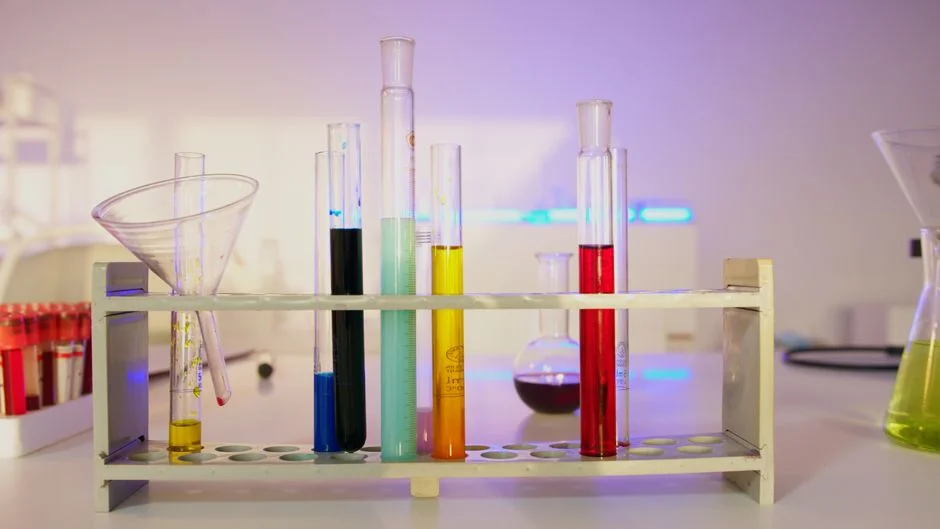
HydropureWater’s 2026 Cebu blended raw-sewage design characteristics are BOD 250–400 mg/L, TSS 250–350 mg/L, and FOG 80–150 mg/L (HydropureWater, 2026). These are design inputs for the cited Cebu context, not substitute measurements for another property.
Kitchen oil is the contaminant most likely to change the process architecture. HydropureWater identifies dissolved air flotation as the upstream stage used to reduce FOG before biological treatment, with 60–90% removal in a single pass and the stated objective of bringing 80–150 mg/L raw FOG toward the DAO 2021-19 limit of ≤50 mg/L (HydropureWater, 2026). For a resort with significant catering operations, ask the supplier to justify the DAF system for resort FOG pretreatment against measured kitchen-flow FOG rather than an assumed blended concentration.
Laundry fibers, plastics, and ragging create a different risk. They can foul pumps, valves, membranes, and biological equipment. A rotary mechanical bar screen for hotel wastewater can protect downstream stages from stringy solids, but the selected aperture and throughput must suit the actual ragging rate.
Site-specific influent testing is therefore necessary before DAF, biological, and sludge dimensions are fixed. Obtain samples representing guest-room sewage, kitchen discharge, laundry discharge, and any dominant backwash stream, with analysis across operating conditions. Do not freeze equipment selection around a generic “typical hotel” strength.
Build a Treatment Train That Protects the Receiving Environment
HydropureWater’s 2026 Cebu process train is headworks → FOG removal → biological treatment → disinfection → sludge dewatering (HydropureWater, 2026). Each stage should have a defined contaminant-removal function and a verifiable operating indicator.
Headworks remove suspended solids, rags, plastics, and fibrous debris before they reach pumps and biological stages. FOG removal then captures kitchen oil and associated solids, biological treatment removes dissolved and suspended biodegradable material, disinfection provides a microbial-control barrier, and sludge dewatering prepares the residual waste for removal or permitted disposal.
The supplied 2026 DAO 2021-19 benchmarks are BOD ≤100 mg/L, TSS ≤100 mg/L, FOG ≤50 mg/L, and fecal coliform ≤200 MPN/100 mL (HydropureWater, 2026). These values must be tested against the actual permit; they are not permission to substitute a package’s name for a performance guarantee.
HydropureWater describes on-site chlorine dioxide generation at a 5–10 mg/L residual with 30 minutes of contact time. The designer must still verify dose and contact time against permit conditions and site testing rather than treating the cited values as automatic approval (HydropureWater, 2026). An on-site chlorine dioxide disinfection system should therefore be specified around safety controls, residual monitoring, contact basin hydraulics, and reagent storage.
| Stage | Primary function | Acceptance evidence |
|---|---|---|
| Headworks | Remove rags, plastics, and coarse solids. | Screening performance, extracted-solids handling, and documented bypass provisions. |
| FOG removal | Reduce oil and grease before biological treatment. | Measured influent and effluent FOG under kitchen operating conditions. |
| Biological treatment | Remove biodegradable organic matter. | Hydraulic and biological calculations plus representative performance data. |
| Disinfection | Control pathogens before the permitted discharge or reuse point. | Residual, contact time, and microbial sampling records. |
| Sludge dewatering | Reduce residual sludge volume for authorized handling. | Cake dry-solids result, operating hours, and disposal route. |
Guest experience is also a design constraint. Fluence identifies odor and noise as major concerns for traditional treatment plants and describes MABR systems using passive aeration as a quiet, odor-free operating concept (Fluence, n.d.). A site plan should therefore address enclosure, ventilation, drainage, maintenance access, noise sources, and visible infrastructure without compromising treatment performance.
Compare MBR and Buried WSZ Systems for Resort Applications
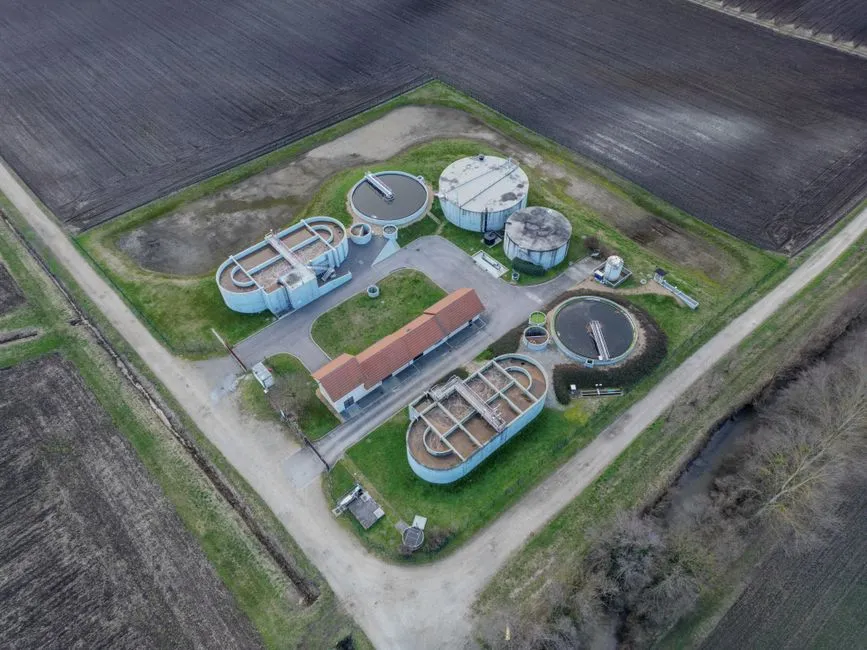
HydropureWater’s 2026 specifications position MBR as the reuse-oriented option and WSZ as the lower-cost, below-grade discharge option (HydropureWater, 2026). The comparison should use effluent quality, hydraulic demand, land availability, reuse objectives, and operating support—not room count alone.
| Parameter | MBR | WSZ underground A/O |
|---|---|---|
| Supplied capacity range | 10–2,000 m³/day | 1–80 m³/h |
| MLSS | 8,000–12,000 mg/L | 3,000–5,000 mg/L |
| Supplied F/M | 0.05–0.15 kg BOD/kg MLSS·day | Not stated in supplied research |
| Effluent BOD | <5 mg/L | ≤20 mg/L |
| Effluent TSS | <1 mg/L | ≤20 mg/L |
| 2026 Cebu turnkey CAPEX per 100 m³/day | PHP 2.8–4.5 M | PHP 1.2–2.5 M |
| Common OPEX | PHP 35–60/m³ treated | PHP 35–60/m³ treated |
HydropureWater characterizes WSZ effluent as adequate for discharge but marginal for direct reuse, while MBR effluent is suitable for toilet flushing and irrigation. It also reports that the MBR footprint is roughly 60% smaller than a conventional activated-sludge plant of equal throughput (HydropureWater, 2026). These findings support MBR where reuse quality or footprint is decisive.
The 2026 Cebu capital-cost scopes differ. WSZ includes FRP tankage, blowers, control panel, delivery, installation, and commissioning. MBR includes equalization, membrane modules, a CIP system, a chlorine dioxide skid, controls, and installation. These are Cebu benchmarks rather than nationwide quotations, and they exclude site-specific civil works unless the quotation says otherwise.
The PHP 35–60/m³ operating band covers blower and pump power, chemicals, membrane-replacement amortization over the supplied 5–7-year basis, and operator labor (HydropureWater, 2026). Compare that band with site-specific power tariffs, chemical prices, staffing, and membrane obligations.
WSZ can sit below grade with landscaping above it. MBR carries higher capital cost but is the stronger choice when direct reuse quality or a constrained footprint justifies that expenditure. Confirm both alternatives against actual peak flow, groundwater, flood level, excavation access, and maintenance arrangements.
Plan Permits and Monitoring for Each Philippine Jurisdiction
The supplied evidence establishes specific 2026 requirements for Lapu-Lapu City, Mandaue, and Cebu City, not a nationwide rule for every Philippine hotel (HydropureWater, 2026). Permitting remains a local-government and Environmental Management Bureau matter, so the buyer should engage the environmental consultant and the municipality or receiving sewer authority before finalizing the process train.
HydropureWater reports that hotels above 30 rooms in Lapu-Lapu, Mandaue, and Cebu City that discharge to sewer or surface water must obtain a Discharge Permit from EMB Region 7 and file quarterly Self-Monitoring Reports signed by the property’s chief engineer (HydropureWater, 2026). This is a Cebu-specific finding. It should not be presented as the permit threshold for Manila, Boracay, Bohol, Palawan, Siargao, or any other jurisdiction.
The same source states that, for a 3-star-and-above property, the 2026 Department of Tourism accreditation review cross-references Discharge Permit validity; an expired or pending permit prevents passage of that accommodation-standards review (HydropureWater, 2026). Permit status therefore belongs in the project schedule as both an opening dependency and an operating obligation.
For the actual site, obtain written confirmation of:
- The legal discharge point and whether it is sewer, surface water, or another receiving system.
- Sewer acceptance conditions or the receiving-water classification.
- Required sampling points, parameters, analytical methods, and reporting cadence.
- The applicable permit conditions and any site-specific effluent limits.
- Monitoring, calibration, record-signing, and corrective-action responsibilities.
Embed self-monitoring instruments, sampling access, calibration duties, and signed records in the supplier’s operating plan. A regional smart-water monitoring analysis can support instrument planning, but the permit and receiving-water requirements remain site-specific.
Calculate the Value of Water Reuse and the Total Cost of Ownership
Fluence’s qualitative assessment is that on-site treatment and reuse can reduce wastewater-disposal and purchased-water costs while protecting the environment that attracts resort guests (Fluence, n.d.). The financial case must nevertheless be calculated from the property’s own tariff, reuse demand, treatment costs, and operating obligations.
HydropureWater’s 2026 Cebu example estimates that a 200-room Mactan resort using MBR effluent for toilet flushing and irrigation can offset 25–40% of municipal water cost. The example uses approximately 50 L per guest per day for toilet flushing and approximately 5 L/m²·day for irrigation over 2,000 m² (HydropureWater, 2026). Do not apply the 25–40% result automatically elsewhere; it depends on occupancy, tariff, reuse demand, pumping, disinfection, and membrane replacement.
- Determine the actual reusable flow from occupancy, fixture demand, irrigation area, seasonal demand, and permitted reuse quality.
- Multiply reusable volume by the property’s applicable commercial water tariff.
- Subtract pumping energy, disinfectant consumption, membrane cleaning and replacement obligations, and other incremental operating costs.
- Compare the net annual benefit with the additional capital required for reuse-capable treatment.
- Test the result under low occupancy, full occupancy, and peak-flow operation.
Fluence notes that modular packaged systems can be delivered and installed within months, whereas traditional infrastructure may require lengthy construction that disrupts guest operations (Fluence, n.d.). Schedule is therefore a commercial benefit, but the equipment supplier must still provide a binding delivery and installation plan tied to site readiness.
The life-cycle comparison should also include sludge-removal frequency, operator availability, membrane cleaning, CIP consumables, and power demand. Use the energy-reduction strategies for water reclamation as a checklist, not as a substitute for the supplier’s guaranteed utility consumption.
Turn the Specification into a Supplier and Acceptance Checklist
Final acceptance should depend on documented site-relevant testing against the applicable permit, not a factory demonstration (HydropureWater, 2026). A defensible request for proposals should place design inputs, performance guarantees, documentation, commissioning, and operating support in one package.
| Procurement area | Document or evidence required |
|---|---|
| Design basis | Guaranteed design flow, peak-flow basis, measured influent characteristics, process calculation, hydraulic drawing, equipment list, utility consumption, noise data, and expected sludge quantity. |
| Compliance and testing | Discharge and reuse standards, permit assumptions, sampling procedure, control narrative, independent testing scope, and acceptance criteria. |
| MBR-specific | Membrane material, module area, design flux, cleaning frequency, CIP scope, replacement assumptions, and replacement membrane pricing. |
| WSZ-specific | Burial depth, groundwater and buoyancy provisions, access covers, bypass strategy, above-ground electrical requirements, and odor controls. |
| Operations | Spare-parts list, operator training, maintenance schedule, remote-monitoring duties, sludge-removal plan, and local support responsibilities. |
| Commercial terms | Installation boundaries, delivery schedule, commissioning protocol, warranty conditions, exclusions, and treatment of permit-related change. |
Ask bidders to identify which calculations and guarantees are their responsibility and which depend on owner-supplied data. This avoids a low quotation that excludes civil works, membrane replacement, sludge disposal, or permit support.
For MBR, the membrane and CIP proposal needs enough detail to test replacement assumptions and lifetime cost. For WSZ, excavation, buoyancy, groundwater, access, and electrical requirements need early resolution because they affect both installation and maintainability.
Use the wastewater equipment supplier evaluation checklist to structure the commercial review, then add the Philippine permit pathway, site constraints, reuse conditions, and local commissioning responsibilities. Final acceptance should be tied to a qualified party’s documented testing and the applicable discharge or reuse permit.
Frequently Asked Questions
What does a hotel wastewater treatment package cost in the Philippines?
HydropureWater’s 2026 Cebu benchmarks are PHP 1.2–2.5 million per 100 m³/day for turnkey WSZ and PHP 2.8–4.5 million per 100 m³/day for turnkey MBR, including the scopes described in the source. Common operating cost is PHP 35–60 per m³ treated. These are Cebu benchmarks, not nationwide quotations; request a site-specific price stating civil works, installation, commissioning, utilities, operator labor, membrane replacement, and sludge disposal as included or excluded.
How should a Philippine resort wastewater plant be sized?
Start with the supplied 150–250 L per guest per day basis, then add food-and-beverage flows of 40–60 L per cover, laundry at 60–80 L per 100 kg of linen, pool backwash, and other sanitary streams. Apply the supplied 2.0–2.5 peak-to-average factor when checking equalization, biological volume, and disinfection contact time. The supplier should document hourly and seasonal calculations rather than size from annual occupancy averages.
What permit is required for a hotel wastewater discharge?
The supplied research establishes that hotels above 30 rooms in Lapu-Lapu City, Mandaue, and Cebu City must obtain a Discharge Permit from EMB Region 7 when discharging to sewer or surface water, then file quarterly Self-Monitoring Reports (HydropureWater, 2026). Other Philippine jurisdictions must be checked directly with the relevant local government and EMB office; the Cebu threshold is not a nationwide rule.
How should a buyer select and evaluate a wastewater supplier?
Compare bidders on site-specific calculations, guaranteed flows and effluent performance, permit-ready documentation, commissioning tests, operator training, local support, spare parts, sludge planning, and warranty boundaries. Require MBR membrane and replacement pricing, or WSZ burial, groundwater, buoyancy, access, bypass, and odor-control provisions, as applicable. A generic factory demonstration should not replace acceptance testing by a qualified party against the actual permit.
Should a Philippine resort choose MBR or buried WSZ?
Choose MBR when reuse quality or a constrained footprint justifies higher capital cost: the supplied 2026 specification gives effluent BOD <5 mg/L and TSS <1 mg/L, with roughly 60% less footprint than conventional activated sludge of equal throughput. Choose buried WSZ when below-grade installation and lower capital cost matter more; its supplied effluent limits are BOD ≤20 mg/L and TSS ≤20 mg/L, which HydropureWater characterizes as adequate for discharge but marginal for direct reuse (HydropureWater, 2026).
Related Equipment
- buried WSZ sewage treatment plant — specifications, capacity range, and technical data