Which technology should a Batavia chemical factory choose?
For chemical wastewater in Batavia, factories should not choose between DAF and a clarifier by equipment name alone. DAF is generally the stronger pretreatment option when the target is floatable oil, grease, FOG, colloids or chemically conditioned fine solids; a clarifier is generally better when the target is heavy, readily settling solids and lower-complexity operation. Ecologix cites 95% oil-and-grease removal for DAF versus 70% for a clarifier on one food-processing stream, while a heavy-sediment mining stream reportedly achieved 90% solids reduction with a clarifier at lower cost. Because chemical streams can vary in pH, toxicity, solubility and precipitation potential, the final choice should follow wastewater characterization, chemical conditioning tests and discharge or sewer limits.
The practical question is not “DAF or clarifier?” but “Which contaminants must the pretreatment unit remove, and what operating burden is acceptable?” An industrial DAF system for chemical wastewater is the stronger candidate where the separation objective is to lift oil, FOG or conditioned particles to the surface. A lamella clarifier for settleable chemical wastewater solids is the stronger candidate where dense solids are the principal load and gravity sedimentation is adequate.
Neither device is a default solution for soluble organics, dissolved salts or toxicity. Those contaminants require source control, equalization and treatment appropriate to their chemistry; they cannot be assigned to flotation or sedimentation without a removal mechanism. The final selection remains conditional because wastewater composition, treatment goals and operating constraints determine whether the separation stage will work.
How chemical wastewater changes the DAF-versus-clarifier decision
Chemical wastewater can combine floatable products, soluble process chemicals, precipitated metals, colloids, dense grit and mixed solids in a stream whose composition changes with production. The first engineering deliverable should therefore be a representative characterization, not an equipment selection.
Request samples across production conditions and document flow variability, TSS, oil and grease, COD, pH, conductivity, toxicity and relevant process chemicals. Identify whether the contaminant is already separated by gravity, attaches to bubbles after conditioning, or remains dissolved. That distinction determines whether a separator is technically relevant.
| Wastewater feature | Primary treatment implication | Question for testing |
|---|---|---|
| Floatable oil, grease or FOG | Favors flotation | Does bubble attachment and skimming recover the target contaminants at peak loading? |
| Dense, readily settling solids | Favors gravity sedimentation | Can the solids settle within the available hydraulic and sludge-withdrawal capacity? |
| Fine or colloidal solids | May require coagulation and flocculation before either mechanism | Which conditioning chemistry produces reliable floc and acceptable chemical consumption? |
| Precipitated metals | Requires chemical generation and solids separation | Which pH and dosing conditions create the required solids without unwanted residuals? |
| Soluble organics, dissolved salts or toxicity | Not physically removable by flotation or sedimentation alone | What source-control, biological or advanced-treatment step is required before discharge? |
Dissolved air flotation captures particles that attach to microbubbles and rise for skimming. A clarifier captures material that settles or is separated by inclined plates. Variable chemistry can alter the coagulant and flocculant demand, so dosing must be evaluated with actual wastewater rather than inferred from clean water. An automatic chemical dosing system should therefore be evaluated as part of the treatment train, including its control response and chemical demand.
Neither separator replaces source control or equalization. Equalization limits hydraulic and compositional shocks; source control prevents avoidable product loss or incompatible discharges. Where dissolved contaminants govern the compliance target, biological or advanced treatment remains downstream.
DAF and lamella clarifier compared
DAF and lamella clarification are not equivalent products with different names: they use different physical mechanisms and therefore suit different contaminant distributions. Clearwater describes microbubbles of 30–50 microns that lift conditioned solids to the surface for skimming. The lamella alternative combines sludge recirculation, flocculation and inclined-plate separation.
| Comparison point | DAF | Lamella clarifier |
|---|---|---|
| Separation mechanism | Bubble attachment followed by flotation and skimming | Flocculation, recirculation and gravity separation through inclined plates |
| Best-supported contaminant role | Oil, grease, FOG, conditioned fine solids and other floatable material | Heavy, settleable solids |
| Documented equipment data | HydropureWater specifies 4–300 m³/h across 13 standard models; Clearwater documents 30–50-micron microbubbles and 304SS standard construction, with 316SS, polypropylene and other materials available | HydropureWater specifies 20–40 m/h surface loading rates and states that its unit reduces chemical consumption by up to 30% relative to the comparator |
| Primary operating considerations | Conditioning chemicals, compressed air, recycle, skimming, scum handling and solids withdrawal | Polymer or other conditioning, sludge recirculation and withdrawal, plate maintenance, odor control and downstream sludge handling |
| Decision risk | Overdosing can impair separation; underdosing can leave fine or oily material in the effluent | Incorrect hydraulic or solids loading can cause carryover, sludge accumulation or unstable operation |
HydropureWater lists food processing, pulp and paper, textile, metalworking, petrochemical and municipal pretreatment among the stated DAF applications. That breadth does not establish performance for every chemical-plant stream; it identifies sectors where the equipment format has been applied. Material selection still depends on the actual chemistry and client requirements.
Ecologix reports 95% oil-and-grease removal with DAF against 70% with a clarifier on one food-processing stream. This is an attributed case example, not a guarantee for Batavia chemical wastewater. Ecologix also reports 90% solids reduction at lower cost with a clarifier on a heavy-sediment mining stream. That result supports the mechanism, but it should not be transferred to a mixed chemical stream without testing. Further context appears in DAF versus clarifier for metals wastewater.
Where DAF has the advantage in a chemical process
DAF is the technically stronger pretreatment choice when oil, grease, FOG, low-density contaminants or conditioned fine solids must be removed before discharge or downstream biological treatment. Its advantage comes from bubble attachment and surface recovery, not from a general ability to remove every contaminant.
Conditioning is central to that process. Clearwater states that chemical coagulation and flocculation increase particle size and the ability of solids to contact microbubbles. Candidate coagulants and flocculants should therefore be tested with the actual stream and the intended solids-loading sequence. An automatic chemical dosing system should be evaluated for adjustment range, control response, chemical storage, compatibility and maintenance access.
DAF systems can remove floated material automatically with paddle skimmers. Clearwater also describes a bottom collection zone where heavier material settles and is removed with an auger, which means a DAF proposal should identify how scum, settled solids and wastewater from each collection point will be handled. Neither the skimmer nor the solids outlet should be treated as an automatic disposal solution.
For constrained installations, Clearwater describes a pre-assembled COMPACT DAF arrangement incorporating conditioning equipment, sensors, instruments and a control panel. Its PLC controls allow operators to adjust chemical dosing pumps, skimmer speed and sludge discharge. Procurement should require the industrial DAF system for chemical wastewater to state the material of construction, pumping arrangement, control package, utility demand and waste-handling boundaries—not merely compare tank surface area. To review adjacent removal options, see the comparison of oil and grease removal technologies.
Where a lamella clarifier is the stronger choice
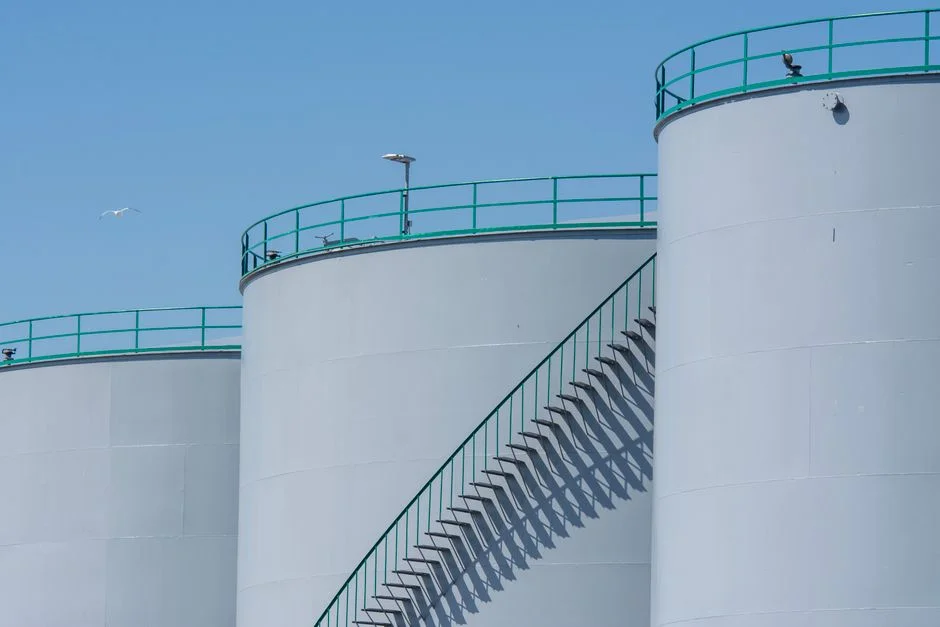
A lamella clarifier is the stronger choice when dense, settleable solids dominate and the treatment objective is solids capture rather than oil or FOG recovery. Its advantage is a gravity-based process that can be appropriate where the wastewater chemistry supports flocculation and the required solids settle predictably.
HydropureWater documents surface loading rates of 20–40 m/h for its lamella clarifier. Treat that as an initial equipment-selection reference, not as a final hydraulic design: industrial separator sizing must also reflect the actual flow distribution, contaminant loading, settling behavior, sludge characteristics and treatment goals. The applicable BATAVIA-area AECOM submission dated 2026-10-21 lists wastewater hydraulics, maintenance, operations, odor treatment and sludge handling among the workstreams that require explicit project definition.
HydropureWater also states that its lamella unit reduces chemical consumption by up to 30% relative to the comparator. That is a product specification, not a guaranteed saving for the site. Actual demand depends on wastewater chemistry, conditioning trials and the required solids capture.
A comparable proposal should define sludge withdrawal, recirculation, plate access, odor controls and downstream solids handling. The plate-frame filter press can be considered where dewatering is required, but its suitability depends on the recovered sludge’s composition and handling route. Do not assume that a clarifier is cheaper: compare chemical, compressed air where applicable, power, labor, maintenance, sludge handling and disposal on the same operating basis.
A six-step selection and pilot-testing workflow
A defensible Batavia selection converts chemistry, separation targets and operating requirements into tested performance before a purchase order is issued.
- Characterize the stream. Obtain representative samples across production conditions and document flow variability, TSS, oil and grease, COD, pH, conductivity, toxicity and relevant process chemicals.
- Define compliance. Establish the applicable sewer-pretreatment or discharge target and identify the pollutants that actually control equipment selection.
- Bench-test conditioning. Compare candidate coagulants and flocculants using the real wastewater and intended solids-loading sequence.
- Pilot both candidates where practical. Measure target-contaminant removal, recovered-solids quality, chemical consumption, hydraulic response and operability.
- Compare whole-life inputs. Request like-for-like schedules for chemicals, compressed air, power, labor, maintenance and sludge handling.
- Write acceptance criteria. Define test methods, sample points, guaranteed targets, nuisance conditions, controls, training and documentation in the purchase specification.
| Pilot output | Minimum evidence needed | Decision supported |
|---|---|---|
| Separation performance | Representative feed, documented test method and performance across operating conditions | Whether the unit can meet the defined target |
| Conditioning demand | Chemical identity, dose and observed floc or flotation response | Comparative operating cost and process stability |
| Hydraulic behavior | Flow range, peak loading and effluent response | Industrial separator sizing and equalization needs |
| Recovered solids | Solids concentration, consistency, contaminant content and handling route | Sludge withdrawal, dewatering and disposal scope |
| Operability | Control response, start-up behavior, operator intervention and maintenance access | Staffing, service requirements and acceptance terms |
The final specification should also capture operating data. McIlvaine’s discussion of remote monitoring, system intelligence and decision systems supports integrated monitoring of treatment equipment rather than purchasing a stand-alone tank. For chemical dosing, require the controls interface and operating records to be included in the automatic chemical dosing system scope.
What to require in a Batavia wastewater equipment proposal
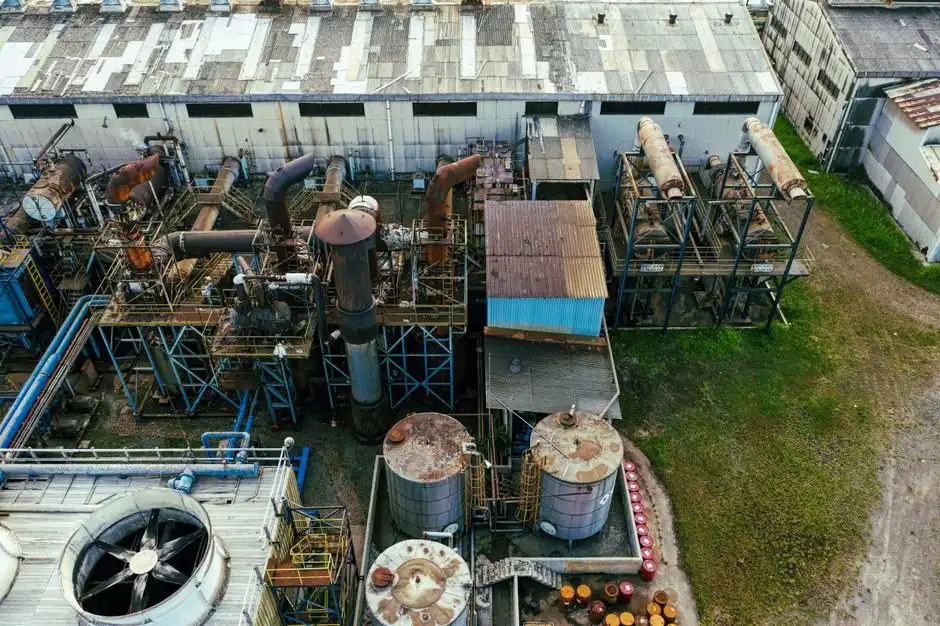
A comparable proposal must expose the design basis, equipment scope and exclusions; otherwise, price and performance claims are not comparable. The wastewater characterization, treatment targets, hydraulic design and material schedule belong in the bid documents.
| Proposal item | Information the buyer should require | Basis for comparison |
|---|---|---|
| Design basis | Average and peak flow, contaminant loading, wastewater characterization, hydraulic loading and applicable treatment targets | Both bids address the same actual stream |
| Equipment | Flow basis, air or solids-loading basis, configuration and performance under the proposed dosing | Capacity is engineering-based, not nameplate-only |
| Materials | Complete materials schedule and corrosion or compatibility basis | Clearwater identifies 304SS as standard DAF construction and offers 316SS, polypropylene and other materials upon request |
| Modular configuration | Actual skid arrangement and treatment capacity | Clearwater identifies one skid at 66 GPM or less and a modular two-skid arrangement for larger flows; confirm the project design basis |
| Performance | Verified removal under project wastewater and chemical dosing, not only clean-water results | Guarantees relate to the Batavia stream |
| Scope and commercial terms | Included equipment, exclusions, installation, commissioning, controls integration, utilities, footprint, noise, start-up, spares, training and service support | Commercial comparison reflects the same plant obligations |
Ask vendors to identify exclusions explicitly, including pumps, mixers, tanks, controls, chemical storage, sludge withdrawal, odor control, installation, commissioning and training. For a DAF bid, require the industrial DAF system for chemical wastewater to state how floated scum and bottom solids are removed, where they go and what utilities they consume. This avoids accepting a performance claim that depends on equipment or disposal costs left outside the bid.
Frequently Asked Questions
Is a clarifier cheaper than DAF for chemical wastewater treatment?
Not automatically. Ecologix describes clarifiers as generally having lower operating costs, while noting that DAF may be more cost-effective for specific oily contaminants. Ask each supplier for like-for-life estimates covering conditioning chemicals, compressed air, power, labor, maintenance, sludge handling and final disposal. Do not compare tank prices alone.
What DAF capacity should a Batavia chemical plant specify?
HydropureWater’s DAF range covers 4–300 m³/h across 13 standard models, but that range does not establish the correct size. Select against peak and average flow, contaminant loading, wastewater chemistry, treatment goals and the proposed operating envelope. Relevant process experience is also summarized in DAF and clarifier selection for petroleum wastewater.
How should a factory screen equipment suppliers?
Require evidence from wastewater testing and conditioning trials, then compare proposals using the same wastewater characterization, treatment targets, materials schedule, utility demand, excluded items and acceptance criteria. Supplier capability matters less than demonstrated performance with the actual stream. Clearwater’s material disclosures and skid benchmarks are useful reference points, but each project must confirm its own design basis.
What compliance risk should be addressed before ordering equipment?
Establish the applicable local sewer-pretreatment or discharge limits before selecting the separator, and tie any performance guarantee to those limits and to the actual chemical wastewater. Soluble organics, dissolved salts or toxicity may require downstream biological or advanced treatment even when DAF or a clarifier performs well on particulate contaminants.
Can a DAF and clarifier be used together?
Yes. Ecologix states that hybrid systems can combine DAF oil removal with clarifier sedimentation capabilities. The supplied research does not establish a universal train configuration, so the combined role should follow the contaminant split, pilot results, available footprint and treatment objectives rather than a standard arrangement.
Related Equipment
- industrial DAF system for chemical wastewater — specifications, capacity range, and technical data