Which separator should a Chunchula factory choose in 2026?
For mining and metals wastewater in Chunchula, choose dissolved air flotation (DAF) when the target contaminants are oils, FOG, colloidal solids, or flocculable precipitates that can attach to microbubbles and float. Choose conventional or lamella clarification when dense mineral fines and metallurgical solids settle readily. Do not decide from average flow or the word “clarifier”: characterize each stream, test peak and batch conditions, and compare both mechanisms using the same wastewater and chemical assumptions. A combined train is appropriate only when testing shows distinct heavy-settleable and floatable fractions, or when a defined reuse or discharge target needs additional polishing.
DAF uses pressurized air released as microbubbles. The bubbles attach to suspended or conditioned particles, which rise and are skimmed from the surface. Clearwater specifies 30–50-micron microbubbles for its DAF systems in its April 27, 2026 publication. Gravity clarification instead collects settleable solids at the bottom; a lamella clarifier adds inclined plates to increase effective settling area within a compact tank.
The practical selection rule is contaminant behavior, not equipment terminology. Favor flotation for material that floats or can be made flocculable; favor clarification for heavy, readily settleable solids. Consider both only after application-specific testing identifies what each fraction requires. A DAF may be marketed as a “flotation clarifier,” but that description does not make it equivalent to a gravity-settling clarifier.
The 2026 mining wastewater DAF and clarifier factory guide provides a useful framework for connecting contaminant behavior, hydraulic demand, and sludge handling before a vendor selects a configuration.
Why Chunchula mining wastewater is a mixed-fraction decision
Mining and metals wastewater can combine several physically different loads, so total suspended solids alone cannot determine the separator. A plant may receive dense mineral fines from mill discharge or a tailings-thickener overflow, colloidal clays, oils and greases from mobile equipment, residual flotation reagents, and metals that are dissolved or attached to hydroxide precipitates. These fractions respond differently to flotation, gravity settling, and chemical conditioning.
Fluence’s mining application guidance identifies heavy metals and oil wastes as potential flotation targets, while stating that DAF is not well suited to high levels of heavier particles such as silt and clay that do not float. That limitation makes direct testing more useful than treating “mining wastewater” as one homogeneous stream. A clarifier may remove dense solids effectively while allowing colloidal fines, oils, surfactants, and metal-bearing particles to pass; a DAF may capture conditioned oils and flocs but should not be expected to handle a heavy, non-floatable solids load on the same basis as a gravity settler.
Lamella plates improve the footprint and settling capacity of gravity separation; they do not remove colloidal fines, oils, surfactants, or dissolved metals. Nor can “metals” determine separator selection without analytical differentiation. The characterization plan should distinguish total and dissolved metals, identify whether metal is attached to settleable or floatable solids, and specify sample locations and analytical methods. Kemco states that reliable DAF capture of metals depends on conditioning the metal-bearing solids and separating the resulting floc.
- Classify each source: tailings or mill discharge; washdown and stormwater; equipment wash; contact and process water; and batch releases.
- Assign contaminant fractions: heavy and settleable, buoyant, colloidal, flocculable, dissolved, or mixed.
- Separate treatment objectives: bulk solids removal, FOG capture, metal-bearing solids removal, final polishing, or reuse preparation.
- Check pretreatment needs: gross solids and high-density material may need protection before the selected separator.
Where gross debris could damage downstream equipment, evaluate a continuous-duty mechanical bar screen as a source-protection measure rather than treating it as a substitute for process characterization.
DAF and clarifier performance compared
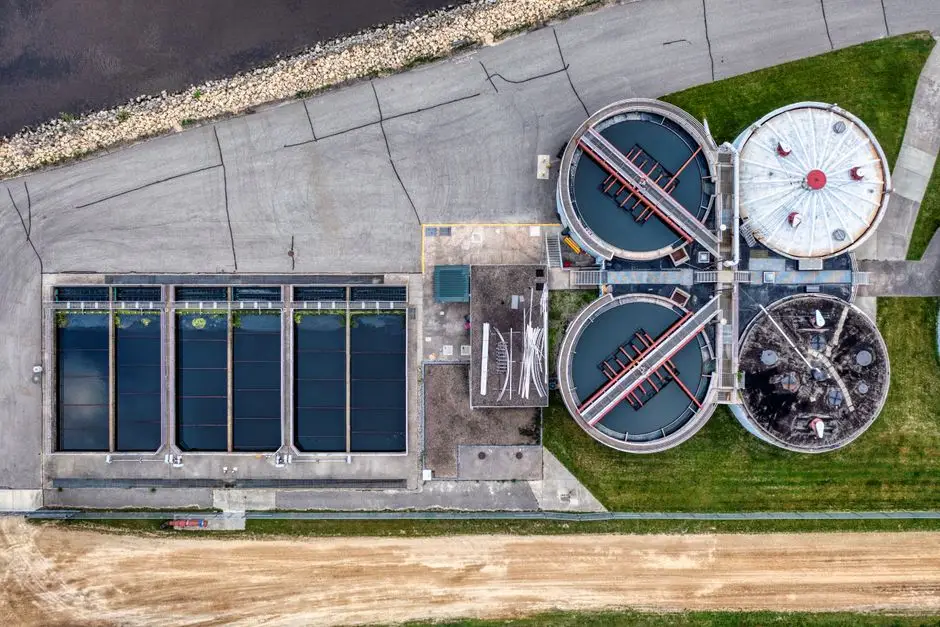
DAF performance depends strongly on whether the target solids can be conditioned and attached to microbubbles; clarification performance depends on particle settleability, hydraulic distribution, surface overflow rate, and sludge withdrawal. Comparing only tank volume or nominal flow obscures those different design bases.
| Design factor | Dissolved air flotation | Conventional or lamella clarification |
|---|---|---|
| Separation mechanism | Microbubbles attach to suspended or conditioned particles; the float is skimmed. | Settleable solids fall to a bottom collection zone and are withdrawn; lamella plates increase effective settling area. |
| Best-fit fractions | FOG, oils, residual reagents, biological flocs, fine precipitates, and colloidal material after effective coagulation and flocculation. | Dense mineral fines, tailings, and metallurgical sludge that settle readily. |
| Primary limitation | Heavy silt and clay loads are poorly suited to flotation; conditioning and recycle performance can constrain separation. | Colloidal fines, oils, surfactants, and dissolved metals are not removed simply because lamella plates are present. |
| Chemical basis | Coagulant, pH adjustment, and flocculant dose must be established through jar testing. | Flocculation may assist settling, but its dosing objective differs from flotation conditioning. |
| Sludge route | Float is skimmed and may require dewatering depending on conditioning. | Underflow is withdrawn from the bottom; lamella systems may recirculate sludge. |
| Hydraulic basis | Must match peak flow, recycle system, solids loading, and skimming duty. | Must match settleability, settling area, hydraulic distribution, and withdrawal capacity. |
The Logan, Utah wastewater-treatment study recorded an optimum 30 mg/L aluminum sulfate dose for its lagoon-effluent application (Utah State University, 2011). That result is not a mining-stream dose. It demonstrates why an RFQ should require site chemistry and jar-test evidence rather than accept a generic coagulant dose.
Clearwater’s April 27, 2026 publication distinguishes FPAC as a small-to-medium-flow, high-solids configuration; FPBC as a high-profile separator for low-to-medium solids loads, including low-buoyancy particles; and FPHF as a high-flow configuration for low-to-large solids loads. These are configuration distinctions, not guarantees that any model fits Chunchula’s hydraulic and solids profile.
A DAF process review should include a PLC-controlled industrial DAF system and an integrated PLC-controlled chemical dosing skid for coagulant and flocculant, not an optional accessory. For a gravity alternative, the high-efficiency lamella clarifier information lists surface loading rates of 20–40 m/h and up to 30% lower chemical consumption; require the bidder to connect those figures to the characterized Chunchula design basis.
Do not accept an unstated removal percentage or a universal air-to-solids ratio. The supplied research does not establish either as a guarantee for this stream.
When Chunchula plants need pretreatment or both technologies
A combined clarifier-and-DAF train is justified only when representative testing shows that one dominant separation mechanism cannot meet the defined treatment objective without leaving a material fraction that the other unit can address.
Clarifier-then-DAF is one possible arrangement for wastewater containing substantial settleable solids plus a floatable or colloidal fraction. It is not a default configuration for every mining plant. In that sequence, the clarifier handles the heavy solids and the DAF polishes the material that escapes. The arrangement must earn its capital, chemical, footprint, controls, and sludge-handling cost.
DAF-before-clarification is another case-specific arrangement. It makes sense when the required outcome is to float conditioned material first and then settle the remaining dense solids. Neither sequence should be selected from product labels or generic industry practice; the order should follow fraction behavior, hydraulic response, and the desired polishing outcome.
| Observed condition | Procurement response | Evidence required |
|---|---|---|
| Substantial sand or gravel plus significant FOG | Evaluate a dedicated pretreatment step before committing all separation to one unit. | Source-separated solids analysis, peak-event sampling, and equipment-protection review. |
| Heavy settleable solids plus colloidal or floatable material | Screen a clarifier-first combined train against a single-stage alternative. | Fraction-specific mass balance and pilot effluent quality. |
| Colloidal material that must be recovered before settling | Screen DAF-first clarification. | Flotation response, conditioned sludge behavior, and downstream hydraulic loading. |
| Advanced reuse objective | Add filtration or membrane treatment where DAF effluent alone is insufficient. | Defined reuse quality specification and pilot or bench validation. |
For dense material that could overload flotation or damage equipment, the research identifies hydrocyclones and shaker screens as possible pretreatment options. A mechanical screen can protect downstream equipment from gross solids, but it does not remove fine mineral or colloidal material. The mining wastewater comparison for FOG and TSS is useful as a secondary screening reference, but the final configuration still depends on representative Chunchula testing.
Size the system from peak flow and solids loading
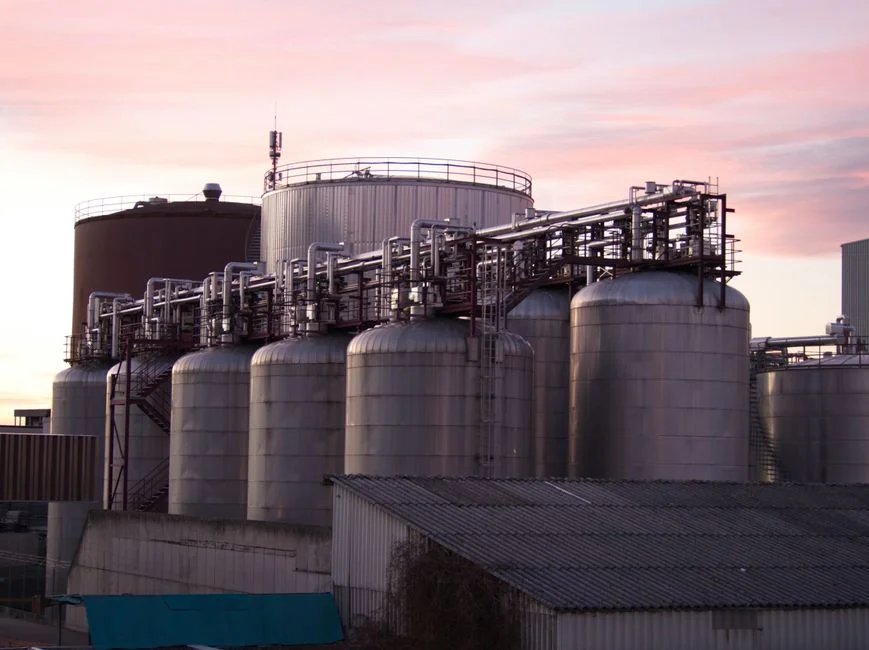
A separator should be sized from peak hydraulic loading and peak mass loading, with chemical demand and sludge behavior established from the same wastewater used for the final comparison.
Begin with a representative characterization program, not one averaged sample. Record flow by source; peak flow; batch-discharge profiles; stormwater contribution; equalization performance; TSS; particle-size distribution; settleability; oils and greases; pH; total and dissolved metals; temperature; and chemistry variability. Include grab samples during washdown and batch releases so that short duration, high-concentration events are not hidden by a daily average.
| Design input | Why the buyer needs it | Required evidence |
|---|---|---|
| Peak flow and batch profile | Establishes hydraulic duty, equalization need, and response to surges. | Continuous flow records plus source-specific batch observations. |
| Peak solids mass loading | Tests tank capacity, skimmer duty, sludge collection, and withdrawal rate. | TSS and solids-production data synchronized to flow. |
| Particle behavior | Shows whether solids are dense, colloidal, floatable, or flocculable. | Particle-size distribution, settleability, and observed float response. |
| Water chemistry | Controls conditioning, corrosion, precipitation, and floc formation. | pH, alkalinity, metals, oils, temperature, and variability. |
| Sludge properties | Defines storage, dewatering, and disposal requirements. | Expected solids volume, moisture content, and recovery test results where available. |
Require jar testing or a pilot study to establish pH adjustment, coagulant and flocculant doses, flotation response, and whether the proposed surface loading or rise rate works with the real solids. Kemco recommends on-site visits, testing, and pilot studies where floatability, chemistry, peak flow, or sludge behavior is unknown; a generic capacity table cannot resolve those uncertainties.
Each vendor should state the proposed tank, surface area, solids-handling arrangement, recycle system, and material selection against the characterized peak-flow basis. For variable-flow proposals, require a control narrative for feed and recycle rates, skimming capacity, sludge withdrawal, alarms, and batch operation. The response must keep the influent inside the selected unit’s design window under the documented surge cases; a nominal-flow model is not a design basis.
Ask whether the bidder modeled equalization upstream or provided surge-management controls. If peak flow is undefined, the equipment selection remains conditional. That same requirement should apply to clarification, where hydraulic distribution and sludge withdrawal can limit performance even when particle settling is favorable.
Compare the full treatment train and 2026 budget
A separator quotation is not a treatment-train budget. A like-for-like comparison should price the separator, pretreatment, pH control, chemical conditioning, sludge removal, dewatering, controls, utilities, installation inputs, maintenance, and disposal under the same design basis.
One HydropureWater guide places industrial DAF capital cost at $150,000 to over $1.5 million, depending heavily on flow and materials of construction (HydropureWater, 2026). This is a broad source-backed estimate, not a Chunchula quotation. The same guide states that mining applications may require 316L stainless steel or specialized coatings for acidic or abrasive mineral slurries. Require bidders to show where those materials are needed rather than applying them indiscriminately.
| Cost element | Items to price separately | Buyer check |
|---|---|---|
| Primary separation | Separator tank, recycle system, surface-skimming or sludge-withdrawal equipment. | Is the offer DAF, gravity clarification, or a combined train? |
| Pretreatment and conditioning | Gross-solids protection, pH control, coagulant and flocculant equipment. | Are dosing controls integrated with flow, level, and pH instrumentation? |
| Sludge handling | Storage, transfer, dewatering, moisture management, and disposal. | Are expected sludge volume and properties stated? |
| Controls and utilities | PLC, instruments, alarms, data logging, compressed air, power, and service connections. | What operating labor and maintenance is included? |
| Ownership | Installation, commissioning, training, spares, warranty, and manufacturer service. | Are exclusions and customer responsibilities written explicitly? |
DAF float is skimmed and may need dewatering depending on conditioning; clarification underflow is withdrawn from the bottom. Compare storage time, moisture expectations, filter-press compatibility, and disposal frequency for both routes. A well-conditioned DAF may produce thick sludge requiring little further dewatering, making downstream sludge handling a material cost lever. A plate-and-frame sludge filter press should therefore be considered in the process and ownership boundary, not treated as an undefined consequence.
The supplied research does not provide a universal 2026 price for either separator. Request budgetary quotes tied to flow, TSS, contaminant fractions, peak events, materials, utilities, sludge route, controls, installation, and service scope. Compare lifetime chemical use, power, labor, maintenance, spare parts, and disposal—not purchase price alone.
Build an Alabama-compliant vendor solicitation
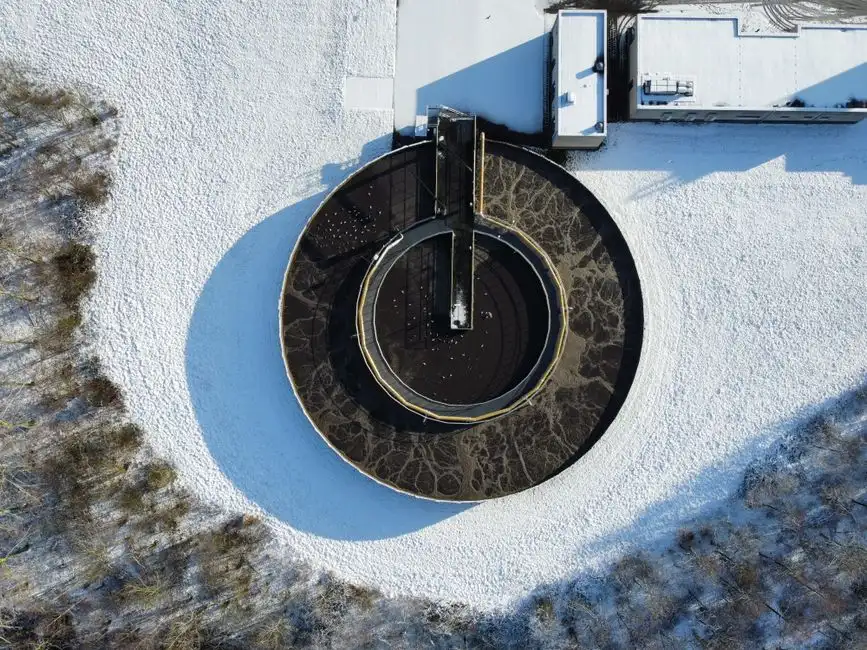
A defensible Alabama RFQ should make bidders demonstrate process fit, permit compatibility, and commercial completeness against the same characterized wastewater.
First, require every bidder to identify the separation mechanism. The word “clarifier” is not a sufficient scope description. Ask bidders to screen both DAF and gravity clarification using the same wastewater, chemical-conditioning assumptions, hydraulic profile, and performance criteria. If only one candidate was considered, require an explanation showing that the other was technically screened rather than excluded by product preference.
Performance evidence must identify the wastewater, chemical doses, flow, temperature, test method, sampling point, and acceptance criterion. Case studies are evidence, not guarantees. Require mining or metal-bearing references with comparable operating conditions and request a site-specific test or pilot plan rather than accepting a generic customer list.
| RFQ package | Required content | Reason for the requirement |
|---|---|---|
| Process basis | Source flows, peak and batch cases, wastewater characterization, fraction analysis, and target effluent quality. | Prevents selection from average flow or generic removal claims. |
| Technical calculation | Tank, surface area, hydraulic basis, recycle, solids handling, chemical demand, and controls response. | Shows how the equipment handles actual site duty. |
| Controls schedule | Chemical dosing, pH, level, skimmer or withdrawal, monitoring, alarms, and data logging. | Defines operational and compliance assurance. |
| Materials schedule | Actual chemistry, temperature, corrosion rationale, and selected materials. | Connects construction to site conditions. |
| Sludge route | Source, estimated characteristics, storage, dewatering, disposal, and responsibility boundaries. | Exposes downstream operating cost. |
| Permit compliance | Applicable authorization, discharge point, limits, test methods, and compliance narrative. | Prevents unsupported “meets all limits” statements. |
| Commercial schedule | Equipment, pretreatment, dosing, controls, utilities, installation, commissioning, service, warranty, and exclusions. | Enables like-for-like total-cost comparison. |
Clearwater states that its standard DAF clarifiers use 304SS, with 316SS, polypropylene, and other materials available on request (Clearwater, April 27, 2026). Require the bidder to map construction selections to actual chemistry and temperature; a materials list without rationale is not an engineering basis.
For Chunchula and other Alabama facilities, identify the applicable discharge authorization or sewer pretreatment permit and require bidders to demonstrate how the proposed scope relates to the site’s current limits, discharge point, and analytical requirements. Do not accept a generic assertion that equipment “meets all limits.” The supplied research identifies 40 CFR Part 436 and Part 403 as relevant federal references, but the responsible engineer must confirm their applicability against the facility’s current permit, process, discharge point, and regulations.
The 2026 mining and metals pretreatment requirements provides a related screening reference; it does not replace site-specific permit review. A properly structured RFQ should therefore identify the permit basis, required evidence, and responsible party for each compliance claim.
Frequently Asked Questions
How much does a DAF or clarifier cost for a Chunchula mining wastewater system?
There is no defensible universal 2026 quotation for either technology. One HydropureWater guide gives a broad industrial DAF capital estimate of $150,000 to over $1.5 million, depending on flow and materials (HydropureWater, 2026), but that is not a Chunchula price. Request budgetary pricing for the separator, pretreatment, pH control, PLC-controlled chemical dosing, sludge removal and dewatering, controls, utilities, installation, commissioning, maintenance, and disposal. Require the same scope from every bidder so the comparison reflects the treatment train rather than a tank price.
What flow and wastewater data should I provide before sizing a separator?
Provide flow by source, peak flow, batch-discharge profiles, stormwater contribution, equalization data, TSS, particle-size distribution, settleability, oils and greases, pH, total and dissolved metals, temperature, and chemistry variability. Also provide the expected sludge route and any reuse or discharge target. These inputs must be paired with jar testing or pilot results; average flow and a single averaged sample are not sufficient for sizing either DAF or clarification.
Which vendor is most suitable for a mining or metals wastewater DAF or clarifier?
Select on demonstrated fit, not product breadth or service claims. Require the supplier to identify the separation mechanism, comparable mining or metal-bearing references, controls, materials rationale, sludge-handling scope, utilities, service responsibilities, and warranty boundaries. Also ask for a pilot or site-specific test plan. A reference proves experience under stated conditions; it does not guarantee performance on the Chunchula stream.
Can a DAF alone satisfy the Chunchula plant’s discharge or reuse requirements?
That cannot be decided from the technology name. The current Alabama discharge authorization or local sewer pretreatment permit must be identified, and the required effluent characteristics must be compared with representative treatment results. A DAF may provide the necessary solids and FOG separation for some streams, but advanced reuse objectives may require filtration or membrane treatment. Have the responsible engineer confirm the permit basis and define analytical methods, sampling points, and acceptance criteria before specifying equipment.