Is an EGSB Reactor Suitable for Biodiesel Wastewater?
An expanded granular sludge bed reactor is a compact anaerobic biological treatment option for suitable high-strength industrial wastewater, but biodiesel-wastewater suitability cannot be confirmed from general EGSB evidence alone. The system uses granular sludge and high up-flow velocities to improve mass transfer; a commercial overview reports an organic loading range of 15–30 kg COD/m³/day. The supplied academic evidence covers slaughterhouse, antibiotic and cheese-whey wastewaters—not biodiesel wastewater. A defensible evaluation therefore requires characterization of COD, oil and grease, FOG, suspended solids, pH, temperature, toxicity, nutrients and flow variability before pretreatment, reactor sizing, recirculation and polishing are fixed.
The reactor is not simply a smaller UASB vessel. Clean Water Technology describes EGSB as a sophisticated improvement of UASB technology that operates at extremely high up-flow velocities and promotes better mass transfer while removing high levels of organic material in a small volume. That compact, high-rate concept makes an EGSB reactor for biodiesel wastewater worth screening where the effluent has a substantial biodegradable organic load and the plant can control solids, FOG and hydraulic shocks.
The feasibility boundary is application-specific evidence. The supplied research includes an IWA Publishing study on EGSB treatment of slaughterhouse wastewater, an Ecotoxicology and Environmental Safety investigation using one lab-scale EGSB reactor for antibiotic wastewater, and a 2023 Frontiers in Sustainable Food Systems study of cheese-whey treatment. These demonstrate that EGSB has been investigated in other wastewaters, but they do not establish removal, loading, granulation stability or methane yield for biodiesel production wastewater.
The CECTank loading reference of 15–30 kg COD/m³/day supports preliminary screening only after the actual influent, reactor configuration and treatment train have been defined. If equalization cannot buffer batch dumps and wash-water peaks, or if FOG and inhibitory chemicals threaten the granular sludge, EGSB selection should stop at the feasibility stage. Further reactor-architecture context is available in the UASB reactor selection guide.
How EGSB Treatment Works
Wastewater moves upward through an expanded bed of dense granular sludge, where microbial biomass remains in contact with the liquid long enough to convert biodegradable organics into methane and carbon dioxide. High up-flow velocity increases liquid–biomass contact and supports mass transfer, which is the defining feature cited by Clean Water Technology.
Three outputs must be designed separately:
- Organic removal: the reactor treats biodegradable material carried by the liquid stream. This requires a treatment objective and evidence based on the characterized influent rather than a generic COD-removal claim.
- Methane production: gas generation creates a fuel and safety-design requirement. The 2023 Frontiers in Sustainable Food Systems cheese-whey study reports that syntrophy between bacteria and archaea enhanced methane production in an EGSB bioreactor, but it does not establish a methane yield for biodiesel wastewater.
- Sludge handling: retained granular biomass, excess sludge and any pretreatment solids require an inventory, separation strategy and downstream disposal or reuse route.
Wastewater recirculation supports liquid mixing and can dilute toxins, consistent with the CECTank description. It also affects hydraulic distribution and solids retention. The research supplied does not establish a biodiesel-specific recirculation ratio, so that value must be calculated from influent characteristics, reactor configuration, up-flow requirements and pilot results rather than selected independently.
Granular sludge is not interchangeable with flocculent sludge. The supplier must define how the bed is established, how particle retention is maintained, what sludge-discharge provision is required and how the system responds to organic, hydraulic and toxic upsets. For an industrial mechanical screening step, the evaluation should identify where visible solids are removed and whether that duty is distinct from the finer solids and FOG removal required before biological treatment.
Biodiesel Wastewater Characterization Before Reactor Selection
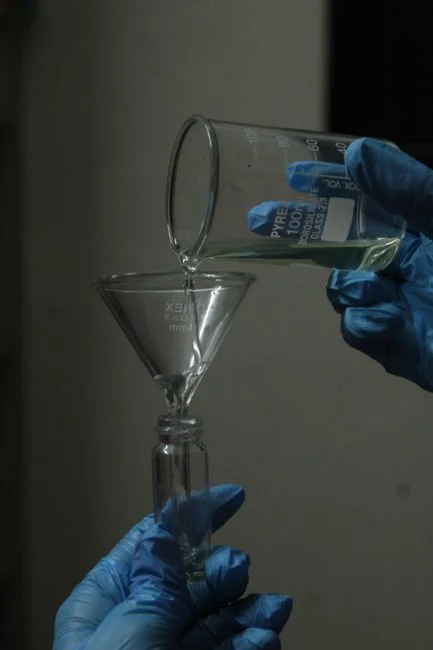
Average daily flow is insufficient for sizing an EGSB because batch discharges and wash-water dilution can change organic loading, temperature and contaminant concentrations faster than the reactor can adapt. The design basis should follow the production schedule and the hydraulic path from each waste-generating operation.
Request hourly and daily flow records covering normal production, shutdown, startup, cleaning and abnormal discharges. For each stream, identify batch dumps, storm or wash-water inputs, retention times and the operating pattern of the biodiesel production units. Use these records to construct both an average mass balance and the transient load that reaches the proposed treatment train.
| Design input | Information required | Decision affected |
|---|---|---|
| Flow | Hourly and daily flow, batch dumps, wash-water peaks and production schedule | Equalization, reactor volume and peak hydraulic loading |
| Organic load | COD, biochemical oxygen demand and load-per-batch records | Biodegradability, organic loading and polishing requirements |
| Solids and FOG | Total and suspended solids, oil and grease, and FOG where relevant | Screening, DAF requirement and granule protection |
| Chemical condition | pH, temperature, salinity and nutrient balance | Conditioning, biological stability and alkalinity demand |
| Inhibitors | Cleaning chemicals, methanol, caustic, acids and other process additives | Source control, toxicity assessment and feed acceptance limits |
The organic mass balance must show how much COD and FOG actually reaches the reactor after segregation, recovery and physical pretreatment. A plant-average COD value can conceal the batch that determines sludge washout, pH shock or acid loading.
Identify the plant’s complete chemical inventory and whether these materials enter segregated drains or combine with the proposed reactor feed. Use bioassay or pilot evidence to assess their effect on anaerobic microorganisms; chemical labels alone do not establish an inhibition threshold.
The supplied sources contain no biodiesel-specific limits, pilot results or guaranteed EGSB loading rates. Those values must come from characterization, supplier design data and appropriate testing. A DAF pretreatment review for biodiesel wastewater should therefore begin with measured solids and FOG behavior, not an assumed equipment duty.
Pretreatment and Equalization for a Biodiesel Wastewater EGSB Train
A defensible treatment train protects the EGSB from the contaminants and transients that determine whether granular sludge can remain active.
- Screening and source segregation: remove visible debris and prevent wash water or high-concentration streams from entering the reactor feed.
- Equalization:
mix and attenuate batch and hydraulic variation before the biological step. - Solids and FOG removal:
separate material that could coat granules, float, clog or impair gas transfer. - Conditioning:
adjust pH and nutrients only where characterization shows a requirement. - EGSB treatment:
apply the characterized organic load within a demonstrated operating envelope. - Polishing:
meet the final discharge or reuse requirement after biological treatment. - Residuals and gas management:
provide routes for sludge, separated oil, off-gas and safety controls. A DAF system for biodiesel wastewater can remove suspended solids, oil and grease, and colloidal matter before anaerobic biological treatment. The HydropureWater catalog identifies those removal targets and lists 13 standard models with capacities from 4 to 300 m³/h. This is equipment-selection evidence, not proof that DAF will solve the plant’s FOG or emulsion problem; performance depends on the actual wastewater and operating conditions.
Where the characterization shows a pH or nutrient deficit, automatic chemical dosing and pH control can provide controlled conditioning. The product is described as PLC-controlled and skid-mounted for rapid installation, but chemical selection, dose, storage, duty response and downstream effects still require an engineered design.
Equalization matters because CECTank identifies shock-load susceptibility as a disadvantage of EGSB and notes that recirculation dilutes toxins. These are reasons to improve upstream control and confirm the reactor response through pilot testing; they are not a basis for copying a generic hydraulic or recirculation value.
Gate Required evidence Proceed only if Wastewater characterization Flow, COD, FOG, solids, pH, temperature, nutrients and inhibitor inventory The complete design basis and batch loads are defined Physical pretreatment Solids and oil-and-grease removal performance on representative wastewater EGSB feed conditions remain within the supplier’s demonstrated envelope Toxicity assessment Bioassay or pilot response to actual process chemicals No unresolved toxicity risk remains Pilot testing Documented loading, stability, gas and solids behavior Performance supports the proposed reactor basis Pilot testing and toxicity assessment should be the decision gate before committing to EGSB capacity or a guaranteed loading rate.
EGSB Design Parameters and Evidence Boundaries
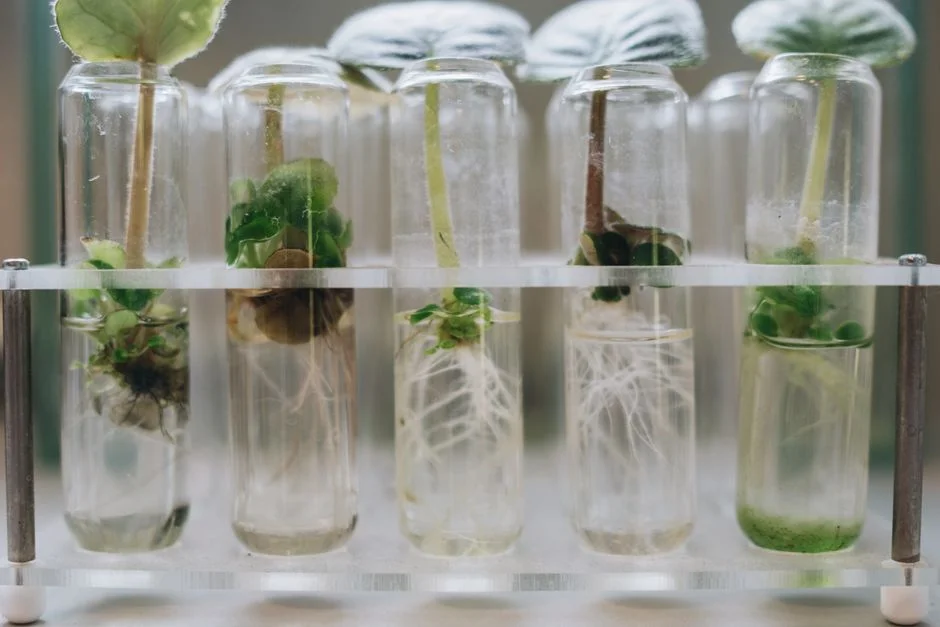
CECTank reports an EGSB organic loading reference of 15–30 kg COD/m³/day, described as “ultra-high” in its commercial EGSB overview. This is a preliminary screening reference with a commercial source, not a biodiesel-specific guarantee. The supplier must reconcile it with the characterized wastewater, selected up-flow velocity, hydraulic retention time, reactor configuration and pretreatment.
The academic evidence has narrower scopes. Ecotoxicology and Environmental Safety studied one lab-scale reactor with a 1.47 L volume, examining responses to cephalexin addition, temperature and hydraulic retention time in antibiotic wastewater. IWA Publishing published a study titled “Anaerobic treatment of slaughterhouse wastewater in an expanded granular sludge bed (EGSB) reactor,” but the supplied excerpt does not expose its operating results. The 2023 Frontiers in Sustainable Food Systems paper supports methane production involving syntrophy between bacteria and archaea in cheese-whey treatment.
Parameter Evidence status What the buyer must obtain Organic loading CECTank reports 15–30 kg COD/m³/day as a commercial EGSB reference Calculated loading based on characterized COD and selected reactor volume Reactor scale and test conditions Ecotoxicology and Environmental Safety used one 1.47 L lab-scale EGSB reactor for antibiotic wastewater Application-relevant pilot scale, media, temperature and operating history Environmental response The antibiotic study investigated cephalexin, temperature and hydraulic retention time Plant-specific toxicity and temperature-response data Methane behavior The 2023 Frontiers study examined methane production in cheese-whey EGSB treatment Gas profile, production basis and safety design for the biodiesel feed Final sizing No biodiesel-specific guarantee appears in the supplied research Supplier calculations for volume, up-flow velocity, retention, loading, sludge inventory and recirculation The supplier should calculate reactor volume, up-flow velocity, hydraulic retention time, temperature, pH, organic loading, granulation criteria, sludge inventory and recirculation from the characterized influent. Operating envelopes should be supported by comparable installations or pilot data. Generic transferability from slaughterhouse, antibiotic or cheese-whey treatment is a hypothesis to test, not a substitute for biodiesel-specific evidence.
Choosing EGSB, UASB or a Pretreatment-Heavy Alternative
EGSB should be selected because the characterized wastewater and site constraints support it, not because its high-rate concept produces the smallest reactor on paper. UASB may offer a simpler established configuration, while deeper physical pretreatment can make anaerobic treatment more defensible. If the feed cannot sustain stable anaerobic operation, an aerobic and polishing route may be safer.
Criterion EGSB UASB Pretreatment-heavy alternative High-rate anaerobic potential Investigate for suitable wastewater; biodiesel performance remains unproven in the supplied research Established reactor category for comparable anaerobic applications Can reduce contaminant burden before biological treatment Footprint Compact, tall-tower concept Generally less dependent on the EGSB high-up-flow arrangement Physical equipment and space may offset biological compactness Shock-load management Susceptible unless equalization and controls are effective Requires stable influent management and sludge retention Physical separation may buffer biological loading Capital complexity Higher recirculation and high-up-flow design demands May be simpler, subject to site conditions More pretreatment equipment, pumps and controls Retrofit suitability Depends on footprint, height, access and hydraulics Depends on available vessel and separator arrangements Often more flexible where physical-treatment space is available Application evidence Supplied studies cover other wastewaters, not biodiesel wastewater Broader industrial experience, but still requires feed-specific design Equipment performance must be demonstrated on representative wastewater Compare these options using the same influent, treated-water objective, pilot evidence, site layout and lifecycle assumptions. The UASB reactor selection guide provides a useful architectural comparison, while the industrial UASB pretreatment guide helps separate physical pretreatment duties from the biological reactor.
Procurement Checklist for an EGSB Supplier

A comparable supplier proposal should expose the design basis rather than present only reactor capacity and a loading-rate headline. Require the bidder to state measured influent assumptions, pretreatment responsibilities, reactor volume, calculated organic loading and the expected operating envelope.
Procurement item Required deliverable Acceptance test Design basis Characterized influent, flow regime, temperature, pH, COD, FOG and solids assumptions Inputs reconcile with plant data and measured batch conditions Comparable performance EGSB installations or pilot results with similar COD, FOG, suspended solids, temperature, pH and toxicity Supplier explains differences rather than merely citing unrelated applications Guarantee Measurement point, parameter, averaging period, test influent and remedy for shortfall Terms are measurable and linked to an agreed compliance basis Startup and control Granulation, seeding, monitoring, alarms, shutdown and restart protocols Procedures identify responsibilities, acceptance checks and hold points Auxiliaries Recirculation, gas capture, methane monitoring, odor control, sludge handling, maintenance and spare parts Battery limits reconcile with the site plan and permit requirements Ask how the supplier will accommodate changes in production schedule, wash-water practice and chemical dosing. These assumptions can alter hydraulic and organic loading after installation, so operating flexibility belongs in the guarantee discussion rather than in a separate optional list.
The equipment boundary should also address downstream residuals. If solids removed by plate-and-frame filtration are included in the proposed train, specify feed condition, cake handling, washing, operator exposure and disposal responsibility. Likewise, identify who owns biogas utilization, flare or collection, odor control and safety systems.
Frequently Asked Questions
How much does an EGSB reactor for biodiesel wastewater cost?
There is no defensible price in the supplied research because reactor cost depends on the characterized feed, pretreatment, reactor volume, recirculation, gas handling, polishing and site installation conditions. Request a cost breakdown from each bidder using the same influent basis and battery limits. Ask separately for reactor and auxiliary equipment, pretreatment, civil work, controls, startup, sludge handling, biogas equipment, monitoring, maintenance, and what is excluded.
What sizing data should be supplied before ordering an EGSB reactor?
Supply hourly and daily flow records, batch dumps, production schedules, COD, biochemical oxygen demand, total and suspended solids, oil and grease, FOG, pH, temperature, salinity, nutrients, and the full inventory of cleaning chemicals and process additives. Include a mass balance showing what reaches the reactor after source control and physical pretreatment. Request the supplier’s resulting calculation for reactor volume, organic loading, up-flow velocity, hydraulic retention time, sludge inventory and recirculation, together with the operating limits assumed in those calculations.
Which supplier experience should be checked for an expanded granular sludge bed reactor?
Request comparable EGSB installations and pilot results for wastewaters with similar COD, FOG, suspended-solids, temperature, pH and toxicity characteristics. The Ecotoxicology and Environmental Safety antibiotic study used one lab-scale 1.47 L EGSB reactor, so a laboratory result should not be accepted as full-scale commercial proof. Check the supplied feed data, reactor scale, operating envelope, controls and duration. The supplied IWA Publishing slaughterhouse study and 2023 Frontiers cheese-whey study are relevant academic evidence, but neither establishes biodiesel-specific performance.
How long will equipment delivery and commissioning take?
The supplied research does not provide a lead time, so request a dated project schedule from each supplier and confirm it against the plant shutdown or installation window. Require manufacturing, FAT, shipment, site erection, hook-up, water filling, seeding, granulation, performance testing and acceptance as separate milestones with responsibilities and delay consequences. Obtain the applicable permit conditions from the authority and confirm that gas monitoring, odor control and other compliance obligations are included in the supplier’s scope.
Can biodiesel production wastewater be treated in an EGSB reactor without a DAF unit?
The supplied research does not establish that conclusion for biodiesel wastewater. The HydropureWater DAF catalog identifies suspended solids, oil and grease, and colloidal matter as removal targets, but equipment capability does not determine necessity. Use representative wastewater to establish whether the proposed feed can remain within the EGSB supplier’s demonstrated solids and FOG envelope. If DAF is bypassed, the supplier should state the technical basis and guarantee the reactor feed condition; if it is required, define the separation objective and downstream handling of recovered material.
- Solids and FOG removal: