Can a UASB Reactor Treat Gelatin Wastewater?
A UASB reactor can be considered for gelatin wastewater only after its soluble organic load, pH, temperature, suspended solids, FOG and biodegradability have been characterized. Published evidence supports UASB treatment of comparable food-processing waste, but it does not establish a validated removal rate or sizing basis for gelatin wastewater. The strongest design strategy is therefore pretreatment followed by conservative biological design, startup control and a pilot test. Comparable studies show both the potential and risks: one 800 m³ slaughterhouse UASB suffered biomass washout at oil and grease levels of 413–645 mg/L, while a domestic UASB removed 80% of organic matter but required frequent sludge discharge.
A UASB, or upflow anaerobic sludge blanket reactor, is a biological process in which influent moves upward through a bed of anaerobic granular sludge. Biogas and treated liquid disengage at the reactor top through a three-phase separator. The retained sludge converts biodegradable organic material into methane and carbon dioxide, allowing dewatering and solids handling to remain part of the plant design rather than an afterthought.
Gelatin-processing wastewater deserves investigation because it is a protein-rich, high-strength organic waste stream. Its composition makes anaerobic treatment conceptually relevant, but “protein-rich” is not a performance criterion. The project still needs evidence that the soluble fraction is biodegradable, that nutrients and alkalinity are sufficient, and that suspended material or FOG will not destabilize the granular bed.
The preliminary decision rule is conditional. Proceed to detailed testing when the waste is predominantly soluble and biodegradable and the site can control temperature, pH and alkalinity. Return to characterization or review an alternative process when FOG, excessive suspended solids, inhibitory chemistry or major batch-to-batch variation dominates. DAF pretreatment for gelatin wastewater may be relevant after those measurements are available; automatic chemical dosing for pH and alkalinity control should follow the characterization rather than precede it.
What the Existing UASB Evidence Actually Proves
The available evidence supports UASB behavior under defined waste and operating conditions, but it does not prove a removal rate for gelatin wastewater. The strongest full-scale food-processing analogue in the supplied research is an 800 m³ UASB treating slaughterhouse wastewater with oil and grease concentrations of 413–645 mg/L and a COD/O&G ratio of 26–32% (Brazilian Journal of Chemical Engineering, 2005).
That slaughterhouse reactor experienced macro-molecule accumulation, impaired sludge characteristics, system imbalance and total biomass washout. Coagulation-flocculation removed O&G from the influent and improved the sludge’s physical characteristics, helping control biomass washout (Brazilian Journal of Chemical Engineering, 2005). For gelatin-wastewater evaluation, this supports a clear pretreatment requirement where analogous FOG conditions exist; it does not establish that the same equipment, loading or removal applies.
The domestic-wastewater study provides a different warning. Average total COD was 522 mg/L and organic-matter removal was 80%, but sludge production reached up to 70% of influent COD as suspended solid. Repeated sludge discharge was required on average every 100 days, after which perturbations to the methanogenic community contributed to reactor imbalance and reduced performance. Nitrogen and phosphorus were not removed, and additional treatment was required (International Journal of Environmental Science and Development, 2010).
The brewery study demonstrates that proteolytic organisms can exist in UASB granule sludge. Two strains isolated from brewery-wastewater granules grew at 20–45 °C and pH 6.0–9.7 and used several nitrogenous compounds as carbon and energy sources (International Journal of Systematic and Evolutionary Microbiology, publication date not supplied). This supports biological relevance, not reactor loading, gelatin conversion or discharge performance. A buyer can also review IC anaerobic reactor alternatives for high-strength wastewater when the waste characteristics make a different anaerobic configuration more appropriate.
| Evidence case | Scale and measured parameters | Operating lesson | Direct relevance to gelatin wastewater |
|---|---|---|---|
| Slaughterhouse wastewater | 800 m³ UASB; O&G 413–645 mg/L; COD/O&G 26–32% (Brazilian Journal of Chemical Engineering, 2005) | FOG accumulation impaired sludge and preceded total biomass washout; upstream removal improved sludge characteristics. | Food-processing analogue only. It identifies a failure mode and pretreatment need, not a gelatin design value. |
| Domestic wastewater | Average total COD 522 mg/L; 80% organic-matter removal; sludge production up to 70% of influent COD as suspended solid (International Journal of Environmental Science and Development, 2010) | Sludge discharge averaged every 100 days and disrupted reactor balance; nutrients required additional treatment. | Solids-management warning only. The waste type and operating conditions differ from gelatin processing. |
| Brewery wastewater | Proteolytic strains grew at 20–45 °C and pH 6.0–9.7 (International Journal of Systematic and Evolutionary Microbiology, publication date not supplied) | Protein-degrading anaerobic organisms were present in reactor granules. | Supports biological relevance but does not define loading, retention, conversion or stability for gelatin waste. |
The Gelatin Wastewater Variables That Drive Feasibility
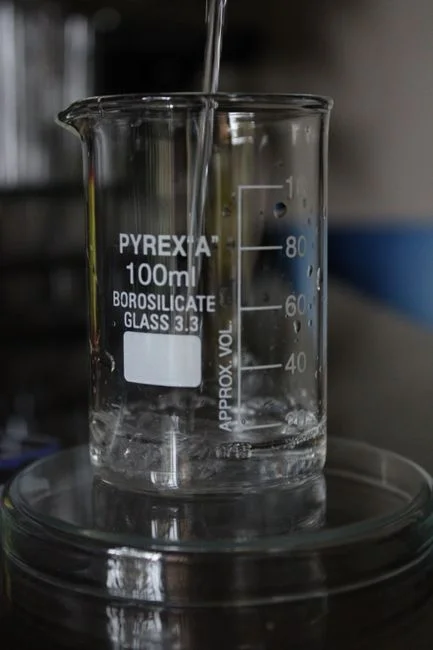
A UASB proposal should begin with representative site data, not a generic high-strength wastewater loading rate. Sampling must span production, shutdown, washdown and clean-in-place cycles because a single grab sample can conceal the batch peaks that drive reactor loading, foaming or washout. The flow and mass balance must identify the peak gelatin-production period and distinguish continuous discharge from intermittent dumps.
Request COD or TOC, soluble and total COD, biochemical oxygen demand, suspended solids, pH, temperature, alkalinity, total nitrogen, total phosphorus, sulfate and conductivity. The supplied research contains no gelatin-specific dataset for these parameters, so no numerical acceptance range should be assumed. The request should also establish whether each reported value is an instantaneous sample, a flow-weighted average or a design-envelope maximum.
FOG and protein fractionation are separate feasibility questions. The slaughterhouse case links high O&G to sludge deterioration and biomass washout, while the brewery study shows that proteolytic organisms can occur in UASB granules. Neither result establishes the gelatin stream’s composition. Measure oil, grease and other floatable material, and characterize soluble versus particulate protein so the supplier does not treat all organic COD as equally biodegradable.
Biodegradability testing should sit beside full-suite analysis. Request BMP or anaerobic-biomass-potential testing where a qualified laboratory is available, together with respirometry where appropriate. These tests distinguish inherent biodegradability from operating losses caused by unsuitable pH, insufficient alkalinity, nutrients, temperature changes or inhibitory compounds.
Seasonal and production variability must be mapped explicitly. The brewery-derived strains were observed across 20–45 °C and pH 6.0–9.7, but that observation is not a universal operating window or proof of gelatin treatment. Rotary mechanical screening may protect downstream equipment from coarse debris; automatic chemical dosing for pH and alkalinity control should be specified only after the required correction range and chemical demand are established.
| Decision input | Evidence status for gelatin wastewater | Information to obtain before sizing |
|---|---|---|
| Flow, COD/TOC, soluble COD and BOD | No gelatin-specific values supplied. | Representative production-cycle sampling, flow-weighted load and peak-envelope data. |
| FOG and protein fractions | Slaughterhouse evidence identifies FOG as a washout risk; brewery strains establish proteolytic relevance, not gelatin performance. | Oil and grease analysis plus soluble and particulate protein characterization. |
| pH, temperature and alkalinity | Brewery strains were observed at 20–45 °C and pH 6.0–9.7; this is not a gelatin operating limit. | Seasonal and batch-cycle ranges, alkalinity reserve and control requirements. |
| Suspended solids and nutrients | Domestic UASB study documents solids accumulation and unresolved nitrogen and phosphorus. | SS, total nitrogen, total phosphorus, sulfate and conductivity with mass balances. |
| Biodegradability | No gelatin-specific BMP or respirometry result supplied. | Qualified BMP or anaerobic biomass-potential testing and respirometry where available. |
Pretreatment and Process Integration That Protect the Reactor
The defensible treatment train begins with equalization and screening, followed by solids or FOG removal where testing requires it, pH and alkalinity adjustment, UASB treatment, gas-liquid separation, polishing and sludge handling. Each unit needs a defined duty, control point and failure consequence. That structure is more defensible than listing a UASB in isolation because the reactor depends on predictable feed quality.
Equalization should damp production and clean-in-place peaks so that hydraulic and organic shocks do not coincide. Screening protects pumps and piping. DAF pretreatment for gelatin wastewater is a candidate where measured FOG, oil, colloids or suspended solids threaten sludge quality; it should not be installed merely because the wastewater is food-processing waste. The 800 m³ slaughterhouse case links upstream O&G removal with improved sludge physical characteristics and control of biomass washout (Brazilian Journal of Chemical Engineering, 2005).
Automatic chemical dosing for pH and alkalinity control is a controlled correction tool, not a substitute for characterization. The chemical, target range and interlocks must follow measured requirements and the proposed biological operating strategy. The domestic UASB case also required treatment for suspended solids and nutrients that anaerobic digestion did not remove, so the final train must address residual discharge requirements rather than assuming UASB alone provides complete treatment (International Journal of Environmental Science and Development, 2010).
Ultrafiltration should not be treated as normal primary pretreatment for a UASB. The supplied equipment description identifies 0.03 μm PVDF membranes and removal of bacteria, colloids and suspended solids, making ultrafiltration for targeted downstream solids separation relevant only where a finer polishing or solids-retention barrier is required. Any biofiltration or other polishing comparison should be evaluated against the final effluent quality; see food-processing wastewater polishing options.
| Process step | Design duty | Control point | Failure consequence |
|---|---|---|---|
| Equalization and screening | Damp hydraulic and organic peaks; remove coarse material. | Level, flow, screening condition and batch dumping. | Shock loading, pump damage or biomass carryover. |
| Solids/FOG removal where justified | Reduce material that impairs granular sludge. | Feed FOG, suspended solids and unit performance. | Sludge accumulation, foaming or biomass washout. |
| pH and alkalinity adjustment | Provide the chemical conditions specified for anaerobic operation. | Dose, tank level, pH and alkalinity. | Acidification, inhibited methanogenesis or excessive chemical use. |
| UASB reactor | Biodegradable soluble organics converted to biogas. | Feed composition, upflow condition, gas production and sludge inventory. | Loss of activity, solids carryover or unstable operation. |
| Polishing and sludge handling | Meet final effluent objectives and manage residual solids. | Turbidity or solids, nutrient results, sludge withdrawal and dewatering. | Noncompliance, excessive sludge inventory or odor and handling problems. |
Sizing, Startup and Performance Testing Without False Precision
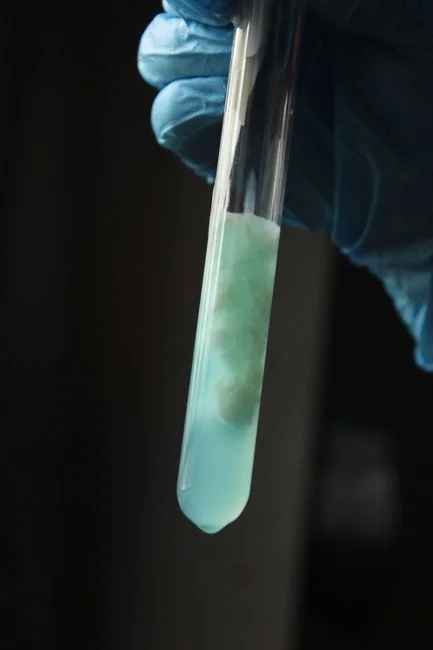
The supplied research provides no gelatin-specific hydraulic retention time, organic loading rate, sludge yield, biogas yield or reactor dimensions. Any numerical sizing basis must therefore come from the supplier’s documented calculations using the measured waste, site temperature, selected loading assumptions and sludge behavior—not from brewery or domestic-sewage results transferred by analogy.
Use a staged selection method: characterize the waste; establish biodegradability; select hydraulic and organic loading assumptions; size the reactor and auxiliaries; then validate through pilot operation. The calculation package should state inputs, formulas, design margins and sensitivity to uncertain variables. It should reconcile reactor volume with hydraulic capacity, upflow behavior, gas disengagement, sludge inventory, equalization and downstream liquid and solids handling.
Startup acceptance should verify stable granular sludge, gas generation and composition, pH and alkalinity balance, organic removal, solids inventory, foaming and odor control. The supplier and owner should agree on analytical methods and sampling points. No acceptance limit should be invented where the gelatin-specific basis is absent.
Sludge management must be part of the reactor design. The proposal should define inventory limits, withdrawal criteria, wasting frequency, plate-and-frame sludge dewatering or an alternative, and digestate handling. Where suspended solids threaten the sludge bed, high-efficiency solids separation may be evaluated as part of the selected train, but its necessity must follow the site data.
Performance guarantees should be conditional on stated influent limits and operating conditions. Alarms and corrective actions must cover FOG ingress, pH excursions, solids carryover, temperature changes, foaming and loss of gas production. The performance-test protocol should define blanks, steady-state criteria, sampling frequency, analytical methods and the remedy for a failed result.
| Procurement item | Required evidence | Approval condition |
|---|---|---|
| Reactor volume and hydraulic capacity | Calculation basis using measured flow, COD, temperature and stated design assumptions. | Inputs and sensitivity are documented; no unsupported generic loading rate is used. |
| Materials, gas handling and instrumentation | Material compatibility, gas pathway, pressure and temperature instruments, controls and alarms. | Scope is consistent with the waste characterization and operating environment. |
| Sludge and residual handling | Inventory, withdrawal, dewatering and disposal concept. | Solids accumulation is addressed as part of the performance guarantee. |
| Commissioning and testing | FAT, SAT, startup, pilot and performance-test protocols with measurable remedies. | Acceptance criteria are jointly agreed and tied to influent and operating envelopes. |
| Redundancy and support | Critical-component strategy, operator training, spares and commissioning support. | Responsibilities, access to parts and technical support are contractually defined. |
How to Select a UASB Supplier for an Industrial Project
A credible supplier should expose the calculation behind every capacity claim. Require reactor-volume, upflow-velocity, liquid-retention, gas-disengagement, sludge-inventory and auxiliary-equipment calculations, with the site inputs and assumptions identified. The document should show how uncertainty in gelatin-waste composition affects the selected values and operating envelope.
Request at least one comparable food-processing or high-strength wastewater reference and ask for operating evidence, not only laboratory results. Reference wastewater must be compared by composition and treatment objective; a generic “industrial wastewater” installation does not close the technical gap. Where FOG may be present, pretreatment and biological systems must be integrated because the slaughterhouse case demonstrates that adverse feed characteristics can destabilize reactor sludge upstream.
Require a site-specific risk register covering variable composition, FOG, foaming, temperature, pH, alkalinity, nutrient balance, corrosion, odor and gas handling. Each risk needs a detection method, operating response and contractual responsibility. Treatment-plant valves and filter media should be selected from the approved materials and operating requirements rather than listed as generic inclusions.
Factory and site acceptance tests should cover construction, instrumentation, controls, leak testing, functional demonstrations and operating procedures. Supplier commitments must include operator training, a spare-parts strategy, controls documentation and a measurable remedy if acceptance criteria are missed. Pretreatment integration should also be visible in the commercial scope; DAF pretreatment for gelatin wastewater should not be treated as an optional accessory if the biology depends on it.
Price and lead time cannot be responsibly quantified from the supplied research. Request written quotations with scope boundaries, exclusions, civil works, chemical requirements, gas utilization, commissioning, operator training, performance testing and warranty conditions included. A low equipment price can be outweighed by unpriced pretreatment, sludge handling or monitoring obligations.
| Supplier comparison test | Evidence to request | Commercial significance |
|---|---|---|
| Transparent design | Calculations, inputs, assumptions and sensitivity review. | Allows engineering verification and exposes unsupported capacity claims. |
| Comparable reference | Waste characteristics, operating history and performance records. | Tests whether the supplier has relevant full-scale experience. |
| Integrated guarantee | Feed limits, pretreatment, reactor, polishing and sludge conditions. | Prevents responsibility being shifted between equipment packages. |
| Acceptance and support | FAT/SAT, pilot, training, spares, controls and remedies. | Defines how project risk is managed after delivery. |
| Price and schedule | Written quotation and delivery scope; food-processing wastewater plant operating costs should be separated from capital pricing. | Allows lifecycle comparison without inventing unsupported values. |
Frequently Asked Questions
Is a UASB reactor suitable for gelatin wastewater?
A UASB reactor may be suitable, but suitability depends on measured biodegradability, soluble organic load, pH, temperature, alkalinity, FOG and suspended solids—not on the waste’s protein origin alone. Proceed to detailed design only when the feed characteristics and available controls support stable granular sludge and the pretreatment requirements are understood.
What pretreatment is generally required for gelatin wastewater before a UASB?
Start with equalization and solids protection, then add FOG removal where measured conditions justify it. Chemical dosing should provide controlled pH or alkalinity correction based on characterization. The slaughterhouse evidence makes upstream FOG control a priority where analogous conditions exist, but the required technology and performance duty must be confirmed through site data and pilot testing.
How should the UASB reactor be sized for gelatin wastewater?
A defensible calculation requires measured flow and COD data, wastewater characteristics, temperature, hydraulic and organic loading assumptions, sludge behavior and pilot confirmation. The supplied research contains no gelatin-specific sizing values, so request the supplier’s complete calculation package rather than accepting a generic retention time or loading rate.
How should a buyer select a UASB supplier?
Demand transparent design calculations, a relevant comparable reference with operating evidence, conditional performance guarantees, FAT/SAT criteria, commissioning support and a clear sludge-management plan. Check that the quoted scope includes the pretreatment, controls, monitoring, training, spares and remedies for missed acceptance criteria.
What compliance risk should be checked before ordering a UASB?
Distinguish a guaranteed final discharge result from a reactor performance guarantee. The reactor guarantee should state its influent limits and operating envelope, while the final compliance claim must be demonstrated against the complete treatment train and applicable local discharge requirements. No regulatory limit is stated in the supplied research, so confirm the current requirement and receiving-water constraints before finalizing the design.
Related Equipment
- DAF pretreatment for gelatin wastewater — specifications, capacity range, and technical data