What a UASB reactor does with winery wastewater
A UASB reactor can treat winery wastewater without a conventional suspended-growth process, and its anaerobic biology can produce methane for potential energy recovery or VFAs for a biorefinery application. Research testing 8-, 5- and 2.5-hour hydraulic retention times found maximum effluent VFAs of 1.7 gCOD/L, with 45% caproic acid at 0.9 gCOD/L. However, a 2.5-hour HRT coincided with an approximately 94% biogas-production decline, indicating instability. Successful selection therefore depends on the treatment objective, wastewater variability, equalization, solids protection, granular-sludge acclimatization and the required downstream treatment—not on reactor size alone.
A UASB is an upflow anaerobic sludge blanket reactor: wastewater moves upward through a bed of retained granular biomass, while a three-phase separator separates biogas, biomass and treated liquid. The retained sludge bed is the process asset, so reactor selection must preserve granular integrity rather than simply maximize nominal volume.
The treatment objective determines the biological endpoint. Methane-producing anaerobic digestion converts fermentable organics into biogas and leaves a relatively stabilized effluent. Acidogenic fermentation instead favors volatile fatty acid production; the Fermentation study investigated this route for winery wastewater and reported its highest total effluent VFA concentration at 1.7 gCOD/L, including 0.9 gCOD/L caproic acid (Fermentation, 2024). These are laboratory results, not commercial guarantees.
The Fermentation study selected UASB because it is well suited to wastewater with relatively low suspended-solids concentrations (Fermentation, 2024). That makes upstream solids protection a defining design issue for wineries. The Elsevier BV study also demonstrates a resource-recovery pathway beyond disposal alone: UASB-generated, caproate-rich VFAs were coupled to purple phototrophic bacteria cultivation for microbial-protein production (Elsevier BV, 2025).
Temperature remains part of the feasibility assessment. IWA Publishing’s comparison of classical and hybrid UASB-filter reactors examined domestic wastewater at low temperatures and confirms that low temperature is a relevant UASB performance consideration (IWA Publishing, 2004). A buyer evaluating wastewater requirements for beverage plant acquisitions should therefore resolve the treatment objective and seasonal operating envelope before comparing equipment.
Winery wastewater characteristics that drive reactor design
The Fermentation study characterized non-seasonal winery wastewater at approximately 2.14 g/L TCOD, but that value describes the study feed rather than a universal design basis; the same source reports winery TCOD peaks above 35 g/L during harvesting (Fermentation, 2024). The contrast means a supplier cannot define a winery UASB from a non-seasonal average or one grab sample.
Wastewater characterization should cover normal production, cleaning and harvest periods. Each sampling program should include flow, COD, soluble COD, TSS, VSS, ethanol, total volatile fatty acids, phosphate as PO4-P and total ammonia nitrogen because those parameters were used in the supplied winery UASB research (Fermentation, 2024). Suppliers should also define how temperature, pH, alkalinity, wastewater toxicity and flow continuity will influence loading and operation; the research does not establish universal acceptance limits for those variables.
Seasonal sampling should be tied to the operating calendar rather than performed on a convenient day. For each period, request flow duration, batch discharge behavior, COD and soluble COD distributions, suspended-solids loads, pH and alkalinity. Harvest-period peaks and cleaning events should then be represented explicitly in equalization and reactor design calculations.
| Input a supplier must define | Why it affects the UASB design | Evidence basis |
|---|---|---|
| COD and soluble COD | Defines organic loading and the soluble fraction available to anaerobic microorganisms. | Fermentation study measured TCOD and SCOD for synthetic winery wastewater (Fermentation, 2024). |
| TSS and VSS | Indicates the solids burden that must be protected before the granular sludge bed. | Fermentation study measured TSS and VSS and identified UASB as suitable for low-solids wastewater (Fermentation, 2024). |
| Ethanol and total VFAs | Influences acidogenic behavior, chain elongation and gas-production stability. | Fermentation study measured EtOH and TVFA (Fermentation, 2024). |
| PO4-P and total ammonia nitrogen | Supports assessment of nutrient conditions affecting biomass and process response. | Fermentation study measured PO4-P and TAN (Fermentation, 2024). |
| Temperature, pH, alkalinity, flow continuity and toxicity | Determines biological stability, hydraulic arrangement and the need for equalization or feed conditioning. | Temperature is a documented UASB consideration in the IWA Publishing reactor comparison (IWA Publishing, 2004). |
Equalization becomes more important when COD concentration and discharge continuity vary sharply. A supplier should identify how the equalization vessel will blend or attenuate loads, whether flow remains continuous to the UASB, and how bypasses, recirculation and power interruptions will be handled. These decisions should also be checked against the broader wastewater requirements for beverage plant acquisitions, particularly when production changes coincide with an acquisition or capacity revision.
How to size and configure the UASB treatment train
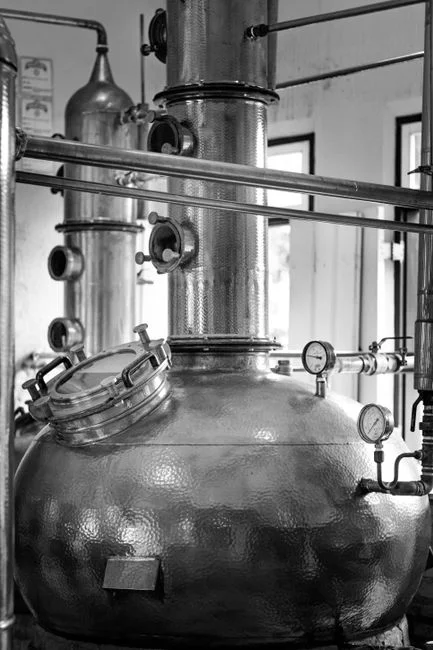
A defensible winery treatment train begins with wastewater characterization, followed by equalization, solids-protecting pretreatment, UASB reaction, gas handling where relevant, sludge separation and downstream polishing or discharge treatment. Each interface needs a defined sampling point, operating responsibility and performance criterion.
- Characterize the feed. Use seasonal flow and wastewater data rather than a single COD result.
- Equalize and attenuate peaks. Define the mixing, storage and feed strategy required for production and cleaning events.
- Protect the granular sludge. If characterization shows suspended solids could compromise the bed, consider a DAF system for winery wastewater pretreatment or another solids-removal method.
- Apply the UASB reaction stage. Size the reactor around the validated treatment objective, site flow, wastewater character, temperature and loading—not a generic retention-time rule.
- Manage gas and solids. Specify the three-phase separator, gas path, sludge withdrawal and controlled effluent withdrawal.
- Provide downstream treatment. Define the required clarification, filtration, polishing or discharge stage after the reactor.
Hydraulic retention time, upflow velocity, reactor volume, gas production and organic loading must be calculated from site-specific flow and wastewater data. The supplied research does not provide a universal commercial sizing formula. The Fermentation study maintained a total biomass uptake velocity of approximately 0.6 m/h, but that was an experimental operating condition in a laboratory reactor, not a default commercial design value (Fermentation, 2024).
The supplier should explain how the three-phase separator maintains gas-liquid-sludge separation, how sludge is withdrawn without disturbing the blanket, and how the effluent is removed without entraining biomass. It should also identify the expected solids inventory and the point at which excess sludge is removed.
A methane-recovery proposal needs a gas collection, safety and utilization or safe-disposal plan. An acidogenic proposal needs a defined VFA endpoint, product handling and a different stability-control strategy. Pretreatment selection should be coordinated with this broader industrial pretreatment and DAF selection guide.
Operating evidence: HRT, VFA yield and reactor stability
The Fermentation study tested 8-, 5- and 2.5-hour hydraulic retention times in a laboratory UASB reactor treating synthetic winery wastewater (Fermentation, 2024). It identified a 5-hour HRT as having potential for caproic-acid production within a biorefinery framework, while also showing that shorter retention could destabilize reactor performance.
| Laboratory condition | Reported result | Buyer interpretation |
|---|---|---|
| 8-hour HRT | Maximum total effluent VFA production of 1.7 gCOD/L; caproic acid was 45% of the total at 0.9 gCOD/L. | Supports testing an acidogenic product objective, but does not establish full-scale output. |
| 5-hour HRT | Identified by the source as having potential for caproic-acid production within the biorefinery framework. | Provides a pilot condition to investigate, not a commercial design value. |
| 2.5-hour HRT | Biogas production declined by approximately 94%. | Demonstrates that higher nominal throughput can coincide with severe biological instability. |
| 8- and 5-hour periods | Effluent PO4-P was approximately 2.3 mg/L against feed of about 6 mg/L. | Shows why nutrient conditions and their variability require specialist monitoring. |
| 2.5-hour period | Mean effluent PO4-P was 3.5 mg/L, with variability exceeding 60%. | Adds evidence that unstable operation can affect effluent chemistry. |
The source describes the general UASB stability threshold as 8–6 hours but states that this threshold was not observed in the tested reactor (Fermentation, 2024). That distinction matters: general guidance cannot be substituted for site-specific loading, temperature and effluent data.
The approximately 94% biogas decline at 2.5 hours is the clearest warning against selecting a reactor solely by throughput. The reduction indicates that aggressive retention-time selection can move the reactor toward instability. A commercial proposal should explain how load, upflow, recirculation, alkalinity, VFA and gas behavior are monitored and how the control response limits further deterioration.
All reported VFA concentrations, HRTs and operating conditions came from laboratory research (Fermentation, 2024). They should inform pilot work and equipment questions rather than be guaranteed as commercial outputs. Where operating data are weak, a data-driven wastewater process optimization approach can help structure measurements, but it cannot replace design inputs or biological validation.
Start-up, sludge acclimatization and performance monitoring
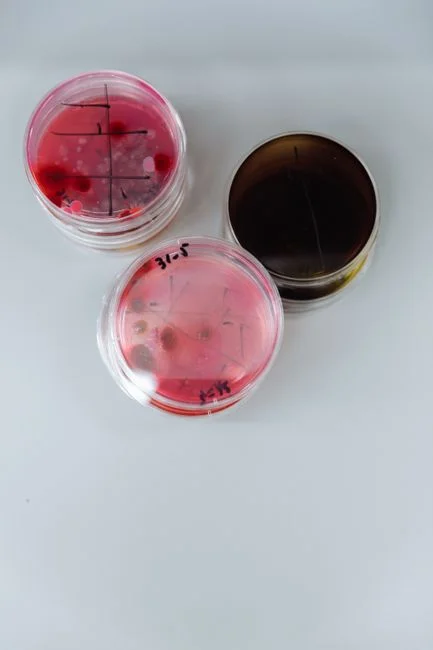
The Fermentation study states that UASB start-up requires anaerobic-sludge acclimatization, with approximately one-third of the reactor volume used for inoculation (Fermentation, 2024). Its inoculum came from an industrial UASB reactor treating paper-mill wastewater, demonstrating why seed-sludge source and prior adaptation must be qualified rather than treated as interchangeable.
The laboratory reactor received approximately 2% initial inoculum and was maintained at 30–32 °C (Fermentation, 2024). These conditions describe that experiment only. A commissioning proposal should instead address the winery’s wastewater chemistry, seasonal temperature, operating objectives, seed availability and the time needed to establish the required biological population.
Monitoring should cover COD removal, VFA production and alkalinity, methane or overall biogas behavior, upflow and recirculation conditions, sludge-bed condition and effluent solids. The operating record should distinguish normal variation from deterioration signals such as rising VFA, falling gas production or visible biomass washout.
A staged-loading plan should define when influent flow and organic load can be increased, what measurements authorize each step, and what response is required when stability indicators deteriorate. The supplier should also state who owns troubleshooting during commissioning and what evidence is required before the reactor is accepted at its operating objective.
For a commercial contract, request written acceptance criteria, sampling frequency and locations, operator training, alarm provisions, startup duration and escalation responsibilities. An acceptance test that demonstrates only steady COD removal may not be enough for an acidogenic project; the selected test must also address its required VFA composition and production stability.
Downstream treatment and sludge handling requirements
UASB organic removal does not remove the need to manage biological solids, residual suspended material and refractory constituents. Depending on the discharge route or reuse objective, the treatment train may require clarification, filtration, polishing or further reuse treatment. The UASB is an upstream biological stage, not the complete effluent plant.
Separated biological sludge creates a dewatering and disposal interface. A plate and frame sludge dewatering system can be evaluated where residual solids must be separated to reduce handling volume. The supplier should state the solids quantity expected from the UASB, the required dewatering endpoint and how the resulting cake will be managed.
Where very low suspended-solids levels or reuse-quality separation are required, an ultrafiltration system for advanced separation can be considered as a downstream polishing step. Its selection should follow the intended effluent quality and the characteristics of solids leaving the reactor; it should not be confused with the UASB itself.
An acidogenic train and a methane-producing train have different downstream requirements. The former centers on the composition, concentration and destination of VFAs, including further biological conversion if the study’s purple phototrophic bacteria route is considered (Elsevier BV, 2025). The latter centers on biogas capture, stabilization of residual COD and the required effluent treatment.
At every interface, request the final effluent route, permit basis, sampling locations, control boundaries and responsibility for performance. Without those definitions, reactor proposals may look comparable while delivering materially different wastewater treatment and residue-handling scopes.
A practical UASB supplier evaluation framework
A comparable UASB proposal must state its treatment objective and expose the assumptions behind the equipment scope. If the supplier cannot distinguish methane production from VFA production, the proposal is not yet technically complete.
| Supplier submission | Information the buyer should require | Risk exposed |
|---|---|---|
| Treatment-objective statement | Specify methane production, VFA production or both, with corresponding performance indicators. | Confusion between gas production and acidogenic effluent production. |
| Design-basis inputs | Provide site flow, COD, TSS, temperature, discharge route and seasonal loading. | Generic reactor volume without site-specific basis. |
| Complete process flow | Show pretreatment, equalization, reactor, gas system, separator, sludge handling, downstream treatment, controls and utilities. | Hidden scope gaps and interface disputes. |
| Operating and commissioning basis | State proposed HRT, upflow, loading basis, expected effluent characteristics, startup duration, inoculum quantity and acceptance tests. | Unverified performance and unclear handover. |
| Commercial and support terms | Define warranty, spares, training, remote diagnostics and process responsibility boundaries. | Unsupported equipment and unclear after-sales responsibility. |
The design review should ask how the supplier prevents the condition reported by the Fermentation study, where biogas production declined by approximately 94% at a 2.5-hour HRT (Fermentation, 2024). The answer should identify load limits, monitoring, operator actions and design conservatism rather than claiming that reactor volume alone prevents instability.
Commercial maturity also matters. Ask whether the supplier has supplied the proposed configuration, whether the proposed controls and separator are supported by operating references, and who remains responsible when biology, mechanical equipment and pretreatment interact. An industrial pretreatment and DAF selection guide can support comparison of the upstream package, but the UASB proposal should still disclose every performance assumption.
Frequently Asked Questions
How long should a UASB reactor retain winery wastewater?
The supplied study tested 8-, 5- and 2.5-hour HRTs, but those were laboratory conditions for synthetic winery wastewater (Fermentation, 2024). Commercial HRT must be established from the treatment objective, wastewater characteristics, temperature, loading and validated design data. A 2.5-hour result accompanied by an approximately 94% biogas decline should not be converted into a design recommendation.
What is the main commercial risk when buying a UASB reactor for a winery?
The main risk is unstable biological performance, particularly where seasonal loading, suspended solids, temperature or start-up conditions are not adequately characterized. Inadequate solids protection, poor inoculum acclimatization or operation outside the stable biological range can cause acidification, biomass loss or falling gas production. Require the supplier to define loading limits, monitoring and corrective actions before accepting the equipment.
How much does a winery UASB reactor cost?
The supplied research does not establish a universal price. Request itemized quotations for flow and reactor volume, pretreatment, equalization, gas handling, three-phase separation, sludge handling, downstream treatment, controls, utilities and commissioning. Compare those scopes directly so that a low reactor price does not conceal omitted treatment or performance responsibilities.
Can a UASB reactor remove winery wastewater COD to reuse standards?
Not by itself as a universal proposition. UASB provides an anaerobic biological treatment stage, while reuse may require additional clarification, filtration, polishing or disinfection appropriate to the receiving process. Ask the supplier to identify the final reuse route, applicable limits and the proposed performance test for every downstream stage.
How should a winery choose between methane recovery and VFA production?
Choose based on the desired product and operating endpoint. Methane recovery requires gas capture, utilization or safe-disposal provisions and prioritizes stable anaerobic digestion. VFA production requires control of acidogenic performance, product composition and downstream handling. The two options should therefore be evaluated as different process trains, even if both use an upflow anaerobic sludge blanket reactor.
Related Equipment
- DAF system for winery wastewater pretreatment — specifications, capacity range, and technical data