What IFAS Changes in a Municipal Sewage Treatment Train
IFAS for municipal sewage wastewater combines suspended activated sludge with microorganisms attached to bio-carrier media in the same reactor. The attached biofilm and suspended sludge operate as a dual biological system, increasing biomass, prolonging effective sludge age and supporting enhanced nitrogen removal. A 2025 review in the Journal of Water Process Engineering reports municipal IFAS effluent ranges of 12.2–36.7 mg/L COD, 0.1–3.9 mg/L NH4+-N, 1.4–15.2 mg/L TN and 0.26–2.4 mg/L TP. These are literature results, not guaranteed project values; final design still depends on influent characteristics, carrier selection, reactor configuration, clarification, polishing and applicable discharge limits.
IFAS is integrated fixed-film activated sludge: floating or fixed carrier media provide a surface for an attached-growth biofilm while suspended activated sludge continues to remove pollutants in the liquid phase. This combination allows biomass to be retained on the carrier and in suspension, supporting more selective microbial communities and greater resistance to shock loads. The 2025 review also links the process to improved denitrification through multiple microbial pathways.
The biological reactor is only one part of the treatment train. Headworks and pretreatment should precede it; secondary clarification, disinfection and reuse treatment or other polishing must be evaluated separately. For a retrofit, check how carrier retention, mixing, aeration, sludge wasting and downstream solids separation fit the existing works. A municipal wastewater bar screen can address gross solids at the headworks, but it does not replace biological or solids-separation design.
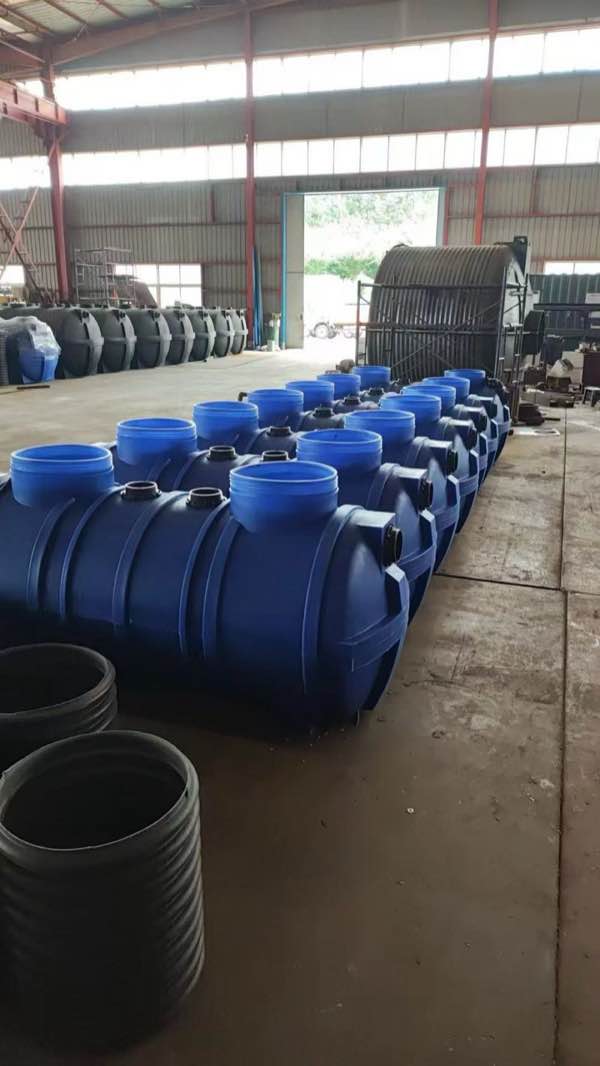
IFAS is therefore not a drop-in replacement for every activated-sludge plant. Where the objective is additional biological capacity, nitrogen removal or a constrained footprint retrofit, it may be viable after site-specific assessment. Where a defined reuse or membrane-separation objective governs the project, a membrane-based train may be more direct. The WSZ underground integrated sewage treatment package represents a different procurement route that combines anoxic/aerobic contact oxidation, sedimentation and disinfection for smaller decentralized applications.
Design Basis: Characterize the Municipal Influent First
A defensible IFAS proposal begins with a complete influent and compliance basis, not a carrier catalogue. The buyer must define average and peak flow, wastewater characteristics and the receiving route before the supplier selects reactor volume, carrier inventory and oxygen-transfer equipment.
| Design input | Information the buyer must establish | Why it affects the IFAS decision |
|---|---|---|
| Hydraulic basis | Average and peak flow; seasonal and diurnal variation; storm response; infiltration and inflow | Defines hydraulic retention, equalization, peak biological demand and downstream solids-loading conditions. |
| Organic and nutrient load | COD, BOD, ammonia, total nitrogen, total phosphorus and suspended solids | Establishes oxygen demand, carbon availability, nitrification and denitrification requirements. |
| Physical chemistry | pH, temperature and relevant toxicity information | Influences biological performance, oxygen transfer, alkalinity balance and design safeguards. |
| Contributing sources | Industrial contributors, recycling streams, sewer infiltration and known trade waste | Defines pretreatment, toxicity control, loading uncertainty and acceptance criteria for recycled flows. |
| Receiving route | Direct discharge, sewer agreement, reuse or disposal, plus the applicable permit | Sets the legally applicable effluent requirements and whether advanced treatment is required. |
| Project drivers | Capacity expansion, nitrogen or phosphorus objectives, footprint, odor control, staffing and reuse-water quality | Determines whether IFAS offers a relevant advantage over conventional activated sludge, MBBR, MBR or packaged A/O treatment. |
Map carbon-to-nitrogen conditions across seasons and operating events. A plant with intermittent industrial discharge cannot be designed from a single composite sample, while storm inflow can dilute carbon and alter nitrogen-removal conditions. The final process design must establish hydraulic and biological loading, oxygen transfer, reactor configuration, solids separation and any polishing step. Literature-based selection remains preliminary until those calculations and site constraints are resolved.
Obtain the applicable local permit and discharge requirements from the authority; there is no universal nitrogen or phosphorus limit for an IFAS design. The packaged wastewater treatment system selection guide provides a useful parallel check when the buyer is deciding whether a pre-engineered package can meet the same design basis.
Pretreatment and Headworks That Protect the IFAS Reactor
Effective pretreatment protects carrier retention, pumps, aeration equipment and biological performance from materials that the biological reactor cannot safely accommodate. The appropriate sequence starts with durable screening to remove suspended solids, rags, plastics and fibrous debris, followed by removal of grit, oil and grease and control of soluble contaminants where relevant.
A rotary mechanical bar screen is a relevant headworks component for screening municipal wastewater. Its role is limited: it does not remove dissolved organics, nutrients or fine suspended material that can reach the reactor. Where the influent contains floatable oil, grease or settleable solids, evaluate whether dissolved air flotation equipment has a defensible role before the biological stage.
The 2025 review in the Journal of Water Process Engineering reports municipal IFAS effluent results of 12.2–36.7 mg/L COD, 0.1–3.9 mg/L NH4+-N, 1.4–15.2 mg/L TN and 0.26–2.4 mg/L TP. Those system-level observations reinforce the need to evaluate the complete train: biological removal does not eliminate the need for clarification, disinfection, sludge management or additional polishing where the receiving route requires it.
Industrial pretreatment discharging to a municipal sewer introduces another boundary condition. Confirm the sewer authority’s acceptance criteria before selecting biological equipment; the receiving plant may impose controls on flow, pH, toxicity, solids, oils or specific pollutant concentrations. The 2026 guide to sewer pretreatment limits is relevant to that upstream interface.
Do not treat pretreatment as a guarantee of carrier performance. Even after gross solids and grease are removed, downstream separation, sludge removal, carrier recovery and biofilm control remain part of the operating design.
Select the Bio-Carrier by Performance, Not by Surface Area Alone
The 2025 review identifies large specific surface area, high mechanical strength, rich pore structure, high roughness and strong durability as traditional carrier-selection characteristics. Surface area matters, but a carrier that fractures, abrades, escapes the reactor or cannot be fluidized cannot deliver the intended biological benefit.
| Supplier criterion | Evidence to request | Engineering question answered |
|---|---|---|
| Mechanical durability | Material, construction, test method and service-history evidence | Will the carrier survive repeated handling, abrasion and long-term hydraulic and mixing action? |
| Mass transfer and fluidization | Hydraulic and mixing response under the proposed reactor arrangement | Can the carrier remain fully fluidized without excessive energy use or carrier loss? |
| Biofilm support | Specific area, pore structure, roughness, attachment behavior and biofilm-stability evidence | Can the carrier support a stable attached-growth biofilm with effective mass transfer? |
| Sloughing and loss | Operational evidence for biofilm sloughing, attrition, separation and carrier escape | What solids and carrier-recovery loads will reach clarification? |
| Microbial regulation | Evidence addressing extracellular polymeric substances, quorum sensing and functional-bacterial retention | Does the carrier support the microbial pathways needed for the project objective? |
| System compatibility | Fill strategy, reactor dimensions, replacement provisions and recovery concept | How will carriers be installed, retained, removed and replaced during maintenance? |
Ask the supplier to demonstrate how the carrier behaves in the proposed mixing and aeration arrangement. The review identifies suboptimal mass transfer, intensive energy consumption and difficulty achieving full fluidization as limitations of larger IFAS carriers. Full fluidization is therefore a hydraulic and operating question, not a material property that can be accepted from a datasheet alone.
Biofilm thickness also controls the internal environment. Oxygen and nutrient concentration gradients create aerobic, anoxic and anaerobic microzones that can support different nitrogen-removal pathways. Extracellular polymeric substances and quorum sensing contribute to biofilm stability and regulation of functional bacteria, so carrier selection should be evaluated as part of microbial ecology rather than as an isolated specification.
Demand a complete delivery strategy: initial fill, carrier-retention method, mixing response, recovery provisions, replacement policy and compatibility with the reactor geometry. The IFAS carrier and reactor design guide provides additional context for translating carrier properties into process decisions.
Reactor Configuration, Clarification and Polishing
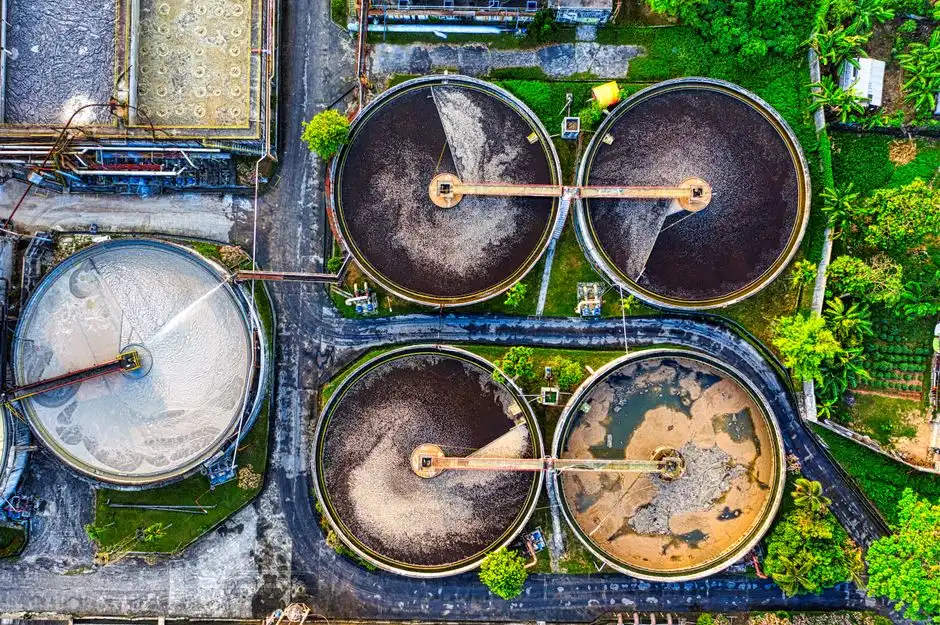
The IFAS biological reactor must be designed as a solids-management system, because attached biomass, suspended sludge, carrier sloughing and carrier loss all affect downstream separation. A complete flow should run from screening and pretreatment through the IFAS reactor, secondary clarification, disinfection and any required reuse or advanced treatment.
Develop the configuration around carrier retention, mixing or aeration, wasting, solids inventory, oxygen transfer and access for maintenance. The 2025 review in the Journal of Water Process Engineering reports municipal IFAS effluent results of 12.2–36.7 mg/L COD, 0.1–3.9 mg/L NH4+-N, 1.4–15.2 mg/L TN and 0.26–2.4 mg/L TP. Treat these as system-level literature observations, not guaranteed project outputs or local discharge limits.
| Design element | Required decision | Bid information to verify |
|---|---|---|
| IFAS reactor | Select the hydraulic configuration, mixing or aeration method and carrier-retention arrangement. | Design flow and load basis; reactor arrangement; carrier type and quantity; oxygen-transfer concept; control strategy. |
| Solids management | Coordinate suspended-sludge wasting, attached-biomass control and carrier recovery. | Wasting method; carrier-recovery system; predicted clarification loading; sludge handling route. |
| Secondary clarification | Provide sufficient separation of biological solids without excessive carryover or shearing of attached biomass. | Clarifier type; hydraulic basis; sludge inventory; expected peak solids loading; access and maintenance. |
| Polishing | Add treatment only where the receiving route, reuse objective or permit requires it. | Disinfection basis; filtration or membrane need; chemical dosing; monitoring and controls. |
| Carrier recovery | Provide a practical route to recover, inspect and replace carriers. | Recovery method, frequency, wear allowance, replacement provisions and loss limits. |
Carrier recycling is a design feature, not an afterthought. The 2025 review reports that recycling can support stability, phosphorus removal and microbial renewal. Confirm whether the proposed concept retains carriers during normal operation while providing a controlled route for recovery and replacement.
Membrane separation should be introduced when the project objective requires it. The MBR membrane bioreactor system combines activated sludge with submerged PVDF membrane filtration and is positioned for municipal sewage and water-reuse projects from 10 to 2,000 m³/day. If high-efficiency solids separation is required without a membrane, assess the high-efficiency sedimentation tank, whose listed surface-loading range is 20–40 m/h; application-specific hydraulic and sludge tests must confirm suitability.
Where disinfection remains part of the selected train, evaluate the chlorine dioxide generation system against the receiving route and operating controls. Each downstream stage should have a defined design basis rather than being added because another process option offers it.
Compare IFAS with Competing Municipal Treatment Options
IFAS should be selected against the receiving route, site constraints and treatment objectives, not against a generic claim that one technology is superior. The 2025 review identifies sludge expansion, fluctuating removal efficiency, high energy consumption, poor sludge settling performance, large footprints and difficult retrofitting among the challenges associated with conventional activated sludge.
| Option | Biological separation | Where it fits | Main buyer checks |
|---|---|---|---|
| IFAS | Suspended activated sludge plus attached-growth biofilm on carrier media | Retrofit or new-build projects seeking additional biological capacity, nitrogen removal or compact reactor operation | Carrier evidence, fluidization, energy, secondary clarification, sludge handling, downstream polishing |
| Conventional activated sludge | Suspended activated sludge only | Sites with suitable basins, established operations and no compelling need for carrier inventory | Sludge settling, footprint, energy, nitrogen and phosphorus performance, retrofit feasibility |
| MBBR | Predominantly attached-growth biofilm | Biological reactor capacity where carrier-based biological treatment is the primary requirement | Clarification and sludge inventory; distinguish its predominantly attached-growth configuration from IFAS’s dual phase |
| MBR | Activated sludge combined with membrane separation | Projects with defined membrane-separation or reuse requirements | Membrane fouling, controls, energy, maintenance, solids concentration and reuse quality |
| Packaged A/O | Integrated anoxic/aerobic contact oxidation with sedimentation and disinfection | Smaller or decentralized applications where a below-grade integrated package fits the project | Design flow range, receiving requirement, excavation, controls, service access and local permits |
Conventional activated sludge remains the baseline because it avoids carrier inventory, but the 2025 review documents the operating and retrofit challenges that can make an alternative relevant. IFAS retains suspended sludge while adding carrier-supported biomass; MBBR is predominantly attached-growth. That difference affects inventory control, clarification and the way the biological system responds to loading.
MBR becomes more attractive when the required reuse or solids-separation objective justifies membrane equipment and tighter controls. The MBR versus MBBR comparison provides a useful process distinction, although municipal design must still use site-specific limits.
For smaller or decentralized installations, the WSZ packaged A/O series handles 1–80 m³/h and integrates anoxic/aerobic biological contact oxidation, sedimentation and disinfection in one below-grade package. The packaged sewage treatment plant guide for Stockholm housing illustrates the kind of site-specific fit assessment required. Compare options using retrofit compatibility, footprint, nutrient objectives, reuse requirements, sludge handling, operator capability and local compliance.
Procurement, Commissioning and Compliance Risks
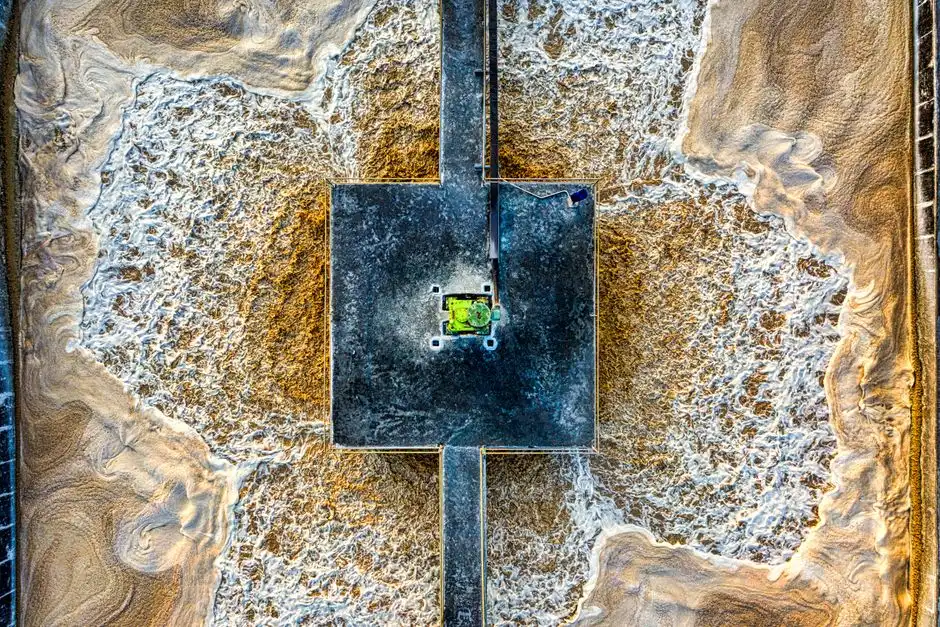
A municipal equipment bid should define the complete treatment train and the evidence behind every performance claim. Requiring a common design basis makes bids technically comparable and exposes assumptions before capital commitments are made.
| Procurement stage | Buyer requirement | Risk controlled |
|---|---|---|
| Bid basis | State design flow, influent basis, target pollutants, reactor configuration, carrier type and quantity, oxygen-transfer concept, solids separation and final polishing. | Unpriced exclusions and incompatible supplier assumptions |
| Guarantees | Define test conditions, sampling points, averaging period, analytical methods and consequences of noncompliance. | Ambiguous acceptance criteria and disputed performance |
| Operations | Review carrier attrition, biofilm sloughing, mixing or aeration energy, clarifier loading, sludge removal, odor, instrumentation, redundancy and maintenance access. | Long-term operability, occupational impacts and treatment instability |
| Service | Confirm spare-parts availability, carrier replacement policy, control-system integration, training, commissioning support and local service capability. | Delayed maintenance and unsupported system handover |
| Compliance | Check the permit, sewer agreement or discharge requirements against the complete process train. | Confusing published effluent ranges with enforceable limits |
Published performance is evidence for feasibility, not an acceptance criterion. The 2025 review’s municipal IFAS effluent ranges must remain distinct from contractual guarantees and local permit limits. Require the supplier to define what is measured, where, when and under which influent and operating conditions.
Commissioning should verify the complete operating sequence rather than only clean-water start-up. Confirm carrier distribution and retention, mixing or aeration response, sludge inventory, solids separation, controls, sampling points, alarms and polishing-stage handover. Identify critical spares, control integration, training and local service support before acceptance.
Chemical dosing and auxiliary equipment must remain within the same performance boundary. Review the automatic chemical dosing system against the selected polishing and disinfection requirements. The bid should also identify where the required valves and filter media fall within the supplier’s scope.
Frequently Asked Questions
How should an IFAS system be sized for a municipal plant?
No defensible capacity or reactor dimension can be produced without the flow basis, influent characteristics, effluent objectives, site constraints and applicable discharge requirements. A supplier should calculate reactor volume, carrier inventory, oxygen transfer, secondary clarification and polishing from the same project-specific basis. Literature effluent ranges cannot substitute for those inputs.
What should a municipality check when selecting an IFAS supplier?
Evaluate the complete treatment train rather than the carrier headline or price. Check carrier durability, fluidization and biofilm evidence; reactor and clarification design; oxygen-transfer and solids-management concepts; guarantees; commissioning support; spare parts; carrier replacement; control integration; and local service capability. Use the IFAS carrier and reactor design guide to structure technical questions, then require project-specific responses.
How should buyers compare IFAS cost and budget?
Request comparable capital and lifecycle proposals on one design basis, including carrier supply, pretreatment, reactor modifications, oxygen transfer, clarification, polishing, sludge handling, controls, commissioning and long-term carrier replacement. The supplied research does not establish universal IFAS prices or cost savings. Any budget comparison should identify exclusions, contingency, energy assumptions and service obligations rather than relying on a generic unit price.
Are the published municipal IFAS effluent ranges regulatory limits?
No. The 2025 review reports municipal IFAS effluent ranges of 12.2–36.7 mg/L COD, 0.1–3.9 mg/L NH4+-N, 1.4–15.2 mg/L TN and 0.26–2.4 mg/L TP, but these are literature observations. Project compliance must be assessed against the applicable local permit, sewer agreement or reuse requirement, with test conditions and contractual acceptance criteria defined separately.