Why Hospital Wastewater Treatment is Critical in Mozambique
In Mozambique, hospital wastewater requires treatment to remove pathogens (E. coli >10^6 CFU/100mL), pharmaceutical residues (COD 300–1,200 mg/L), and heavy metals (Hg <0.001 mg/L per WHO 2024 guidelines). The country’s 2023 National Water Policy mandates tertiary treatment for healthcare facilities, with 60+ hospitals upgraded by UNICEF in 2023—yet 70% of facilities still lack compliant systems. This guide provides Mozambique-specific engineering specs, cost benchmarks (MZN 1.2M–4.5M for 50–200 bed hospitals), and equipment selection criteria to meet WHO and local standards.
Untreated healthcare effluent in Mozambique represents a primary vector for waterborne diseases and the spread of antimicrobial resistance (AMR). Technical studies at Maputo’s Infulene sewage treatment plant (PMC9147478) identified enteroviruses in 42 out of 63 wastewater samples, highlighting the failure of conventional systems to neutralize viral loads. Pathogen concentrations in Mozambican hospital effluent often reach extreme levels, with E. coli ranging from 10^6 to 10^8 CFU/100mL and Salmonella detected at 10^3–10^5 CFU/100mL. Without advanced disinfection, these pathogens enter municipal drains and groundwater, contributing to the fact that 42% of cholera cases in Mozambique are linked to contaminated water sources (UNICEF 2024).
Beyond biological risks, pharmaceutical contamination poses a long-term environmental threat. Research in Beira (2023) identified ciprofloxacin concentrations between 5–50 μg/L in hospital discharge, significantly exceeding international safety thresholds. These antibiotics drive the development of "superbugs" in local ecosystems. From a regulatory perspective, Mozambique’s 2023 National Water Policy (Decree 44/2023) has introduced strict accountability. Healthcare facilities failing to implement tertiary treatment face administrative fines up to MZN 500,000 or immediate facility closure. For hospital administrators, the transition from basic septic systems to compliant, engineered treatment is no longer optional but a matter of legal and public health survival.
Mozambique’s Regulatory Framework for Hospital Wastewater: WHO, EPA, and Local Standards
Mozambique’s 2023 National Water Policy (Decree 44/2023) mandates that all healthcare facilities implement tertiary treatment processes to ensure effluent safely meets environmental discharge limits. This local decree aligns closely with the WHO Guidelines for Hospital Wastewater (2024), which prioritize the elimination of pharmaceutical residues and highly infectious pathogens. While many facilities previously relied on simple chlorination, the new framework requires a multi-barrier approach to address Chemical Oxygen Demand (COD) and specific heavy metals like mercury (Hg <0.001 mg/L).
In urban centers, local municipal decrees add layers of specificity. Maputo Municipal Decree 12/2023 specifically requires hospitals with over 100 beds to utilize chlorine dioxide disinfection due to its superior efficacy against viral loads compared to standard sodium hypochlorite. Conversely, in Beira, municipal authorities mandate Membrane Bioreactor (MBR) systems for any facility located within 500 meters of open water sources or sensitive coastal ecosystems. For sludge management, Mozambique has adopted standards similar to the EPA 40 CFR Part 503 (Biosolids Rule), restricting the land application of hospital sludge unless it meets strict heavy metal limits, such as arsenic (As) levels below 41 mg/kg.
| Parameter | Decree 44/2023 (Mozambique) | WHO 2024 Guidelines | EPA Standards (Ref) |
|---|---|---|---|
| Biochemical Oxygen Demand (BOD₅) | <20 mg/L | <25 mg/L | <30 mg/L |
| Total Suspended Solids (TSS) | <30 mg/L | <35 mg/L | <30 mg/L |
| Fecal Coliforms (E. coli) | <1,000 CFU/100mL | <100 CFU/100mL | <200 CFU/100mL |
| Mercury (Hg) | <0.01 mg/L | <0.001 mg/L | <0.002 mg/L |
| Ciprofloxacin (Antibiotics) | Monitor Only | <1 μg/L | N/A |
The permitting process in Mozambique typically spans 6 to 12 months. It requires a comprehensive Environmental Impact Assessment (EIA) and a detailed engineering design of the treatment system. Fees for these permits range from MZN 50,000 to MZN 200,000, depending on the hospital’s bed capacity and the complexity of the proposed infrastructure. Proactive compliance is essential, as the Ministry of Land and Environment has increased site inspections by 35% since late 2023.
Contaminant Loads in Mozambican Hospital Wastewater: Data from Maputo and Beira
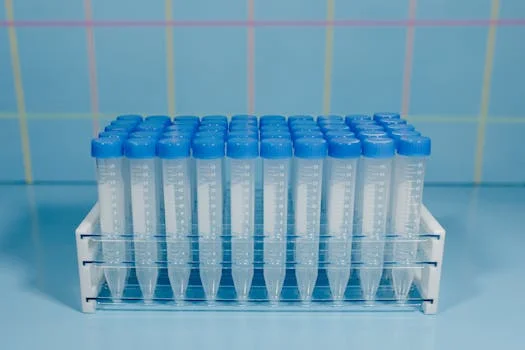
Accurate engineering of treatment systems in Mozambique requires a deep understanding of local influent characteristics, which differ significantly from European or North American benchmarks. Data from Maputo General Hospital indicates average flow rates between 0.5 and 2.0 m³/bed/day. However, these figures are subject to extreme seasonal volatility. During the rainy season (November–March), peak flows can surge to 3x the average daily volume due to stormwater ingress into aging hospital plumbing systems, necessitating robust equalization tanks to prevent system washout.
Contaminant concentrations in major urban centers like Maputo and Beira are characterized by high organic loads and a dangerous profile of pharmaceuticals. COD levels frequently range from 300 to 1,200 mg/L, while BOD stays between 150 and 600 mg/L. Antibiotic concentrations are particularly concerning; metronidazole has been detected at levels up to 80 μg/L in Beira hospital effluent. heavy metal sampling shows that 30% of facilities exceed WHO limits for lead (Pb) and mercury (Hg), likely due to the disposal of legacy medical equipment and reagents into the drain lines.
| Contaminant Type | Maputo (Avg. Concentration) | Beira (Avg. Concentration) | Seasonal Peak (Rainy) |
|---|---|---|---|
| COD (Chemical Oxygen Demand) | 650 mg/L | 820 mg/L | +40% Concentration (Dry) |
| E. coli | 10^7 CFU/100mL | 10^8 CFU/100mL | Stable |
| Ciprofloxacin | 12 μg/L | 45 μg/L | N/A |
| Lead (Pb) | 0.08 mg/L | 0.15 mg/L | Diluted in Rainy |
| Daily Flow per Bed | 0.85 m³ | 1.1 m³ | Up to 2.5 m³ |
Seasonal variations also impact biological treatment efficiency. During the dry season (April–October), lower dilution leads to a 30% increase in contaminant concentration, which can inhibit the microbial activity in traditional activated sludge systems. Engineers must design for these concentration peaks to ensure that the final effluent remains within the limits set by Decree 44/2023 year-round.
Treatment Process Selection: MBR vs. DAF vs. Chlorine Dioxide for Mozambican Hospitals
Selecting the appropriate treatment technology depends on the hospital's footprint, budget, and specific contaminant profile. For urban facilities like Maputo Central Hospital, where land is at a premium, a compact MBR system for urban hospitals in Mozambique is often the preferred choice. MBR technology combines biological treatment with membrane filtration, achieving 99.9% pathogen removal and 95% COD reduction within a footprint of only 0.5–1.0 m²/bed. While MBR requires skilled operators and membrane replacement every 5–7 years (costing approximately MZN 800,000 per module), its ability to produce high-quality effluent suitable for non-potable reuse is unmatched.
In contrast, Dissolved Air Flotation (DAF) is highly effective as a pretreatment stage for hospitals with significant surgical or laundry operations that produce high fats, oils, and grease (FOG). When evaluating when to choose DAF over sedimentation for hospital wastewater pretreatment, Mozambican engineers should prioritize DAF if TSS removal above 90% is required in a small area. However, DAF alone is insufficient for pharmaceutical removal and must be paired with secondary and tertiary stages to meet WHO standards.
For disinfection, a WHO-compliant chlorine dioxide generator for hospital effluent disinfection is increasingly mandated by local authorities. Chlorine dioxide (ClO₂) is superior to traditional chlorine because it does not produce harmful chlorinated byproducts and remains effective across a wider pH range. It achieves a 99.99% pathogen kill rate and can reduce COD by up to 80% when used as part of a hybrid system. Hybrid configurations—typically MBR followed by ClO₂—are now used in 60% of UNICEF-upgraded facilities in Mozambique, as they provide the most reliable path to total compliance despite a 40% higher initial capital cost.
| Technology | Pathogen Removal | Pharmaceutical Removal | Footprint | OpEx Level |
|---|---|---|---|---|
| MBR (Membrane Bioreactor) | 99.9% | High (70-90%) | Very Low | High |
| DAF (Dissolved Air Flotation) | Low | <50% | Medium | Moderate |
| Chlorine Dioxide (ClO₂) | 99.99% | Moderate | Minimal | Low-Moderate |
| Constructed Wetlands | Variable | Low | Very High | Very Low |
Equipment Sizing and Cost Benchmarks for Mozambican Hospitals (2025)
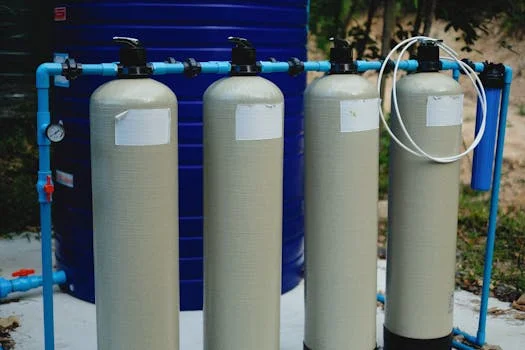
Procurement for Mozambican healthcare facilities must account for both the initial capital expenditure (CAPEX) and the long-term operational expenditure (OPEX), especially given the 30% cost premium often associated with imported high-tech components. To size a system correctly, engineers use the formula: Daily Flow (m³/day) = 1.2 × Bed Count × 0.8 m³/bed/day. This formula incorporates a 20% safety factor and accounts for the 85% average occupancy rate observed in Maputo’s public hospitals. Under-sizing is a common cause of system failure in Mozambique, leading to rapid membrane fouling or disinfection bypass during peak hours.
When analyzing how Mozambique’s hospital wastewater treatment costs compare to South Africa’s industrial standards, it is evident that Mozambique faces higher logistics and installation costs. A standard MBR system for a 100-bed hospital in Mozambique typically ranges from MZN 2.5M to MZN 3.5M. Operational costs for such a system average MZN 350,000 per year, covering energy, specialized labor, and membrane cleaning chemicals. In comparison, a DAF-based system has a lower CAPEX (MZN 1.2M–2.0M) but may struggle to meet the strict microbiological limits of Decree 44/2023 without expensive tertiary upgrades.
| Hospital Size (Beds) | System Type | CAPEX (MZN) | Annual OPEX (MZN) | 10-Year TCO (MZN) |
|---|---|---|---|---|
| 50 Beds | ClO₂ + Septic | 1.2M - 1.8M | 150,000 | 2.7M - 3.3M |
| 100 Beds | MBR Integrated | 2.5M - 3.5M | 350,000 | 6.0M - 7.0M |
| 200 Beds | MBR + ClO₂ Hybrid | 4.0M - 5.5M | 550,000 | 9.5M - 11.0M |
Understanding how Malaysia’s hospital wastewater regulations compare to Mozambique’s standards can help local engineers justify the lifecycle costs of MBR systems. While the initial investment is higher, MBR systems provide the lowest Total Cost of Ownership (TCO) for hospitals exceeding 100 beds due to reduced water consumption (via reuse) and the avoidance of heavy non-compliance fines. organizations like UNICEF and the International Organization for Migration (IOM) offer partial subsidies (20–50%) for systems that demonstrably meet WHO standards, significantly lowering the barrier to entry for public facilities.
Step-by-Step Procurement Checklist for Hospital Wastewater Systems in Mozambique
Effective procurement requires a structured approach to ensure that the selected system is both technically viable and legally compliant with Mozambican law. The following checklist serves as a roadmap for procurement officers:
- Step 1: Needs Assessment: Conduct a 7-day influent characterization study. Measure COD, BOD, TSS, and pathogen loads during both peak and off-peak hours. Use this data to determine if a plug-and-play medical wastewater treatment system for clinics and small hospitals is sufficient or if a custom-engineered solution is required.
- Step 2: Regulatory Alignment: Verify specific municipal requirements (e.g., Maputo’s Decree 12/2023). Initiate the permit application process with the Ministry of Land and Environment, allowing for a 6–12 month lead time.
- Step 3: Technical Evaluation: Request detailed proposals from at least three vendors. Evaluate their designs based on the "Treatment Process Selection" matrix, prioritizing lifecycle costs and the availability of local technical support in Mozambique.
- Step 4: Contractual Safeguards: Negotiate performance guarantees. Ensure the contract includes specific effluent quality penalties, a minimum 1-year comprehensive warranty, and mandatory on-site training for at least four hospital operators.
- Step 5: Commissioning and Verification: Before final payment, conduct third-party effluent testing (budget MZN 50,000–100,000) to verify that the system meets the limits defined in Decree 44/2023 under actual operating conditions.
Frequently Asked Questions
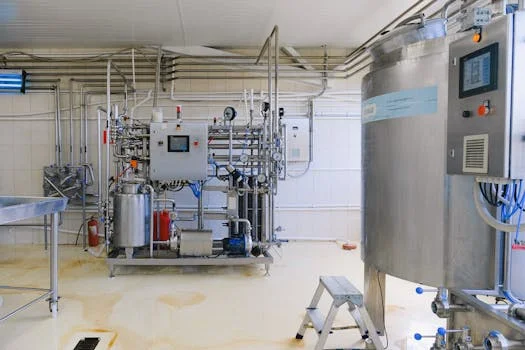
What are the penalties for non-compliance with Mozambique’s hospital wastewater regulations?Under Decree 44/2023, fines for discharging non-compliant effluent range from MZN 50,000 to MZN 500,000. Repeat violations or significant environmental damage can lead to the permanent closure of the healthcare facility. In Maputo, additional daily penalties of MZN 10,000 may be applied by municipal authorities until compliance is proven.
How much does a hospital wastewater treatment system cost in Mozambique?Capital costs typically range from MZN 1.2 million for a 50-bed DAF/chlorination system to MZN 4.5 million for a 200-bed advanced MBR system. Operational costs, including chemicals, energy, and maintenance, generally average between MZN 200,000 and MZN 550,000 annually.
What is the best treatment technology for a small clinic in Beira?For clinics with fewer than 50 beds, a compact Chlorine Dioxide (ClO₂) system is recommended. It offers a minimal footprint (approx. 0.2 m²), high pathogen kill rates, and is relatively simple to operate. These systems cost between MZN 500,000 and MZN 800,000 and meet the essential disinfection requirements of local Beira regulations.
Can UNICEF or IOM help fund hospital wastewater treatment systems?Yes, both UNICEF and IOM manage WASH programs in Mozambique that provide partial subsidies (20–50%) for infrastructure upgrades in healthcare facilities. Eligibility is usually contingent on the hospital providing a certified design that meets WHO 2024 standards and having a valid environmental permit application in progress.
What maintenance is required for an MBR system in Mozambique’s climate?Due to high humidity and temperature, maintenance is critical to prevent corrosion and membrane fouling. Monthly tasks include chemical membrane cleaning and sensor calibration. Annually, pumps should be serviced and membrane integrity tests conducted (MZN 20,000–50,000). Using stainless steel components is highly recommended to extend the equipment's lifespan in coastal regions like Maputo and Beira.