KwaZulu-Natal's Water Crisis: Why Industrial Wastewater Treatment is Non-Negotiable
KwaZulu-Natal's industrial wastewater treatment sector is defined by the Durban Water Recycling (DWR) project, which treats 47.5 million liters daily to near-potable standards for industrial reuse. With KZN facing Level 4 water restrictions and industrial players consuming up to 10 ML/d of potable water, facilities must evaluate treatment technologies like MBR (99% pathogen removal), DAF (92-97% TSS reduction), and RO (95% salt rejection) against local compliance standards (SANS 241, NEMA, eThekwini bylaws) and cost benchmarks ($0.80-$2.50/m³ for tertiary treatment). This guide provides KZN-specific engineering parameters, equipment selection criteria, and ROI calculations for industrial decision-makers.
Industrial operations in the eThekwini and uMngeni catchments account for approximately 47% of KwaZulu-Natal's total water consumption, according to Department of Water and Sanitation (DWS) 2023 data. For a factory manager in Durban's South Basin or the Richards Bay IDZ, the choice to treat wastewater is no longer purely environmental; it is a prerequisite for operational continuity. The regional water crisis has forced Level 4 restrictions, limiting individual usage and placing industrial intake under intense scrutiny. Facilities that fail to implement internal recycling loops face the dual threat of supply cut-offs and escalating costs, with municipal water tariffs increasing by 12.5% in 2024 alone.
The business case for advanced treatment is proven by local benchmarks. Mondi Paper’s Merebank mill realized a 10 ML/d reduction in potable water consumption following the implementation of the DWR project, transitioning to "second-class" recycled water for its heavy industrial processes. Similarly, Sapref, historically the region's second-highest potable water consumer, has faced increasing regulatory pressure to reduce intake from the over-stressed uMngeni system. Beyond supply security, the economic consequences of non-compliance are severe: eThekwini bylaws allow for fines reaching R50,000 per day for illegal discharge or exceeding effluent limits. However, the DWR project has demonstrated that successful intervention can achieve a 24% reduction in sea outfall throughput, proving that industrial wastewater is a viable resource rather than a liability.
KZN's Industrial Wastewater Characteristics: What Your Treatment System Must Handle
Industrial effluent in KwaZulu-Natal varies significantly by sector, requiring precise characterization before any equipment selection can occur. In the paper and pulp sector, particularly around the Merebank and Mandeni corridors, effluent typically exhibits chemical oxygen demand (COD) levels between 1,200 and 3,500 mg/L and total suspended solids (TSS) ranging from 800 to 2,000 mg/L. These facilities must also manage pH fluctuations between 5.5 and 7.5, which can fluctuate rapidly during chemical pulping cycles. For petrochemical facilities, the challenge shifts toward hydrocarbons; effluent often contains oil and grease concentrations of 200 to 1,500 mg/L and high salinity, with total dissolved solids (TDS) reaching up to 4,000 mg/L.
KZN's textile and food processing industries present unique biological and chemical profiles. Textile dyeing operations in Hammarsdale or Prospecton produce wastewater with high color intensity (500-2,000 Pt-Co) and heavy metal traces (Cr, Cu) that require specialized oxidation or membrane filtration. Food processing plants face massive organic loads, with biological oxygen demand (BOD) frequently exceeding 5,000 mg/L. A critical KZN-specific factor is the presence of high sulfates (200-800 mg/L) originating from upstream coal mining activities and the inherent hardness of the regional water supply (150-300 mg/L CaCO₃). This hardness accelerates scaling in heat exchangers and membrane systems, necessitating robust pre-treatment and precise chemical dosing strategies.
| Industry Sector | COD (mg/L) | TSS (mg/L) | Key Contaminants | KZN Regional Challenge |
|---|---|---|---|---|
| Paper & Pulp | 1,200 - 3,500 | 800 - 2,000 | Lignins, Cellulose fibers | High sulfate loads |
| Petrochemical | 500 - 1,500 | 100 - 500 | BTEX, Oil & Grease | High TDS/Salinity |
| Textiles | 800 - 2,500 | 200 - 600 | Reactive dyes, Surfactants | High color intensity |
| Food Processing | 2,000 - 8,000 | 500 - 1,500 | FOG, Organic Nitrogen | High BOD variability |
Treatment Technology Comparison: MBR vs DAF vs RO for KZN's Industrial Wastewater
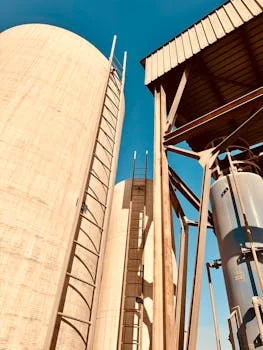
Membrane Bioreactor (MBR) technology has emerged as the standard for KZN facilities with space constraints and high-strength organic effluent. By combining biological treatment with membrane filtration, MBR systems for KZN's high-strength industrial wastewater achieve 99% pathogen removal and 95% COD reduction. This technology is particularly effective for the food processing and paper sectors because it produces an effluent quality that often exceeds municipal discharge standards, allowing for immediate reuse in cooling towers or wash-down applications. The footprint of an MBR system is typically 60% smaller than conventional activated sludge plants, a critical factor for Durban's densely packed industrial zones.
For industries dealing with high fats, oils, and grease (FOG) or light suspended solids, Dissolved Air Flotation (DAF) is the preferred primary treatment. DAF systems for petrochemical and food processing effluent in KZN provide 92-97% TSS removal and up to 80% FOG reduction. In the context of KZN's energy landscape, DAF units are valued for their ability to be easily integrated with automated control systems that can ramp down during load shedding periods. For facilities targeting zero liquid discharge (ZLD) or high-grade process water, RO systems for KZN's high-TDS industrial wastewater are essential, offering 95% salt rejection and 99% virus removal, effectively neutralizing the high TDS issues found in petrochemical and textile dyeing effluent.
| Parameter | MBR (Membrane Bioreactor) | DAF (Dissolved Air Flotation) | RO (Reverse Osmosis) |
|---|---|---|---|
| COD Removal | 90 - 98% | 40 - 60% | 95 - 99% |
| TSS Removal | >99% | 92 - 97% | >99% |
| Footprint | Low (Compact) | Medium | Low |
| Energy Use | 0.8 - 1.2 kWh/m³ | 0.2 - 0.5 kWh/m³ | 1.5 - 3.5 kWh/m³ |
| O&M Cost | Moderate | Low | High (Membrane replacement) |
When evaluating these technologies, KZN engineers must account for local constraints such as skilled labor availability and chemical supply chains. While MBR and RO offer superior water quality, they require more sophisticated operator training. Conversely, DAF systems are more mechanically robust but may require higher chemical coagulant dosages depending on the effluent's zeta potential. To understand how these technologies stack up against other methods, refer to this detailed DAF technology comparison for industrial applications or this MBR technology selection guide for space-constrained facilities.
KZN Compliance Roadmap: Navigating SANS 241, NEMA, and eThekwini Bylaws
Compliance in KwaZulu-Natal is governed by a three-tier regulatory framework involving national standards, environmental acts, and municipal bylaws. The SANS 241:2015 drinking water standard serves as the benchmark for industrial reuse, especially for facilities looking to recycle water back into processes that may have incidental human contact. The Durban Water Recycling plant, for instance, monitors 22 distinct SANS 241 parameters to ensure the "near-potable" quality required by its industrial clients. For discharge into the environment or sea outfalls, the National Environmental Management Act (NEMA) mandates strict limits, including a COD of less than 75 mg/L and a neutral pH range of 5.5 to 9.5.
At the local level, the eThekwini Water and Sanitation bylaws are the most immediate concern for industrial operators. These bylaws set specific limits for discharge into the municipal sewer system, often requiring TSS levels below 50 mg/L and ammonia levels under 10 mg/L. The permit process for industrial discharge can take 4 to 6 months and requires comprehensive documentation of the treatment process, flow rates, and emergency spill protocols. Many KZN facilities are now exploring industrial symbiosis, similar to the 20-year concession model used in the DWR project, where private facilities partner with the municipality or neighboring plants to share treatment infrastructure and reduce individual compliance risks.
| Regulating Body | Standard/Bylaw | Key Limit (COD) | Key Limit (TSS) | Focus Area |
|---|---|---|---|---|
| National (SABS) | SANS 241:2015 | N/A (Potable) | <1 NTU (Turbidity) | Water Reuse/Potable |
| National (DWS) | NEMA/General Limit | <75 mg/L | <25 mg/L | Environmental Discharge |
| eThekwini Metro | Industrial Bylaws | <1,000 mg/L* | <50 mg/L | Sewer Discharge |
*Note: eThekwini sewer discharge limits vary based on the receiving treatment works capacity and industrial surcharge formulas.
Equipment Selection Framework: Matching Technology to KZN's Industrial Needs
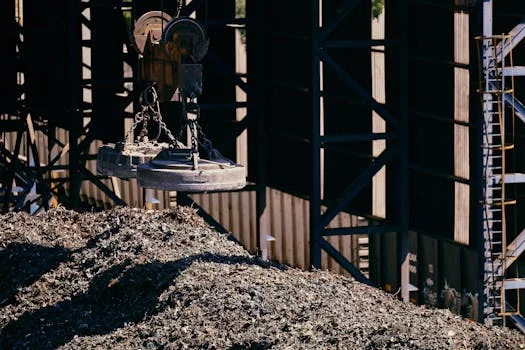
Selecting the right equipment requires a weighted scoring system that balances effluent goals against operational realities in KwaZulu-Natal. Facility managers must first define the primary objective: is the goal simple discharge compliance, or is it high-value water reuse? For instance, Mondi Paper prioritized tertiary treatment to ensure reuse-grade water, whereas a petrochemical facility like Sapref might prioritize a DAF and RO combination to handle high-salinity discharge into the ocean. The decision-making process must also account for load shedding resilience; systems should be evaluated based on their ability to handle power interruptions, including the integration of battery backups or generator-ready control panels.
A vendor evaluation checklist for KZN should prioritize local support. Given the specialized nature of MBR membranes and RO high-pressure pumps, having a vendor with a local presence in Durban or Richards Bay is critical for minimizing downtime. Support should include 24-hour technical assistance, local spare parts inventory, and comprehensive operator training programs to mitigate the skilled labor shortage in the region. This approach mirrors how another water-scarce region solved industrial wastewater challenges, emphasizing local resilience over imported complexity.
| Selection Factor | Weight | MBR Score | DAF Score | RO Score |
|---|---|---|---|---|
| Effluent Quality | 35% | 9/10 | 6/10 | 10/10 |
| CAPEX/OPEX | 25% | 6/10 | 9/10 | 5/10 |
| Load Shedding Resilience | 20% | 7/10 | 8/10 | 6/10 |
| Ease of Operation | 20% | 6/10 | 8/10 | 5/10 |
Cost Benchmarks for Industrial Wastewater Treatment in KZN (2025 Data)
Capital expenditure (CAPEX) for industrial wastewater systems in KZN ranges from $50 to $200 per m³ of daily capacity, depending heavily on the technology. MBR systems typically sit at the higher end ($120-$200/m³) due to membrane costs and advanced aeration requirements, while DAF systems are more economical for primary treatment ($50-$100/m³). Operational expenditure (OPEX) in the region is influenced by KZN's specific labor and energy rates. While chemical costs are approximately 10% lower in KZN due to the proximity of local manufacturers in the Umbogintwini and Richards Bay industrial hubs, labor costs for specialized environmental engineers are roughly 15% higher than in Gauteng.
The return on investment (ROI) for these systems is increasingly attractive as water tariffs rise. With potable water costing approximately $1.20/m³ and second-class recycled water priced at $0.40/m³, the payback period for a water reuse project typically falls between 2 and 5 years. For discharge compliance projects, the ROI is often realized even faster (1-3 years) when factoring in the avoidance of municipal surcharges and potential legal fines. Funding for these projects is available through GreenCape incentives, IDC "green" loans, and occasionally through eThekwini municipality grants aimed at reducing the burden on the city's aging water infrastructure.
| Cost Component | MBR System | DAF System | RO System |
|---|---|---|---|
| CAPEX ($/m³/d) | $120 - $200 | $50 - $100 | $80 - $150 |
| Energy (% of OPEX) | 45% | 25% | 60% |
| Chemicals (% of OPEX) | 15% | 40% | 20% |
| Typical ROI (Years) | 3 - 5 | 1 - 3 | 2 - 4 |
Frequently Asked Questions
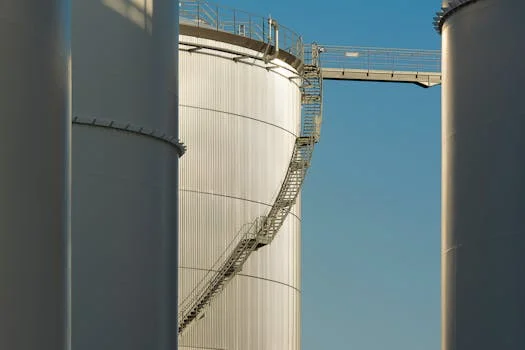
What are the main causes of water pollution in Durban's industrial zones? Industrial pollution in Durban is primarily driven by aging municipal infrastructure and illegal discharge of high-COD effluent from the textile and food sectors. Additionally, stormwater runoff from industrial sites often carries heavy metals and hydrocarbons into the uMngeni River and the harbor, necessitating robust on-site pre-treatment systems.
How does load shedding affect industrial wastewater treatment plants in KZN? Load shedding disrupts the biological processes in MBR systems and the pressure stability in RO units. To mitigate this, KZN facilities must implement automated shutdown sequences, utilize dissolved oxygen (DO) sensors to manage aeration during power dips, and invest in generator-backed control systems to prevent biomass death or membrane fouling.
Can industrial wastewater be treated to SANS 241 drinking standards? Yes. The Durban Water Recycling project successfully treats industrial and domestic wastewater to SANS 241 standards using a combination of biological treatment, ultrafiltration, and reverse osmosis. While technically feasible, the cost-benefit analysis usually favors treating water to "second-class" industrial standards unless the process requires high-purity water.
What is the typical permit timeline for a new treatment plant in eThekwini? The permit process for a new industrial wastewater treatment plant in eThekwini typically takes 4 to 6 months. This includes a technical review of the treatment process, an environmental impact assessment (if required by NEMA), and a final discharge permit issued by the Water and Sanitation department.