
What Rural Sewage Treatment in Indonesia Must Solve
Rural sewage treatment in Indonesia requires a decentralized system matched to the settlement’s wastewater flow, local soil, rainfall, power availability, receiving environment and maintenance capacity. Package plants can suit compact or dispersed sites, while community-managed facilities may serve larger clustered settlements. The WSZ underground system handles 1–80 m³/h and integrates anoxic/aerobic contact oxidation, sedimentation and disinfection in one automated unit. Final selection requires site sampling, hydraulic and organic-load calculations, local discharge requirements and a funded operating and sludge-management plan.
A rural service may receive more than household wastewater. Lodging, schools, clinics, restaurants, laundries and small workshops can each contribute different flow and pollutant patterns. Sample each source separately and across relevant operating periods; a diluted daytime sample can conceal a concentrated overnight discharge.
A 2025 Scientific Reports study of the Yangtze River Basin in China reported average rural domestic wastewater discharge of 39.24 L/(capita·day), COD of 27.50 mg/(capita·day), ammonia nitrogen of 1.53 mg/(capita·day), total nitrogen of 2.74 mg/(capita·day) and total phosphorus of 0.22 mg/(capita·day). These values describe the Chinese study area; they are not Indonesian design standards. The study also associated discharge levels with education, disposable income, consumption expenditure, temperature, humidity and rainfall.
For an Indonesian site, build the design basis around measured flow and organic load, the required effluent destination, land availability, maintenance access and local operator capability. Where installation below grade is considered, the underground package sewage treatment plant demonstrates one compact route, but groundwater, flooding and soil conditions determine whether burial is practical.
Choose the Right Treatment Route
The engineering sequence involves characterizing the wastewater, establishing hydraulic and organic design loads, selecting the process, sizing the unit, defining the effluent destination and planning sludge and maintenance. Skipping the last two steps produces an incomplete procurement.
| Site condition | Route to evaluate | Decision evidence required |
|---|---|---|
| Small, dispersed or land-constrained service | Buried package treatment | Measured flow, soil and groundwater survey, available footprint, excavation access and maintenance arrangement |
| Clustered community with a workable collection network | Community-managed decentralized wastewater system | Network layout, governance, tariff or funding mechanism, trained operators and operating budget |
| Reuse potential or compact installation with membrane separation justified | MBR membrane bioreactor system | Final effluent use, membrane cleaning and replacement provision, aeration demand and operator competence |
| Central sewer connection is feasible | Connection to an authorized central system | Available sewer capacity, connection cost, local ownership and service responsibility |
The WSZ option combines anoxic/aerobic biological contact oxidation, sedimentation and disinfection in a buried package unit rated by the verified HydropureWater product catalog at 1–80 m³/h. Evaluate it where a compact installation and automated operation are justified by the design data. For a clustered village, compare that route with a community-managed plant and central sewer connection by collection length, topography, governance and available operating funds.
MBR is a higher-complexity option rather than a default requirement. It becomes relevant when the approved reuse standard, site constraints or treatment objectives justify membrane separation and the operator can manage aeration, cleaning and membrane maintenance. Check the current receiving-water or land-application requirements with the relevant Indonesian authority for the specific project location; the supplied research does not establish a national effluent-limit table applicable to every site.
Build a Site-Specific Design Basis
Sewage treatment sizing requires a defensible flow and load inventory rather than a population label copied from a catalogue. Establish daily wastewater flow, peak factor, infiltration and inflow conditions, then characterize BOD, COD, suspended solids, ammonia nitrogen and other relevant parameters.
| Design input | Information to obtain | Why it changes the decision |
|---|---|---|
| Wastewater sources | Separate flow and quality data for homes, hotels, schools, clinics, restaurants, home industries and infiltration | Different sources can change peak flow, organic concentration and treatment loading |
| Hydraulic design | Measured or validated daily flow, peak factor, wet-weather flow and expected inflow | Hydraulic overload can reduce biological and solids-treatment performance |
| Organic design | BOD, COD, suspended solids and project-specific pollutant concentrations | Process aeration, biological volume and sludge production depend on load, not flow alone |
| Site conditions | Groundwater level, soil infiltration, flood exposure, rainfall, access, footprint and power reliability | These inputs determine installation form, resilience and utility requirements |
| Effort destination | Permitted discharge, approved irrigation, infiltration or another specified reuse | Each destination requires its own treatment objectives and acceptance criteria |
Source variation deserves specific attention. A State University of Medan case study of mixed home-industry wastewater in the Cawang area reported maximum nighttime BOD of 45.827 and COD of 95.923. Those observations describe that mixed wastewater and must not be transferred directly to another settlement or treated as guaranteed equipment performance. For the WSZ underground package sewage treatment plant, the supplier should state design flow, average and peak hydraulic loads, process assumptions, disinfection method, sludge-production estimate, utility demand, controls and acceptance criteria.
Define the effluent purpose before selecting the final process. A discharge location, irrigation area or infiltration route imposes different quality, hydraulic and site constraints. Document those constraints in the equipment brief rather than allowing the supplier to assume the intended use.
Compare Package Treatment Technologies
Package A/O contact oxidation and MBR systems differ in process complexity, footprint, membrane obligations and the skill needed to sustain performance. A community-managed system shifts more responsibility for operation, governance and local service continuity into the owner’s arrangements.
| Criterion | WSZ A/O package route | MBR route | Community-managed decentralized route |
|---|---|---|---|
| Process scope | Anoxic/aerobic contact oxidation, sedimentation and disinfection in one unit | Combined activated-sludge treatment and submerged PVDF membrane filtration | Process configuration depends on the selected community service and governance model |
| Verified capacity | 1–80 m³/h | 10–2,000 m³/day | No verified capacity range was supplied |
| Installation | Buried installation or trailer mounting | Product catalog reports a footprint 60% smaller than conventional systems | Depends on the chosen process and site arrangement |
| Operation | Automatic operation with no operator stated in the catalog | Requires membrane cleaning, aeration management and replacement planning | Requires an identified operator, funding and maintenance regime |
| Principal comparison issues | Hydraulic and organic loading, installation, controls, sludge and utilities | Effluent use, membranes, aeration, controls, sludge and operator capability | Collection network, governance, maintenance funding and local acceptance |
The WSZ catalog specifies automatic operation, buried installation and optional trailer mounting. The MBR comparison facts—PVDF membranes, 60% smaller footprint than conventional systems and a 10–2,000 m³/day range—belong to the verified product catalog, not to a guaranteed site outcome. Use the packaged sewage treatment plant comparison as a structured evaluation tool, but validate every site assumption locally.
Total cost must include installation, energy, chemicals, aeration, membrane replacement, sludge dewatering, laboratory monitoring and operator training. The supplied research contains no verified project prices, so a comparative budget should show quoted costs and assumptions rather than invented unit rates. The Medan BOD and COD observations are source characterization evidence, not WSZ or MBR performance guarantees.
Plan Installation, Operations and Sludge
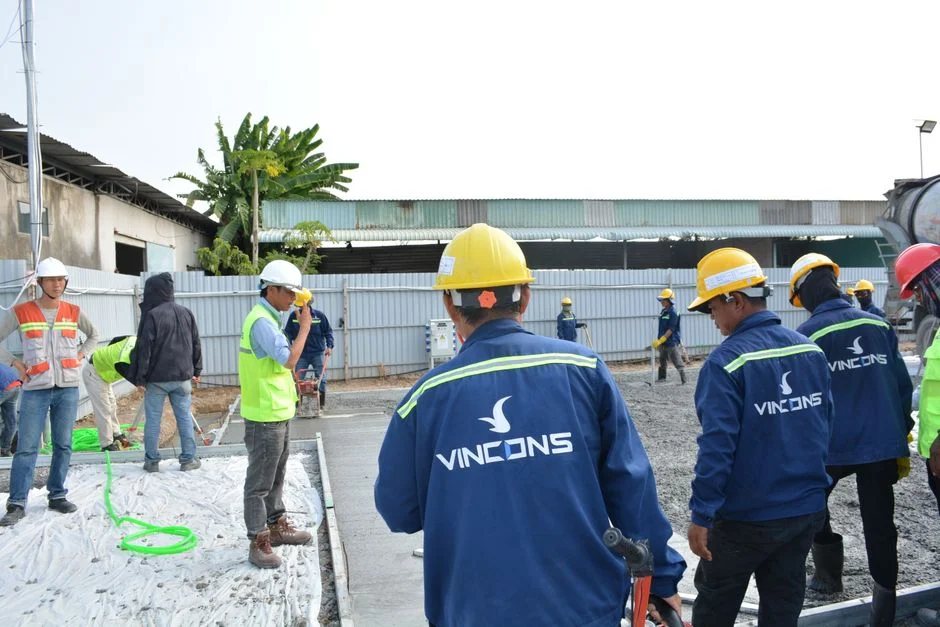
Buried equipment transfers some site occupation into excavation and subsurface risk. Evaluate groundwater intrusion, flotation or buoyancy, access covers, protection of surrounding ground and landscaping, flood exposure and soil movement before accepting a below-grade arrangement.
| Operational element | Buyer action | Required record |
|---|---|---|
| Buried installation | Confirm excavation, groundwater control, access and flood protection | Civil design, construction method, inspection and site handover records |
| Containerized or mobile arrangement | Verify transport access, lifting, temporary power and permanent connection capability | Delivery route, lifting plan and utility connection design |
| Routine maintenance | Define inspections for screening, aeration, pumps, sedimentation, disinfection, controls, odor control and instruments | Preventive schedule, named responsibility and spare-parts access |
| Sludge management | Plan stabilization, storage, collection or dewatering, permitted disposal and reuse assessment | Residual-generation estimate, destination, transport and disposal records |
Where sludge dewatering is necessary, evaluate whether a plate-and-frame filter press matches the required batch size, cake-handling method and available operating support. The domestic sewage process selection guide can support process review, but sludge disposal must remain part of the original equipment selection.
Biogas and sludge-to-energy recovery options should be evaluated against additional equipment, feedstock logistics, operator requirements and recovered-energy value. The International Plasma Technology Center reports biosolids calorific value of about 12 MJ/kg and models thermal efficiency approaching 85% for its most efficient configuration. Those figures describe a specialized energy concept; they do not demonstrate feasibility for a typical rural installation.
Avoid Cost, Compliance and Procurement Risks
A procurement quote that lists only equipment and population omits the costs most likely to change the project outcome. Require itemized pricing for treatment equipment, civil works, collection works, installation, electrical supply, commissioning, training, chemicals, power, laboratory services, sludge handling and maintenance.
Do not accept sizing based only on population or average daily flow. The offer must disclose design assumptions, peak-load treatment, infiltration, effluent parameters and the consequences of exceeding the stated duty. Where operation depends on a particular blower, pump, controller or membrane system, identify failure modes, response time and responsibility for corrective action.
Confirm current local environmental, sanitation, construction and discharge approvals for the project location. The supplied research does not contain a verified current Indonesian effluent-limit table, so the design team must obtain the applicable requirements directly from the responsible authority and write them into the acceptance schedule.
Check references for comparable rural deployments and ask how they handled seasonal flow variation, power interruptions, groundwater conditions and operator availability. A documented reference is more useful than a general statement that the equipment is “suitable for rural areas.”
Before purchase, contract the maintenance scope, response times, spare-parts availability, remote-control functions, alarm handling, laboratory testing and performance-remediation process. Use the municipal sewage process and equipment selection framework to extend that review beyond the reactor itself. Approval support should be clearly allocated because the owner remains responsible for the project’s local compliance.
Frequently Asked Questions
How much does a rural sewage treatment system cost in Indonesia?
The supplied evidence contains no verified Indonesian project price, so a defensible quotation cannot be based on population alone. Request a breakdown covering measured design flow, wastewater quality, treatment objective, site conditions, civil works, collection works, installation, utilities, commissioning, training and long-term operating costs. Ask the supplier to identify which costs are provisional and which local inputs remain outstanding.
Which treatment system is best for a rural Indonesian village?
No single technology is best without considering wastewater sources and variation, scale, effluent destination, land, power reliability, operator capability and community governance. Compare a compact package route, a community-managed decentralized wastewater system and central sewer connection against the same site data. Do not let an equipment range determine the answer before the hydraulic and organic load is established.
What size sewage treatment plant does a rural community need?
The verified WSZ range is 1–80 m³/h, but that range is not a sizing calculation