
What the Screw Press Must Accomplish
A screw press for ceramic tile wastewater should be designed as the sludge-dewatering stage of a broader treatment train, not as the primary wastewater-treatment process. First characterize the wastewater and generated solids; then route the stream through equalization, solids removal and sludge conditioning before feeding the press. Select the screw press using representative sludge data, required hourly feed rate, target cake condition and filtrate-return strategy. FKC states that screw presses are custom designed for each dewatering application and reports more than 6,000 presses operating worldwide. A site pilot should therefore verify performance before finalizing capacity and control design.
The equipment’s actual function is to remove water from sludge or previously separated solids. It does not perform the duties normally assigned to a clarifier, flotation unit or filtration stage in the liquid treatment train. Press selection should therefore begin with the physical condition of the material entering the screw unit: solids concentration, particle characteristics, abrasiveness, flow consistency and response to chemical conditioning.
This distinction matters because ceramic tile manufacturing wastewater can include reusable process water, washwater and solids-rich cutting or grinding residues. Those streams should be identified separately before equipment is selected. The supplied IOP Conference Series paper, published in 2021, concerns tile rectification machinery and identifies clamping and motion, cutting, cooling, structure or enclosure, and electrical or control systems among its functional systems. It does not characterize the resulting wastewater or establish screw-press capacity.
No supplied source provides a universal feed rate or solids concentration for ceramic tile wastewater. The project design basis must therefore come from measured flow and solids data, representative sludge testing and a site trial using the proposed conditioning and screw-press configuration.
Characterize the Ceramic Tile Wastewater and Sludge
The screw press cannot be sized reliably from total wastewater flow because the design duty is set by the dry mass of solids separated from that flow. Establish a sampling plan around the plant’s production schedule, including normal production shifts, clean-up operations, washdown periods and any intervals associated with unusually high suspended-solids loads. The research supplies no numeric sampling intervals, so the sampling frequency must reflect actual operating shifts and recorded production events.
For each relevant stream, measure flow, total and suspended solids, settleable solids, pH and particle characteristics. Investigate mineral abrasiveness, oil and grease, colloids and any process chemicals that could interfere with settling, flocculation or screw wear. Reusable process water, washwater, cutting or grinding residue, and other solids-rich wastes should remain identifiable so that equalization and dewatering duties are not blended without technical basis.
The 2021 IOP paper describes machining tile edges with abrasive wheels and discusses the mechanical systems needed for clamping and motion, cutting, cooling, enclosure and controls. It is useful for identifying manufacturing activities that may generate residues, but it does not provide wastewater solids data, rheology or dewatering results. The Malaysian Journal of Fundamental and Applied Sciences review of natural clay ceramic membranes addresses water and wastewater treatment but likewise does not validate a screw-press design basis for tile manufacturing.
Build a measured ceramic wastewater solids balance: total stream flow multiplied by measured suspended-solids concentration gives the suspended-solids load; the selected solids-removal stage then determines the mass routed to sludge thickening or dewatering. If process water is reused, distinguish the withdrawal and return flows from the contaminant-removal calculation. This mass balance, rather than wastewater flow alone, is the starting point for press capacity.
| Design input | Measurement or record required | Decision supported |
|---|---|---|
| Stream flow and operating duration | Measured flow by production, washdown and clean-up period | Equalization and hydraulic loading |
| Suspended solids | Representative concentration for each stream | Solids mass balance |
| Settleable solids | Settling test under project pH and chemistry | Potential for gravity thickening |
| Particle characteristics | Size distribution and mineral identification | Removal method and wear assessment |
| pH and process chemistry | Variability across production and clean-up | Conditioning and corrosion review |
| Sludge rheology and abrasiveness | Representative post-treatment sludge testing | Pumpability and screw-press suitability |
| Solids destination | Measured capture efficiency of the selected solids-removal unit | Dry solids rate entering the press |
Build the Upstream Treatment and Conditioning Train
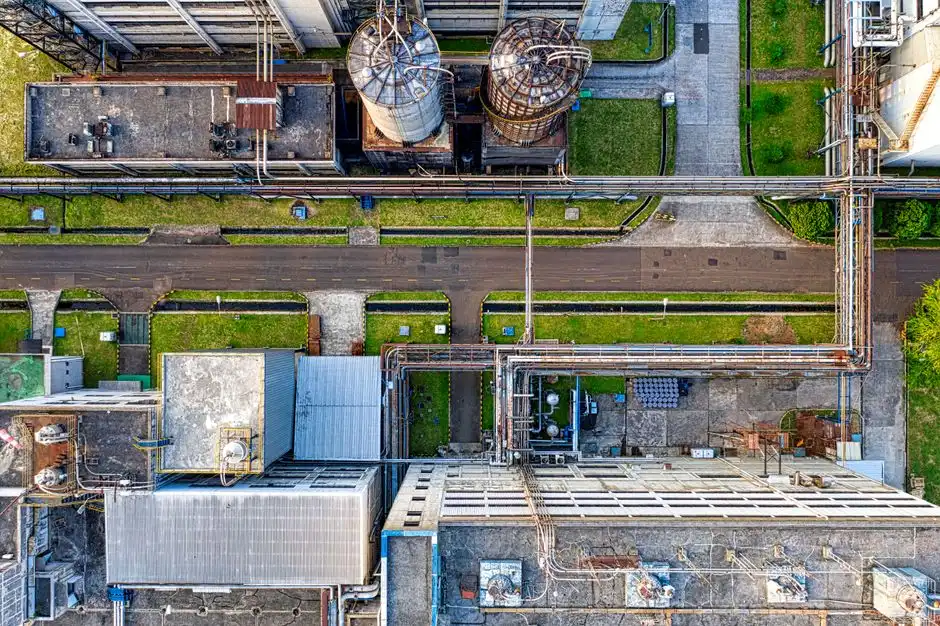
Equalization should precede final selection of the solids-removal and dewatering duty because production and washdown loads can vary. It blends the characterized streams, reduces short-term loading peaks and provides a controlled feed to the next process step. A complete project flow should show incoming streams, equalization, solids removal, sludge collection, conditioning, feed pumping, screw press, filtrate collection, cake discharge and the destination of each liquid and solid stream.
For suspended solids, oil and grease, or colloidal material requiring removal before thickening, evaluate a DAF system for ceramic wastewater solids removal. The correct model must follow the measured flow, solids loading and wastewater chemistry; the supplied research does not establish ceramic tile wastewater performance for this equipment.
A lamella clarifier may be appropriate where sludge recirculation, flocculation and inclined-plate separation suit the wastewater. The published product claims surface-loading rates of 20–40 m/h and chemical-consumption reductions of up to 30%, but these are supplier-level claims, not guaranteed outcomes for ceramic tile wastewater. They can inform a preliminary comparison, not replace site data or pilot verification.
Conditioning should remain a variable until testing demonstrates a need. If flocculation improves separation, use an automatic chemical dosing for sludge conditioning to control coagulant or flocculant addition. The supplied information states that the dosing system supports PLC-controlled injection of coagulants, flocculants and pH adjusters, but it does not provide application-specific dose rates for tile residues.
Return press filtrate only to the process or equalization stage after evaluating its effect on hydraulic load, solids concentration and upstream treatment. A closed filtrate-return loop can improve water recovery, but its accumulated solids must appear in the plant water balance.
| Process step | Required engineering basis | Output to verify |
|---|---|---|
| Equalization | Measured flow, solids and production variability | Stable downstream feed |
| Solids removal | Characterized contaminants and capture efficiency | Separated solids and clarified liquid |
| Sludge collection | Measured dry-solids production and storage behavior | Known sludge feed condition |
| Conditioning and flocculation | Representative sludge testing | Separable, pumpable sludge |
| Feed pumping | Sludge rheology, feed rate and operating hours | Controlled press feed |
| Screw press | Representative feed, selected duty and pilot results | Separated filtrate and dischargeable cake |
| Filtrate return | Water balance and upstream solids loading | No adverse hydraulic or solids recirculation |
Size the Screw Press from Solids Loading and Operating Hours
Size the press from the solids-recovery duty, not from the hydraulic capacity of the ceramic wastewater plant. The screening sequence is: representative wastewater flow; feed suspended-solids concentration; measured solids capture; sludge dry-mass rate; planned operating hours; and selected press feed basis. The resulting sludge feed requirement provides the basis for comparing manufacturer proposals.
Daily dry-solids production is the critical quantity. Divide that duty by the intended daily operating hours to obtain the required average solids-processing rate for screening. The supplier must then show how its proposed configuration handles both the average rate and the selected peak case, including turndown, production peaks, available operating hours and redundancy. These decisions should reflect the plant’s operating schedule and the consequences of insufficient solids capacity.
The supplied sources contain no ceramic tile wastewater screw-press feed capacity, guaranteed dry-solids capture or guaranteed cake-moisture value. Do not convert those gaps into generic performance ranges. Representative pilot testing must establish the relationship between feed solids, conditioning, feed rate, filtrate quality and cake discharge for the proposed equipment.
FKC states that all its screw presses and rotary screen thickeners are custom designed for each dewatering or thickening application. That supports application-specific selection, but it is not itself a ceramic tile performance guarantee. The supplier should identify the test sludge, conditioning regime, operating hours and acceptance criteria behind its proposed rating.
| Sizing step | Project input required | Output |
|---|---|---|
| 1. Define representative feed | Flow and suspended solids from the characterized streams | Representative wastewater sample |
| 2. Apply solids capture | Measured efficiency of the selected solids-removal stage | Sludge dry-solids production |
| 3. Define operating schedule | Production demand, planned run hours and peak case | Required average and peak processing duty |
| 4. Screen equipment | Supplier-rated feed basis under the stated duty | Configuration and motor, screw and feed-pump review |
| 5. Validate by pilot | Representative sludge, chemistry and proposed conditioning | Verified feed rate, cake condition and filtrate result |
| 6. Check resilience | Turndown, redundancy, cleaning and maintenance assumptions | Plant operating strategy |
Select a Screw Press Configuration and Control Scope
Compare equipment options by evidence quality, application fit and integration detail. FKC emphasizes custom application design and reports more than 6,000 screw presses and 1,000 rotary screen thickeners operating worldwide, over 60 years of screw-press manufacturing and over 20 years in the water and wastewater industry. These are market-history claims, not evidence that a proposed press will meet a particular ceramic tile duty.
Certification is a procurement check rather than proof of process suitability. The JX Filtration listing identifies ASME, CE, TUV, SGS and BV certification. Require the supplier to identify which certificates apply to the offered configuration, manufacturer and relevant jurisdiction, and request supporting documentation.
Define the scope boundary in the enquiry and purchase specification. It should state whether the package includes the sludge feed pump, conditioning interface, flocculation tank, screw unit, drive, filtrate collection, cake discharge, odor control, washing and controls. Undefined boundaries leave installation, utility and performance responsibility unresolved.
Specify the instrumentation and interlocks needed to protect the process: feed continuity, drive load, cake discharge and relevant tank levels. The 2021 IOP tile-machinery study demonstrates that mechanical systems require coordinated functional design, but it does not prescribe screw-press controls. Access covers, guards, local isolation, wash-down provisions and spare-part identification should be reviewed as part of maintainability, particularly where mineral residues may be abrasive.
| Selection item | Buyer check | Evidence to request |
|---|---|---|
| Application design | Configuration is based on the characterized ceramic sludge | Design basis and duty calculation |
| Scope boundary | Feed, conditioning, press, discharge, filtrate and controls are defined | General arrangement and battery limits |
| Certification | Certificates apply to the offered equipment and jurisdiction | Certificate documents and model identification |
| Controls and interlocks | Feed continuity, drive load and discharge are covered | Cause-and-effect and control narrative |
| Wear and maintenance | Abrasive residues and cleaning needs are addressed | Wear-part list and maintenance schedule |
| Performance validation | Rating is tied to representative sludge and conditions | Pilot protocol and acceptance criteria |
Pilot Test, Commission and Prevent Performance Drift
A site pilot should use production-period sludge and the proposed conditioning sequence. Test enough representative feed to show whether solids concentration, rheology, abrasiveness and chemistry remain within the range assumed for the design. Record feed rate and consistency, chemical dose, filtrate quality, cake discharge behavior, machine response and wash-down requirements.
Set acceptance criteria in the procurement specification from project requirements. The supplied evidence contains no ceramic tile wastewater performance guarantee, so generic cake-moisture, solids-capture or throughput figures should not be imported without support from the pilot and the supplier’s proposal. The chamber filter press working principle and selection guide can support broader dewatering comparisons, but it is not validation for a screw press on ceramic tile sludge.
After commissioning, control chemical dosage, sludge feed rate and operating hours. Tie operating adjustments to production changes and upstream carryover that could concentrate abrasive solids. Use daily or campaign records to compare actual dry-solids production with the design basis, rather than treating wastewater flow as a sufficient indicator.
Schedule inspections and cleaning around the wear pattern observed during the pilot. Identify critical wear parts, their expected inspection points and local availability before commissioning; the separate issue of filter press spare parts and consumables cost shows why replacement inventory should be priced as an operating requirement, although that source does not provide screw-press prices.
Review the first production cycle with operations, maintenance and process staff. If measured solids production, operating hours or sludge properties differ from the design assumptions, revise press feed, chemical control or equalization strategy before changing equipment.
Frequently Asked Questions
How should a screw press be sized for ceramic tile manufacturing wastewater?
Size it from measured dry-solids production, representative sludge properties, planned operating hours and verified feed-rate capability. Use wastewater flow only to establish equalization and upstream hydraulic duties; a project-specific pilot must confirm the press rating under the proposed conditioning regime.
What should a wastewater treatment plant pilot testing program measure?
Measure feed flow and suspended solids, conditioning dose, feed consistency, filtrate quality, cake condition, discharge behavior and wash-down needs across representative production periods. Accept the equipment against criteria written from project requirements, not a generic performance claim.
What determines the cost of a screw press for ceramic tile wastewater?
The supplied research provides no project price. Request a quotation based on measured solids duty, operating hours, equipment scale, materials of construction, controls, feed and discharge systems, utilities, installation, civil works and site conditions. Obtain separate line items for pilot work, commissioning, wear parts and maintenance.
How should a buyer qualify a screw-press supplier and check treatment-train integration?
Ask for reference projects with comparable sludge, a design calculation, proposed guarantee conditions, certification documents, reference installations, a defined battery limit and a site-pilot protocol. Headline installation totals do not establish ceramic tile suitability, and the enquiry should show how feed pumping, conditioning, filtrate return, cake discharge and upstream solids removal connect.